




State IPM and Pesticide Reduction
Press Release | Read Report | Submit Comments
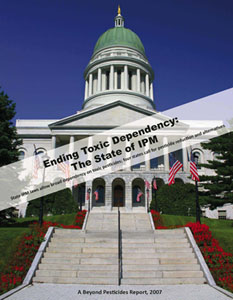 As mounting scientific evidence tying pesticides to ecological degradation and illnesses ranging from asthma to cancer has surfaced, the need for non-toxic pest control methods has become starkly apparent. Integrated pest management (IPM) is a vital tool that aids in the rediscovery of non-toxic methods to control pests and facilitates the transition toward a pesticide-free (and healthy) world. IPM methods have been increasingly recognized, when paired with clear pesticide reduction goals, as a socially responsible management strategy for both indoor and outdoor pest control. But how far have we really come and how far do we have to go until we reach the IPM milestone?
Recognizing all people have the right to live in a healthy and clean environment and that state policies often lead by example, Beyond Pesticides has responded to this question by conducted a national survey of state IPM policies that apply to state-managed and/or owned buildings, facilities, and lands. Building on Beyond  Pesticides' ongoing work to protect public and environmental health, IPM has been highly successful in schools and other sectors. However, children do not spend all of their time at school, nor do pregnant women, chemically sensitive individuals, those with suppressed immune systems, or the rest of the nation’s public. Within these pages we ask, what about the rest of us? How close is IPM to going public in America?