





09
Jan
Two Dubuque Parks Transitioning to Organic Land Management in Iowa; Joining Communities Nationwide
(Beyond Pesticides, January 9, 2026) Beyond Pesticides is partnering with the City of Dubuque Parks and Recreation Department to adopt organic land management practices at two city parks, Jackson Park and Washington Park, with funding for technical support from Natural Grocers. The initiative aims to enhance soil health, reduce water usage, and create safer public spaces, while also addressing climate change and biodiversity issues. Click here to read a joint press release.
Beyond Pesticides, through the Parks for a Sustainable Future nationwide program, collaborates with communities across the country to transition parks, playing fields, and public spaces to organic land management by providing in-depth training to assist community land managers in transitioning two public demonstration sites and the knowledge necessary to eventually transition all public areas in a locality to these safer practices. These demonstration sites serve as models for how sustainable land management is possible without synthetic, petrochemical pesticides and fertilizers, showcasing the benefits of organic practices while addressing potential challenges in a manageable and cost-effective way.
“We are excited to be working with the City of Dubuque on organic land management practices that protect community health and the environment, including bees, butterflies, and birds, and support efforts to mitigate climate change and biodiversity decline,” said Jay Feldman, executive director of Beyond Pesticides. “Organic practices eliminate fossil fuel petroleum-based products and sequester atmospheric carbon in the soil, combating the climate crisis.”
 The City of Dubuque Parks and Recreation Department maintains over 2,300 acres of parks and open space, including more than 50 parks and areas of prairie and oak savannah restoration, pollinator habitat, and wetlands. The City has been reducing its use of synthetic pesticides in city parks since 2016 when the City adopted an Integrated Pest Management (IPM) program. The City currently has 15 pesticide-free parks and does not apply pesticides to most grass turf areas in the city. (“Turf” is considered all regularly mowed grass areas of parks.) The Parks for a Sustainable Future initiative introduces holistic organic land care that emphasizes building resilient soils and healthy park ecosystems throughout the city’s two demonstration parks while eliminating synthetic pesticides and fertilizers.
“We look forward to working with Beyond Pesticides in these two iconic Dubuque parks,” said City of Dubuque Parks Division Manager Steve Fehsal. “This is a great opportunity for our staff to increase their understanding of how healthy soil and organic management can give us great parks without petrochemical fertilizers and pesticides.”
In 2022, the City of Dubuque began exploring a partnership with Beyond Pesticides through the Good Neighbor Iowa Program, which works with Beyond Pesticides in statewide outreach and education, helping communities and families understand the health and environmental benefits of organic land care and the public health risks from synthetic pesticides. The parks and recreation department, alongside Sustainable Dubuque, is building on the City’s long legacy of environmental leadership. Now, with the adoption of organic land management practices in two city parks, Dubuque and Beyond Pesticides are furthering this vision—fostering greener, healthier, and more sustainable urban spaces for future generations.
In partnership with Osborne Organics, Beyond Pesticides aims through the program to further shift from petrochemical weed killers and other potential pesticide use to organic practices that rely on methods and products that support soil biology and microbial life in the soil. This approach, used in organic agriculture, naturally produces nutrients for plants, resulting in more resiliency, a reduction in water use, lower costs, and safer spaces for children, pets, pollinators, and the entire community—all while supporting long-term savings and environmental health.
Sign up to be a Parks Advocate today to let us know you’re willing to speak with local leaders about the importance of this program!
Why Go Organic?
The benefits of transitioning to organic land management extend far beyond individual health! Beyond Pesticides believes in building organic communities:
- For health and safety: Organic food and parks are free from harmful pesticides, fossil-fuel-based substances, and toxic chemicals, making them safer and healthier for all ages. Visit Beyond Pesticide’s 40 Common Lawn and Landscape Chemicals page to delve into the health impacts of pesticides in communities, and the factsheet Children and Pesticides Don’t Mix, which highlights data establishing elevated rates of pesticide-induced illnesses among children.
- For environmental stewardship: Opting for organic parks and products supports practices that protect pollinators, improve soil health, increase biodiversity, and eliminate toxic runoff into water bodies. Learn more about how to protect pollinators in your community by reading BEE Protective, and see our archives in the Daily News Blog on soil health, biodiversity, and water runoff.
- For trust and transparency: The USDA Certified Organic label ensures strict standards and regulations for organic products, providing trust and transparency for consumers worldwide. We provide oversight for parks that use organic land management. Take Action via the Keeping Organic Strong page to keep USDA accountable to the principles and values in the Organic Foods Production Act.
- For just communities: Supporting organic farming practices can benefit local communities and economies, as well as promote responsible animal welfare, and protect farmworkers who are at disproportionate risk from pesticide exposure in marginalized communities. Organic parks are the ethical choice to promote environmental justice. Please see the Black Institute’s Poison Parks report, which shines a spotlight on New York City’s previous reliance on glyphosate-based herbicides and how people of color communities bear the burden of health impacts.
- For climate resilience: Organic farming typically exhibits better performance during droughts and challenging weather conditions. Watering needs are very site-specific, and the type of soil impacts drainage. Once established, a deep root system from organic land management and healthy soil with increased water retention requires less water. Additionally, organic soil management results in the drawdown of atmospheric carbon, contributing to efforts to reduce the adverse effects of carbon on climate.
How To Take Action
There is no better time than the beginning of a new year to reflect on what can be done individually and collectively to have a meaningful effect on health, the health of families and communities, and the legacy to be left behind. An equitable and sustainable world for all can be achieved by seeking the adoption of a transformative solution that recognizes the urgency to address disproportionate harm caused by toxic pesticide production, transportation, use, storage, and disposal with the organic alternative.
In this context, Beyond Pesticides, in collaboration with people and organizations nationwide, is: Asking Mayors, in the new year, to adopt a policy and program for organic management of their community’s parks and public spaces. [In the event that a specific local mayor is not in the system, readers are invited to email this personal message—see below.]
Since laying the groundwork for the program in the early 1980s, Beyond Pesticides has also worked with communities to adopt land management policies in jurisdictions of nearly every state in the country to ensure continuity and accountability. Click here for access to a template for a local pesticide-free model ordinance or policy!
Envision an organic community where local parks, playing fields, and greenways are managed without unnecessary toxic pesticides, children and pets are safe to run around on the grass, and bees and other pollinators are safeguarded from toxic chemicals. At Beyond Pesticides, this is the future we envision and are working to achieve.
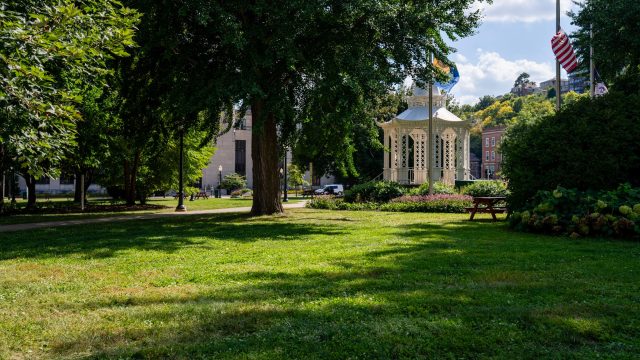
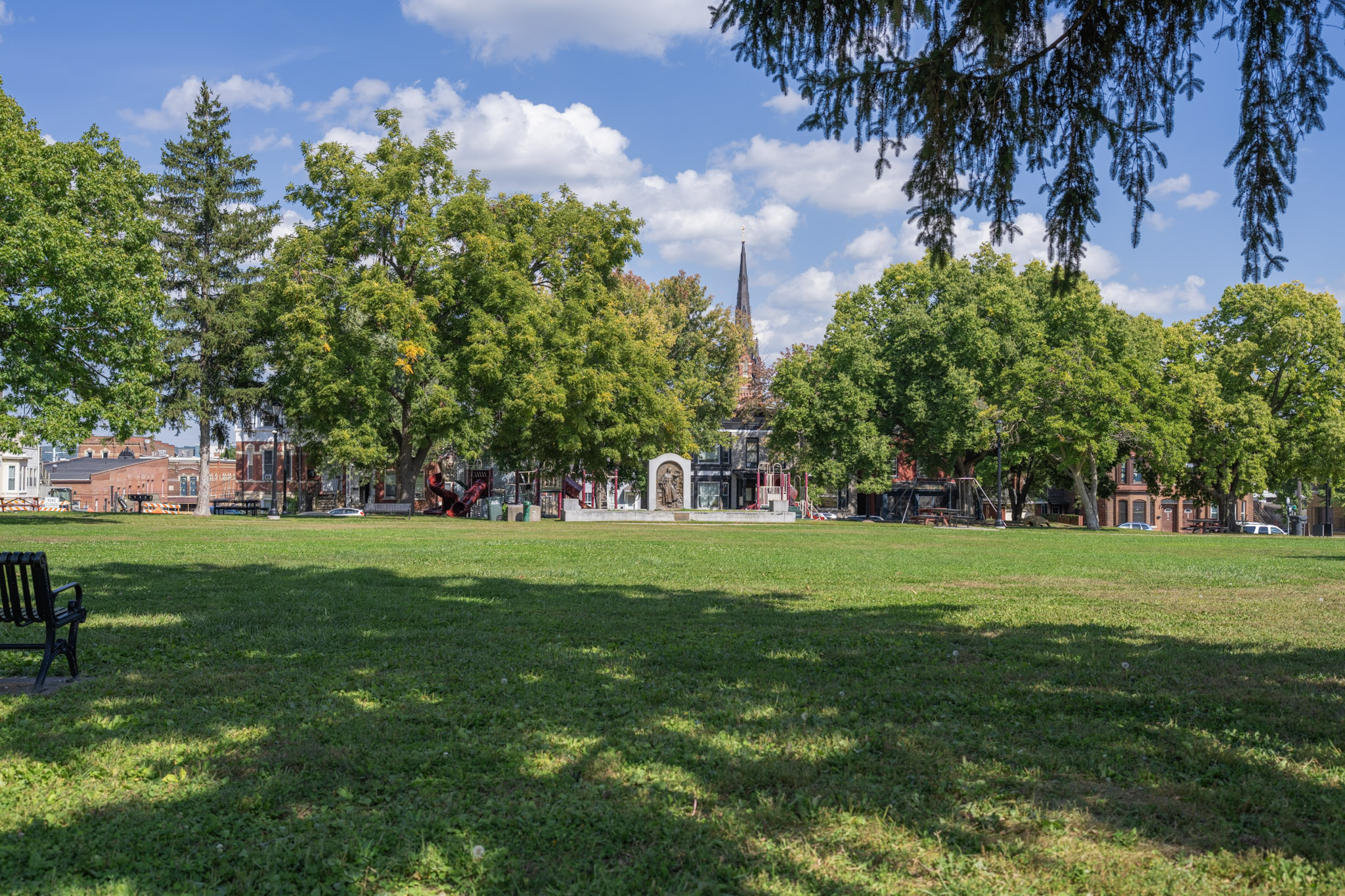
See the attached photos of pilot sites: Washington Park [featured] and Jackson Park [above left]. Images courtesy of the City of Dubuque.
All unattributed positions and opinions in this piece are those of Beyond Pesticides.
Source: Beyond Pesticides and City of Dubuque Parks and Recreation—Press Release




