





12
Jan
Retraction of Journal Article on Weed Killer Glyphosate (Roundup™) Safety Sparks Call for Oversight Hearings
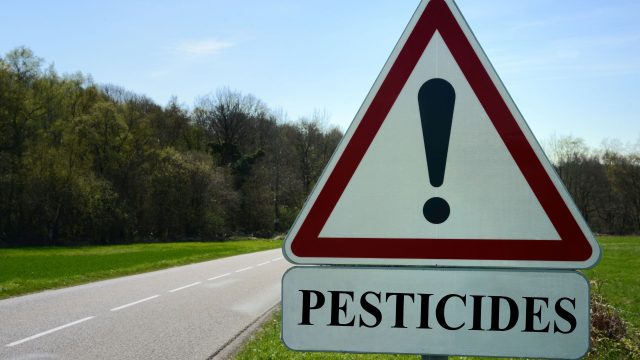
(Beyond Pesticides, January 12, 2026) With a pattern of chemical industry deception of independent scientific review, and the recent retraction of an influential Monsanto ghostwritten article (April 2000) on the weed killer glyphosate (Roundup™), Beyond Pesticides and its network are calling for oversight hearings in Congress. At issue is the reliance of the U.S. Environmental Protection Agency (EPA) on industry data and agency collusion with chemical manufacturers on its decisions. Beyond Pesticides is questioning the underlying reliability of the data, in addition to limitations of the regulatory review process in meeting its statutory duty to protect health and the environment. In addition to the deception, key underlying deficiencies are EPA’s failure to evaluate endocrine disrupting pesticides and synergistic effects of chemical mixtures. Given these deficiencies and the cost effectiveness of organic land management and crop production Beyond Pesticides is asking Congress to hold oversight hearings to determine how EPA can eliminate the use of toxic pesticides that are no longer needed to grow food or manage landscapes cost-effectively.
Critically, the Federal Insecticide, Fungicide, and Rodenticide Act (FIFRA) and EPA’s pesticide program allow toxic chemicals to be dispersed, resulting in widespread negative impacts, without regard for the availability of cost-effective and profitable alternatives that are eco-sensitive and health protective. Consideration of the essentiality of synthetic substance use in agriculture is addressed in the Organic Foods Production Act (OFPA), along with stringent restrictions on their approval in certified organic production. The success of organic food production and land management practices demonstrates how pointless this dispersal of toxic chemicals is.
It was uncovered in lawsuit documents that the authors of the retracted study, which concludes that the weed killer glyphosate did not cause cancer, did not disclose their relationship with Monsanto/Bayer. The (co) editor-in-chief of Regulatory Toxicology and Pharmacology, Martin van den Berg, PhD, which published the article 25 years ago, wrote in the journal, “Concerns were raised regarding the authorship of this paper, validity of the research findings in the context of misrepresentation of the contributions by the authors and the study sponsor and potential conflicts of interest of the authors.”
The study, titled “Safety Evaluation and Risk Assessment of the Herbicide Roundup and Its Active Ingredient, Glyphosate, for Humans” and coauthored by three researchers in New York, the Netherlands, and Canada, has been called a “Landmark glyphosate safety study,” according to a recent article by U.S. Right to Know.
While this retraction reveals Monsanto’s influence through ghostwriting, it also sheds light on the regulatory deficiencies in the law governing pesticides—FIFRA. The revelation is a reminder of related incidents in which Monsanto (Bayer) and other companies have wielded excessive influence at EPA, undermining the integrity of the science needed to inform the regulatory decisions that safeguard health and the environment.
The current issue of the industry-ghostwritten study is symptomatic of the deficiencies in the pesticide regulatory process. EPA relies on chemical manufacturers to generate the underlying laboratory animal data that is used for pesticide registration and has been historically criticized for an inadequate audit process to ensure compliance with standard laboratory practices.
FIFRA contains a statement—known as the essentiality clause—stating, “The Administrator shall not make any lack of essentiality a criterion for denying registration of any pesticide. Where two pesticides meet the requirements of this paragraph, one should not be registered in preference to the other.” Although the second sentence makes it clear that “lack of essentiality” applies to the existence of a competing product, EPA has interpreted the essentiality clause as meaning that the agency cannot use the determination that a pesticide is not needed to deny registration.
Beyond Pesticides and others—including organic farmers and advocates—have long argued that the failure of EPA to consider the viability, productivity, and profitability of organic practices and product alternatives to conventional pesticides means the agency’s registration and registration review of toxic pesticides have not been subject to a complete assessment. In this context and given the availability of less and nontoxic alternatives, EPA has failed in its responsibility to ensure that pesticides registered for use under FIFRA will not cause unreasonable adverse effects.
The inadequacies in the regulation of petrochemical pesticides and synthetic fertilizers support the urgent need for the widespread adoption of safer alternatives. The holistic approach of organic agriculture and land management protects all organisms, including humans, and the environment through the elimination of harmful toxicants and the focus on building soil health. This also mitigates the current crises of biodiversity, public health, and climate change, among other benefits. In focusing on building soil health, which in turn creates a healthy system, with only allowable materials through the National Organic Standards Board (NOSB), the pesticide treadmill can be broken, and all workers, consumers, and wildlife can truly be protected.
Rather than ignoring OFPA as a way of marketing specialty products, Beyond Pesticides maintains that Congress must use it as a model for eliminating the use of toxic pesticides and fertilizers.
Letter to Congress
In recognition of the recent retraction of an article central to support for the use of the weed killer glyphosate (Roundup™), it is important to understand that regulators’ dependence on pesticide companies for health and safety data is the rule rather than the exception. Congress must hold oversight hearings to ensure that toxic pesticides do not pose unnecessary—and therefore unreasonable—adverse effects, as required by law.
Critically, the Federal Insecticide, Fungicide, and Rodenticide Act (FIFRA) and EPA’s pesticide program allow toxic chemicals to be dispersed, resulting in widespread negative impacts, without regard for need. The consideration of essentiality is addressed in the Organic Foods Production Act (OFPA), along with stringent restrictions on approval of synthetic chemicals for use in certified organic production. The success of organic food production and land management practices demonstrates how pointless this dispersal of toxic chemicals is.
An apparently definitive study concluding that the weed killer glyphosate did not cause cancer was retracted last month after it was revealed in lawsuit documents that the authors did not disclose their relationship with Monsanto/Bayer. This serves as a reminder of related incidents in which pesticide companies have wielded excessive influence at EPA. In undermining the integrity of the science needed to inform the regulatory decisions that safeguard health and the environment, the industry-ghostwritten study is symptomatic of the deficiencies in pesticide regulatory processes. EPA relies on chemical manufacturers to generate the underlying laboratory animal data that is used for pesticide registration and has been historically criticized for an inadequate audit process to ensure compliance with standard laboratory practices.
FIFRA contains a statement—known as the essentiality clause—stating, “The Administrator shall not make any lack of essentiality a criterion for denying registration of any pesticide. Where two pesticides meet the requirements of this paragraph, one should not be registered in preference to the other.” Although the second sentence makes it clear that “lack of essentiality” applies to the existence of a competing product, EPA has interpreted the essentiality clause as meaning that the agency cannot use the determination that a pesticide is not needed to deny registration.
Many have long argued that the failure of EPA to consider the viability, productivity, and profitability of organic practices and product alternatives to conventional pesticides means the agency’s registration and registration review of toxic pesticides have not been subject to a complete assessment. In this context and given the availability of less and nontoxic alternatives, EPA has failed in its responsibility to ensure that pesticides registered for use under FIFRA will not cause unreasonable adverse effects.
The inadequacies in the regulation of petrochemical pesticides and fertilizers support the urgent need for the widespread adoption of safer alternatives. The holistic approach of organic agriculture and land management protects all organisms, including humans, and the environment through the elimination of harmful toxicants and the focus on building soil health. It also mitigates the current crises of biodiversity, public health, and climate change. In focusing on building soil health, creating a healthy system, with only allowable materials through the National Organic Standards Board, the pesticide treadmill can be broken, and all workers, consumers, and wildlife can truly be protected. OFPA can serve as a model for eliminating the use of toxic pesticides and fertilizers.
Please call for oversight hearings to ensure that toxic pesticides do not pose unnecessary—and therefore unreasonable—adverse effects, as required by law.
Thank you.




