





26
Jan
Congress Members Call for Growing Organic, as Regulatory Failures to Ensure Protection from Pesticides Mount
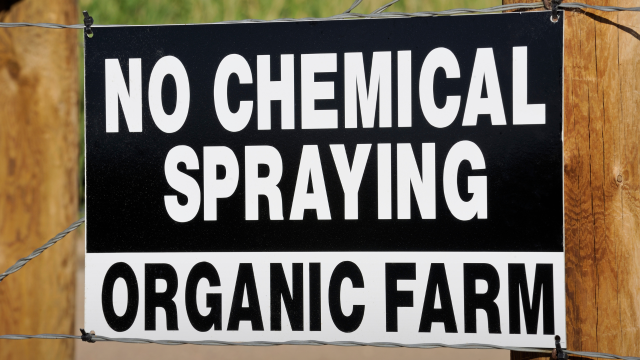
(Beyond Pesticides, January 26, 2026) As a mounting number of scientific studies link pesticides to adverse health and environmental effects not evaluated under the U.S. Environmental Protection Agency’s (EPA) pesticide registration program, members of Congress are planning to introduce legislation that elevates the organic solution. To this end, Beyond Pesticides and allies are calling on U.S. Representatives and Senators to become a cosponsor of the Opportunities in Organic Act, which is expected to be reintroduced in early 2026 by U.S. Senator Peter Welch and U.S. Representative Jimmy Panetta.
In its Pesticide-Induced Diseases Database, Beyond Pesticides critiques studies associating pesticides with serious adverse effects ignored by the regulatory process, including multigenerational effects, chronic low-dose exposure and aging, impacts on fertility dysfunction, synergistic effects associated with mixtures, and endocrine disrupting effects, among others. At the same time, there is a growing body of evidence demonstrating the environmental, health, climate, and economic benefits of organic agriculture.
With the weakening of pesticide regulation, the organic alternative has become especially important, according to health and environmental advocates. However, the organic growth needed to reverse the looming health and environmental crises will not be achieved without a societal investment in organic transition, they say.
Although consumption of organic food continues to grow in the U.S., domestic production lags behind. The Opportunities in Organic Act provides a significant opportunity to reduce barriers to organic farming, strengthen organic supply chains, and ensure that farmers have the support they need to transition to and remain in organic production to meet the growing demand for organic food and grow the sector. Importantly, the bill will provide an opportunity for partners to continue the transition support and technical assistance models that are proving effective through USDA’s Transition to Organic Partnership Program, which ends in 2026.
The Opportunities in Organic Act will:
- Modernize and expand Organic Certification Cost Share, covering up to $1,500 per operation per scope, with flexibility to exceed that cap for socially disadvantaged producers or regions with higher certification costs;
- Invest in organic transition and resilience, including funding for nonprofits to provide hands-on support, pass-through assistance to farmers, and help offset income losses during transition;
- Strengthen organic supply chains, including processing, storage, distribution, and market access—especially in underserved regions;
- Expand technical assistance and education, through USDA agencies, extension, universities, Tribes, and nonprofit partners, ensuring farmers nationwide can access organic expertise; and
- Provide $50 million in annual funding initially, with an increase to $100 million in 2030-2031.
The bill has a large number of organizational backers, including farm and environmental groups [see below].
To advocate for organic legislation
For those who would like to reach out to their elected officials, use the link below to ask your U.S. Representative to contact Liz Jacobson ([email protected] |202-225-2861) in Representative Panetta’s office, sponsor of the House bill, and your Senators to contact Evelyn Vivar ([email protected] | 202-224-4242) in Senator Welch’s office, sponsor of the Senate bill, to sign on as cosponsors of the Opportunities in Organic Act. For current sponsors, use the link below to thank them for their critical leadership.
List of organizations backing the bill: Beyond Pesticides, National Organic Coalition, Organic Farming Research Foundation, National Sustainable Agriculture Coalition, Organic Trade Association, Farm Action Fund, National Resources Defense Council, Environmental Working Group, Farm Aid, Union of Concerned Scientists, Xerces Society for Invertebrate Conservation, Dr. Bronner’s, Organic Farmers Association, The Cornucopia Institute, Green America, Organic Seed Alliance, Oregon Tilth, Greensward New Natives LLC, OneCert, Inc., Organically Grown Company, New Entry Sustainable Farming Project, Carolina Farm Stewardship Association, Virginia Association for Biological Farming, Maine Organic Farmers and Gardeners Association, National Co+op Grocers, Northeast Organic Farming Association – Interstate Council, Northeast Organic Dairy Producers Alliance, Ohio Ecological Food and Farm Association, Northeast Organic Farming Association of VT, Northeast Organic Farming Association of NY, Northeast Organic Farming Association of New Jersey, Northeast Organic Farming Association of Connecticut, Northeast Organic Farming Association of New Hampshire, Quick Organics, and Friends of the Earth.
Letter to U.S. Senate
A growing body of evidence demonstrates the environmental, health, climate, and economic benefits of organic agriculture. As we see more weakening of pesticide regulation, it is increasingly important to support the organic alternative.
Although consumption of organic food continues to grow in the U.S., domestic production lags behind. The Opportunities in Organic Act provides a significant opportunity to reduce barriers to organic farming, strengthen organic supply chains, and ensure that farmers have the support they need to transition to and remain in organic production to meet the growing demand for organic food. Importantly, the bill would provide an opportunity for partners to continue the transition support and technical assistance models that are proving effective through the Transition to Organic Partnership Program, which ends in 2026.
The Opportunities in Organic Act would:
*Modernize and expand Organic Certification Cost Share, covering up to $1,500 per operation per scope, with flexibility to exceed that cap for socially disadvantaged producers or regions with higher certification costs;
*Invest in organic transition and resilience, including funding for nonprofits to provide hands-on support, pass-through assistance to farmers, and help offset income losses during transition;
*Strengthen organic supply chains, including processing, storage, distribution, and market access—especially in unerserved regions;
*Expand technical assistance and education, through USDA agencies, extension, universities, Tribes, and nonprofit partners, ensuring farmers nationwide can access organic expertise; and
*Provide $50 million in annual funding initially with an increase to $100 million in 2030 2031.
The bill is supported by agricultural and environmental organizations, including: Beyond Pesticides, National Organic Coalition, Organic Farming Research Foundation, National Sustainable Agriculture Coalition, Organic Trade Association, Farm Action Fund, National Resources Defense Council, Environmental Working Group, Farm Aid, Union of Concerned Scientists, Xerces Society for Invertebrate Conservation, Dr. Bronner’s, Organic Farmers Association, The Cornucopia Institute, Green America, Organic Seed Alliance, Oregon Tilth, Greensward New Natives LLC, OneCert, Inc., Organically Grown Company, New Entry Sustainable Farming Project, Carolina Farm Stewardship Association, Virginia Association for Biological Farming, Maine Organic Farmers and Gardeners Association, National Co+op Grocers, Northeast Organic Farming Association – Interstate Council, Northeast Organic Dairy Producers Alliance, Ohio Ecological Food and Farm Association, Northeast Organic Farming Association of VT, Northeast Organic Farming Association of NY, Northeast Organic Farming Association of New Jersey, Northeast Organic Farming Association of Connecticut, Northeast Organic Farming Association of New Hampshire, Quick Organics, and Friends of the Earth.
Please support organic agriculture and become a cosponsor by contacting Evelyn Vivar ([email protected] | 202-224-4242) in Senator Welch’s office.
Thank you.
Letter to U.S. House of Representatives
A growing body of evidence demonstrates the environmental, health, climate, and economic benefits of organic agriculture. As we see more weakening of pesticide regulation, it is increasingly important to support the organic alternative.
Although consumption of organic food continues to grow in the U.S., domestic production lags behind. The Opportunities in Organic Act provides a significant opportunity to reduce barriers to organic farming, strengthen organic supply chains, and ensure that farmers have the support they need to transition to and remain in organic production to meet the growing demand for organic food. Importantly, the bill would provide an opportunity for partners to continue the transition support and technical assistance models that are proving effective through the Transition to Organic Partnership Program, which ends in 2026.
The Opportunities in Organic Act would:
*Modernize and expand Organic Certification Cost Share, covering up to $1,500 per operation per scope, with flexibility to exceed that cap for socially disadvantaged producers or regions with higher certification costs;
*Invest in organic transition and resilience, including funding for nonprofits to provide hands-on support, pass-through assistance to farmers, and help offset income losses during transition;
*Strengthen organic supply chains, including processing, storage, distribution, and market access—especially in underserved regions;
*Expand technical assistance and education, through USDA agencies, extension, universities, Tribes, and nonprofit partners, ensuring farmers nationwide can access organic expertise; and
*Provide $50 million in annual funding initially with an increase to $100 million in 2030 2031.
The bill is supported by agricultural and environmental organizations, including: Beyond Pesticides, National Organic Coalition, Organic Farming Research Foundation, National Sustainable Agriculture Coalition, Organic Trade Association, Farm Action Fund, National Resources Defense Council, Environmental Working Group, Farm Aid, Union of Concerned Scientists, Xerces Society for Invertebrate Conservation, Dr. Bronner’s, Organic Farmers Association, The Cornucopia Institute, Green America, Organic Seed Alliance, Oregon Tilth, Greensward New Natives LLC, OneCert, Inc., Organically Grown Company, New Entry Sustainable Farming Project, Carolina Farm Stewardship Association, Virginia Association for Biological Farming, Maine Organic Farmers and Gardeners Association, National Co+op Grocers, Northeast Organic Farming Association – Interstate Council, Northeast Organic Dairy Producers Alliance, Ohio Ecological Food and Farm Association, Northeast Organic Farming Association of VT, Northeast Organic Farming Association of NY, Northeast Organic Farming Association of New Jersey, Northeast Organic Farming Association of Connecticut, Northeast Organic Farming Association of New Hampshire, Quick Organics, and Friends of the Earth.
Please support organic agriculture and become a cosponsor by contacting Liz Jacobson (mailto: [email protected] |202-225-2861) in Representative Panetta’s office.
Thank you.





stop these chemicals.
January 28th, 2026 at 4:40 pmOrganic is the only way to go to rid this country from potions being sprayed on all our food sources. For profit only is evil. To hurt people for profit is evil as well. If we want to live and have generations live a full and healthy life our one choice is organic. We need rich soil which growing organic assures and we need clean food also which organic assures. To tolerate corporations doing as they please and getting government to go along but then they also want to take away a person’s right to sue. Intolerable, unfair and just wrong! Hurting others but walking away clear, free, and richer by damaging others is vile, evil, and will not be tolerated.
January 28th, 2026 at 4:44 pmSupport only ORGANIC!!!!!!!!!!!!!!!