





05
Feb
Amid Immediate and Chronic Health and Environmental Effects, Drift-Prone Herbicide Slated for Reapproval
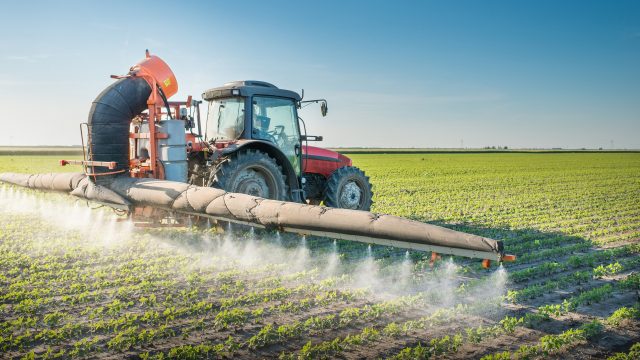
[Update on February 9, 2026: In a press release on Friday, February 6, titled “EPA Implements Strongest Protections in Agency History for Over-the-Top Dicamba Use on Cotton and Soybeans for Next Two Growing Seasons,” the U.S. Environmental Protection Agency (EPA) continues to ignore the wide body of science that documents harms from dicamba, as well as the viability of alternative methods, in establishing what the agency is boasting are “the strongest protections in agency history for over-the-top (OTT) dicamba application on dicamba-tolerant cotton and soybean crops” as a direct response to the “strong advocacy of America’s cotton and soybean farmers.” These so-called “strong protections” are described as a way to ensure farmers can access the tools they “need” while also protecting the environment from dicamba’s harmful drift. In using “gold-standard science and radical transparency,” EPA created new label restrictions for the next two growing seasons that include “cutting the amount of dicamba that can be used annually in half, doubling required safety agents, requiring conservation practices to protect endangered species, and restricting applications during high temperatures when exposure and volatility risks increase.” Relying on unenforceable label restrictions and mitigation measures, however, fails to adequately protect health and the environment. See here and here for further analysis on the failure of EPA’s mitigation measures.]
***
(Beyond Pesticides, February 5, 2026) As shared in coverage on January 30, 2026, by The Washington Post, the U.S. Environmental Protection Agency (EPA) is expected to reapprove dicamba, “an herbicide for genetically modified soybean and cotton crops, even while acknowledging continued concerns from some growers about spillover effects, according to two EPA staffers and a draft statement obtained by The Washington Post.” Despite EPA’s previous two approvals of dicamba that were vacated in federal courts, this comes as part of the Make America Healthy Again (MAHA) initiative, in which EPA’s Administrator Lee Zeldin pushes for the use of harmful pesticides in conflict with stated MAHA goals.
In a recent article by The New Lede, Nathan Donley, PhD, and Environmental Health Science Director for the Center for Biological Diversity, says this will be the next round of ‘MAHA-washing’, as “Zeldin’s MAHA-washing paints the same rosy picture to distract from decisions that harm public health.” The Washington Post, based on an unreleased statement from EPA, reports that “EPA characterizes the new use guidelines as ‘the most protective dicamba registration in agency history’ and notes the inclusion of ‘several measures’ to head off ‘ecological risks.’” This follows the latest proposed registration from July 2025, in which the agency said it would address volatility (tendency to vaporize/turn into a gas) concerns and runoff risk. “The statement seen by The Post did not say which of those measures would be in the final version, but one employee said it would be very similar to the proposal,” says Amudalat Ajasa, environmental health news reporter for The Washington Post.
Based on the Dicamba Market Size, Share, and Growth Forecast 2026 – 2033 by Persistence Market Research, the global dicamba market is projected to reach $702.9 million in 2026 and $1,212.5 million by 2033. These estimates are “primarily driven by the rising incidence of glyphosate-resistant weeds and the broader adoption of dicamba-tolerant crops, particularly soybean and cotton.” The report also notes that North America leads the dicamba market with ~39.4% share. With the reapproval of dicamba on the horizon, these numbers could become a stark reality.
Dicamba’s History of Health and Environmental Implications
As Beyond Pesticides references in the Gateway on Pesticide Hazards and Safe Pest Management entry for dicamba, this chemical is suspected of causing cancer, along with a myriad of other documented health and environmental effects, such as neurotoxicity, reproductive dysfunction, kidney/liver damage, birth/developmental effects, detection in groundwater, leaching, and toxicity to birds and fish/aquatic organisms. There is a “strong association between dicamba use and an increased risk of developing various cancers, including liver and intrahepatic bile duct cancer, chronic lymphocytic leukemia, and acute myeloid leukemia.” (See study here.) Additional research suggests that dicamba causes DNA damage (causing DNA mutations and inducing oxidative stress – two pathways known to cause cancer) and is also linked to antibiotic resistance.
As highlighted in Beyond Pesticides’ comments to EPA in September 2025, with a subsequent Action of the Week to Tell EPA To Ban Drift-Prone Herbicides, dicamba is highly prone to drift and harms people, crops, and wildlife. The term “drift” applies to airborne movement off the target site, though pesticides can also move as runoff and in soil carried by water or wind. Drift may consist of particles or droplets of pesticide as it is applied or vapors that evaporate and are carried in the air. Farmers and applicators may take steps to avoid drift—including buffer zones, thickening agents, and attention to wind direction—but drift-prone pesticides like dicamba are not always controlled by these actions.
Dicamba has been the focus of many court cases for this reason, as it is responsible for millions of acres of crop damage and harm to numerous organisms including endangered species. New problems with nontarget dicamba drift, contamination, and crop damage were identified in 2016 when EPA registered a new formulation of dicamba to control weeds in cotton and soybean crops that have been genetically engineered (GE) to tolerate the chemical. In 2020, the Ninth Circuit nullified “EPA’s 2018 conditional registration of three dicamba weed killer products for use on an estimated 60 million acres of DT (dicamba-tolerant through genetic modification/engineering) soybeans and cotton.” (See here.) The previous court case found that EPA did not adequately consider adverse effects from over-the-top (OTT) dicamba in approving the conditional registration.
Soy crops are particularly sensitive to pesticide drift from dicamba, and use of dicamba increased even after GE soy crops began being utilized. As the Center for Biological Diversity states: “Since dicamba was approved for ‘over-the-top’ spraying its use has increased twentyfold. The EPA estimates 65 million acres (two-thirds of soybeans and three-fourths of cotton) are dicamba-resistant, with roughly half that acreage sprayed with dicamba, an area nearly the size of Alabama. Much of the unsprayed crops are planted ‘defensively’ by farmers to avoid dicamba drift damage.”
With the documentation of drift damage for off-target crops, new formulations of dicamba were created to attempt to prevent drift damage, but still proved too drift-prone and problematic to be used without incident. Damage to habitats and food sources for various organisms, most notably birds and insects, occurs as a result of dicamba drift. Multiple studies and court filings show dicamba’s ability to drift well over a mile off-site after an application.
Dicamba creates “an ‘ecological disaster’ in the name of profit” and damages other crops, such as fruit trees. Despite a court ruling in 2022 that “EPA failed to account for how ‘dicamba use would tear the social fabric of farming communities’… EPA sided with moneyed interests over the well-being of average Americans in farming communities.” (See here.) Farmers rely on their crop production to make a living, and yet continued use of dicamba occurs despite “4 percent of soybean fields [being] damaged by off-target dicamba movement in 2018” and “damage from dicamba [being] reported on approximately 1 in every 13 fields [about 8%]” in some states, according to the U.S. Department of Agriculture (USDA).
Beyond Pesticides finds the ‘high benefits’ of dicamba are overstated and improperly considered, as EPA’s benefit and risk assessments rely heavily on unenforceable mitigation measures and do not adequately consider acute impacts on aquatic species and ecosystem services from impaired habitats. (See here and here.) The previously proposed mitigation measures are insufficient to protect public health, as well as the health of wildlife and the environment.
All dicamba formulations have the potential to volatilize since dicamba has a high vapor pressure, with increases in air temperature causing dicamba to turn into a gas even after successful application on target surfaces. Since volatilization increases as temperatures increase, this is more and more concerning as temperatures are rising higher each year. The length, intensity, and onset of seasons have changed, which can be attributed to climate change. The longer and hotter summers will exacerbate dicamba volatilization and lead to more drift—especially for post-emergent and OTT applications.
Daily News Coverage
For decades, Beyond Pesticides has documented the troublesome history of dicamba, including both adverse health and environmental effects as well as the regulatory deficiencies allowing for unreasonable exposure to this product. See below for a roundup of Daily News articles on dicamba from the past two years.
- EPA To Allow Dicamba Herbicide Used in Genetically Engineered Crops, Prone to Drift and Weed Resistance (August 2025) With more than 90 percent of soybeans (also corn and the most common species of cotton) planted in varieties genetically engineered to be herbicide-tolerant, the agrichemical industry and industrial agribusiness are lining up to bring back agricultural spraying of the controversial weed killer dicamba—linked to crop damage associated with the chemical’s drifting off the target farms. The courts in 2020 and 2024 vacated EPA’s registration authorizing OTT spraying of dicamba, leading to these uses being stopped in the 2025 growing season.
Genetically engineered crops, widely adopted in 1996 with Monsanto’s glyphosate-tolerant (Roundup Ready) soybean seeds and plants, have been plagued by weed resistance to the weed killers, movement of genetic material, chemical drift, and health and environmental hazards associated with pesticide exposure. Despite the problems and escalating herbicide use in chemical-dependent no-till (no tillage) agriculture, regulators at the U.S. Environmental Protection Agency (EPA) and the U.S. Department of Agriculture (USDA) have facilitated the astronomical growth of a genetically engineered food system. The industry makes the environmental argument that less disturbance to soil is better for soil health. However, the purveyors of toxics downplay the adverse effects of the petrochemical pesticides and fertilizers, and are silent on the fact that certified organic food production prohibits genetically engineered seeds and plants (as well as synthetic fertilizers) with competitive yields and increased economic returns, while protecting health, biodiversity, and climate.
- Herbicide Dicamba Linked to Crop and Plant Damage and Cancer Subject of Deregulation Despite Court Ruling (August 2025) On June 30, 2025, Kyle Kunkler started work as deputy assistant administrator for pesticides in U.S. Environmental Protection Agency’s (EPA) Office of Chemical Safety and Pollution Prevention. Mr. Kunkler is an experienced agribusiness lobbyist, having come directly from the American Soybean Association, where he was director of government affairs. He joins Nancy Beck, PhD, herself a migrant from the American Chemistry Council. Not coincidentally, a mere three weeks after Mr. Kunkler’s appointment, EPA opened the floodgates to allow use of the controversial herbicide dicamba to flow unrestricted once again through the nation’s ecosystems. Dicamba has been associated with phytotoxic crop/plant damage (leaf damage, stunted growth, or death) and cancer.
- Children’s Health Threatened as Rates of Pediatric Cancers are Linked to Agricultural Pesticide Mixtures (March 2025) A study in GeoHealth of pediatric cancers in Nebraska links exposure to agricultural mixtures with the occurrence of these diseases. The authors find statistically significant positive associations between pesticide usage rates and children with cancer, specifically brain and central nervous system (CNS) cancers and leukemia. The study results show: “that every 10% increase in pesticide mixture was associated with a 36% increase in the rate of brain and other CNS cancers in children. The magnitude of this association was slightly greater for brain and other CNS cancers than for overall cancer and leukemia.” The pesticides, notably mostly herbicides, contributing the most to this joint association of agrichemical mixtures and cancer rates include dicamba, glyphosate, paraquat, quizalofop, triasulfuron, and tefluthrin.
- Biodiversity Threatened by Pesticide Drift, Study Finds; Organic Agriculture Cited as a Holistic Solution (January 2025) Pesticides that are sprayed and become airborne significantly disrupt ecological balances and affect nontarget species that are crucial for maintaining biodiversity, according to an article in Environmental Pollution. In this review of studies throughout countries in North and South America, Europe, and Asia, among others, researchers from Germany, Norway, the United Kingdom, and Poland reinforce the science about pesticides’ direct effect on species and the cascading effects of pesticide drift through various trophic levels within food webs that lead to overall devastating population effects. “Evidence shows that pesticides are driving severe biodiversity declines, often acting in concert with additional stressors,” the researchers postulate. They continue: “Herbicides, particularly glyphosate, dicamba, and 2,4-D sprays, have caused significant damage to many non-target plant species.”
- Weed Killers Dicamba and 2,4-D Found in Pregnant Women in Midwest USA, Linked to Serious Effects (May 2024) In a first-of-its kind series of biomonitoring studies published in Agrochemicals, researchers identified the presence of the herbicides dicamba and 2,4-D in all pregnant participants from both cohorts in 2010-2012 and 2020-2022. The findings from this research are not surprising, given the explosion of toxic petrochemical pesticides in the Midwest region of the United States. “The overall level of dicamba use (kilograms applied in one hundred thousands) in the U.S. has increased for soybeans since 2015 and slightly increased for cotton and corn,” the authors report, based on U.S. Department of Agriculture National Agriculture Statistics Service surveys.
- EPA and Court Allow Violations and Hazards of Weed Killer Dicamba Under Existing Stock Order (March 2024) Buried in a court decision in February that determined that EPA violated the law in allowing harm associated with the herbicide dicamba’s registration is language that permits the damages to continue through this year’s growing season. The judge’s ruling, deferring to EPA’s interpretation of the existing stock provision in the federal pesticide law, continues a pattern of “existing stock” allowances that permit hazards to continue well after a finding of harm or noncompliance. This process contrasts with the issuance of a product recall, which is typically done when pharmaceuticals are found to violate safety standards.
Despite the finding of dicamba’s harm and EPA’s failure to comply with standards, the continued use of the weed killer through the 2024 growing season is effectively authorized in a decision of the U.S. District Court of Arizona, which vacates the EPA’s 2021 authorization of the use of three OTT uses of dicamba-based herbicide products. In response, EPA issued an existing stocks order. EPA’s pattern of allowing the use of existing stocks has long been a concern for public health and environmental advocates, who have called for the discontinuance of use upon findings of elevated risk factors or illegal uses that do not comply with statutory standards.
- Court Strikes Down EPA’s Allowance of Weedkiller Dicamba after Scathing Inspector General Report (February 2024) Last week, the United States District Court for the District of Arizona struck down the U.S. Environmental Protection Agency’s (EPA) 2021 approval of three dicamba-based herbicides. This is the second lawsuit since 2020 to call out EPA’s violation of both the Endangered Species Act (ESA) and the Federal Insecticide, Fungicide, and Rodenticide Act (FIFRA) to authorize the use of OTT dicamba-based herbicide products from Bayer and other petrochemical pesticide companies. This rejection of dicamba-based herbicides fuels advocates’ push for stronger regulatory actions by EPA for all petrochemical pesticides and their push for the more widespread adoption of organic practices that do not use these chemicals. The case was filed by the Center for Food Safety (CFS), the Center for Biological Diversity, the National Family Farm Coalition, and Pesticide Action Network North America. Beyond Pesticides has covered the dicamba tragedy for years, including the EPA Office of the Inspector General’s critical 2021 report, EPA Deviated from its Typical Procedures in Its 2018 Dicamba Pesticide Registration Decision. The report identifies EPA’s abandonment of science and assault on agency integrity.
See additional Daily News here.
The Organic Solution
Consistent with regulatory standards, cancellation of dicamba is needed to prevent further harmful effects. EPA should deny any proposals for dicamba use due to the adverse effects on the environment, risks to health, and given the availability of cost-effective alternatives and the statutory duty of the agency to comply with the “unreasonable risk to man or the environment” standard under FIFRA. The overwhelming scientific evidence of the consequences of dicamba usage should be enough to permanently ban dicamba, and yet the EPA regulatory system cannot be relied upon to provide adequate protections. The only true holistic solution is to remove all uses of dicamba, and other harmful petrochemical pesticides and synthetic fertilizers, and to implement a widespread transition to organic agriculture and land management.
The public does not benefit from the approval and use of dicamba, given the availability and viability of alternative management practices and products as defined by the Organic Foods Production Act (OFPA) and implemented by the U.S. Department of Agriculture (USDA). Organic management practices and organic compatible products eliminate the hazards (and risks) that EPA is accepting and will be accelerating with the reapproval of dicamba on food commodities. Under OFPA, organic producers are prohibited from using synthetic inputs unless found by the National Organic Standards Board (NOSB) that their use: “(i) would not be harmful to human health or the environment; (ii) is necessary to the production or handling of the agricultural product because of the unavailability of wholly natural substitute products; and (iii) is consistent with organic farming and handling.” Under this USDA organic standard, nearly all petrochemical pesticides and all synthetic fertilizers, as well as sewage sludge (biosolids), are prohibited.
A plethora of studies prove organic agriculture provides soil health benefits, has a significantly lower environmental impact than conventional food production, is more profitable and productive, provides human health benefits, and mitigates the crises of climate change and wildlife biodiversity. This holistic approach protects all organisms, including humans, and the environment through the elimination of harmful toxicants and the focus on building soil health, which in turn creates a healthy system that negates the need for any pesticides and breaks the pesticide treadmill.
Learn more about the health and environmental benefits of organic here and here, join Beyond Pesticides’ mission of eliminating petrochemical pesticides and fertilizers in the next ten years, and take action to support the organic movement.
All unattributed positions and opinions in this piece are those of Beyond Pesticides.
Source:
Ajasa, A. (2026) EPA set to re-register dicamba, herbicide previously banned by courts, The Washington Post. Available at: https://www.washingtonpost.com/climate-environment/2026/01/30/dicamba-registration-epa-pesticides/.




