





03
Dec
Dire Pediatric Cancer Risk Linked to Pesticide Mixtures, Laws To Protect Children Found To Be Lax
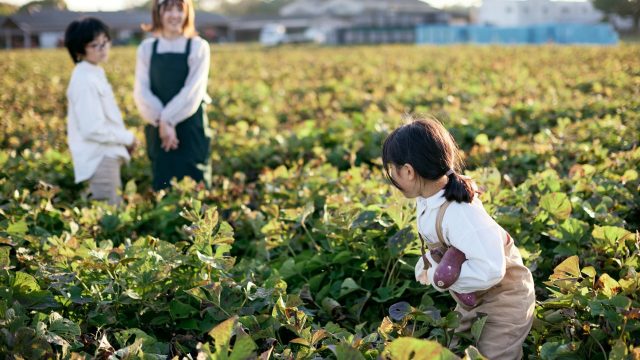
(Beyond Pesticides, December 3, 2025) Childhood cancers are on the rise globally; in the U.S. cancer is the second most common cause of death in children between one and 14 years old, and the fourth most common in adolescents. A recent study of Nebraska pesticide use and pediatric cancer incidence by researchers from the University of Nebraska Medical Center and the University of Idaho Department of Fish and Wildlife Sciences found positive associations between pesticides and overall cancer, brain and central nervous system cancers, and leukemia among children (defined as under age 20).
The study’s lead author, Jabeen Taiba, PhD, of the University of Nebraska Medical Center, will discuss the study results on December 4, 2025, at the second session of Beyond Pesticides’ 42nd National Pesticide Forum, The Pesticide Threat to Environmental Health – Advancing Holistic Solutions Aligned with Nature. The first session recordings and materials are available here.
The authors’ emphasis on evaluating mixtures, and their innovative technical methods for doing so, highlight the direction environmental health research and regulation must take. Studying pesticides singly is an inadequate approach, according to the authors, because pesticides are not applied individually anymore, but very often in mixtures of herbicides, insecticides, and fungicides in spray tanks. They write: “By studying individual chemicals in isolation, we will underestimate the cumulative effects of coexposures within the mixture. . . [T]here is a pressing need to estimate the combined effects of chemical mixtures on the pediatric cancer rate.”
It is well documented that farmworker families are heavily exposed to pesticides. Adults are exposed while working, and children are exposed because of pesticide drift and from parental transfer on clothes and tracked-in debris. But children doing actual agricultural labor are getting all of these kinds of exposures and more.
Children’s exposures are more problematic because small size means a higher dose per pound of body weight, with corresponding higher disease risk. Exposures at critical developmental periods from pre-fertilization damage to germ cells through puberty set the stage for childhood cancers and many later-onset diseases into adulthood and old age.
The group most at risk for pediatric cancers are the thousands of children whose parents work in agriculture and live near fields and who themselves also work. In many states, including California, child farm labor is legal from the age of 12. A two-part investigation by Robert J. Lopez of Capital and Main examines the enforcement of pesticide regulations and child labor laws in several heavily agricultural California counties.
The Capital and Main exposé shows that enforcement of pesticide regulations and child labor laws in the state is extremely lax. The state and county authorities do not coordinate and often work at cross-purposes. County agriculture commissioners are responsible for enforcing pesticide safety rules, but the commissioners are not required to check whether a violating company has a record in other parts of the state. This leads to different enforcement actions in different counties against companies that operate in all of them; often, fines are not imposed or go unpaid. There is a blatant conflict of interest because the agricultural commissioners are also responsible for promoting agriculture.
Capital and Main reviewed more than 40,000 state enforcement records, finding county citations for more than 240 businesses for more than 1,200 state pesticide violations. For half of those violations, companies paid no fines and received only warnings. Required pesticide inspections were even more rarely performed. For the top agricultural counties, less than 1% of the 687,000 spray events were inspected.
Further, the state barely enforces child labor laws. The Capital and Main exposé estimates that there are between 5,000 and 10,000 underage workers in California’s agriculture industry. Only 27 citations were issued in the counties studied between 2017 and 2024, and a pathetic 8%, or $36,000, of fines were imposed, of which only 10% – $2,814 – were collected. Lopez documented children who had started working as young as six and 11 years old. State law restricts the number of hours children can work while school is in session, but they often work weekends in school terms, and out of school season, they are allowed to work up to 40 hours a week. Many work six days a week. The children are paid by the box or crate and earn far below minimum wage. They frequently encounter recently-sprayed pesticides and are sometimes directly in the path of sprayers. There is often no shade, water, or sanitation. Add to these stresses the triple-digit temperatures associated with accelerating climate change and the fears of arrest, family separation, financial destitution, and deportation resulting from the Trump administration’s persecution of immigrants and seasonal workers.
To learn more about the threats from environmental contaminants to health, hear Dr. Taiba speak at the second session of the 42nd National Forum—The Pesticide Threat to Environmental Health: Advancing Holistic Solutions Aligned with Nature—on December 4. Register here.
The California situation underscores the dire risk of cancers these children face. The Taiba study in Nebraska gives a close view of the dangers posed by pesticides and their consequences for children. Nebraska has a higher incidence of pediatric cancer than the U.S. average.
The researchers matched the U.S. Geological Survey’s county-level data for frequently applied pesticides from 1992 to 2014 in Nebraska’s 93 counties with pediatric cancer diagnoses from the state’s cancer registry over the same time period. They located cancer cases by county of residence at the time of diagnosis. Of the 32 pesticides considered, those that contributed most to the mixtures associated with pediatric cancers were dicamba, glyphosate, paraquat, quizalofop, triasulfuron, and tefluthrin.
“Our findings revealed that herbicides were the most frequently used pesticides,” the authors write. “[O]ur examination of pediatric cancer cases within Nebraska highlighted that the most common subtypes were brain and other [central nervous system] tumors, leukemia, lymphoma, germ cell tumors, and malignant bone tumors.”
The Nebraska researchers also observe that even pesticides not currently labeled as carcinogens may be increasing the odds of cancer induction. Carcinogenic mechanisms include the generation of free radicals, which can cause single and double-strand DNA breaks, chromosomal duplications, rearrangements, and deletions. The authors point out that paraquat is one such pesticide. They found an association with acute myeloid leukemia and suggest the link may be paraquat’s known ability to cause oxidative stress and damage mitochondrial DNA. Similarly, the Nebraska study found the herbicide quizalofop was one of the mixture constituents contributing most heavily to the associations with overall cancer, central nervous system cancers, and leukemia. The authors cite zebrafish studies identifying quizalofop as a sex-specific endocrine disruptor increasing estrogen in male fish. See Beyond Pesticides’ November 25 news brief detailing the effects of pesticidal interference with reproductive hormones on male reproductive health.
The fact that the Nebraska study found that most of the chemicals associated with pediatric cancers are herbicides underlines the need to consider all pesticides and dismiss any lingering notion that insecticides are always the chief culprits.
As to regulation protecting child farmworkers, see Beyond Pesticides’ news brief for an analysis of the obstacles and limitations facing meaningful corrective action. For example, progress is predictably stalled at the federal level. A bill introduced by New Mexico Senator Ben Ray Luján (D-NM) last year was referred to committee and disappeared.
We owe it to the people who grow, harvest, package, and transport our food, and especially to those who are at the highest risk of harm: children. Adopting the Precautionary Principle and switching to organic agriculture would protect everyone in the process, from field workers to consumers.
All unattributed positions and opinions in this piece are those of Beyond Pesticides.
Sources:
Exploring the Joint Association Between Agrichemical Mixtures and Pediatric Cancer
Taiba et al
GeoHealth February 2025
https://agupubs.onlinelibrary.wiley.com/doi/10.1029/2024GH001236
University of Nebraska Medical Center and University of Idaho Fish and Wildlife Sciences
Lax oversight, few inspections leave child farmworkers exposed to toxic pesticides
Robert J. Lopez
Capital and Main November 20, 2025
https://capitalandmain.com/lax-oversight-few-inspections-leave-child-farmworkers-exposed-to-toxic-pesticides
California’s child farmworkers: Exhausted, underpaid and toiling in toxic fields
Robert J. Lopez
LA Times November 20, 2025
https://capitalandmain.com/californias-child-farmworkers-exhausted-underpaid-and-toiling-in-toxic-fields
Disproportionate Pesticide Hazards to Farmworkers and People of Color Documented. . .Again
February 16, 2024
https://beyondpesticides.org/dailynewsblog/2024/02/disproportionate-pesticide-hazards-to-farmworkers-and-people-of-color-documented-again/
Bill Seeks to Eliminate Inequities for Child Farmworkers, But Leaves Weak EPA Pesticide Standards in Place
Beyond Pesticides, March 29, 2024
https://beyondpesticides.org/dailynewsblog/2024/03/bill-seeks-to-eliminate-inequities-for-child-farmworkers-but-leaves-weak-epa-pesticide-standards-in-place/
Study Shows Disproportionate Pesticide Exposure and Resulting DNA Damage to Latinx Farmworker Children
September 26, 2024
https://beyondpesticides.org/dailynewsblog/2024/09/study-shows-disproportionate-pesticide-exposure-and-resulting-dna-damage-to-latinx-farmworker-children/
Children Exposed to Pesticides Experience “Cellular Distress” and Chronic/Acute Diseases, Study Finds
February 28, 2025
https://beyondpesticides.org/dailynewsblog/2025/02/children-exposed-to-pesticides-experience-cellular-distress-and-chronic-and-acute-diseases-study-finds/




