





08
Jun
Trump Administration Shutters Agricultural Research Center Established in 1910, Subject of Action
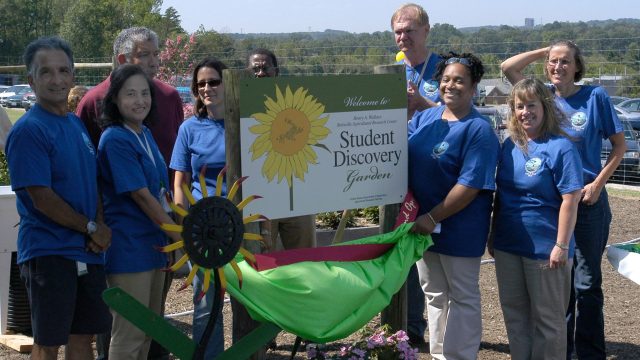
(Beyond Pesticides, June 8, 2026) When the Trump administration announced that it was shutting U.S. Department of Agriculture’s (USDA) Beltsville Agricultural Research Center (BARC) in Beltsville, Maryland, U.S. Representative Jamie Raskin (D-MD) released the following statement:
“This is a betrayal of American farmers, and an attack on the federal workforce that will severely damage services that the American people depend on. We are disappointed but not surprised that the Trump administration is continuing its attacks on the federal workforce, this time through wasting taxpayer dollars to relocate key USDA facilities. Let us be clear: these haphazard, unlawful relocations do not save taxpayer dollars or improve agency efficiency. We’ve seen this tactic before, and we know that it only results in brain drain, crushed morale, and cuts to vital programs American farmers depend on. We will continue to stand up for the dedicated federal workers who provide critical services to our nation as they navigate these relocations, mass firings, and the administration’s continued attacks on the civil service.”
In the face of this action, which is now taking place, Beyond Pesticides has released an action to tell Congress and USDA to preserve the Beltsville agricultural research facilities that support farming and beekeeping nationwide.
Among the facilities closing down is the Bee Research Laboratory (aka Bee Lab), which conducts research that has been essential in raising issues critical to the health of honey bee colonies, responding to crises, and helping beekeepers maintain an adequate healthy supply of bees for the pollination of crops. The Bee Lab is not the only federal pollinator program to face funding cuts or dismantling. Also facing threats to funding are the U.S. Geological Survey (USGS) Ecosystems Mission Area, which includes the USGS Bee Lab, other USGS research centers, and U.S. Forest Service research stations. A U.S. Government Accountability Office (GAO) report, USDA’s Decision to Relocate Research Agencies to Kansas City Was Not Fully Consistent with an Evidence-Based Approach, on previous relocations during the first Trump adinistration disputed most of the justifications used by USDA to save taxpayer money and improve contact in the field with stakeholders.
This pollinator research is important, but losses to science, agriculture, and health from the closure of BARC go much further. BARC research groups cover:
- Hydrology and Remote Sensing
- Animal Parasitic Diseases
- Adaptive Cropping Systems
- Environmental Microbial and Food Safety
- Animal Genomics and Improvement
- Animal Biosciences and Biotechnology
- Bee Research
- National Germplasm Resources
- Invasive Insect Biocontrol and Behavior
- Genetic Improvement for Fruits and Vegetables
- Molecular Plant Pathology
- Soybean Genomics and Improvement
- Systematic Entomology
- Sustainable Perennial Crops
- Sustainable Agricultural Systems
- Food Quality
- Mycology and Nematology Genetic Diversity and Biology
In addition:
- USDA’s investment of more than $170 million in BARC facility modernization and upgrades over the last decade would be lost.
- Staff losses at BARC will be significant. In the 2019 relocation of the Economic Research Service (ERS) and the National Institute of Food and Agriculture (NIFA), USDA lost 85% of its staff, and a recent survey of ERS and NIFA employees suggests that over three-quarters of employees will not relocate. The local union representing BARC anticipates that at least this many Agricultural Research Service (ARS) employees would not relocate.
- BARC research contributes to food security and food affordability through its work on food and animal production, animal health, food safety, improved crop management practices, soil health, and plant diseases.
- The Northeast Region served by BARC—from Virginia to Maine—includes the Chesapeake Bay Watershed, with about 83,000 farms. These farms collectively produce over $10 billion annually in agricultural sales and grow over 50 different commodities, from staple crops like corn, wheat, and soy to specialty crops like fruits and vegetables.
- BARC’s closure is opposed by the public. Of the public comments USDA received about BARC, 92% expressed strong opposition to closure of this critical agricultural research facility.
- Relocating research may not be physically or technologically viable so ongoing studies will lost.
Maryland’s Congressional delegation has pointed out that the closing of BARC is also illegal. By moving forward with decommissioning BARC, USDA is violating several provisions laid out in the Fiscal Year 2026 Agriculture Appropriations Act, enacted into law on November 12, 2025, including a clear directive to USDA to keep BARC open.
Specifically, in this law, Congress:
- Made clear its intent for BARC to continue to operate by stating in the report accompanying the bill: “the agreement supports the continued operation of the Beltsville Agricultural Research Center.”
- Further clarified this intent by providing USDA with $6 million in funding for construction and facilities improvements at BARC, to implement building and infrastructure updates that support BARC’s continued operation.
- Prohibited closure or consolidation of the resources or locations of any existing USDA Agricultural Research Service labs and facilities without the prior notification and approval of the Appropriations Committees of the House and Senate—approval that has not been obtained by USDA.
- Barred USDA from reorganizing or relocating an office or employees without the prior notification and approval of the Appropriations Committees of the House and Senate—approval which has not been obtained by USDA.
It is extremely troubling that, instead of working with Congress on a sensible plan to modernize BARC, the Department is pursuing a short-sighted effort to close a facility of critical importance to U.S. agriculture and food security.
Tell Congress and USDA to preserve Beltsville agricultural research facilities that support farming and beekeeping nationwide.
Letter to U.S. Congress:
USDA is shutting down its research facilities at Beltsville Agricultural Research Center (BARC)—including the Bee Research Laboratory, which conducts research that has been essential in raising issues critical to the health of honey bee colonies, responding to crises, and helping beekeepers maintain a healthy supply of bees for the pollination of crops. The Bee Lab is not the only federal pollinator program to face funding cuts. Also facing threats to funding are the U.S. Geological Survey (USGS) Ecosystems Mission Area, which includes the USGS Bee Lab; other USGS research centers; and U.S. Forest Service research stations.
Pollinator research is important, but losses to science, agriculture, and health from the closure of BARC go much further. BARC research groups cover:
*Hydrology and Remote Sensing
*Animal Parasitic Diseases
*Adaptive Cropping Systems
*Environmental Microbial and Food Safety
*Animal Genomics and Improvement
*Animal Biosciences and Biotechnology
*Bee Research
*National Germplasm Resources
*Invasive Insect Biocontrol and Behavior
*Genetic Improvement for Fruits and Vegetables
*Molecular Plant Pathology
*Soybean Genomics and Improvement
*Systematic Entomology
*Sustainable Perennial Crops
*Sustainable Agricultural Systems
*Food Quality
*Mycology and Nematology Genetic Diversity and Biology
In addition:
*USDA’s investment of more than $170 million in BARC facility modernization and upgrades over the last decade would be lost.
*Staff losses at BARC will be significant. A recent survey of ERS and NIFA employees suggests that over three-quarters of employees will not relocate. The local union representing BARC anticipates that at least this many ARS employees would choose not to relocate.
*BARC research contributes to food security and food affordability through work on food and animal production, animal health, food safety, improved crop management practices, soil health, and plant diseases.
*The Northeast Region served by BARC includes the Chesapeake Bay Watershed, with about 83,000 farms. These farms collectively produce over $10 billion annually in agricultural sales and grow over 50 different commodities, from staple crops like corn, wheat, and soy to specialty crops like fruits and vegetables.
*Of the public comments USDA received, 92% expressed strong opposition to closure of this critical agricultural research facility.
*Relocating research may not be physically or technologically viable and undermines ongoing studies.
Maryland’s Congressional delegation points out that the closing of BARC is also illegal. In decommissioning BARC, USDA violates several provisions laid out in the FY 2026 Agriculture Appropriations Act, enacted into law on November 12, 2025, including a clear directive to USDA to keep BARC open.
Specifically, in this law, Congress:
*States: “the agreement supports the continued operation of the Beltsville Agricultural Research Center.”
*Provides USDA with $6 million in funding for construction and facilities improvements at BARC, to implement building and infrastructure updates that support BARC’s continued operation.
*Prohibits closure or consolidation of the resources or locations of any existing USDA ARS labs and facilities without the prior notification and approval of the Appropriations Committees of the House and Senate—which has not been obtained by USDA.
*Barred USDA from reorganizing or relocating an office or employees without the prior notification and approval of the Appropriations Committees of the House and Senate—which has not been obtained by USDA.
It is troubling that, instead of working with Congress on a sensible plan to modernize BARC, USDA is pursuing a short-sighted effort to close a facility of critical importance to U.S. agriculture and food security. I urge you to ensure USDA abandons this effort and supports BARC.
Thank you.
Letter to U.S Secretary of Agriculture
In shutting down research facilities at Beltsville Agricultural Research Center (BARC)—including the Bee Research Laboratory, USDA is undermining research that is essential in raising issues critical to improving the health of honey bee colonies, responding to crises, and helping beekeepers maintain a healthy supply of bees for the pollination of crops. The Bee Lab is not the only federal pollinator program to face funding cuts. Also facing threats to funding are the U.S. Geological Survey (USGS) Ecosystems Mission Area, which includes the USGS Bee Lab; other USGS research centers; and U.S. Forest Service research stations.
Pollinator research is important, but losses to science, agriculture, and health from the closure of BARC go much further. BARC research groups cover:
*Hydrology and Remote Sensing
*Animal Parasitic Diseases
*Adaptive Cropping Systems
*Environmental Microbial and Food Safety
*Animal Genomics and Improvement
*Animal Biosciences and Biotechnology
*Bee Research
*National Germplasm Resources
*Invasive Insect Biocontrol and Behavior
*Genetic Improvement for Fruits and Vegetables
*Molecular Plant Pathology
*Soybean Genomics and Improvement
*Systematic Entomology
*Sustainable Perennial Crops
*Sustainable Agricultural Systems
*Food Quality |
*Mycology and Nematology Genetic Diversity and Biology
In addition:
*USDA’s investment of more than $170 million in BARC facility modernization and upgrades over the last decade would be lost.
*Staff losses at BARC will be significant. A recent survey of ERS and NIFA employees suggests that over three-quarters of employees will not relocate. The local union representing BARC anticipates that at least this many ARS employees would choose not to relocate.
*BARC research contributes to food security and food affordability through work on food and animal production, animal health, food safety, improved crop management practices, soil health, and plant diseases.
*The Northeast Region served by BARC includes the Chesapeake Bay Watershed, with about 83,000 farms. These farms collectively produce over $10 billion annually in agricultural sales and grow over 50 different commodities, from staple crops like corn, wheat, and soy to specialty crops like fruits and vegetables.
*Of the public comments USDA received, 92% expressed strong opposition to closure of this critical agricultural research facility.
*Relocating research may not be physically or technologically viable and undermines ongoing studies.
Maryland’s Congressional delegation points out that the closing of BARC is also illegal. In decommissioning BARC, USDA violates several provisions laid out in the FY 2026 Agriculture Appropriations Act, enacted into law on November 12, 2025, including a clear directive to USDA to keep BARC open. Specifically, in this law Congress:
*States: “the agreement supports the continued operation of the Beltsville Agricultural Research Center.”
*Provides USDA with $6 million in funding for construction and facilities improvements at BARC, to implement building and infrastructure updates that support BARC’s continued operation.
*Prohibits closure or consolidation of the resources or locations of any existing USDA ARS labs and facilities without the prior notification and approval of the Appropriations Committees of the House and Senate—which has not been obtained by USDA.
*Barred USDA from reorganizing or relocating an office or employees without the prior notification and approval of the Appropriations Committees of the House and Senate—which has not been obtained by USDA.
It is troubling that, instead of working with Congress on a sensible plan to modernize BARC, USDA is pursuing a short-sighted effort to close a facility of critical importance to U.S. agriculture and food security. I urge you to abandon this effort and support BARC.
Thank you.
All unattributed positions and opinions in this piece are those of Beyond Pesticides. Image credit: ART Collection / Alamy.




