





22
May
Remembering Those Who Died On and Off the Battlefield Due to the Horror of War
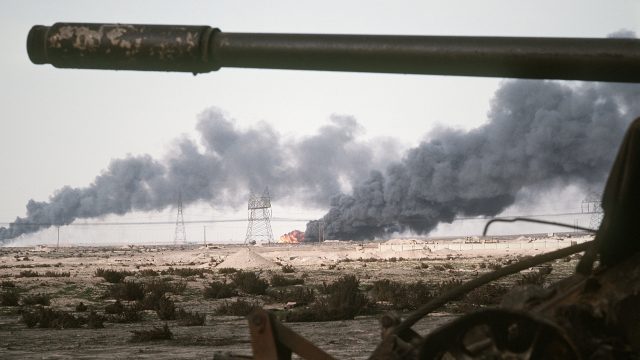
(Beyond Pesticides, May 22, 2026) On Memorial Day, those who served and died in the armed forces are remembered for their ultimate sacrifice. And the victims of war are memorialized. Of critical note are the effects of war, that extend beyond the battlefield to those who return home or remain in the aftermath with post-traumatic stress disorder (PTSD) and ultimately take their lives by suicide, as well as those exposed to deadly chemicals that caused premature death.
A 2022 study finds, “ VA [Veteran Affairs] patients with current or past diagnosis of PTSD have been found to have an unadjusted rate of 50.7 deaths by suicide per 100,000 person years of risk, compared to a rate of 13.2 in the general adult population.” This statistic can be evaluated in the context of a recent observational cohort study to be in print in August 2026 that focuses on exposure to toxic substances and suicidal thoughts and behaviors (STBs) through the analysis of data from 248,926 U.S. veterans enrolled in the Million Veteran Program (MVP). In comparing self-reported exposures to nine toxicants, including Agent Orange, chemical/biological weapons, anthrax vaccine, solvents/fuels, petroleum combustion products, lead, other metals, pesticides, and open-air burn pits, and mental health records, the researchers find that military veterans with higher toxic exposures are more likely to have STBs. The study, reviewed in Daily News, will be published in Psychiatry Research,
Exposure to organophosphates, used as a chemical weapon in the Gulf War, is linked to suicide. A study published in August 2024 in the journal Ecotoxicology and Environmental Safety has found that exposure to organophosphorus pesticides (OPPs) is correlated with increased suicidal thoughts in some people. This study is just the latest in a long line of studies from around the world that have linked pesticide exposure to mental health conditions, including sleep disorders, depression, and suicidal ideation (SI). Research finds a strong causal evidence that Gulf War Illness (GWI) is the result of exposure to sarin gas, an organophosphate nerve agent used as a chemical weapon during the Gulf War.
Findings, published in Environmental Health Perspectives, have important implications for the hundreds of thousands of American service members suffering from a constellation of chronic symptoms. “Quite simply, our findings prove that Gulf War illness was caused by sarin, which was released when we bombed Iraqi chemical weapons storage and production facilities,” said Robert Haley, MD, lead author of the study and epidemiologist at University of Texas Southwestern. (See Daily News.)
A literature review of military personnel links their toxic exposure to poorer mental health outcomes. The review, written by medical professionals and researchers throughout the U.S. and published in Medical Care, analyzes the existing literature on associations between military environmental exposures (MEEs) to contaminants, including pesticides, and mental health (MH) outcomes. “We used evidence mapping methodology to systematically search MEDLINE, Embase, PsycINFO, and PTSDpubs for studies of toxic exposure during military service and psychiatric outcomes, which included psychiatric diagnoses, psychiatric symptoms, and neurocognitive functioning,” the authors explain. The 49 studies in the review, covering chemical exposures for military members, involve chemical munitions from the Gulf War era and Agent Orange (the weed killer or defoliant) from the Vietnam War era that are associated with symptoms of depression, PTSD, and anxiety, among others. “Overall, available evidence suggests that veterans reporting environmental toxic exposures may report relatively high levels of mental health needs,” the researchers report.
Exposure to toxic chemicals also can lead to death after service members return home or victims remain in the aftermath of war. In passing The Sergeant First Class Heath Robinson Honoring Our Promise to Address Comprehensive Toxics Act of 2022 (PACT Act), Congress recognized that chemical exposure through burn pits used during the Iraq, Afghanistan, and other areas of the Southwest Asia theater of military operations, caused deadly diseases. In fact, President Biden attributed his son’s death from brain cancer in 2015 to his exposure to burn pits in Iraq during the war. Burn pits, a common practice, were open-air combustion of chemicals, tires, plastics, medical equipment, and human waste, according to the VA. The Department of Defense says it has closed most burn pits and is planning to close the remainder. PACT Act has a long list of presumptive conditions for deadly diseases, including but not limited to (see Military.com for expansive list here): Cancers of the brain, head, neck, and nervous system; Brain and nervous system disorders (i.e., Parkinson’s Disease); Sarcomas; Spinal cord cancers; Gastrointestinal cancers; Kidney cancers; Lymphomas; Melanomas; Pancreatic cancers; Reproductive cancers; Respiratory cancers; and, various non-cancer conditions (High blood pressure/hypertension, chronic obstructive pulmonary disease, pulmonary fibrosis, among others.)
From the Veterans Administration: Help Prevent Suicide; Know about suicide prevention resources:
- Visit the Suicide and Crisis Lifeline website.
- Call 988.
- For the Veterans Crisis Line, dial 1 after being connected.
While helping a suicidal person can be a difficult process, remember that the assistance you provide could save someone’s life. If you think someone may be suicidal, you can directly ask him or her. Contrary to popular belief, asking someone if they are suicidal will not put the idea in their head.
Often the most difficult part of obtaining treatment is the initial call to a mental health professional. It is usually easier for a suicidal individual to accept professional help if they have assistance with this part of the process. For help making referrals see Get Help in a Crisis.
All unattributed positions and opinions in this piece are those of Beyond Pesticides; featured image attribution: JO1 Gawlowicz, Public domain, via Wikimedia Commons.




