17
Jul
Ecological Psychiatry Study Explains Pesticide Induced Behavioral Changes to the Gut Microbiome-Brain Axis
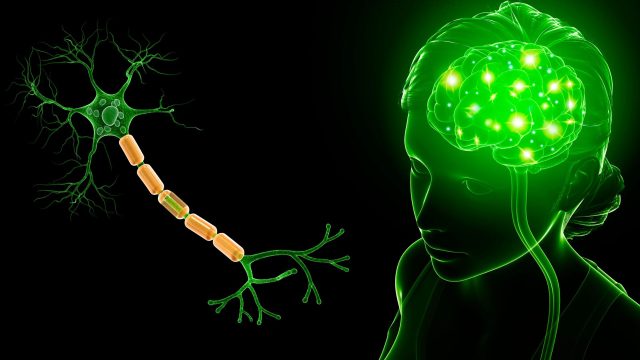
(Beyond Pesticides, July 17, 2026) It is now well established that frequent exchange of signaling between the brain and the gut is a crucial feature of human mental and physical health. External chemicals introduced through the digestive system affect the gut microbiome, which in turn influences the brain. Perhaps the most ubiquitous and pernicious bad actor in the large cast of pesticides shown to disrupt the gut-brain axis is the weed killer glyphosate. A team from the University of Cork in Ireland has published an innovative study whose results, while subtle, reaffirm that pesticides, and glyphosate in particular, affect behaviors in mice that are important for social relations, learning, and reproduction.
Numerous pesticides disrupting the gut-brain axis are implicated in immune disorders, neurodegenerative diseases, diabetes, autism spectrum disorder, and many other diseases. See Beyond Pesticides’ Gut-Brain-Axis Archives for more detail. Because of the mounting awareness of the gut-brain axis, a renewed focus in psychiatry on the behavioral consequences of exposure to environmental chemicals is emerging.
The study, published in the June 16 issue of Molecular Psychiatry, finds that the accepted reference dose of glyphosate affects male mice, increasing anxiety and altering social interactions, while female mice mostly move around less than the controls and show few changes in social behavior. The complexity of this study and the measurement tools used capture the subtle effects that are necessary to measure, but typically missed by regulatory review, when assessing the delicate balance that makes up the body’s chemistry.
The researchers conclude that “exposure to glyphosate at tested doses is sufficient to disrupt behavior and shift the gut microbial community….the glyphosate-remodeled microbiota specifically mediated the social behavioral disturbances, but not anxiety-like phenotypes, suggesting a primary role of the gut microbiota in these effects. Together, these results position the gut microbiota as a mechanistic link between environmentally relevant glyphosate exposure and altered social behavior, complementing prior association studies and extending them by demonstrating causality.”
The researchers note that while the experimental doses might not dramatically disrupt gut microbiota functions, the modestness of observed trends in the presence of Lactobacillus and Bifidobacterium, which are important producers of the short-chain fatty acids fundamental to health gut-brain communication “should not be interpreted as reassuring,” because even at that scale such disruptions could have “profound consequences for host neurobehavioral processes.”
Methodology
The experiment exposed four groups of mice (a control group and three dosage cohorts) to glyphosate in their drinking water for seven weeks and then put the mice through a standard battery of tests that reflect the animals’ responses to various stimuli, including exploration of closed and open spaces, openness to social interactions with familiar and unknown mice, forced swimming (response to stress), and marble burying (stereotypical behavior).
The lowest glyphosate dose in the study is the European Food Safety Authority’s acceptable daily intake of glyphosate, derived from the European Union’s No Observed Adverse Effect Level. The two higher doses represent 10 and 100-times that dose. After the seven-week administration period, the mice were sacrificed and a complex series of analyses conducted, including RNA and DNA from the mice’s fecal matter, transcriptomic mRNA sequencing (capturing the precise RNA messaging), and gut microbiome profiling. The researchers compare within-sample (such as an individual or related group) species microbial species richness and evenness of distribution (alpha diversity) and the same factors between individuals or groups (beta diversity). Lastly, the researchers take a second group of untreated mice, administer antibiotics to reduce their native microbiomes, and transplant fecal matter from the groups of treated mice. The various genetic analyses are then compared between the fecal samples from the original experimental group and the group treated by fecal transfer.
Findings
The results are far more subtle than the typical results of large-dose toxicological protocols. For example, there were no treatment-dependent changes in body weight gain; females showed slight differences in the amounts of water they drank; in males, spleens were smaller in the middle dose group. Corticosteroid levels during the stress test were the same across all treatment groups and between the sexes.
In the dose group corresponding to the regulatory limit, males preferred to interact with a mouse they were related to than with an inanimate object. The researchers interpret this behavior to indicate “a disrupted social novelty preference due to glyphosate exposure.” In the test involving a mouse placed in an open square space, the low- and high-treatment males stayed out of the center and covered less territory, indicating heightened anxiety; but in the plus-shaped maze, they exhibited normal behavior.
The researchers also examined gene transcription in the amygdala, associated with emotional equilibrium, and found altered regulation in all three dosage groups, with the high-dose showing the largest number of alterations, and these were consistent with the observed male behaviors.
In the male microbiomes, there were no significant differences in alpha diversity across treatment groups, but in beta diversity, between-group differences in community composition was “significantly altered.” Lactobacillus strains increased and Shigella dysenteriae strains decreased. Other changes in community composition included small increases and decreases in strains that produce important short-chain fatty acids, crucial for proper gut-brain communication.
In the female mice, the most notable change was “a decrease in locomotion only in the high-dose group,” with no other behavior changes, although the researchers note that the control group did not behave quite as expected, so these results are ambiguous. In the social behavior tests, only the females in the medium-dose group were interested in unfamiliar mice. With respect to the female microbiome, no change was observed in alpha diversity, but in the beta analysis, two strains, Methylobacterium radiotolerans and Asanoa ferruginea) increased significantly at high doses and one other strain decreased across medium and high doses.
The analysis of the fecal transplant groups’ microbiota similarly saw no changes in the usual measures, but in the males the social behaviors did transfer. This was the only measure that appeared to be replicated in the mice receiving the glyphosate-altered microbiomes. The authors did not speculate on the possible causes of the differences in responses between the sexes, but further research may indicate the mechanisms by which males’ social behaviors are affected by pesticides’ effects on their microbiomes.
And while the changes in the gut microbiome were not sharply dramatic, they suggest that the overall community reorganization, rather than rises or falls in specific strains or species, is affected by glyphosate exposure. The authors suggest “cross-protection and cross-sensitization among microbial members” may change the community’s “collective metabolic and functional capacity.” These, in turn, “can result in loss or gain of function at the ecosystem level” and that such “community-level reorganization may be influencing host neurobehavioral processes.”
Ecological Psychiatry
The term “ecological psychiatry” was introduced in the late 1970s by the American Psychiatric Association, according to a 2019 comment by Ukrainian researchers in Clinical Neuropsychiatry. They noted that it took 20 years for the idea to develop before interest declined in the late 1990s, but they suggested “the time seems ripe for a revival of the ecopsychiatry/econeuropsychiatry concepts, as gene-environment interactions and epigenetic changes are considered crucial in our understanding of mechanisms of different psychopathology.”
The authors of the present study support the further development of ecological psychiatry to recognize the importance of the balance of biological influences on human mental health, and the increasing detrimental effects of xenobiotics, which can increase our susceptibility to neuropsychiatric disorders. One way to decrease that susceptibility is to go organic as much as possible in food consumption, gardening, landscaping, residential air quality, and other practices that expose people to pesticides.
All unattributed positions and opinions in this piece are those of Beyond Pesticides.
Sources:
Towards ecological psychiatry: The herbicide glyphosate disrupts behavior through microbiota-gut-brain axis
Matsuzaki et al
Molecular Psychiatry 2026
https://www.nature.com/articles/s41380-026-03693-2
Gut-Brain-Axis Archives
https://beyondpesticides.org/dailynewsblog/tag/gut-brain-axis/
Study Elevates the Connection Between Pesticides, the Gut-Brain Axis, and Disease
Beyond Pesticides, June 27, 2023
https://beyondpesticides.org/dailynewsblog/2023/06/study-elevates-the-connection-between-pesticides-the-gut-brain-axis-and-disease/
Glyphosate Exposure Linked to Behavioral and Gut Health Concerns in New Studies
Beyond Pesticides, November 15, 2023
https://beyondpesticides.org/dailynewsblog/2023/11/glyphosate-exposure-linked-to-behavioral-and-gut-health-concerns-in-new-studies/
Behind the Numbers Linking Pesticides to Neurological Disorders, the World’s Largest Source of Disability
Beyond Pesticides, July 29, 2025
https://beyondpesticides.org/dailynewsblog/2025/07/behind-the-numbers-linking-pesticides-to-neurological-disorders-the-worlds-largest-source-of-disability/
Emerging role of the host microbiome in neuropsychiatric disorders: overview and future directions
Hashimoto
Molecular Psychiatry 2023
https://www.nature.com/articles/s41380-023-02287-6.pdf
ECOLOGICAL PSYCHIATRY/NEUROPSYCHIATRY: IS IT THE RIGHT TIME FOR ITS REVIVAL?
Loganovsky et al.
Clinical Neuropsychiatry 2019
https://www.clinicalneuropsychiatry.org/download/ecological-psychiatry-neuropsychiatry-is-it-the-right-time-for-its-revival/
Sex dependent impact of Roundup on the rat gut microbiome.
Lozano et al.
Toxicol Rep. 2017
https://www.gmoseralini.org/wp-content/uploads/2018/01/Lozano-et-al.-Tox.Rep_.2017.pdf
The evidence of human exposure to glyphosate: a review
Gillezeau et al.
Environmental Health 2019
https://pmc.ncbi.nlm.nih.gov/articles/PMC6322310/