





27
Oct
Beyond Pesticides Campaigns to Stop Use of Toxic Sewage Sludge (Biosolids) Fertilizer, Transition to Organic
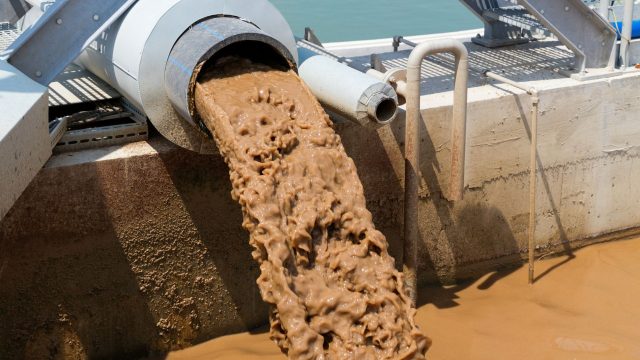
(Beyond Pesticides, October 27, 2025) With the confluence of science and law, the spotlight is on sewage sludge fertilizer and its contaminants, including per- and polyfluoroalkyl substances (PFAS). Sewage sludge (biosolids) is a byproduct of sewage treatment and is used as a source of organic matter for amending soil in nonorganic agriculture and landscaping. In light of a recent settlement in a lawsuit filed by Beyond Pesticides against ScottsMiracle-Gro, ongoing litigation against GreenTechnologies, LLC, and a major study identifying 414 contaminants of emerging concern (CECs), Beyond Pesticides’ network is calling on Governors and local officials to ban the use of biosolids on farms and parks, until there is adequate testing of toxic residues—which does not currently exist.
The lawsuits against producers of sewage sludge fertilizer cite test results showing PFAS residues in the companies’ products and numerous scientific studies on the adverse effects of PFAS to public health, wildlife, and pollinators. (See settlement statement recently reached with ScottsMiracle-Gro.)
A literature review published in Frontiers in Environmental Chemistry identifies CECs in soils, untreated and treated sewage sludge (biosolids), and dust, across 151 peer-reviewed studies released between 2018 and 2023—emphasizing the range of potential exposure pathways across various products, including classes of pesticides like neonicotinoid insecticides. In Scientific Reports, researchers report their test results of biosolids-treated farmland in southeastern Pennsylvania that detected 14 different PFAS (per- and polyfluoroalkyl substances) above the limit of quantification (LOQ). This means that not only were they detectable, but also high enough in concentration to confirm contamination at a significant concentration.
The U.S. Environmental Protection Agency (EPA) has published a list of 726 chemicals found in biosolids in the National Sewage Sludge Surveys. This list does not include PFAS, which are emerging contaminants of biosolids. Sewage sludge (biosolids) is prohibited from use in certified organic agriculture under the Organic Foods Production Act.
Despite dramatic findings of contaminants, EPA classifies the biosolids typically used by gardeners, municipalities, golf courses, and farmers as Class A, “virtually free of pathogens and can be applied without any site-specific restrictions.” Class B biosolids, used in agriculture and land reclamation, may contain pathogens, thus EPA stipulates restrictions on use.
In addition to PFAS, persistent toxic pollutants found in biosolids include inorganic chemicals such as metals and trace elements; chemicals such as polychlorinated biphenyls or PCBs, dioxins, pharmaceuticals, and surfactants; and pathogens including bacteria, viruses, and parasites. Regulation of biosolids by EPA has been found by the EPA Office of Inspector General (OIG) to be inadequate. Lacking sufficient oversight at the federal level, states and local jurisdictions must act to eliminate the hazards created by these contaminants.
Land application of biosolids to farms and landscapes is considered the standard means of “disposal.” Chemicals such as PFAS have been found to migrate into food when grown on farms using contaminated biosolids. Over 60% of biosolids are used in crops, and the contaminants in them make their way into food and water. If biosolids are used in landscaping, the contaminants pose a hazard to landscapers and those using athletic fields and parks. In view of EPA’s failure to provide comprehensive identification, regulation, and elimination of potential contaminants, public health and environmental advocates are calling for the testing of biosolids to ensure safety and a prohibition of use on farms and landscapes without a finding that they are untainted. Of concern is acute toxicity, cancer, genetic mutations, birth defects, reproductive or developmental effects, neurotoxicity, endocrine disruption, or immune system effects. Otherwise, they should not be used on farms or landscapes.
Beyond Pesticides’ campaign against sewage sludge (biosolid) fertilizer use urges the public to: Tell their Governor and local officials to ban the use of biosolids on farms and parks, until there is adequate testing of toxic residues—which does not currently exist.
Letter to Governor and local officials
Sewage sludge, also known as biosolids, is a byproduct of sewage treatment and is used as a source of organic matter for amending soil in nonorganic agriculture and landscaping. The U.S. Environmental Protection Agency (EPA) has published a list of 726 chemicals found in biosolids in the National Sewage Sludge Surveys. This list does not include the per- and polyfluoroalkyl substances (PFAS), which are emerging contaminants of biosolids. A recent study published in Frontiers in Environmental Chemistry identifies 414 contaminants of emerging concern (CECs) in soils, untreated and treated sewage sludge (biosolids), and dust, across 151 peer-reviewed studies released between 2018 and 2023, emphasizing the range of potential exposure pathways across various products, including classes of pesticides like neonicotinoid insecticides, in conventional farm and land management. Sewage sludge (biosolids) is prohibited from use in certified organic agriculture under the Organic Foods Production Act.
The claim that biosolids-containing fertilizer products are “as eco-friendly” and “sustainable” was challenged in two consumer protection lawsuits in Washington, DC Superior Court against The Miracle-Gro Company and GreenTechnologies, LLC in October 2024. The complaints cite test results showing PFAS residues in the companies’ products and numerous scientific studies on the adverse effects of PFAS to public health, wildlife, and pollinators.
Despite dramatic findings of contaminants, EPA classifies the biosolids typically used by gardeners, municipalities, golf courses, and farmers as Class A, “virtually free of pathogens and can be applied without any site-specific restrictions.” Class B biosolids, used in agriculture and land reclamation, may contain pathogens, thus EPA stipulates restrictions on use.
In addition to PFAS, persistent toxic pollutants found in biosolids include inorganic chemicals such as metals and trace elements; organic chemicals such as polychlorinated biphenyls or PCBs, dioxins, pharmaceuticals, and surfactants; and pathogens including bacteria, viruses, and parasites. Regulation of biosolids by EPA has been found by the EPA Office of Inspector General (OIG) to be inadequate. Lacking sufficient oversight at the federal level, states and local jurisdictions must act to eliminate the hazards created by these contaminants.
Land application of biosolids to farms and landscapes is considered the standard means of “disposal.” Chemicals such as PFAS have been found to migrate into food when grown on farms using contaminated biosolids. Over 60% of biosolids are used in crops, and the contaminants in them make their way to our food and water. If biosolids are used in landscaping, the contaminants pose a hazard to landscapers and those using athletic fields. In view of EPA’s failure to provide comprehensive identification, regulation, and elimination of potential contaminants, the biosolids themselves must be tested to ensure safety. Biosolids should be tested to ensure that they do not cause acute toxicity, cancer, genetic mutations, birth defects, reproductive or developmental effects, neurotoxicity, endocrine disruption, or immune system effects. Otherwise, they should not be used on farms or landscapes.
Thank you for your attention to this urgent issue.
All unattributed positions and opinions in this piece are those of Beyond Pesticides.
For discussion of eco-sensitive, health protective practices that are cost effective, consider attending Beyond Pesticides’ 42nd National Forum Series, The Pesticide Threat to Environmental Health: Advancing Holistic Solutions Aligned with Nature, which begins on October 29, 2025, 1:00-3:30pm (Eastern time, US) with a focus on aligning land management with nature in response to current chemical-intensive practices that pose a threat to health, biodiversity, and climate. The virtual Forum is free to all participants. Register here or by clicking on the banner below!
Source
Beyond Pesticides v. The ScottsMiracle-Gro Company
Beyond Pesticides v. GreenTechnologies, LLC





Sewage sludge, also known as biosolids, is a byproduct of sewage treatment and is used as a source of organic matter for amending soil in nonorganic agriculture and landscaping. The U.S. Environmental Protection Agency (EPA) has published a list of 726 chemicals found in biosolids in the National Sewage Sludge Surveys. This list does not include the per- and polyfluoroalkyl substances (PFAS), which are emerging contaminants of biosolids. A recent study published in Frontiers in Environmental Chemistry identifies 414 contaminants of emerging concern (CECs) in soils, untreated and treated sewage sludge (biosolids), and dust, across 151 peer-reviewed studies released between 2018 and 2023, emphasizing the range of potential exposure pathways across various products, including classes of pesticides like neonicotinoid insecticides, in conventional farm and land management. Sewage sludge (biosolids) is prohibited from use in certified organic agriculture under the Organic Foods Production Act.
October 27th, 2025 at 5:22 pmwe need to get these poisons out of our lives
October 27th, 2025 at 7:42 pm