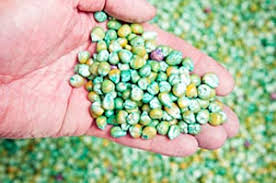
Pesticide-coated (or treated) seeds.
(Beyond Pesticides, September 20, 2019) The actual utility of pesticides to achieve their purported goals is an under-recognized failing of the regulatory review of pesticide compounds for use. A study published in Scientific Reports now exposes the faulty assumptions underlying the use of neonicotinoids — the most widely used category of insecticides worldwide. The study demonstrates that use of neonicotinoids (neonics) to treat seeds — a very common use of these pesticides — actually provides negligible benefits to soybean farmers in terms of yield and overall economic benefit. The U.S. Environmental Protection Agency (EPA) should take notice, and consider that efficacy ought to have a role in the agency’s evaluation of pesticides for registration.
Neonicotinoids are systemic pesticides that move through a plant’s vascular system and are expressed in pollen, nectar, and guttation droplets (drops of sap exuded on the tips or edges of leaves of some vascular plants). They can also persist in the environment — in soil and water — for extended periods. Neonics are applied to seed, as well as to crop soils and to plant foliage. Corn and soybean seed treatments represent the largest uses of neonics in the U.S.: for somewhere between 34% and 50+% of the soybean crop and for nearly all field corn. This contrasts dramatically with metrics from the decade prior to the introduction of neonics to the marketplace, when a mere 5% of soybean acreage was treated with insecticides. The pesticide is also applied liberally to cotton, oilseed rape, sugar beet, vegetable, and pome, stone, and citrus fruit crops.
Neonicotinoids have come under intensive scrutiny in the past decade because of their persistence in the soil, ability to leach into the environment, high water solubility, and potential negative health implications for non-target organisms such as pollinators — especially bees of all sorts — as well as butterflies, bats, and birds. Indeed, a recent Science publication from researchers in Canada demonstrates that “low-level neonic exposure may delay the migrations of songbirds and harm their chances of mating.” Beyond Pesticides’ video, Seeds That Poison, offers a succinct primer on the dangers of neonic-coated seeds.
The subject study examined a variety of factors in determining neonic efficacy, including weather patterns, soil pH, precipitation, pest abundance and timing, and yield for three experimental groups: soybeans treated with fungicides only, those treated with fungicides and neonicotinoids, and an untreated control group. Despite broad use, the practice of using fungicide-plus neonicotinoid seed treatment appears to have negligible benefit for most soybean producers. The researchers write, “These results demonstrate that the current widespread prophylactic use of NST [neonicotinoid seed treatment] in the key soybean-producing areas of the U.S. should be re-evaluated by producers and regulators alike.”
This new research finding underscores Beyond Pesticides’ advocacy against neonic seed treatment, and duplicates some of the findings of a 2014 EPA report, which said that use of treated soybean seed provided little-to-no overall benefit in controlling insects or improving yield or quality in soybean production. The researchers in this recent study analyze data across 14 soybean-producing states and a 12-year period, and conclude that not only does their investigation provide no empirical evidence for the use of neonic-coated seeds, but also, beyond that, the data suggest that the approach yields “little to zero net benefit in most cases.”
Co-authors cite the lack of observed pest management benefits of planting treated seeds, and note that there is a disconnect between perceived crop vulnerability and neonicotinoid utility: “throughout most soybean-producing regions of the U.S., the period of pest protection provided by [use of neonic-treated seeds] does not align with [the presence of] economically significant pest populations. Absent economic infestations of pests, there is no opportunity for this plant protection strategy to provide benefit to most producers.”
Relative to the benefits of neonics for growers, the researchers cite other recent studies that have reported “weak relationships between NST use and effectiveness in preserving crop yield.” They continue: “A recent multi-state study of management tactics for the key pest in the [Midwest] region, the soybean aphid . . . demonstrated that crop yield benefits and overall economic returns were marginally affected by NST.”
The study did not address an additional issue inherent in the question of efficacy: because of the well-documented issue of resistance that develops in chemical-intensive monocultural agriculture, what may be effective in one growing season is unlikely to work in subsequent years because of the resistance that inevitably develops in the target organism.
The researchers also point to one of the alarming and infamous impacts of neonics: “Aside from the fact that a farmer may be incurring unnecessary input costs, a growing body of research suggests that the use of NST in this manner can lead to a host of negative effects upon non-target organisms. It has been reported that neonicotinoids are increasingly detected in terrestrial and aquatic environments. Furthermore, studies in the U.S. and elsewhere have evaluated impacts of neonicotinoid on nontarget organisms such as honey bees wild bees, monarch butterflies, vertebrates, terrestrial and aquatic invertebrates, and overall declines in ecosystem function.”
Additionally, they note that the critical soybean-producing states represented in their study, North Dakota, South Dakota, and Minnesota, rank 3rd, 4th, and 5th, respectively, in numbers of honey bee colonies — many of those migratory colonies used for pollination of key fruit and nut crops. The co-authors conclude, “This presents a key intersection between NST exposure and our principal managed pollinator species with demonstrated sensitivity to this class of compounds.”
This research adds to the evidence of EPA’s inadequate registration process for pesticides: the agency has interpreted the foundational legislation for pesticide registration — the Federal Insecticide, Fungicide and Rodenticide Act (FIFRA) — as not requiring it to conduct review of pesticide efficacy. Presumably, efficacy would be considered a benefit. It strains credulity to maintain that the FIFRA mandate — to evaluate the risks of pesticide use compared with any of its benefits — can be fulfilled without any assessment of the benefit of the use of a pesticide might be. (See EPA assertion of neonic seed treatment “benefits” here.)
As noted in May 2018 by Beyond Pesticides’ Daily News Blog, “EPA does not review manufacturer data on pesticide efficacy, even though the statutory registration standard requires weighing the risks of pesticides against their benefits. Without efficacy information, the real benefits of a pesticide are unknown, and the reasonableness of pesticide use cannot be assessed. The lack of efficacy data review results in escalating and predictable insect and weed resistance, unnecessarily increases in pesticide use, and putting farmers at risk of crop loss and economic damage. The only instance in which EPA evaluates pesticide efficacy is as a part of public health (not agricultural) pesticide registrations, and even this is without public disclosure or opportunity for comment.”
EPA has taken the position, viewed as irresponsible by advocates, that the marketplace determines efficacy, and that farmers (and consumers) would abandon pesticide products if they did not work. But in real life, absent meaningful independent assessment, farmers use pesticide products on huge swaths of cropland largely on the basis of agrochemical marketing claims. This situation is all the more disturbing because neonics, and many other pesticides, are toxic substances that can cause harmful effects.
Contrast with EPA’s negligence on the “efficacy front” what the Organic Foods Production Act mandates for all organically produced foods: that synthetic a substance or input “approved for organic production” be deemed essential for organic productivity. This criterion is considered in addition to any adverse effects of a subject substance and its compatibility with organic agriculture.
The transition to organic agriculture, land management, and nontoxic or least-toxic pest control strategies, which would obviate issues of pesticide efficacy, is the task at hand. Evidence continues to grow: organic, regenerative, and ecologically based farming approaches can generate not only healthier soils and crops, but also, competitive yields compared to those of conventional, chemical agriculture. A recent study from American Farmland Trust (AFT) shows that such “healthy soil” practices also generate real ROI — return on investment.
The AFT research project followed two corn and soybean farmers (from Illinois and Ohio), a New York farmer growing sweet corn, alfalfa, and corn for silage or grain, and a California almond grower over a number of years. All of them employed various regenerative practices, such as crop rotation, no-till, cover cropping, and composting that garnered soil and environmental benefits, including average reductions of: 54% in nitrogen losses; 81% in phosphorous losses; 85% in sediment losses; and 379% in total greenhouse gases from the test fields. Beyond those outcomes, the stellar economic results included: average increased yields of 12%; average net income increase of $42 per acre per year (with a whopping average increase for the almond grower of $657 per acre per year); and ROI ranging from 35% to 343%. Those are numbers with which any farmer would be thrilled.
To help move the nation and world to organic and regenerative approaches that benefit producers, consumers, and the environment, follow Beyond Pesticides’ coverage of organics; engage with its Action of the Week; check out its Tools for Change; and consider joining the organization as one more way to advocate for the transition away from chemical agriculture. A better, less-toxic world is possible.
All unattributed positions and opinions in this piece are those of Beyond Pesticides.
Source: https://www.nature.com/articles/s41598-019-47442-8






 (Beyond Pesticides, October 15, 2019) EPA is requesting comment on its proposal to require data that will help it determine synergistic effects of some pesticides. EPA has received on a pressure on a number of fronts, including a report by the Center for Biological Diversity, a report by its own Inspector General, a letter from 35 Congressional Representatives, and research pointing to the unavoidability of synergistic effects—the chemical combinations that cause greater effects when mixed together than the sum of the individual chemical effects. Despite all of the evidence that synergism is the rule rather than the exception, EPA’s consideration focuses on a narrow range of cases in which pesticide product patents make claims of synergy.
 (Beyond Pesticides, October 11, 2019)
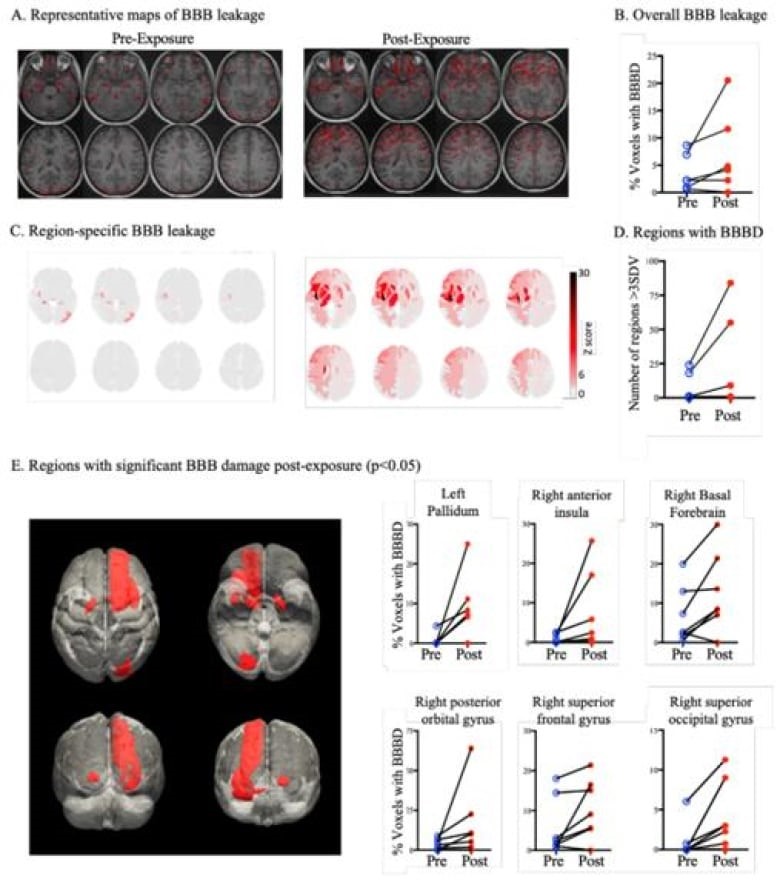
  (Beyond Pesticides, October 10, 2019) Mysterious vaping illnesses across the country could be related to pesticide exposure, among other contaminants in black-market marijuana vaping products. To date, there have been 23 deaths from vaping-related illness, and about 1,100 cases of the illness nationwide. Yesterday, a
  (Beyond Pesticides, October 9, 2019) Pesticide industry propaganda promoting the safety of glyphosate-based herbicides took another hit last month, as a study published by an international team of researchers found the chemical had the potential to induce breast cancer when combined with other risk factors. The study,
  (Beyond Pesticides, October 8, 2019) As medicinal and recreational marijuana continue to be legalized in a growing number of states, concerns about the safety of the burgeoning industry—how the substance is grown, harvested, processed, distributed, sold, and used—have emerged. Pesticides have not been registered for use in cannabis production, yet they are being widely used under state-adopted enforcement levels that imply safety, but not subject to any standard of review that meets pesticide registration standards.
 (Beyond Pesticides, October 4, 2019) A Circuit Court
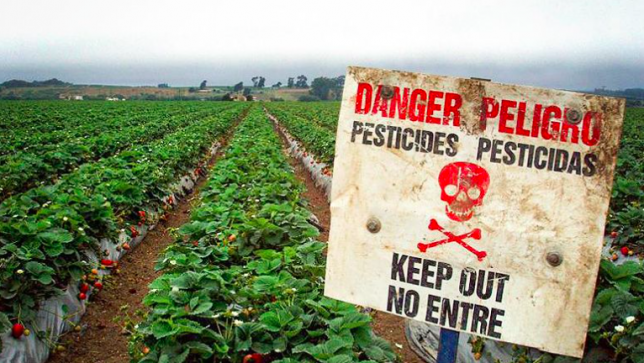 (Beyond Pesticides, October 2, 2019) New data gleaned from the Kuakini Honolulu Heart Program — a longitudinal study of men of Japanese descent living on Oahu —
  (Beyond Pesticides, October 1, 2019) Commonly used fungicides induce trophic cascades that can lead to the overgrowth of algae, according to research published in the journal
  (Beyond Pesticides, September 30, 2019) A warm thank you to all who have sent in comments for the Fall 2019 National Organic Standards Board (NOSB) meeting. We are sending out a second reminder so that those who have not commented can take this opportunity to do so. If you have already submitted, we encourage you to make a second round of comments to make sure your voice is heard!
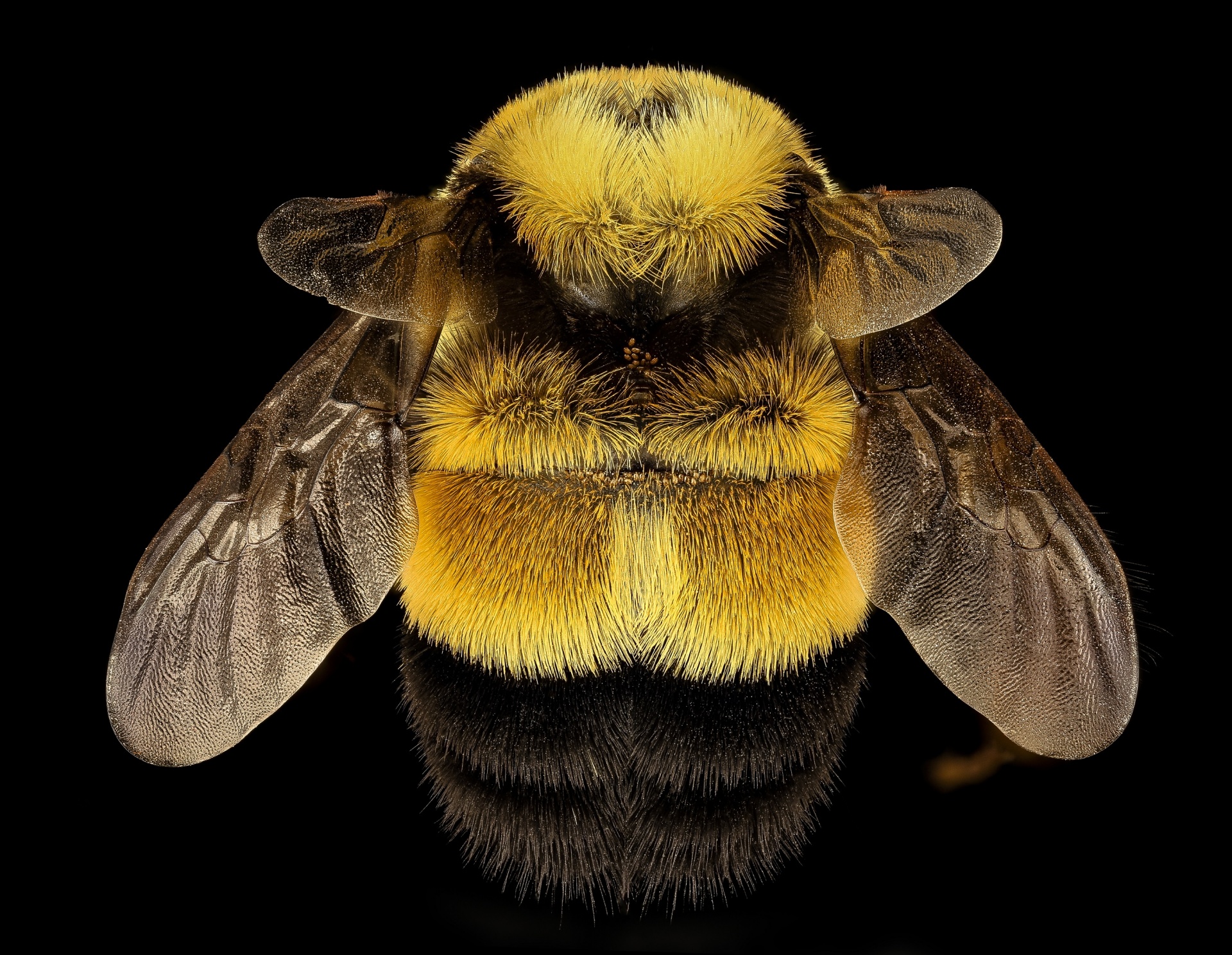 (Beyond Pesticides, September 27, 2019) The U.S. Fish and Wildlife Service (USFWS) will be required to protect the habitat of the






 (Beyond Pesticides, September 24, 2019) “Over increasingly large areas of the United States, spring now comes unheralded by the return of the birds, and the early mornings are strangely silent where once they were filled with the beauty of bird song,” Rachel Carson wrote in Silent Spring in 1962. New research finds that quote has held true since it was written. Over three billion birds, or 29% of 1970s abundance have been lost in North America over the last 50 years.
 (Beyond Pesticides, September 23, 2019) Your voice is making a difference! Last month, thousands of individuals took action through Beyond Pesticides and other environmental groups to express concern to their federal lawmakers about the Trump Administration’s assault on the Endangered Species Act (ESA). In response, U.S. Representatives Grijalva, Beyer, and Dingell in the House, and Senator Udall in the Senate have introduced the

 (Beyond Pesticides, September 17, 2019) The poisonous farm fields migratory birds forage on during their journey reduce their weight, delay their travel, and ultimately jeopardize their survival, according to new research published in the journal
 (Beyond Pesticides, September 13, 2019)
  (Beyond Pesticides, September 12, 2019) This September, adults will join in


