





11
May
Public Health Advocates Call for Review of Adverse Synergistic Effects of Pesticides, Ignored by Regulators
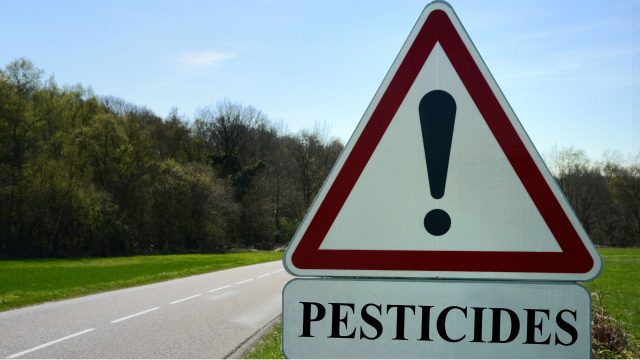
(Beyond Pesticides, May 11, 2026) As studies stack up on adverse synergistic effects of chemical mixtures, serious deficiencies in the regulatory review of pesticides have come into sharp focus. As the hazards are shown to escalate and the regulatory review process is shown to fall short, public health advocates are telling Congress, the U.S. Environmental Protection Agency, and the Department of Health and Human Services that they must consider the effects of pesticides in the context in which they are used and with reference to the organic alternative.
A recent study in Toxics reviewed the current literature on pesticides, microplastics, or metal exposure in combination with per- and polyfluoroalkyl substances (PFAS) on aquatic vertebrates and invertebrates, finding that PFAS can modify, including intensify, the toxicity of co-occurring pollutants.
A commentary in Frontiers in Toxicology, by Maricel Maffini, PhD, and Laura Vandenberg, PhD, notes, “Current approaches also rely on the assumption that testing chemicals one at a time is appropriate to understand how chemicals act under real-world conditions. Numerous mixture studies, including ones that demonstrated cumulative effects, have disproven this assumption.”
As noted by the naturalist, writer, and conservationist John Muir, known as the “Father of the National Parks,” and those before and after him, including the English poet John Donne, who wrote “No Man is an Island” in 1624, all life is interconnected. As a result, synergism is the rule, rather than the exception. John Muir put it succinctly: “When we try to pick out anything by itself, we find it hitched to everything else in the universe.”
Examples of synergistic effects of pesticides abound.
- The presence of Varroa mites in combination with the neonicotinoid insecticide imidacloprid increases the risk of bee mortality and disrupts the larval gut microbiome, according to a study of the synergy between the parasitic mite Varroa destructor and imidacloprid. An article in Entomology Today, a publication of the Entomological Society of America, highlights the important findings of a study published earlier this year in the Journal of Insect Science. While there has been debate on whether neonicotinoid (neonic) insecticides or Varroa mites are more detrimental to the survival of bees, evidence suggests that neonicotinoids are not only harmful individually but can increase vulnerability to parasitism from mites in western honey bees (Apis mellifera).
- A review in Clinical and Experimental Obstetrics & Gynecology analyzes studies linking exposure to environmental contaminants with adverse effects to women’s reproductive health. The chemical classes within the review include plasticizers, PFAS, heavy metals, pesticides, organophosphate flame retardants (OPFRs), polychlorinated biphenyls (PCBs), volatile organic compounds (VOCs), microplastics, quaternary ammonium compounds (QACs), and polycyclic aromatic hydrocarbons (PAHs), many of which are related to chemical-intensive land management and can exacerbate health effects through additive or synergistic effects, like microplastics when in contact with petrochemical pesticides and synthetic fertilizers.
- The scientific literature shows that microplastics (MPs) and pesticides, both ubiquitous throughout the environment, have synergistic effects that threaten aquatic organisms. The most recent study to demonstrate this, published in Ecotoxicology, focuses on the impacts of MPs and chlorpyrifos (CPF), a widely used organophosphate insecticide, on cladocerans, a group of microcrustaceans. A literature review of over 90 scientific articles in Agriculture documents that MPs increase the bioavailability, persistence, and toxicity of pesticides used in agriculture. In analyzing the interactions between neonicotinoid pesticides (NNPs) and MPs, a recent study in The Science of The Total Environment finds that neonicotinoids, such as thiacloprid (THI), become more bioavailable in soils containing traditional and biodegradable plastics. Increased bioavailability, which quantifies the extent to which organisms are exposed to chemicals in soil or sediment, puts soil microbiota at risk, and leaves all consumers susceptible to adverse effects in contaminated food crops.
- A study in Royal Society Open Science shows intraspecific differences (between individuals of a species) in wild bumblebees (Bombus vosnesenskii) exposed to an herbicide (glyphosate), a fungicide (tebuconazole), and an insecticide (imidacloprid), with gut microbiome health as a factor. The authors conclude, “These findings suggest that site-specific factors influence pesticide sensitivity and should be considered in ecotoxicological studies of wild bees.”
- Researchers studying a mass mortality event of approximately 200 monarch butterflies (Danaus plexippus plexippus) in Pacific Grove, California, point out that there are additional issues in assessing risks to species since “available toxicity values are based on exposure to a single active ingredient, whereas all the sampled monarchs contained residues of multiple pesticides.” Exposure to multiple pesticides can result in additive or synergistic effects, which then enhance toxicity, as has been demonstrated in many studies of pollinator species.
- A common soil arthropod has clearly illustrated how this convergence creates synergistic effects: warming increases pesticide toxicity; pesticide toxicity triggers antibiotic resistance; antibiotic resistance spreads through horizontal gene transfer (movement through the environment to people), and predation.
- Published in Environmental Pollution, a study of commercial dry pet products finds dietary pesticide residues in dog and cat food, “highlighting the urgent need for improved regulatory frameworks to address the presence of non-approved pesticides in pet food.” Additionally, the researchers point out: “Current regulatory frameworks primarily assess the toxicity of individual pesticide compounds, yet real-world exposure involves complex mixtures that may lead to additive or synergistic effects. The presence of multiple residues in a single sample suggests that companion animals may be subjected to combined toxicological burdens that are not yet fully understood.”
- A recent study published in Foods assesses the ability of the fungicide azoxystrobin (AZX) and naturally occurring toxins produced by certain fungi, known as mycotoxins, to display effects of cytotoxicity (cell damage). These effects were evaluated using three common mycotoxins found in food, including ochratoxin A, deoxynivalenol, and T-2 toxin as mixtures with AZX within human hepatocarcinoma cell cultures. In analyzing combinations of these compounds at sublethal concentrations, the authors find modified toxicological behavior and synergistic effects that highlight the complexities of chemical mixtures, and potential threats to liver health through dietary exposure to both toxicants and toxins, which are not adequately regulated for their interactions.
- Study results published in Pesticide Biochemistry and Physiology “suggest that combined [pesticide] exposure may further amplify the toxicity and compromise the intestinal barrier.”
- A study in GeoHealth of pediatric cancers in Nebraska links exposure to agricultural mixtures with the occurrence of these diseases. The authors find statistically significant positive associations between pesticide usage rates and children with cancer, specifically brain and central nervous system (CNS) cancers and leukemia.
- A study in Chemosphere, conducted by researchers from the Institute of Biochemistry and Molecular Biology in Germany, reveals the varied lethal and sublethal effects of different mixtures of the weed killer glyphosate through tests on the South African clawed frog, Xenopus laevis. After exposing embryos to four glyphosate formulations, mortality, morphological defects, altered heartbeat rate, and impaired heart-specific gene expression are observed.
- In their recent publication in Environmental Pollution, researchers from the Helmholtz Centre for Environmental Research in Leipzig, Germany, find the greatest synergistic effects when Daphnia magna are subjected to the insecticide esfenvalerate under conditions experienced with climate change.
- In a study published in Biomedicines, the authors conduct a multi-behavioral evaluation of the effects of three pesticides, both individually and as mixtures, on larvae. The authors state, “Even at low concentrations, pesticides can negatively affect organisms, altering important behaviors that can have repercussions at the population level.” By analyzing effects on individual zebrafish with single compounds and mixtures, this study shows the dangers of pesticides in aquatic systems regarding synergy and the ripples created throughout entire ecosystems.
Other studies highlight the need for a broader overhaul of the current regulatory review to address critical flaws in EPA’s current ecological risk assessment process.
- A November 2023 European study published in Nature demonstrates that relying on testing one active ingredient in a laboratory setting misses real-world impacts of pesticides on bees, nontarget pollinators; and, a “landscape-level” study finds that typical risk assessment reviews used by EPA and European regulators fail to “safeguard bees and other pollinators that support agricultural production and wild plant pollination.” The authors’ conclusions challenge “the current assumption of pesticide regulation—that chemicals that individually pass laboratory tests and semifield [contained outdoors] trials are considered environmentally benign” and call into question EPA’s current regulatory assessments based on the western honey bee and its failure to adequately regulate mixtures of chemicals to which organisms are exposed in the real world as well as the actual devastating impacts to pollinators from the ubiquitous neonicotinoids.
- A study published in Conservation Letters, a journal of the Society for Conservation Biology, exposes critical shortcomings in the U.S. Environmental Protection Agency’s (EPA) ecological risk assessment (ERA) process for modeling the risks that pesticides pose to bees and other pollinators. For the study, “Risk assessments underestimate threat of pesticides to wild bees,” researchers conducted a meta-analysis of toxicity data in EPA’s ECOTOX knowledgebase (ECOTOX), an EPA-hosted, publicly available resource with information on adverse effects of single chemical stressors to certain aquatic and terrestrial species. The meta-analysis found that the agency’s approach, which relies heavily on honey bee data from controlled laboratory studies, drastically underestimates the real-world threats from neonicotinoid insecticides (and likely other pesticides) to native bees and other pollinators. The study “challenges the reliability of surrogate species as predictors when extrapolating pesticide toxicity data to wild pollinators and recommends solutions to address the (a)biotic interactions occurring in nature that make such extrapolations unreliable in the ERA process.”
Since interactions and synergism are the rule, pesticides cannot be evaluated on the basis of single-chemical, single-species tests. Public health advocates maintain that they must be evaluated in context—that is, the system of chemical-dependent management of crops, landscapes, and structures must itself be questioned. They also point to the availability of an alternative system—regenerative organic production and land management—that is both successful and a suitable standard of comparison, saying the only way to truly protect pollinators, insects, birds, and other species, as well as the biosphere as a whole, is to stop the use of toxic pesticides completely. Continuing, they say that converting the world’s agricultural systems to organic would have a tremendous positive impact on threatened populations.
Beyond Pesticides is urging the public to: Tell EPA, FDA, and Congress that regulations must consider the effects of pesticides in the context in which they are used and with reference to the organic alternative.
Letter to the U.S. Congress
Please urge EPA and FDA to use their registration and tolerance-setting authority, respectively, to set regulatory standards with an assessment of pesticide mixtures, considering their additive and synergistic effects. A recent study in Toxics reviewed the current literature on pesticides, microplastics, or metal exposure in combination with per- and polyfluoroalkyl substances (PFAS) on aquatic vertebrates and invertebrates, finding that PFAS can modify, including intensify, the toxicity of co-occurring pollutants.
Varroa mites in combination with a neonicotinoid insecticide increases the risk of bee mortality and disrupts the larval gut microbiome, suggesting that neonicotinoids are not only harmful individually but can increase vulnerability to parasitism from mites in western honey bees.
Women’s reproductive health is adversely affected by exposure to environmental contaminants, many of which are related to chemical-intensive land management and can exacerbate health effects through additive or synergistic effects.
Microplastics (MPs) and pesticides have synergistic effects that threaten aquatic organisms. MPs increase the bioavailability, persistence, and toxicity of pesticides used in agriculture, putting soil microbiota and consumers at elevated risk.
Individual wild bumblebees differ in their response when exposed to an herbicide (glyphosate), a fungicide (tebuconazole), and an insecticide (imidacloprid), with gut microbiome health as a factor.
A mass mortality event of about 200 monarch butterflies in Pacific Grove points to additional issues in assessing risks to species since “available toxicity values are based on exposure to a single active ingredient, whereas all the sampled monarchs contained residues of multiple pesticides.”
A common soil arthropod demonstrates synergistic effects: warming increases pesticide toxicity; pesticide toxicity triggers antibiotic resistance; antibiotic resistance spreads through horizontal gene transfer and predation.
The presence of multiple residues in a single sample of dog or cat food suggests that they are subjected to combined toxicological burdens that are not fully regulated.
The interaction of a fungicide and naturally occurring mycotoxins shows synergistic effects, highlighting the complexities of chemical mixtures and potential threats to liver health through dietary exposure to both toxicants and toxins that are not regulated for their interactions.
Combined pesticide exposure may further amplify the toxicity and compromise the intestinal barrier.
Agricultural mixtures are linked to the occurrence of pediatric cancers, specifically brain and central nervous system cancers and leukemia.
Different glyphosate mixtures produce varied lethal and sublethal effects–mortality, morphological defects, altered heartbeat rate, and impaired heart-specific gene expression—on the South African clawed frog.
Daphnia magna experienced synergistic effects when subjected to the insecticide esfenvalerate under conditions of climate change.
Studies highlight the need for a broad overhaul of EPA’s risk assessment process. A November 2023 European study published in Nature challenges “the current assumption of pesticide regulation—that chemicals that individually pass laboratory tests and semifield trials are considered environmentally benign.”
Since interactions and synergism are the rule, pesticides cannot be evaluated based on single-chemical, single-species tests. They must be evaluated in context—that is, the system of chemical-dependent management must itself be questioned. Fortunately, there is an alternative system—regenerative organic production and land management—that is a suitable successful standard of comparison.
Please ensure that EPA and FDA consider effects of pesticides in the context in which they are used and with reference to the available organic alternative.
Thank you.
Letter to the Administrator of Environmental Protection Agency
To adequately protect public health and the environment in pesticide registration review, the agency must consider the effects of chemical mixtures. A recent study in Toxics reviewed the current literature on pesticides, microplastics, or metal exposure in combination with per- and polyfluoroalkyl substances (PFAS) on aquatic vertebrates and invertebrates, finding that PFAS can modify, including intensify, the toxicity of co-occurring pollutants.
The presence of Varroa mites in combination with a neonicotinoid insecticide
the risk of bee mortality and disrupts the larval gut microbiome, suggesting that neonicotinoids are not only harmful individually but can increase vulnerability to parasitism from mites in western honey bees.
Women’s reproductive health is adversely affected by exposure to environmental contaminants, many of which are related to chemical-intensive land management and can exacerbate health effects through additive or synergistic effects.
Microplastics (MPs) and pesticides have synergistic effects that threaten aquatic organisms. MPs increase the bioavailability, persistence, and toxicity of pesticides used in agriculture, putting soil microbiota and consumers at elevated risk.
Individual wild bumblebees differ in their response when exposed to an herbicide (glyphosate), a fungicide (tebuconazole), and an insecticide (imidacloprid), with gut microbiome health as a factor.
Researchers studying a mass mortality event of about 200 monarch butterflies in Pacific Grove point to additional issues in assessing risks to species since “available toxicity values are based on exposure to a single active ingredient, whereas all the sampled monarchs contained residues of multiple pesticides.”
A common soil arthropod demonstrates synergistic effects: warming increases pesticide toxicity; pesticide toxicity triggers antibiotic resistance; antibiotic resistance spreads through horizontal gene transfer and predation.
The presence of multiple residues in a single sample of dog or cat food suggests that companion animals may be subjected to combined toxicological burdens that are not yet fully understood.
The interaction of a fungicide and naturally occurring mycotoxins shows synergistic effects, highlighting the complexities of chemical mixtures and potential threats to liver health through dietary exposure to both toxicants and toxins that are not regulated for their interactions.
Combined pesticide exposure may further amplify the toxicity and compromise the intestinal barrier.
Agricultural mixtures are linked to the occurrence of pediatric cancers, specifically brain and central nervous system cancers and leukemia.
Different mixtures of the weed killer glyphosate produce varied lethal and sublethal effects–mortality, morphological defects, altered heartbeat rate, and impaired heart-specific gene expression—on the South African clawed frog.
Daphnia magna experienced synergistic effects when subjected to the insecticide esfenvalerate under conditions of climate change.
Studies highlight the need for a broad overhaul of EPA’s risk assessment process. A November 2023 European study published in Nature challenges “the current assumption of pesticide regulation—that chemicals that individually pass laboratory tests and semifield trials are considered environmentally benign.”
Since interactions and synergism are the rule, pesticides cannot be evaluated based on single-chemical, single-species tests. They must be evaluated in context—that is, the system of chemical-dependent management must itself be questioned. Fortunately, there is an alternative system—regenerative organic production and land management—that is a suitable successful standard of comparison.
EPA must consider effects of pesticides in the context in which they are used and with reference to the organic alternative.
Thank you.
Letter to Secretary of Health and Human Servicess
Under your tolerance-setting authority to protect public health from pesticide residues in food, it is critical that pesticide mixtures are evaluated, an area of health concern not currently considered. A recent study in Toxics reviewed the current literature on pesticides, microplastics, or metal exposure in combination with per- and polyfluoroalkyl substances (PFAS) on aquatic vertebrates and invertebrates, finding that PFAS can modify, including intensify, the toxicity of co-occurring pollutants.
Study results published in Pesticide Biochemistry and Physiology “suggest that combined [pesticide] exposure may further amplify the toxicity and compromise the intestinal barrier.” The researchers found that the insecticides abamectin and spirodiclofen, and the fungicide fluazinam, individually and in combination, cause serious disruption of intestinal functions caused by the interaction of pesticides in mixtures. These findings highlight the need to assess potential synergistic effects of pesticide mixtures as a part of the regulatory review process. Under memorandums of understanding with EPA, please instruct FDA to recommend tolerances based on combined exposure when pesticides are used together.
“Currently, most studies investigating the effects of pesticide residues on the barrier function of Caco-2 cells [human colorectal adenocarcinoma cells used as a model of the intestinal epithelial barrier] concentrate on the exposure to a single residue, while the potential toxic effects arising from the concurrent presence of multiple pesticide residues remain largely overlooked,” the authors say. This study exposes a mechanism for the synergistic effects of concurrent exposure to a combination of pesticides and highlights the importance of considering synergy in risk assessments and the setting of pesticide tolerance to protect health.
Additional research referenced in the study supports the findings of intestinal damage from pesticide exposure, including disruption of the intestinal epithelial barrier by imidacloprid, enhancing the toxicity of zinc oxide to gut microbiota; disrupting the integrity of the gut barrier in mice by chlorpyrifos, resulting in increased entry of lipopolysaccharides into the body, and synergistic effects of carbendazim combined with epoxiconazole or fluazinam in Caco-2 cells.
The findings are very troubling, since pesticide residues in food are introduced directly to the intestines. As the researchers note, “The intestinal tract functions as a congenital barrier for homeostasis, preventing pathogenic bacteria, toxins, and other harmful substances from entering the body.” They continue: “Pesticides ingested through the diet are absorbed and transported into the human body, directly interacting with intestinal epithelial cells. This exposure results in alterations to cell permeability and integrity, ultimately compromising the barrier function of these cells.”
The complex interactions among pesticide mixtures are not fully understood but represent a significant threat to human health. EPA fails to adequately regulate mixtures of chemicals to which organisms are exposed in the real world. Risk assessments have been highly criticized as inadequate in addressing the full range of adverse effects that put human health at risk. Since establishing tolerances for pesticide residues is the responsibility of FDA. I ask you to require FDA to set tolerances based on combined exposure when pesticides are used together.
Given both the known and still unevaluated effects of pesticides, including the impact of mixtures and synergistic effects, petrochemical pesticides can be better regulated through the setting of tolerances and replaced by organic land management practices, which are commercially viable and effective in both agricultural and nonagricultural uses.
Thank you.




