





02
Aug
At Congressional Hearing, USDA Proposes Allowing Genetic Engineering (“Editing”) in Certified Organic Food
 (Beyond Pesticides, August 2, 2019) Advocates of organic agriculture, including Beyond Pesticides, are sounding a “yellow alert” on the heels of recent comments, by the U.S. Department of Agriculture (USDA) Under Secretary for Marketing and Regulatory Programs, Greg Ibach, before the U.S. House Agriculture Subcommittee on Biotechnology, Horticulture, and Research. In his remarks, Mr. Ibach opened the door to consideration of allowing new gene-editing technologies to be permitted under the federal National Organic Program (NOP) and its standards. He said, “As the National Organic Standards Board set the rules originally, GMOs are not eligible to be in the organic program. However, we’ve seen new technology, including gene-editing, that accomplishes things in shorter periods of time than a natural breeding process can. I think there is the opportunity to open the discussion to consider whether it is appropriate for some of these new technologies that include gene-editing to be eligible to be used to enhance organic production and to have drought and disease-resistant varieties, as well as higher-yield varieties available.”
The National Organic Standards (NOS), promulgated in 2002 (on the basis of the Organic Foods Production Act of 1990) by the National Organic Standards Board (NOSB) — on which Beyond Pesticides Executive Director Jay Feldman sat from 2010 to 2015) — now prohibit genetically engineered crops in certified organic agriculture. The history of genetic engineering and organics goes back to 1990, when USDA proposed an initial, and much-criticized, iteration of a set of rules about organic agriculture; those rules not only permitted genetically bioengineered (GE or GMO) crops, but also, allowed use of sewage sludge and irradiation. After significant public outcry and an historic number of public comments, the final rule proscribed all three.
In the NOSB Policy and Procedures Manual, “Principles of Organic Production and Handling,” section 1.11, states: “Genetic engineering (recombinant and technology) is a synthetic process designed to control nature at the molecular level, with the potential for unforeseen consequences. As such, it is not compatible with the principles of organic agriculture (either production or handling). Genetically engineered/modified organisms (GE/GMOs) and products produced by or through the use of genetic engineering are prohibited.”
Proponents say gene editing is different from the GE processes that have been used widely in non-organic agriculture to date. Those GE techniques typically have employed gene transfer — moving selected genes for some desirable trait from one plant (or bacteria) species into another. A well-known example is Monsanto’s iconic Roundup Resistant soybean: its genetically engineered resistance to the impacts of glyphosate allowed use of the company’s glyphosate-based herbicide Roundup to kill weeds without killing the soybean plant. With wide adoption of the seed, Roundup’s use spiked, as did the inevitable issue of glyphosate resistance in the soybean plant itself.
GE is based on an out-of-date theory of “one gene–one effect” and ignores pleiotropy. Thus, a gene that makes a plant tolerant of glyphosate is assumed not to have other effects that might be important ecologically or nutritionally. Even the effect of herbicide tolerance itself may result in the presence of toxic metabolites of the herbicide in food.
Gene editing is described as different from gene transfer GE technology. It is described by a National Geographic article as simply the removal of certain bits of DNA (genes) from a plant cell’s genome “in order to control traits. The cell’s genetic structure then repairs itself automatically, minus the targeted gene.” The changes to the genome made by gene editing are permanent — they are passed on to the seeds the edited plant will generate. As various new gene editing technologies — such as TALENs, CRISPR-Cas9, and ZFN — have become available, industry has touted them as the next agricultural revolution, promising outcomes from increased yields, disease resistance, and crops that don’t trigger allergies, to better flavors and nutrition, decreased fat content, and drought resistance, among many potential benefits.
Last year (2018) saw the entry of the first gene-edited crop in the U.S. — rapeseed, the seed source of canola oil. The Guardian reports that more are coming down the pike, including a shelf-stable soybean oil whose oil will contain less saturated fat (from Minnesota-based Calyxt), and an improved variety of waxy corn that is used as a thickener and stabilizer in food products (from Corteva Agriscience, the agriculture division of DowDuPont).
Federal regulators at USDA have said that because such crops don’t contain “foreign” DNA, they should not require the (already inadequate) regulation and testing required for GMOs. The European Union’s highest court sees it differently: the Court of Justice of the European Union (ECJ) in Luxembourg ruled in late July that gene-edited crops must be regulated by the same strict rules as are conventional GMOs in Europe. USDA said in June that it would not regulate crops whose genetic changes could have been produced with conventional breeding — those that have been gene-edited. Some scientists consider these processes to be humanly accelerated versions of what can happen through more conventional breeding means, providing some of the rationale for the potential ruling. A different federal agency, the U.S. Food and Drug Administration (FDA) has suggested it might treat all intentionally edited food products as drugs, which could mean far more intensive oversight and regulation.
Meanwhile, Beyond Pesticides and other advocates in the organic community are clear: gene editing, for the purposes of regulation of organics, should be included in the definition of genetic engineering, and has no place in organic production or in the National Organic Standards. Further, the myriad issues surrounding GE technologies and GMOs — health and environment impacts, contamination of organic production, resistance, and labeling, among others, should be far more seriously addressed, and regulation decisions based on science rather than on benefit to industry.
In July, Beyond Pesticides wrote in a Daily News Blog entry, “All genetically engineered (GE) organisms — plants, animals, or microorganisms — should be subjected to systematic assessments of human and environmental effects and indirect economic effects (such as contamination of organic or non-GE crops leading to rejection in foreign markets, spread of resistant pests, etc.) before being allowed on the market. These assessments must be made available to the public for comment. All products from GE organisms in the marketplace should be labeled as such to allow consumer choice and to permit tracking of unintended health effects. Companies that develop GE organisms should be required to disclose any GE trait, marker genes, or other genetic constructs that might be present in a commercial GE seed product, including traits and genes for obsolete, no-longer-marketed traits. In addition, the definition of genetic engineering should be broad enough to include all the newer genetic engineering techniques, such as RNAi or the new gene-editing technologies (such as CRISPR-cas9, TALEN, ZNF, and meganucleases).”
Organic agriculture is a safe and implementable approach to food production that eliminates many of the risks of chemical and GE farming and food products. The burgeoning popularity of organically grown food is no surprise, given all the downsides of the chemical-intensive, monocultural practices of industrial agriculture. To have genuine consumer choice, the public needs to trust what the certified organic label represents. As genetically engineered technologies and products proliferate, even absent adequate assessment, protecting the integrity of that organic label is critical. During the House Committee on Agriculture’s Subcommittee on Biotechnology, Horticulture, and Research’s mid-July hearing on assessing the effectiveness of the NOP, the House committe chair, Rep. Stacey Plaskett, said, “The power of the organic seal is in its integrity — in the trust that consumers place in it. It’s our job here in Washington, both here and at USDA, to ensure we’re safeguarding the integrity of the National Organic Program.”
Under Secretary Ibach’s comments portend an alarming violation of that trust and integrity. Stay engaged on this and other developments in organics, biotechnology in agriculture, and the integrity of the organic label through Beyond Pesticides’ Daily News Blog and journal, Pesticides and You.
All unattributed positions and opinions in this piece are those of Beyond Pesticides.

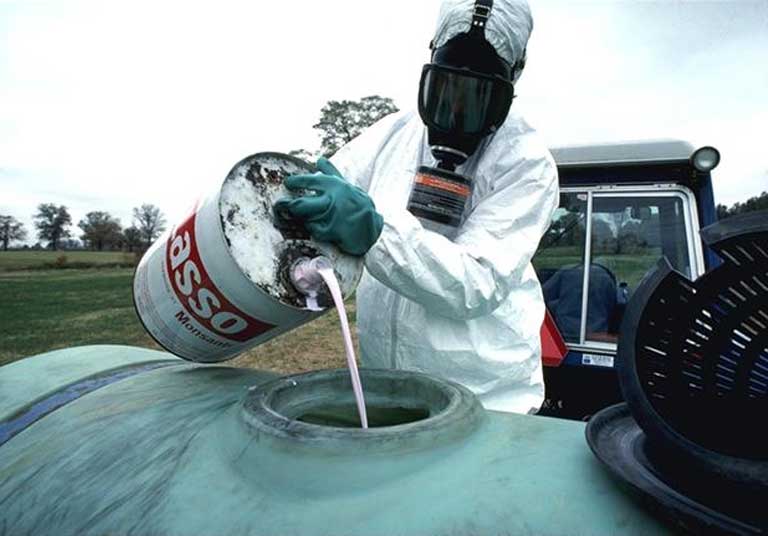 (Beyond Pesticides, August 1, 2019) Last month, the Brazilian Ministry of Agriculture approved the registration of 51 additional hazardous pesticides and brought the total to
 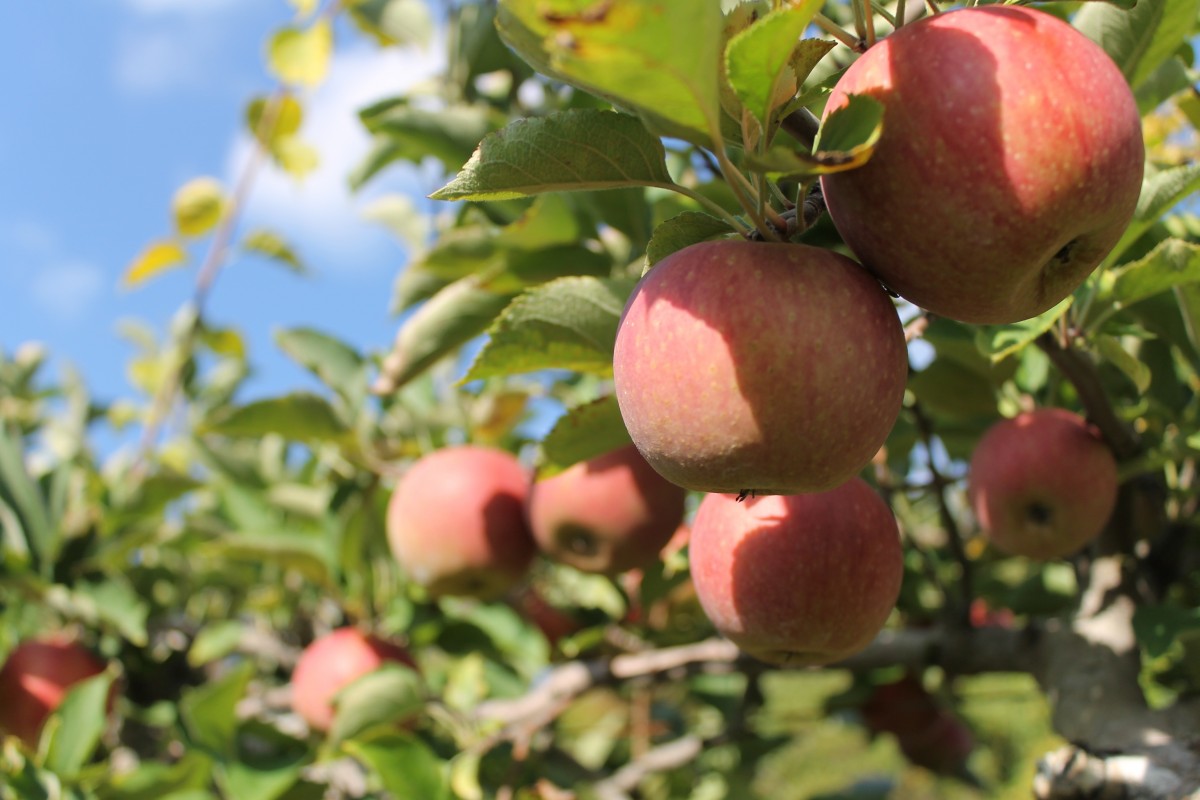 (Beyond Pesticides, July 31, 2019) When it comes to maintaining a healthy gut, organic apples shine, while conventional, pesticide-treated apples come out bruised and wanting, according to a new study published in
  (Beyond Pesticides, July 30, 2019) Earlier this month, the U.S. Environmental Protection Agency
  (Beyond Pesticides, July 29, 2019)
  (Beyond Pesticides, July 26, 2019) The botanic denizens of wild and unmanaged lands typically comprise many different plant species. This is because nature abhors monocultures — the existence of a single kind of plant growing across some amount of territory. Yet, this is the dominant practice in modern agriculture, and brings with it a plethora of problems. One of them, emerging from an
 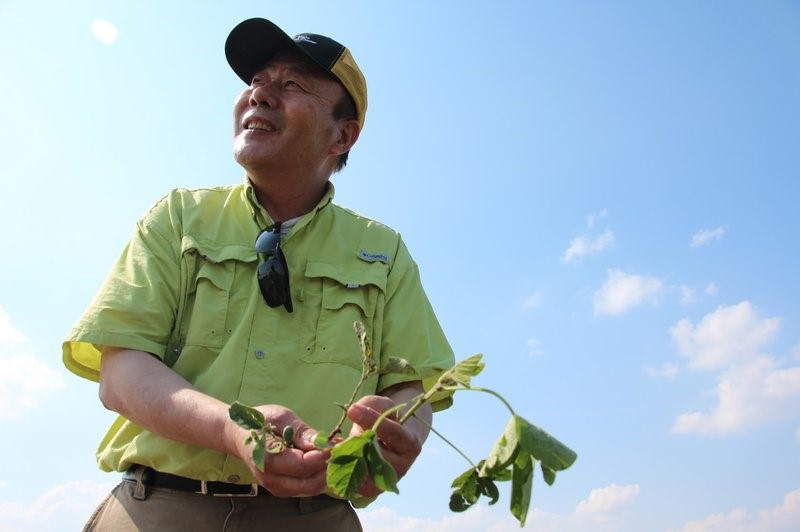 (Beyond Pesticides, July 25, 2019) Professors are experiencing damage to their soybean field research as a result of dicamba drift from neighboring agricultural fields. Experts worry that continued drift will make it impossible to carry out public research integral to non-genetically engineered soybean production. These reports,
 (Beyond Pesticides, July 22, 2019) The U.S. Environmental Protection Agency (EPA) will permit the continued use of a known neurotoxic insecticide on the food the Americans eat, the agency announced yesterday in response to a lawsuit filed by public health groups. Health advocates say the move to continue
  (Beyond Pesticides, July 19, 2019) A high-level, nongovernmental commission in the United Kingdom (UK) — the
  (Beyond Pesticides, July 18, 2019) Pesticide products containing the weed killer dicamba become more volatile and drift-prone in hot conditions and when tank-mixed with glyphosate, according to
  (Beyond Pesticides, July 17, 2019) A March 2017 bird kill incident in Modesto, CA can be traced directly back to an insecticide “soil drench” applied to the base of several elm trees by pesticide applicators hired by the city, as detailed in a study published last month in the
  (Beyond Pesticides, July 16, 2019) USDA’s
 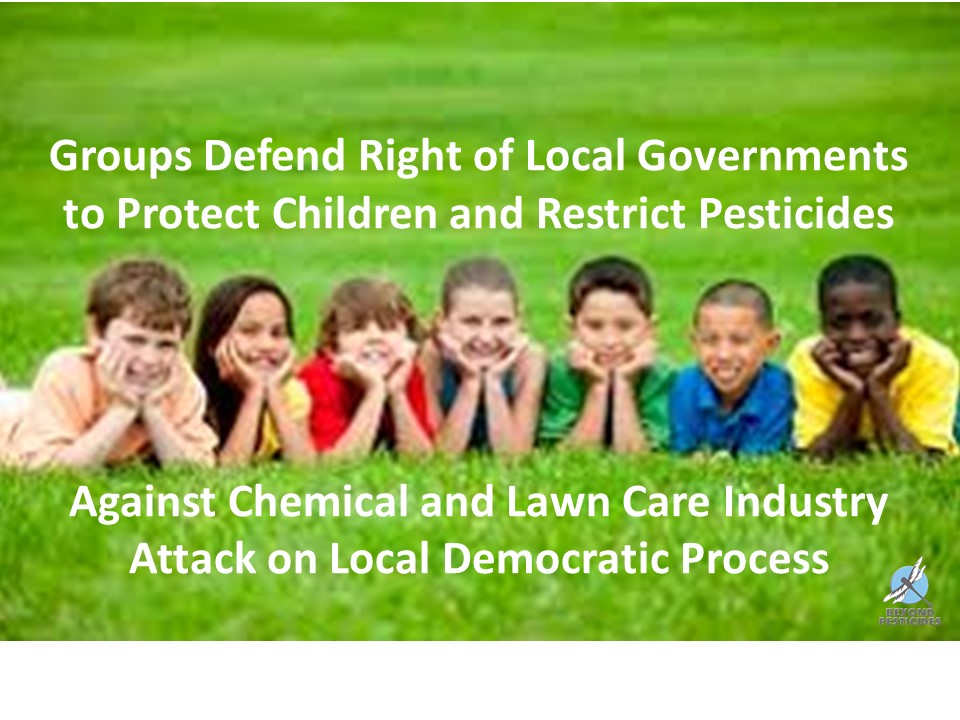 (Beyond Pesticides, July 15, 2019) On Friday, Maryland’s highest court upheld the right of local governments to restrict the use of toxic lawn care pesticides more stringently than the state. By denying an appeal from the pesticide industry’s challenge to a lower court ruling, the Maryland Court of Appeals has made official
  (Beyond Pesticides, July 12, 2019) The U.S. Department of Agriculture (USDA) announced, on Saturday, July 6 that it would
  (Beyond Pesticides, July 11, 2019) Pregnant mothers with higher concentrations of pesticide metabolites (breakdown products) in their urine are more likely to have children who develop symptoms of Attention Deficit/Hyperactivity Disorder (ADHD), according to research conducted by the University of Southern Denmark and Odense University Hospital. The results of this study are consistent with past findings from
  (Beyond Pesticides, July 10, 2019) The California Coastal Commission will host a public hearing today on a U.S. Fish and Wildlife Service (USFWS) proposal to drop 1.5 tons of the rodenticide brodifacoum, an extremely potent anticoagulant, on the Farallon Islands National Wildlife Refuge.
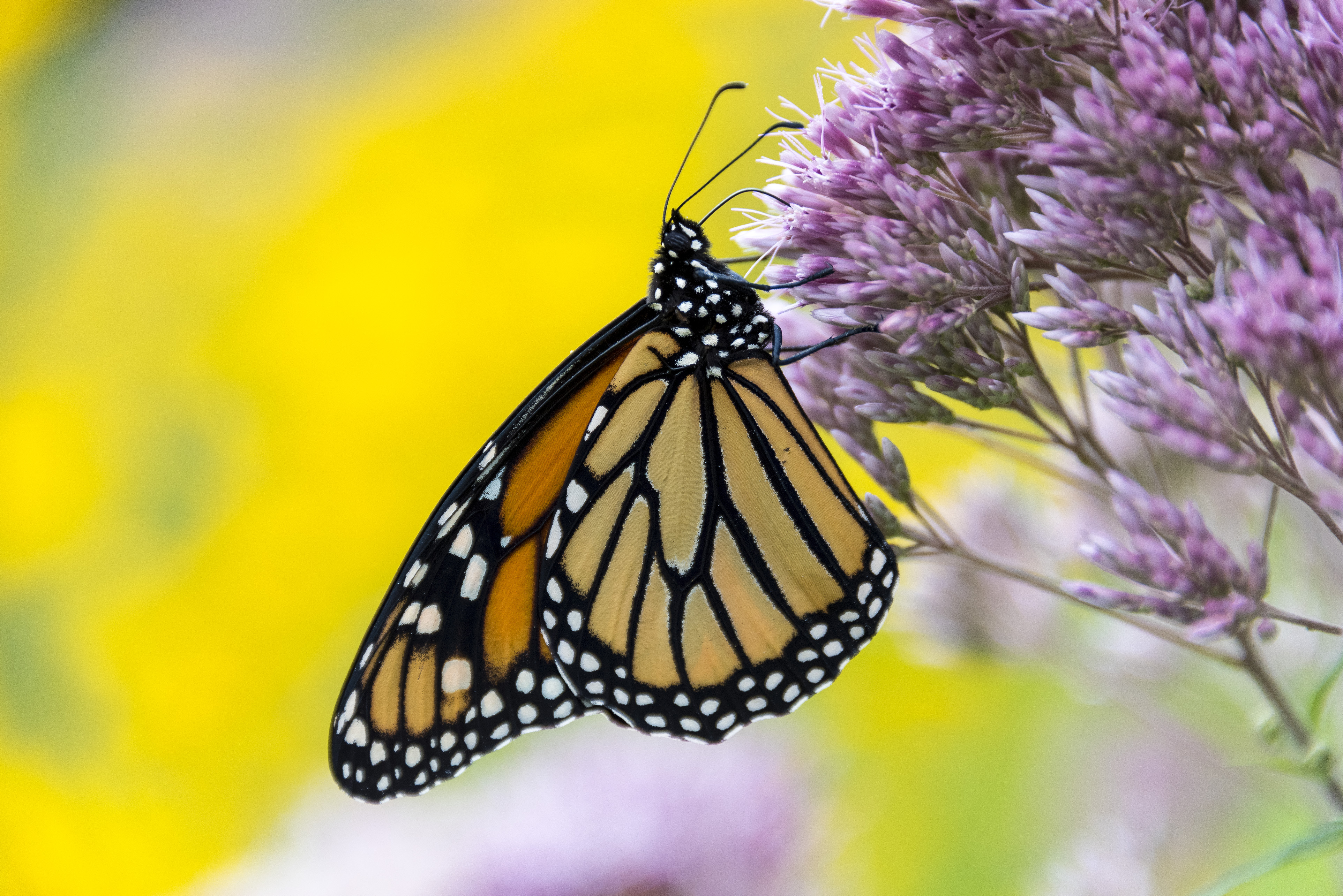 (Beyond Pesticides, June 8, 2019) Scientists studying the precipitous decline in populations of monarch butterflies are searching for causes, and
  (Beyond Pesticides, July 5, 2019) This is a story about a chemical pesticide, a fungicide, in wide use for which the mode of action, i.e., the ability to cause harm, has not been fully understood. It is not a story unique to this pesticide. Rather, it is an important story to consider when deciding to use a pesticide or allowing a pesticide to be used. The question is whether the chemical could be broadly problematic beyond the target organisms, in this case fungi? In its coverage of a study published in March, the
 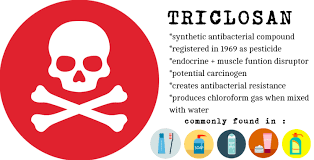 (Beyond Pesticides, July 3, 2019) A disturbing association between urinary triclosan concentrations and osteoporosis has been identified in an epidemiological study. Drawing from the National Health and Nutrition Examination Survey (NHANES) results for 1,848 U.S. adult women, the authors conclude that higher concentrations of urinary triclosan are associated with lower bone mass density and higher prevalence of osteoporosis among U.S. adult women.
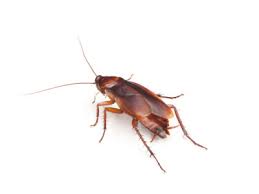 (Beyond Pesticides, July 2, 2019) German cockroaches, the bane of many apartment-dwellers throughout the U.S., can rapidly develop cross-resistance to insecticides they have never been exposed to, according to researchers from Purdue University. “This is a previously unrealized challenge in cockroaches,” said Michael Scharf, PhD, whose findings were published in the journal


