





25
Oct
Agreement Protects Willapa Bay and the Willapa National Wildlife Refuge from Highly Toxic Neonicotinoid Pesticides
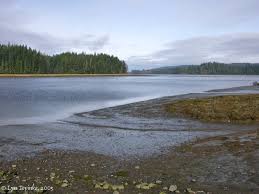 (Beyond Pesticides, October 25, 2019) Washington State officials have approved an agreement that will prevent oyster growers farming in Willapa Bay and Grays Harbor from spraying the neonicotinoid (neonic) insecticide, imidacloprid, on tidal flats to kill native burrowing shrimp. The development comes after years of discussion and dispute among the Washington State Department of Ecology, the National Marine Fisheries Service, and the Willapa Grays Harbor Oyster Growers Association.
Beyond Pesticides has advocated for protection of these relatively pristine estuary areas from toxic pesticides since 2002, when it worked for (ultimately successful) elimination of the use of the highly toxic carbaryl against the shrimp. More recently, it has reported and weighed in frequently on use of imidacloprid and efforts to eliminate its use, as well as on broad contamination of waterways by neonics.
Neonics are well documented to be a huge threat to pollinators and other nontarget organisms, as well as to the environment at large. Imidacloprid is banned by the European Union for outdoor use, and Canada is scheduled to announce details by year’s end on its implementation of a phaseout of neonics. Washington State’s own risk assessment study found that use of imidacloprid on tidelands showed “immediate adverse, unavoidable impacts to juvenile worms, crustaceans, and shellfish to the areas treated . . . and the nearby areas covered by incoming tides. . . . This includes the commercially important Dungeness crab, which is also killed by imidacloprid, as are the native burrowing shrimp.”
The native burrowing shrimp at issue actually comprise two species: the ghost shrimp and the mud shrimp, which live in Pacific tidal flats from California to Alaska — the same habitat used for oyster (and clam) farming. The mud shrimp are on the decline because of a parasitic infection, but ghost shrimp numbers are rising — due in part to alterations in the watershed caused by human activity, such as logging and farming, and to changing climatic conditions. (For more on those changes, and the ecological imbalances that have given rise to this overpopulation of burrowing shrimp, see the “Out of Balance!” section of this Pesticides and You article.)
The shrimp imperil oyster farming because as many as 100 per square meter burrow as much as a meter deep into the sands of the tidal flats and destabilize the seabed. As they feed, they “are essentially mining the sand,” says Oregon State University Scientist John Chapman. The result is that the sands of the flats shift and become muck-like, often causing mature oysters to sink into the muck and get smothered.
The agreement, between the Washington State Department of Ecology (Ecology) and the Willapa Grays Harbor Oyster Growers Association (WGHOGA), establishes a working group — comprising state and industry officials and an environmental representative — that would be charged with developing an alternative plan for dealing with the burrowing shrimp. Ideas being considered include deep mechanical harrowing of the tideland sediments; “dye studies” to understand better how any chemicals applied would move through the estuaries; a non-native parasite that feeds on the shrimp’s blood; and experiments with water temperature and salinity. Of course, any of those is likely to have environmental impacts beyond suppression of the shrimp. The settlement also creates resources for monitoring impacts of the burrowing shrimp on commercial oyster (and clam) operations in the two bodies of water.
The agreement was finalized in mid-October by the state Pollution Control Hearings Board. The accord came after years of both efforts by growers to ensure the ability to use the neonic treatment to protect their oyster crops, and advocacy by environmental and community groups against use of imidacloprid on such fragile ecosystems. In response to the agreement, Nathan Donley, a Center for Biological Diversity scientist, said, “Our beautiful coastline is no place to spray a dangerous pesticide that is notorious for contaminating water throughout the country. This important agreement will put an end to the disastrous plan to spray imidacloprid in some of our state’s most important and fragile waters.”
When carbaryl was phased out in 2002 (on a use-reduction schedule of 10% by 2003, 30% by 2004, 30% by 2005, and 100% by 2012), growers began to request permission to use imidacloprid — a neurotoxin that can harm marine life, as well as other species. The compound was not developed for use on or near water bodies, but in 2013, EPA nevertheless approved growers’ requests to use it, and in 2015, Ecology issued a permit to apply imidacloprid to up to 2,000 acres of tidelands in Willapa Bay and Grays Harbor.
Public response was quick and plentiful, and the issue gained unusual notoriety when a number of high-profile Seattle chefs refused to purchase and use oysters contaminated with the neonic. A groundswell of public comment ensued, with thousands contacting state officials with their objections, and in 2018, Ecology temporarily denied growers’ request for a permit allowing annual application of imidacloprid to as many as 500 acres. WGHOGA then appealed that denial. Several nonprofits were involved in the appeal process as intervenors advocating against permitting of imidacloprid: the Center for Biological Diversity, the Center for Food Safety, and the Coalition to Protect Puget Sound Habitat. The National Marine Fisheries Service also opposed use of the compound because of its harms to marine life. With the announced agreement, WGHOGA has agreed to drop its appeal.
This does not mean that the potential for pesticide use against the shrimp has disappeared. The agreement calls for development of alternate means of control — including possible chemical means — and sets out a 2020 timetable for field trials of any alternative insecticides that might be effective. Further, Ecology and WGHOGA are asking the legislature for $650,000 for research efforts. Prior to now, attempts at alternative, non-pesticide controls, including, according to Aquaculture North America, “electric shock (the shrimp burrowed deeper), sprayed concrete (they poked through before it dried), propane in the burrows (it wouldn’t ignite), spicy habanero peppers, high pressure water hoses, even dynamite,” have been futile.
It is not hard to feel some sympathy for the oyster growers; the industry is more than 100 years old and is an important economic and cultural feature of southwest coastal Washington. As the The Astorian (a North Coast Oregon newspaper) reports, “Oyster aquaculture is the biggest-dollar contributor to a state shellfish-farming industry that generates nearly $150 million annually, according to a 2013 study, and in some rural areas of coastal Washington, such as Willapa Bay, is an important source of jobs and tax revenue.” In early 2019, Oregon Public Broadcasting covered the issue through the lens of a longstanding oystering family business, which is facing, at best, an uncertain future, and at worst, the dissolution of a multi-generational family business that employs local workers. Kathleen Nisbet-Moncy, a member of the family who helps run the business, said, “This is our livelihood. It’s really sad to see something you worked so hard to create, to see it taken over by a predator you have no control over.”
As the above-referenced article in Beyond Pesticides’ journal, Pesticides and You, identifies, human activity has had a huge impact on the ecological dynamics of Willapa Bay and Grays Harbor estuaries, including loss of native predators, increases in invasive species, and slumping native shellfish production. The article explains, “In the mid-1800s, logging began altering stream morphology and increasing sediment load. Effluent from pulp mills was also dumped into waterways, impairing water quality and contributing to the decline of fish populations like salmon and sturgeon. Floodplains were cleared for agriculture and then later urbanized, leading to a loss of the natural riparian vegetation At the same time, the native Washington oyster, Ostrea lurida, also known as the Olympia oyster, began to decline due to over-harvesting and declining environmental quality. This led oystermen [sic] to import the Pacific oyster from Japan, [which] has thrived in the region. Artificial oyster beds were also created to help boost productivity. Although native to the region, by the early 1920s burrowing shrimp began growing in numbers. Some believe that changes in oystering practices led to the shrimp’s success. The natural layer of shell deposits upon which oysters attach is typically removed during harvest, exposing bare sediment, and allowing the shrimp to burrow. This, coupled with the declining predatory fish populations in the bay, led to an explosion in shrimp populations.”
Aquaculture North America notes, “Things weren’t so bad when the native Olympia oysters prevailed. Olympias clustered together and formed reef structures that float[ed] on the sand. Olympias and the burrowing shrimp existed together. But in the 1920s, Olympias in the Willapa Bay and Grays Harbor oyster beds were overfished to extinction. . . . Growers came in and replaced them with the faster growing Pacific (Japanese) oyster and moved up the tide zone. ‘The native Olympias grew in the low intertidal and subtidal zones,’ explains Brett Dumbauld of the U.S. Department of Agriculture Research Service. ‘The Japanese oysters are planted higher in the intertidal zone where the shrimp are more abundant.’”
As in so many industries that harvest or extract natural resources, part of the problem may be due to “simple” overexploitation. Intensive cultivation of oysters and other shellfish can harm other forms of floral and faunal marine life in tidal areas, and change the functional dynamics of local ecosystems so that, for example, predator–prey populations are no longer in equilibrium. When chemical “controls” are added to the equation, additional impacts and dysfunction can be catalyzed. There are rarely any quick-and-ready fixes for such ecosystems brought out of functional balance. Long-term solutions nearly always require broad changes in systems and approaches; the tidal habitat that has supported the oyster industry in southwest Washington is no exception.
A holistic approach to the problem could include enhancing and restoring the streams that spill into these bays and harbors, and continuing the ongoing work of restoring native salmon species that have been so decimated over the past two decades. As Beyond Pesticides noted in 2015, “Stream enhancement and restoration improve habitat for fish, amphibians, and invertebrates. These species can help control bountiful populations of burrowing shrimp and aquatic plants. Unfortunately, chemicals have been employed to reduce invasive plant pressures, and the borrowing shrimp. But the use of these chemicals only serves to further threaten the long-term health of the sensitive ecosystem by adversely affecting other non-target species, and potentially creating other out of balance communities. It is important that non-chemical options be explored, such as mechanical removal of invasive plants, and encouraging the revival of native fish and the development of natural oyster beds to suppress shrimp populations.”
Andrew Hawley of the Western Environmental Law Center opined, “Willapa Bay and Grays Harbor are unique and fragile places, and we’re happy Ecology listened to the scientists who study these poisons and their effects on ecosystems. Some oyster and clam growers have successfully achieved a balance between the shrimp and their farmed shellfish without use of dangerous pesticides, and that should be model going forward.”
All unattributed positions and opinions in this piece are those of Beyond Pesticides.
Sources: https://biologicaldiversity.org/w/news/press-releases/agreement-protects-willapa-bay-grays-harbor-spraying-dangerous-pesticide-2019-10-21/, https://www.dailyastorian.com/oyster-growers-agree-to-stop-use-of-insecticide-in-willapa/article_9e8f43e6-f440-11e9-ac96-9f2a125b8551.html, and https://www.aquaculturenorthamerica.com/burrowing-shrimp-taking-over-oyster-leases-1257/

 (Beyond Pesticides, October 24, 2019) Fish and fruit are undoubtedly healthy foods, but modern-day contamination is leading scientists to caution pregnant mothers and young children to stick within current dietary guidelines, or switch to organic, in order to avoid adverse health effects. This new public health message is based on research
 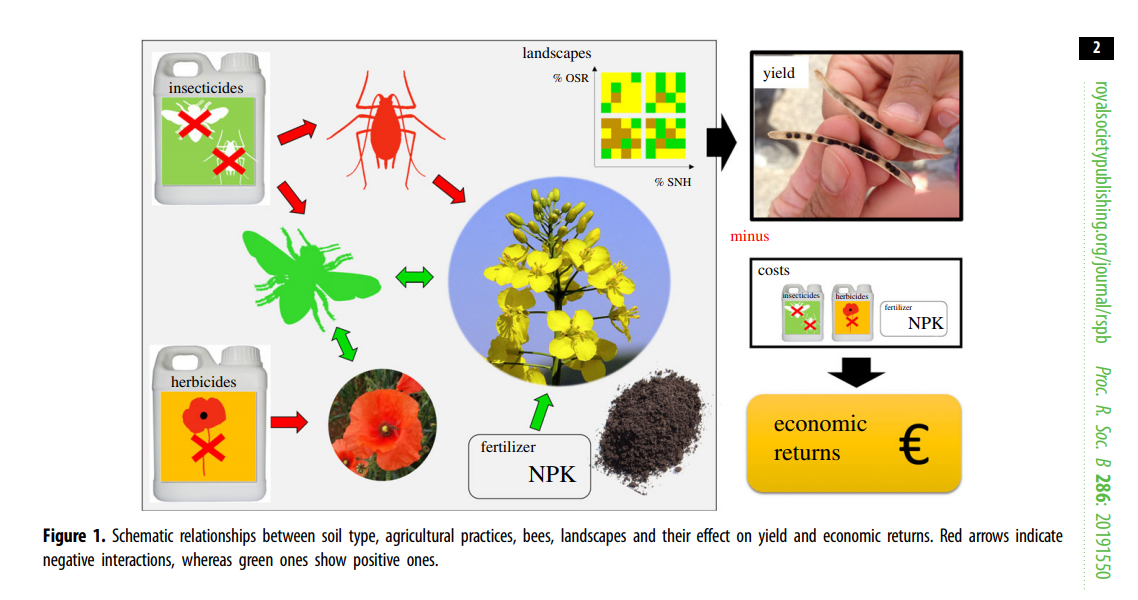 (Beyond Pesticides, October 23, 2019) Bees provide benefits to farmers that outweigh synthetic inputs, according to a
  (Beyond Pesticides, October 22, 2019) Last week, legislators in a New Hampshire House subcommittee passed a bill to restrict the use of pesticides implicated in the decline of pollinator populations. HB 646, dubbed the Saving New Hampshire’s Pollinators Act, will now go to executive session on November 7 for final approval prior to a full vote by the New Hampshire House of Representatives.
 (Beyond Pesticides, October 20, 2019) USDA’s National Organic Standards Board (NOSB) should remove nonorganic celery powder from the National List of Allowed and Prohibited Substances for use in organic food production.
 (Beyond Pesticides, October 18, 2019) The U.S. Environmental Protection Agency
  (Beyond Pesticides, October 17, 2019) The U.S. Environmental Protection Agency (EPA) is downplaying the connection between exposure to the herbicide paraquat and the development of Parkinson’s disease, per
 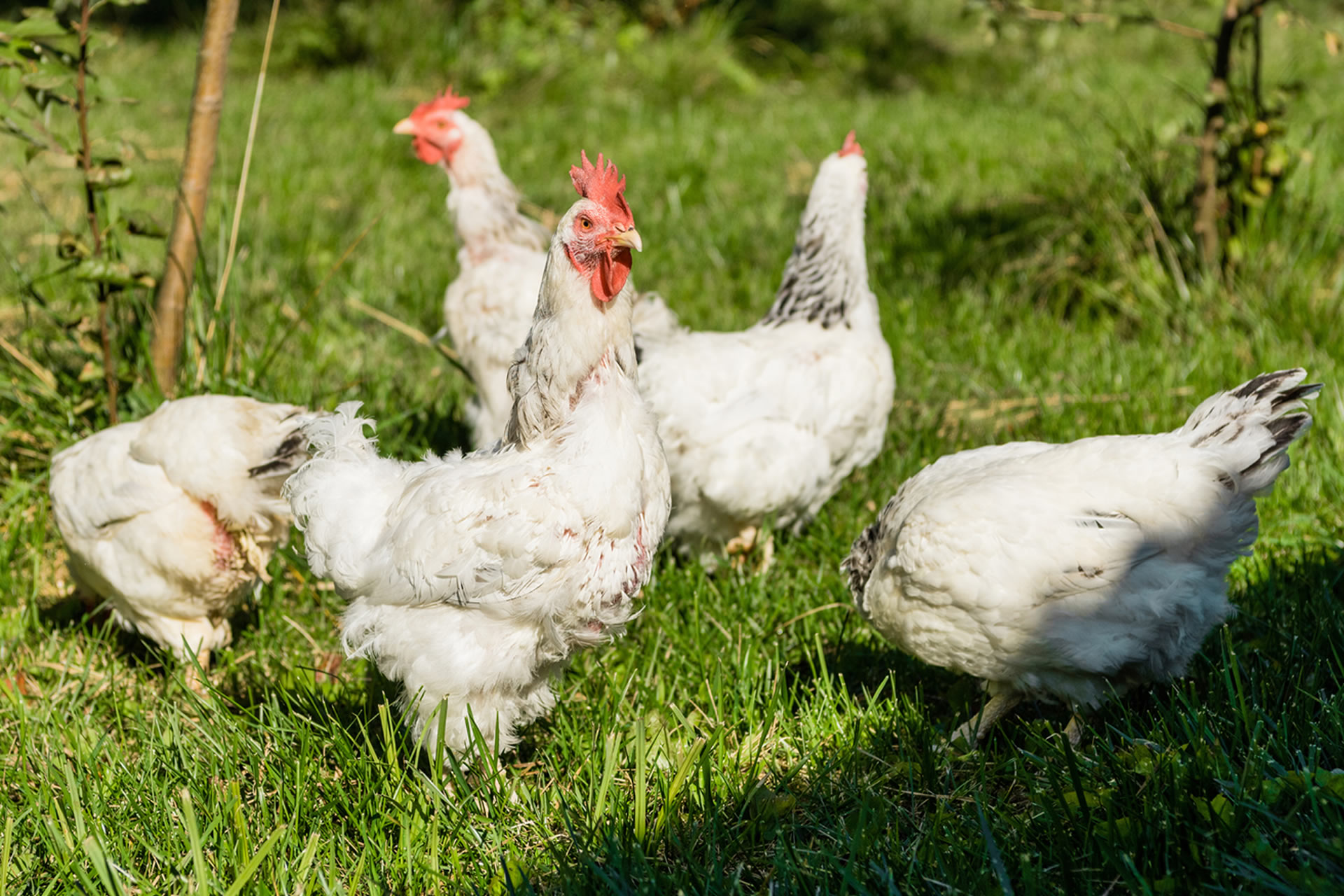 (Beyond Pesticides, October 16, 2019) Organic poultry is far less likely than conventionally raised meats to contain antibiotic-resistant Salmonella, according to
  (Beyond Pesticides, October 15, 2019)
  (Beyond Pesticides, October 11, 2019)
 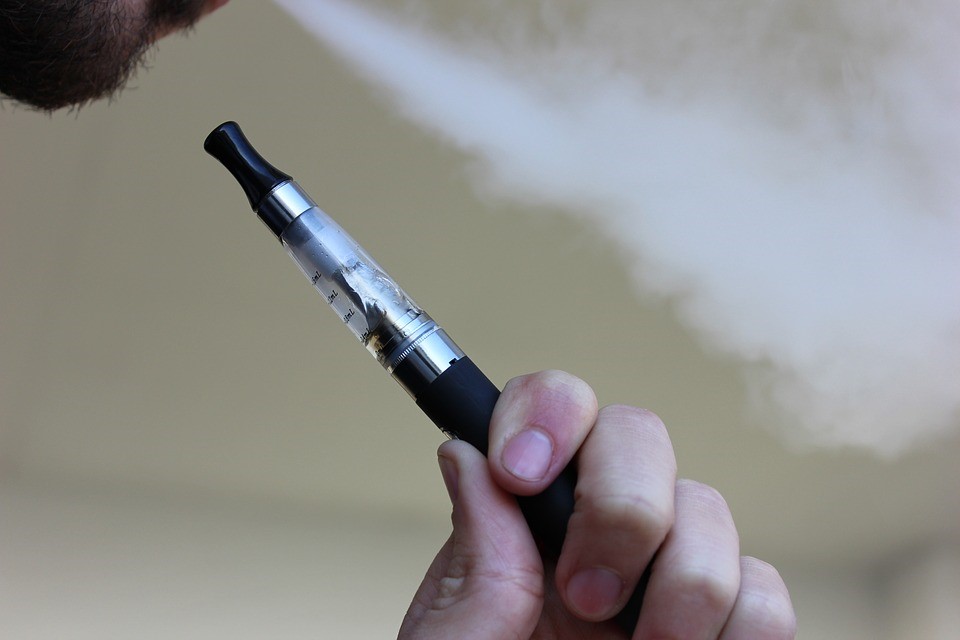 (Beyond Pesticides, October 10, 2019) Mysterious vaping illnesses across the country could be related to pesticide exposure, among other contaminants in black-market marijuana vaping products. To date, there have been 23 deaths from vaping-related illness, and about 1,100 cases of the illness nationwide. Yesterday, a
  (Beyond Pesticides, October 9, 2019) Pesticide industry propaganda promoting the safety of glyphosate-based herbicides took another hit last month, as a study published by an international team of researchers found the chemical had the potential to induce breast cancer when combined with other risk factors. The study,
  (Beyond Pesticides, October 8, 2019) As medicinal and recreational marijuana continue to be legalized in a growing number of states, concerns about the safety of the burgeoning industry—how the substance is grown, harvested, processed, distributed, sold, and used—have emerged. Pesticides have not been registered for use in cannabis production, yet they are being widely used under state-adopted enforcement levels that imply safety, but not subject to any standard of review that meets pesticide registration standards.
 (Beyond Pesticides, October 4, 2019) A Circuit Court
 (Beyond Pesticides, October 2, 2019) New data gleaned from the Kuakini Honolulu Heart Program — a longitudinal study of men of Japanese descent living on Oahu —
  (Beyond Pesticides, October 1, 2019) Commonly used fungicides induce trophic cascades that can lead to the overgrowth of algae, according to research published in the journal
  (Beyond Pesticides, September 30, 2019) A warm thank you to all who have sent in comments for the Fall 2019 National Organic Standards Board (NOSB) meeting. We are sending out a second reminder so that those who have not commented can take this opportunity to do so. If you have already submitted, we encourage you to make a second round of comments to make sure your voice is heard!
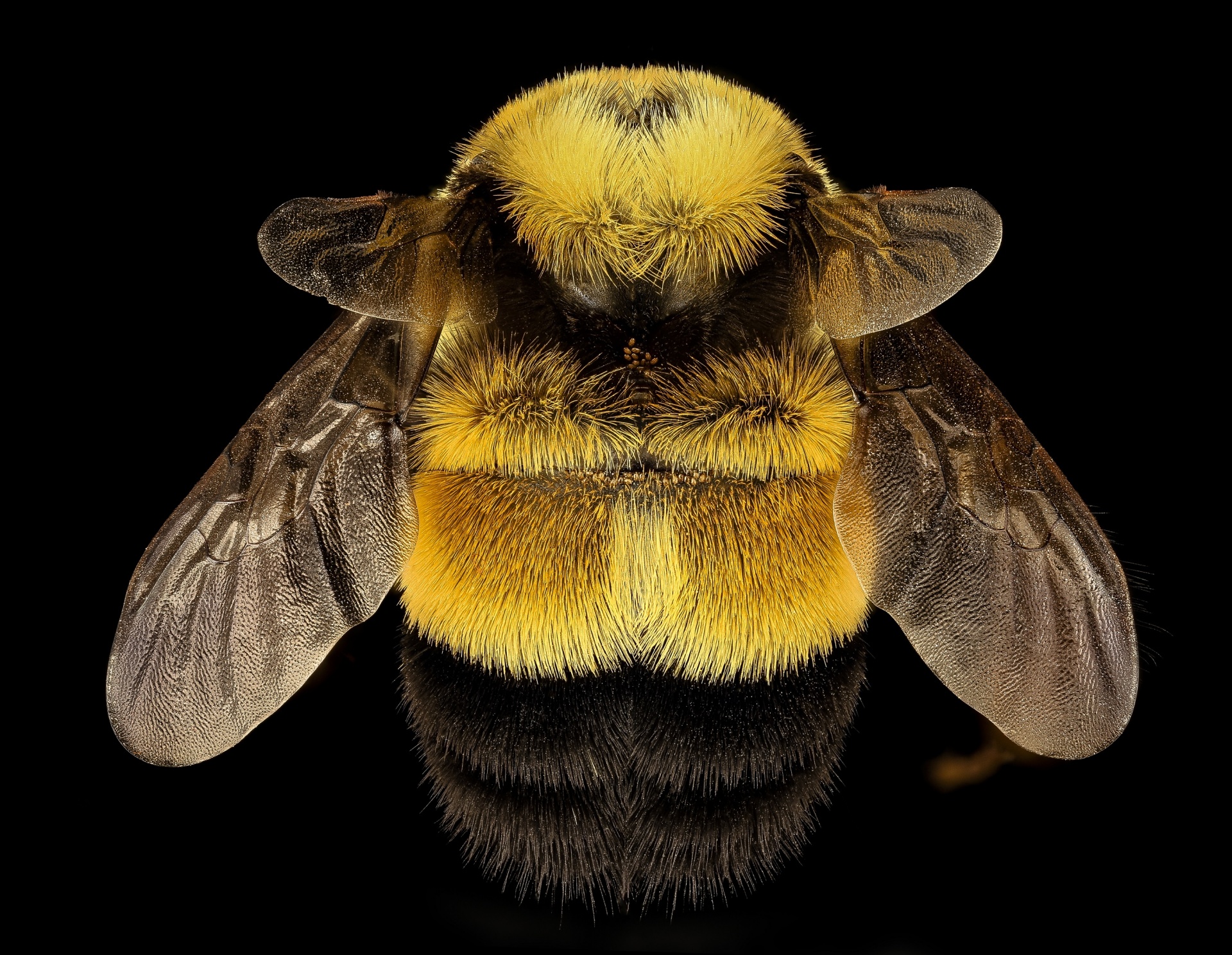 (Beyond Pesticides, September 27, 2019) The U.S. Fish and Wildlife Service (USFWS) will be required to protect the habitat of the


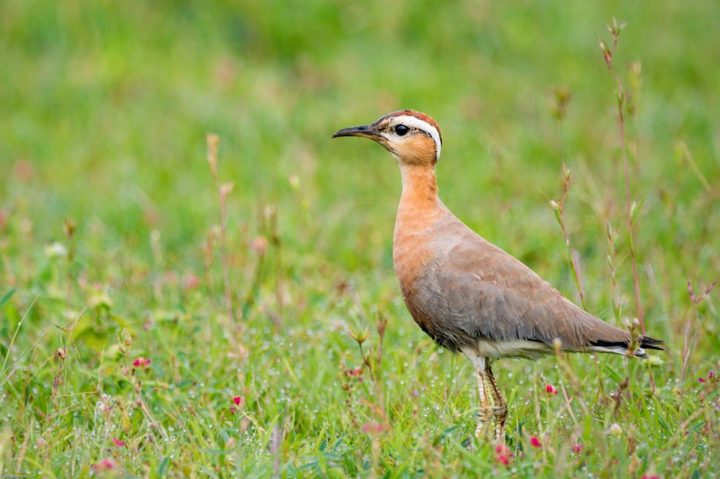 (Beyond Pesticides, September 24, 2019) “Over increasingly large areas of the United States, spring now comes unheralded by the return of the birds, and the early mornings are strangely silent where once they were filled with the beauty of bird song,” Rachel Carson wrote in Silent Spring in 1962. New research finds that quote has held true since it was written. Over three billion birds, or 29% of 1970s abundance have been lost in North America over the last 50 years.


