


05
Aug
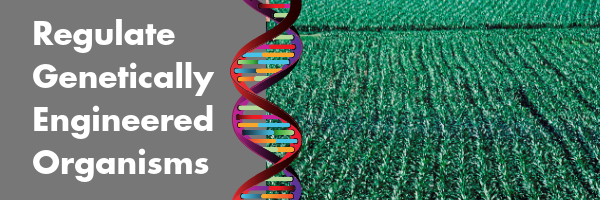
Remind USDA that Genetic Engineering Is NOT Acceptable in Organic
 (Beyond Pesticides, August 5, 2019) The U.S. Department of Agriculture (USDA) appears to have forgotten the lesson learned 20 years ago when it was forced to ban genetic engineering (GE) in organic regulations. At a July 17 hearing called by the U.S. House Agriculture Subcommittee on Biotechnology, Horticulture, and Research on “Assessing the Effectiveness of the National Organic Program,” Greg Ibach, the USDA’s Under Secretary for Marketing and Regulatory Programs, stated, “There is the opportunity to open the discussion to consider whether it is appropriate for some of these new technologies, including gene editing, to be eligible to be used to enhance organic production.”
In 1997, the U.S. Department of Agriculture (USDA) published a draft rule that would have allowed GE, irradiation, and sewage sludge (the “Big Three”) in organic production, which was met by the second largest number of comments the agency had ever received—well before the days of internet advocacy—overwhelmingly opposing the inclusion of the “Big Three.” The prohibition of gene editing falls under the “excluded methods” provision of the organic regulations. The law prohibits “a variety of methods used to genetically modify organisms or influence their growth and development by means that are not possible under natural conditions or processes, and are not considered compatible with organic production.” (7 CFR 205.2) These prohibited methods include cell fusion, micro- and macro-encapsulation and recombinant DNA technology (including gene deletion, gene doubling, introducing a foreign gene and changing the positions of genes when achieved by recombinant DNA technology).
Ask Members of Congress to Remind USDA that Genetic Engineering Is NOT Acceptable in Organic!
There are many problems with GE, and consumers trust the organic label to provide food free of GE. USDA has long promoted GE, but has avoided pushing it in organic since the run-in with organic producers and consumers over the Big Three. Former Secretary of Agriculture Vilsack, for example, promoted a policy of “coexistence” between GE and organic producers. In this regard, organic producers are joined by others who choose not to grow GE crops because they limit export sales.
Unfortunately, even USDA’s “coexistence” policy threatens the genetic and chemical integrity of organic food. In practice, “coexistence” means that those who develop and use GE technology are not held accountable for the damage they cause. The damage includes that arising from both genetic drift—which can make organic crops unsaleable in the organic marketplace—and chemical drift arising from the increased use of chemicals in GE-chemical intensive cropping systems. Any standard of acceptable use of technology would require control over the consequences. If the technology cannot be controlled, it should not be used.
Organic systems are modeled on natural ecosystems. GE organisms belong in neither:
- GE is based on an out-of-date theory of “one gene—one effect” and ignores pleiotropy. Thus, a gene that makes a plant tolerant of glyphosate is assumed not to have other effects that might be important ecologically or nutritionally. Even the effect of herbicide tolerance itself may result in the presence of toxic metabolites of the herbicide in food.
- Traditional breeding, like evolution itself, depends on forces acting on the whole organism. Exposure over time to different environments exposes unexpected traits. GE plants are created by manipulation of DNA that may create unanticipated results—results that may not be apparent until, for example, the plant is grown under unforeseen conditions.
- Risks associated with GE crops cannot be predicted.
- While the GE/chemical industry has created many claims to virtue for GE crops, the net effect of GE-based agriculture has been an expansion in the use of pesticides and subsequent resistance to pesticides—in other words, the pesticide treadmill.
Nearly half of all consumers in the U.S. say they avoid buying GE foods, and the growth of the organic sector—now more than $50 billion per year in sales—offers those consumers the choice they want.
Ask Members of Congress to Remind USDA that Genetic Engineering Is NOT Acceptable in Organic!
Letter to Congress
On July 17, Greg Ibach, the USDA’s Under Secretary for Marketing and Regulatory Programs, stated, “There is the opportunity to open the discussion to consider whether it is appropriate for some of these new technologies, including gene editing, to be eligible to be used to enhance organic production.” I am writing to ask that you let Under Secretary Greg Ibach know his statement is unacceptable and challenges a foundation of organic principles and values.
Evidently, Mr. Ibach has forgotten the reaction 20 years ago, when the USDA published a draft organic rule that would have allowed genetic engineering (GE), irradiation, and sewage sludge (the “Big Three”) in organic production. The suggestion was met by the largest number of comments the agency had ever received, overwhelmingly opposing the inclusion of the “Big Three.”
That is why the final organic regulations include a provision prohibiting “excluded methods,” which are “a variety of methods used to genetically modify organisms or influence their growth and development by means that are not possible under natural conditions or processes, and are not considered compatible with organic production.” (7 CFR 205.2)
There are many problems with GE, and consumers know that they can trust the organic label to provide food free of GE. USDA has long promoted GE, but since the run-in with organic producers and consumers over the Big Three, avoided pushing GE in organic. Former Secretary of Agriculture Tom Vilsack, for example, promoted a policy of “coexistence” between GE and organic producers. In this regard, organic producers are joined by others who choose not to grow GE crops because they limit export sales.
Unfortunately, even USDA’s “coexistence” policy threatens the genetic and chemical integrity of organic food. In practice, “coexistence” means that those who develop and use GE technology are not held accountable for the damage they cause. The damage includes that arising from both genetic drift—which can make organic crops unsaleable in the organic marketplace—and chemical drift arising from the increased use of chemicals in GE-chemical intensive cropping systems. Any standard of acceptable use of technology would require control over the consequences. If the technology cannot be controlled, it should not be used.
Organic systems are modeled on natural ecosystems. GE organisms belong in neither:
GE is based on an out-of-date theory of “one gene–one effect” and ignores pleiotropy. Thus, a gene that makes a plant tolerant of glyphosate is assumed not to have other effects that might be important ecologically or nutritionally. Even the effect of herbicide tolerance itself may result in the presence of toxic metabolites of the herbicide in food.
Traditional breeding, like evolution itself, depends on forces acting on the whole organism. Exposure over time to different environments exposes unexpected traits. GE plants are created by manipulation of DNA that may create unanticipated results—results that may not be apparent until, for example, the plant is grown under unforeseen conditions.
Risks associated with GE crops cannot be predicted.
While the GE/chemical industry has created many claims to virtue for GE crops, the net effect of GE-based agriculture has been an expansion in the use of pesticides and subsequent resistance to pesticides—in other words, the pesticide treadmill.
Nearly half of all consumers in the U.S. say they avoid buying GE foods, and the growth of the organic sector—now more than $50 billion per year in sales—offers those consumers the choice they want.
USDA should abandon efforts to insert GE into organic and instead devote efforts to controlling the technology so that it does not injure organic farmers or the environment.
Thank you for your attention to this issue.

 (Beyond Pesticides, August 2, 2019) Advocates of organic agriculture, including Beyond Pesticides, are sounding a “yellow alert” on the heels of recent comments, by the U.S. Department of Agriculture (USDA) Under Secretary for Marketing and Regulatory Programs, Greg Ibach, before the U.S. House Agriculture Subcommittee on Biotechnology, Horticulture, and Research. In his remarks,
 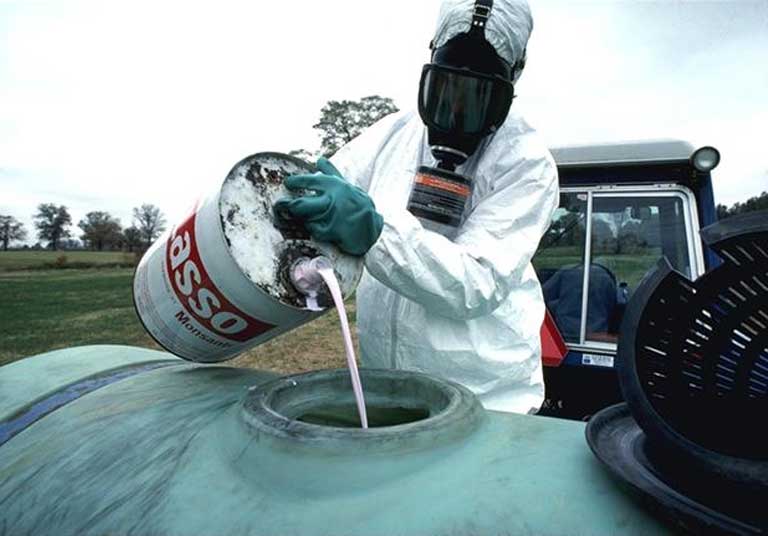 (Beyond Pesticides, August 1, 2019) Last month, the Brazilian Ministry of Agriculture approved the registration of 51 additional hazardous pesticides and brought the total to
 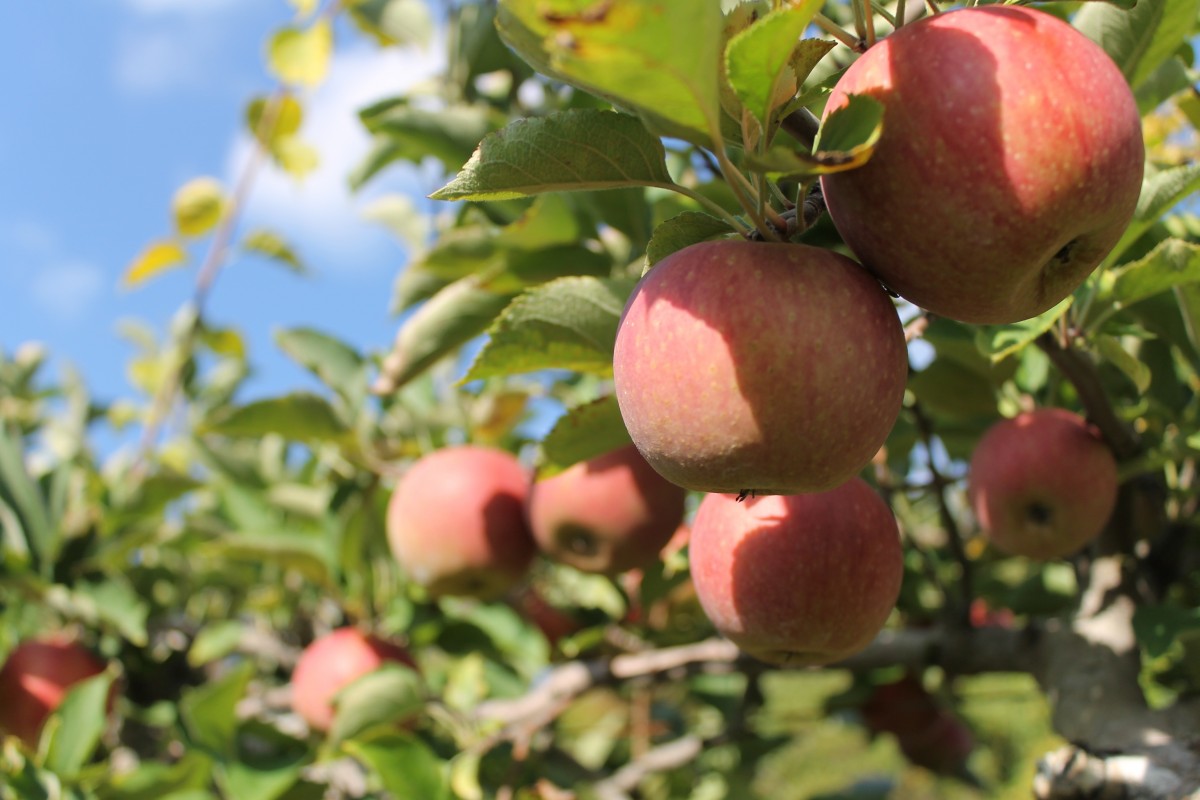 (Beyond Pesticides, July 31, 2019) When it comes to maintaining a healthy gut, organic apples shine, while conventional, pesticide-treated apples come out bruised and wanting, according to a new study published in
  (Beyond Pesticides, July 30, 2019) Earlier this month, the U.S. Environmental Protection Agency
  (Beyond Pesticides, July 29, 2019)
  (Beyond Pesticides, July 26, 2019) The botanic denizens of wild and unmanaged lands typically comprise many different plant species. This is because nature abhors monocultures — the existence of a single kind of plant growing across some amount of territory. Yet, this is the dominant practice in modern agriculture, and brings with it a plethora of problems. One of them, emerging from an
 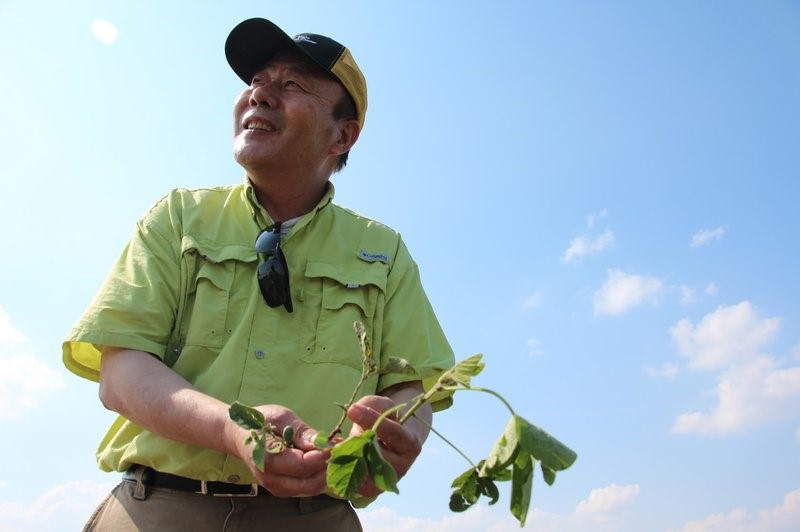 (Beyond Pesticides, July 25, 2019) Professors are experiencing damage to their soybean field research as a result of dicamba drift from neighboring agricultural fields. Experts worry that continued drift will make it impossible to carry out public research integral to non-genetically engineered soybean production. These reports,
 (Beyond Pesticides, July 22, 2019) The U.S. Environmental Protection Agency (EPA) will permit the continued use of a known neurotoxic insecticide on the food the Americans eat, the agency announced yesterday in response to a lawsuit filed by public health groups. Health advocates say the move to continue
  (Beyond Pesticides, July 19, 2019) A high-level, nongovernmental commission in the United Kingdom (UK) — the
 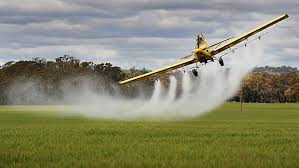 (Beyond Pesticides, July 18, 2019) Pesticide products containing the weed killer dicamba become more volatile and drift-prone in hot conditions and when tank-mixed with glyphosate, according to
  (Beyond Pesticides, July 17, 2019) A March 2017 bird kill incident in Modesto, CA can be traced directly back to an insecticide “soil drench” applied to the base of several elm trees by pesticide applicators hired by the city, as detailed in a study published last month in the
  (Beyond Pesticides, July 16, 2019) USDA’s
 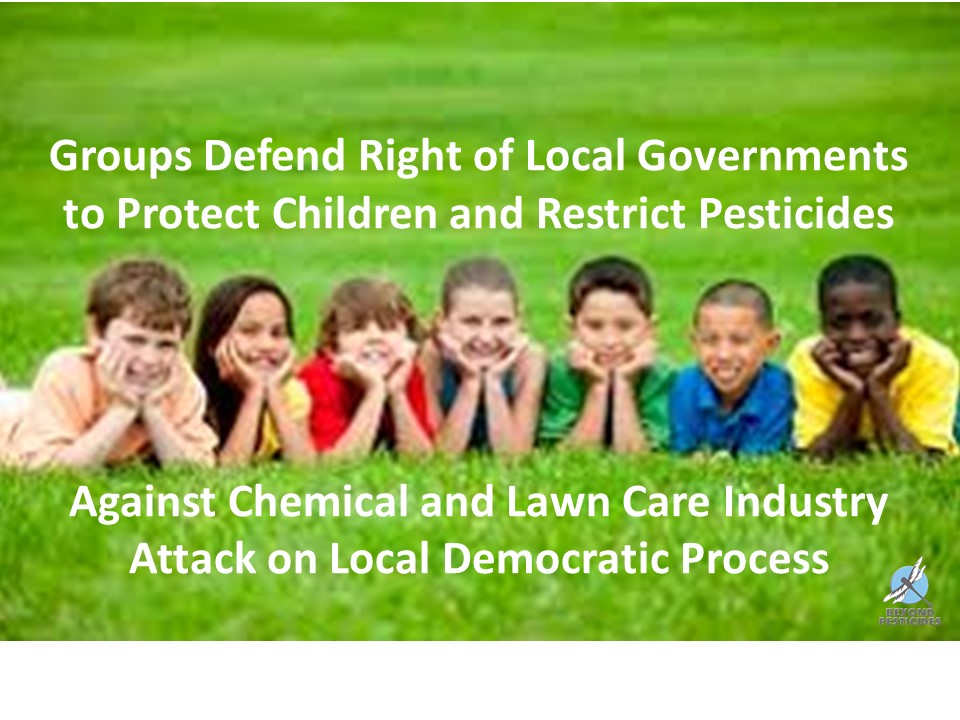 (Beyond Pesticides, July 15, 2019) On Friday, Maryland’s highest court upheld the right of local governments to restrict the use of toxic lawn care pesticides more stringently than the state. By denying an appeal from the pesticide industry’s challenge to a lower court ruling, the Maryland Court of Appeals has made official
  (Beyond Pesticides, July 12, 2019) The U.S. Department of Agriculture (USDA) announced, on Saturday, July 6 that it would
  (Beyond Pesticides, July 11, 2019) Pregnant mothers with higher concentrations of pesticide metabolites (breakdown products) in their urine are more likely to have children who develop symptoms of Attention Deficit/Hyperactivity Disorder (ADHD), according to research conducted by the University of Southern Denmark and Odense University Hospital. The results of this study are consistent with past findings from
  (Beyond Pesticides, July 10, 2019) The California Coastal Commission will host a public hearing today on a U.S. Fish and Wildlife Service (USFWS) proposal to drop 1.5 tons of the rodenticide brodifacoum, an extremely potent anticoagulant, on the Farallon Islands National Wildlife Refuge.
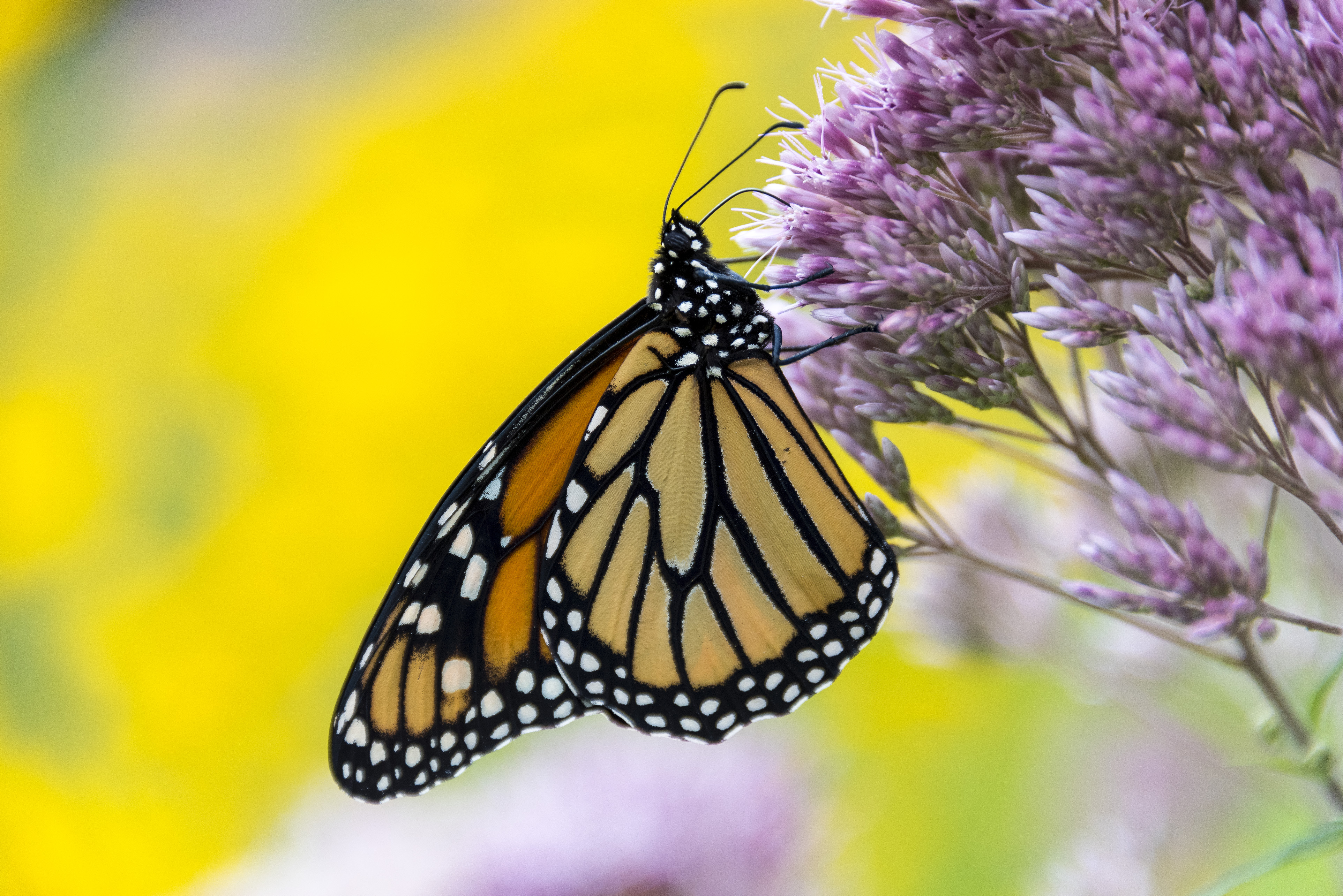 (Beyond Pesticides, June 8, 2019) Scientists studying the precipitous decline in populations of monarch butterflies are searching for causes, and
  (Beyond Pesticides, July 5, 2019) This is a story about a chemical pesticide, a fungicide, in wide use for which the mode of action, i.e., the ability to cause harm, has not been fully understood. It is not a story unique to this pesticide. Rather, it is an important story to consider when deciding to use a pesticide or allowing a pesticide to be used. The question is whether the chemical could be broadly problematic beyond the target organisms, in this case fungi? In its coverage of a study published in March, the
 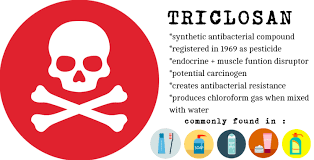 (Beyond Pesticides, July 3, 2019) A disturbing association between urinary triclosan concentrations and osteoporosis has been identified in an epidemiological study. Drawing from the National Health and Nutrition Examination Survey (NHANES) results for 1,848 U.S. adult women, the authors conclude that higher concentrations of urinary triclosan are associated with lower bone mass density and higher prevalence of osteoporosis among U.S. adult women.