Thank you for your support and collaboration. Onward in 2018!
(Beyond Pesticides, December 22, 2017) We deeply appreciate your donation to our program in 2017 and it is easy to donate HERE.
Year in Review
At Beyond Pesticides, we collaborate with organizations and advocate across the country to get our message out on the threat that pesticides pose to human health and the environment. We support local action to stop this threat. And, we assist communities nationwide with the adoption of organic management practices that are more effective and protective than chemical-intensive practices. The partnerships that have been established are, at a more rapid pace, resulting in the adoption of land management practices that are supported by Beyond Pesticides’ strategic vision for a world free of toxic pesticides.
Information for Action
Beyond Pesticides expanded its role in the forefront of pesticide and organic advocacy with our Action of Week and Q&A of the Week,  in addition to our Daily News, which identifies and delves into key science, policy, and actions that inform local action. The Summer issue of our journal, Pesticides and You, highlighted David Montgomery’s talk at Beyond Pesticides’ National Forum on the importance of soil microbiota and gut microbiome to healthy ecosystems and people, and the adverse effects of pesticides on their critical role in sustaining life. We juxtaposed his talk with a piece, Monsanto’s Glyphosate (Roundup) Exposed, on glyphosate’s adverse effects on the gut microbiome, raising the level of discussion on this important topic as communities across the country seek to stop the herbicide use locally.
 Transforming land management with organic practices
A key piece of our work is framing the deficiency in public health and environmental protection under pesticide law, and contrasting that with the promise of transformation under organic law and practice. Our work informs and supports local action, justifying the adoption of local policies and practices in the face of no or inadequate federal and state action.
With our continued work to highlight the ecological effects of neonicotinoid insecticides, focused on protecting bees and pollinators and soil and aquatic organisms, we are drawing attention to the limitations of regulations that fail to consider the total environment and the complex biological community that supports life. As this understanding increases, the urgency for local action increases. Helping decision makers to understand the regulatory deficiencies in protecting habitat, the aquatic and terrestrial food webs, and ultimately human health is critical to our daily work, through our publications, website, Daily News, testimony, and TV, radio and newspaper interviews.
 Local policies and practices
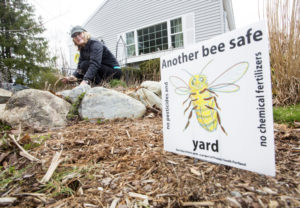
With the Trump Administration undermining the role of the federal government in protecting health and the environment, our work at the local level takes on elevated importance. We have elevated work with communities on a number of fronts, including implementing organic land management ordinances adopted (Montgomery County, MD and South Portland, ME), developing new ordinances (Anchorage, AK) and new pilot projects (Maui-HI, Salt Lake City-Utah), following up on implementation of new bans on landscape pesticides (Irvine-CA, South Miami, FL), and training landscapers. The latest community poised to adopt an organic landscape law is Portland, ME, as the chemical industry is fighting back. See the op-ed that we wrote with the Maine Organic Farmers and Gardeners Association (MOFGA). The momentum is with us!
Monitoring and responding to government attacks
When we launched ‘Action of the Week’ at the end of January, 2017, we began working with public health and environmental advocates on one concrete action each week that speaks to governmental actions or inaction that are harmful to the environment and human health, increase overall pesticide use, or undermine the  advancement of organic, sustainable, and regenerative practices and policies. Topics have included toxic chemical use, pollinator protection, organic agriculture and land use, global climate change, and regulatory or enforcement violations. The topics range from people speaking up in opposition to the EPA decision that allows the continued use of the highly neurotoxic insecticide chlorpyrifos, reversing course on an earlier EPA proposal to prohibit residues in food, to opposing EPA budget cuts, mergers of chemical company giants, and sales of bee-toxic pesticides by Amazon. And, we suggested that people thank the U.S. Fish and Wildlife Service for listing the rusty patched bumblebee as an endangered species.
Growing the organic solution
Our role in protecting the integrity of organic is unique. We are now the only organization that comments and rally public involvement on all the issues and material reviews before the  National Organic Standards Board (NOSB), issue action alerts, and provide guidance and public comment suggestions through our Keeping Organic Strong page. Given our advocacy for organic as the solution to pesticide pollution, contamination, and poisoning, and our efforts to expand its practices beyond agriculture to lawns and landscapes, we have a special responsibility to ensure the integrity of the definition and enforcement of organic standards. On the congressional front, we are working closely with the National Organic Coalition as part of a collaboration to ensure a strong organic voice and, when necessary, block the attack, as espoused by U.S. Senator Pat Roberts (R-KS), chair of the Senate Agriculture Committee, intended to weaken the NOSB and other aspects of the organic program.
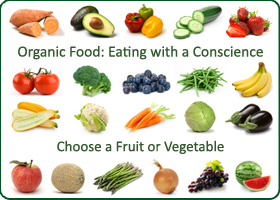
We leverage the problems with inadequate EPA review, such as the recent chlorpyrifos decision, to point to organic as the solution. We push back against alternative labeling (alternative to organic) that greenwash and do not have transparent standards that are subject to public review and comment, such as Whole Foods’ reintroduced “Responsibly Grown” signage in its stores, natural and pure labeling, and Certified Naturally Grown. We point to organic as the solution in the context of pesticide residues in food and broad environmental effects, as captured in our Eating with a Conscience database and our recent report, Poisoned Waterways, on the adverse impact of neonicotinoids on the aquatic food web. In the waterways report, we cite EPA’s own conclusion in its 2017 preliminary aquatic risk assessment, which says, “[C]oncentrations of imidacloprid detected in streams, rivers, lakes and drainage canals routinely exceed acute and chronic toxicity endpoints derived for freshwater invertebrates.”
Bringing technical knowledge to local deliberations
We bring technical resources, scientists, medical practitioners, and organic experts to support local and state legislation. In New Hampshire we worked on legislation to protect children from pesticides. Working with a the prime sponsor of the legislation in the NH House of Representatives, a veteran who was exposed to Agent Orange during the Vietnam War, our board members’ testimony was an important part of the dialogue in the state that we have been supporting for the past year to restrict toxic pesticides in public places where children play. The chemical industry, under the banner of CropLife (the pesticide industry trade association), and the golf course industry rallied significant resources to defeat the legislation this past session. However, the effort has raised the profile of the pesticide problem, the availability of alternatives, and the need for action, while giving new life to advocacy for local ordinances in the state, including one that passed in Portsmouth, NH to ban toxic pesticides on public property. Through this process, the sponsor of the state bill, a conservative Republican, has become educated on pesticides and alternatives and, as a result, is a big proponent of local laws to restrict pesticides statewide in the absence of a state law. We support the coalitions necessary to effect this effort in New Hampshire and nationally.
Challenging “natural” fraud and deception in the market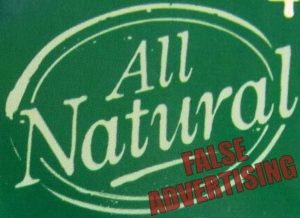
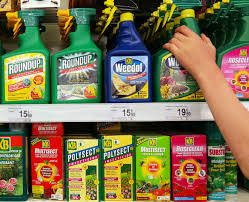
We’ve teamed up with a private law firm and continue to file lawsuits on product labels that display a “natural” claim. One lawsuit against Monsanto challenges product label language that says that Roundup (glyphosate) targets an enzyme not found in humans and pets. This suit aligns with our work on pesticide impacts to the gut microbiome, which requires the full functioning of bacteria. We provide substantive support to litigation (administrative cases, and challenges to false and deceptive labeling) that strives to stop marketing that false greenwashing that undercuts organic. The unequivocal nature of Monsanto’s label claim on Roundup belies the complexity of human biology and the impact this highly toxic chemical has on the functioning of the human gut bacteria, essential to our health. With its claim, Monsanto is falsely telling the public that its product cannot hurt them. Overall, the “natural” label misleads consumers (because the product ingredients are typically grown with pesticides) and drives people away from organic.
 Unique databases that inform local action
We maintain our unique databases as part of our focus on providing the public with “tools for change” to inform local action. Our Gateway on Pesticide Hazards and Safe Pest Management and Pesticide-Induced Diseases Database are widely use as the basis for community discussion on pesticide hazards, as is our summary 30 Most Commonly Used Landscape Pesticides (health and environmental effects). We integrate our ‘Q&A of Week,’ when focused on pest problems, with our ManageSafe database, and get a lot of very valuable suggestions and experiential data from our network. ManageSafe offers the public practical information on preventing and managing pest populations with organic practices.
The two newest informational sources, Products Compatible with Organic Landscape Management and Fertilizers Compatible with Organic Landscape Management, help turn policy into action and serve as a guide for consumers and hardware store to find products. These lists identify the emerging products that are available to lawn and landscape managers and residents managing their land or building organically.
Because the use of toxic materials undermines the organic system by harming soil microbial life, identifying compatible products is an essential component of the system. While the systems-based approach that we advocate is not product-dependent, products may only be used that do not harm soil biology and biodiversity, if essential. We continue to build on this as a tool for adopting organic lawn and landscape care and implementing ordinances that ban toxic pesticide use and/or require organic practices.
We bring our message to EPA
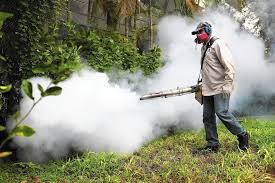 We challenged EPA on the use of the organophosphate mosquito insecticide Naled in response to the Zika virus, expressing concern about the pesticide’s potential adverse effects to children. We brought to an EPA meeting an elected member of the Collier County, Florida mosquito control commission who is concerned about the use of Naled and the relative lack of mosquito breeding prevention strategies.
We told EPA officials that its current risk communication suggests to the public and state and local decision makers that mosquito insecticides are completely safe, and, as a result, many communities put insufficient emphasis on tools that are essential to an effective mosquito management program (e.g., larviciding, education, source reduction). The same could be said about the neonicotinoid insecticides that are harming pollinators. Why bother avoiding neonics or consider transitioning to organic methods if current practices are problem-free? The agency’s current risk communication has the effect, in too many cases, of supporting pesticide use that presents a public and environmental harm, is not effective, and leads to insect and weed resistance, which escalates the problem. The cycle of dependency that supports pesticide use gets a boost from EPA every time it states that a pesticide can be used “without posing risks of concern to the general population or to the environment when applied according to the pesticide label.” And all that was under the previous administration and continues under the current one. So, there are clearly institutional problems that we are up against –again calling for more local decisions that protect our communities.
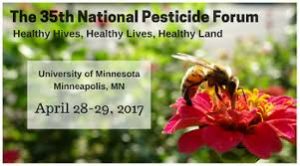 Getting together to discuss science, policy, and strategy —35th National Pesticide Forum
We developed an all-star program for the 35th National Pesticide Forum, Healthy Hives, Health Lives, Healthy Land: Ecological and Organic Strategies for Regeneration, which you can check out on our YouTube channel. This is the all-star group that joined us as co-convenors —Organic Consumers Association and the University of Minnesota Institute on the Environment, and the co-sponsors —Pollinator Friendly Alliance, Giving Tree Gardens, Humming for Bees, Kids for Saving Earth, Blue Fruit Farm, Students for Sustainability, Birchwood Cafe, Seward Community Co-op, The Beez Kneez, Midwest Organic and Sustainable Education Services (MOSES), Beyond Pesticides Minnesota, Clean Up the River Environment (CURE), Minnesota Food Association, White Earth Land Recovery Project, Midwest Pesticide Action Center, Pollinate Minnesota, and Pesticide Action Network North America (PANNA). The forum brings together the discussion and strategic thinking on connecting the management of soil with its effects on wildlife and human.
Save the date
Now we’re planning the 36th National Forum with the Center for Occupational and Environmental Health at the University of California Irvine, and NonToxic Irvine. Please  watch our website for details and plan to join us in Irvine, California, April 13-14, 2018!
Investing in a strong organization with the highest organizational rating
Beyond Pesticides received Charity Navigator’s highest 4-Star rating this summer. To achieve this ranking, the organization’s finances, tax forms, and policies are evaluated. For details on our overall score and rating, financial performance metrics, and accountability and performance transparency metrics, see Charity Navigator’s website.
Wishing you a happy, healthy, and pesticide-free holiday season and new year.
The Staff and Board of Beyond Pesticides






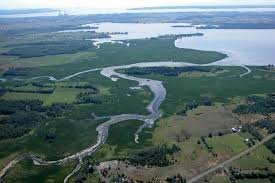 (USGS) reveals the year-round presence of neonicotinoids (neonics) in the Great Lakes – the world’s largest freshwater ecosystem. Neonics, which are highly toxic to aquatic organisms and pollinators, are prevalent in the tributaries of the Great Lakes with concentrations and detections increasing during planting season. This new data adds to burgeoning demand for a federal ban of these insecticides in order to safeguard vulnerable aquatic ecosystems and pollinators.
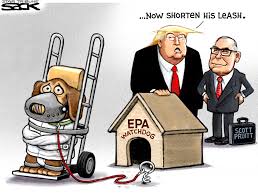 of the public and the environment at the U.S. Environmental Protection Agency (EPA) are being encouraged to exit the agency –as EPA Administrator Scott Pruitt plans to meet his goal of cutting agency staff and programs by 50 percent.
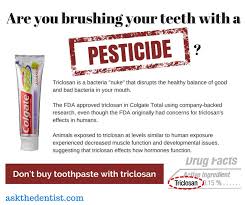 (Beyond Pesticides, January 26, 2018) Triclosan may be on its way out in soaps and disinfectants, but its presence on toothbrushes could stick around for a long time, according to
 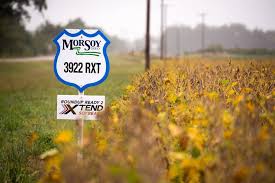 from April 16 to October 31, 2018 in Arkansas, following a vote this week by the state’s Legislative Council. Action by lawmakers was the last step needed to make the ban official after the Arkansas State Plant Board (ASPB) voted last year to continue a
 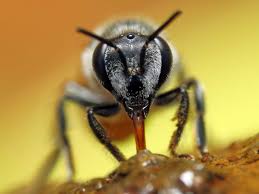 survival of honey bees and their colonies, according to research published by scientists from University of California, San Diego (UCSD). This is the first study to delve into the real-world effects pesticide exposure can have on honey bees also subject to nutritional stress, a common occurrence in the wild. The outcome of this research highlights the weaknesses of the U.S. Environmental Protection Agency’s (EPA) testing regime for registering pesticides, which does not account for the complex ecology surrounding
 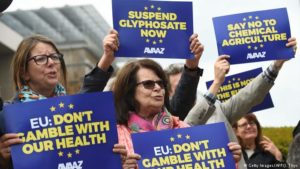 European Union’s (EU) authorization procedure for pesticides, in light of the controversial review of Monsanto’s glyphosate. The special committee is to assess the authorization procedure for pesticides in the EU and potential failures in how substances are scientifically evaluated and approved.
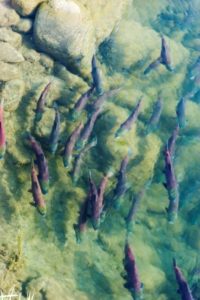 jeopardize the continued existence of endangered species and adversely modify their critical habitats, according to the newly released report from the National Marine Fisheries Service (NMFS). By law, the Environmental Protection Agency (EPA) must not allow their use.
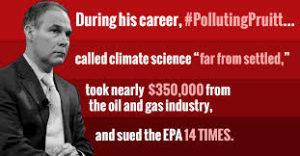 charged with protecting the health of the public and the environment at the U.S. Environmental Protection Agency (EPA) are being encouraged to exit the agency. This, as EPA Administrator Scott Pruitt plans to meet his goal of cutting agency staff and programs by 50 percent.
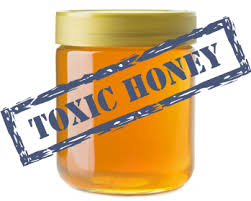 has shown that — despite a partial ban on neonicotinoid insecticides instituted in 2014 — 25% of British honey is still contaminated with residue of these “potent, bee-killing” pesticides. The partial ban, which extended to flowering crops, such as oilseed rape (from which canola oil is made), was instituted by the European Union (EU) in response to evidence of serious threats to bee populations. Samples for this study came from beekeepers and were each from a single location.
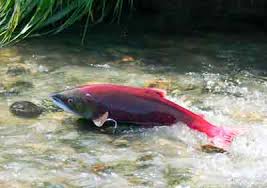 chlorpyrifos
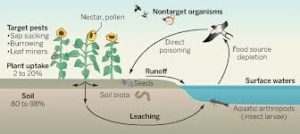 insecticides pose both acute and chronic risks to pollinators, aquatic life, and birds, the U.S. Environmental Protection Agency (EPA) is seeking comment that could support their continued use. Comments are due by February 20, 2018.
 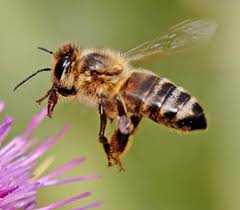 herbicide glyphosate and the fungicide chlorothalonil at certain concentrations,
  pesticide spraying at schools, organic farms, and backyards across California because of inadequate public disclosure of the chemicals’ adverse effects. The California Department of Food and Agriculture’s (CDFA) statewide “pest management” program required no site-specific analysis of risks before the application of 79 pesticides, including some known to cause cancer and birth defects and to be highly toxic to bees, butterflies, fish and birds.
 unanimously to adopt a policy prioritizing the use of organic and defined “least-toxic” pesticides to manage pest problems on city-owned and controlled property and public rights-of-way. Buoyed by a strong and growing coalition of
  by the Trump Administration to scuttle the final rule on organic animal welfare (the Organic Livestock Poultry Practices rule, or OLPP) that was adopted as a final rule a year ago.
 to pesticides that drift from agricultural fields to school yards, California’s new regulations establishing no-spray buffers took effort January 1, as labor and public health groups acknowledged the progress and inadequacy of the measure. The new rule,
  unanimously (9-0) to restrict the use of toxic pesticides on all lawns and landscapes within the City, both public and private. Passage of the new pesticide ordinance, one of the strongest in the country, represents the culmination of nearly two and a half years of intense debate and discussion between residents, advocates, opponents, and City of Portland officials. Local and national health and environmental groups are praising the City for its diligence in addressing the issue, and its ultimate decision to restrict hazardous pesticide use in the face of insufficient protections from federal and state regulators. Read Beyond Pesticides’ and the Maine Organic Farmers and Gardeners Association’s (MOFGA)
 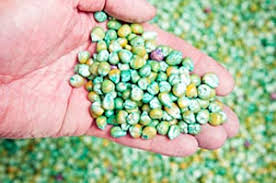 (EPA) released the preliminary ecological (non-pollinator) assessments for the neonicotinoids (neonics); clothianidin, thiamethoxam, dinotefuran, and the terrestrial ecological assessment for imidacloprid, finding that these pesticides pose both acute and chronic risks to aquatic life and birds. Treated seeds are identified as posing the highest dietary risks to birds, confirming previous research that neonics are highly hazardous not only to bees, but to birds, aquatic life, and other non-target organisms.
 required to submit to mandatory testing and will receive fines of up to $1 million if their product contains banned pesticides. The new measures announced by Health Canada come as the country prepares to launch its recreational market in July 2018, and
 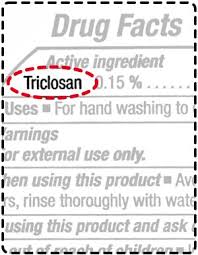 December 19, 2017 announced it was removing from the market 24 over-the-counter (OTC) disinfectants or antimicrobial ingredients, including
 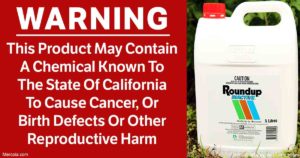 Relatedly, after weeks of stalemate on a decision by European countries, the
  as the state has yet to fully phase-in its pesticide testing protocols. Donald Land, PhD, a chemistry professor at the University of California, Davis, who also works as a consultant for pesticide testing company Steep Hill Labs Inc. told the Associated Press, “Buyer beware.” Along with