(Beyond Pesticides, November 27, 2019) This Thanksgiving, Beyond Pesticides is drawing attention to research which underscores the current value of Indigenous knowledge and rights in the global fight for environmental justice. We are also highlighting some inspiring Indigenous activists representing frontline communities.
First, we offer our network a Thanksgiving message from the Native American Rights Fund, which published a few year’s back a Thanksgiving message and a poem from their Mohawk relatives on the natural world (see below): “Native Americans are grateful for all that nature provides, and many of us celebrate the Thanksgiving holiday in our own ways. Moreover, we give thanks every day as we greet the morning star in the eastern sky giving thanks to the Creator, our families, our ancestors, and our survival.” We, at Beyond Pesticides, wish our network a Happy Thanksgiving celebration of life and a path to a healthy future.
A study published in the journal Environmental Science and Policy earlier this year found that vertebrate biodiversity on indigenous-managed lands in Australia, Brazil, and Canada is equal to or higher than protected areas. As the planet faces cascading disasters, such as mass extinction and the climate crisis, the authors state, “Partnerships with Indigenous communities that seek to maintain or enhance Indigenous land tenure practices on Indigenous-managed lands may therefore have some potential to ameliorate national and global shortfalls in land protection for biodiversity conservation using a mix of conventional protected areas and Indigenous-managed lands.”
Researchers utilized open source species-range maps of the International Union for the Conservation of Nature (IUCN) to estimate total richness of amphibians, birds, mammals, and reptiles. Using GIS mapping and analysis, they compared species and endangered-species richness among three land types (Indigenous-managed, protected areas with no Indigenous co-management, and non-protected areas of equivalent area) across Australia, Brazil, and Canada. Indigenous-managed and protected areas had similarly high levels of biodiversity, while non-protected areas fell far behind. The authors note that many species are dependent on Indigenous lands, highlighting two threatened species in Australia – the Scanty frog (Cophixalus exguus) and the Northern hopping-mouse (Notomys aquilo) – that have a very small geographic range, of which > 97% is on Indigenous land.
Co-author Nick Reo, a member of the Sault Tribe of Chippewa Indians tribe of Ontario and associate professor at Dartmouth College, said, “Indigenous-managed lands represent an important repository of biodiversity in three of the largest countries on Earth, and Indigenous peoples currently manage or have tenure to roughly one-quarter of the planet’s land area.”
In a letter responding to the August International Panel on Climate Change (IPCC)’s “Climate Change and Land” special report that also recognized the relationship between indigenous knowledge and healthy lands, a coalition of Indigenous Peoples responded, “We have cared for our lands and forests—and the biodiversity they contain—for generations. With the right support we can continue to do so for generations to come.”
INDIGENOUS ACTIVISTS
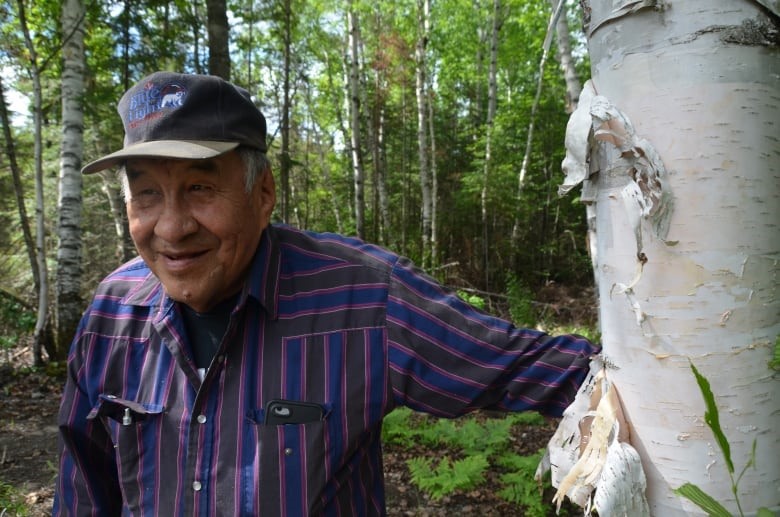 Raymond Owl, an elder from Sagamok First Nation in Canada is suing the government for aerial spraying of glyphosate. “It’s still our land. We never sold it. We just gave you a right to live here. That’s all you got. But you don’t have authority what you do to our land,” Owl told CBC, “First Nations doesn’t want any chemical at all. If it kills one little bug, one blade of grass, that’s too much.”
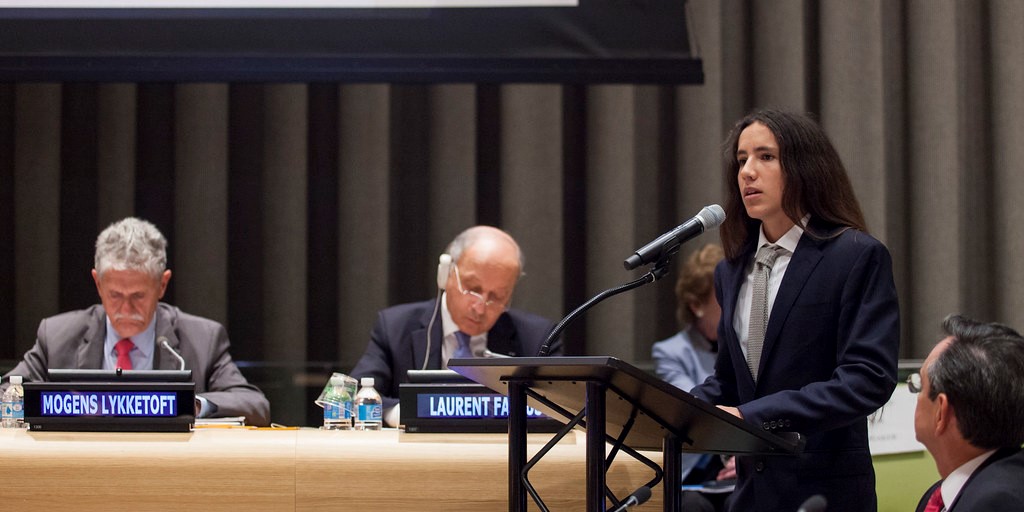 Xiutezcaht Martinez is a 19-year-old environmental advocate of Aztec descent who got his start in political organizing banning pesticide use on public areas in Boulder, CO. He explained in an interview, “We addressed City Council and talked to them about local pesticides in our community and health impacts and asked them to do something about it. And, like, we changed the law — we got them to ban the use of pesticides in public parks. We worked in coalition with other organizations and stuff, but like you could tell that the voice of young people had a really significant impact. Then we were like, damn, this works — putting power and energy into uplifting the voice of young people has a significant impact in the world, and it can influence adults and leaders.”
Martinez is one of 21 youth plaintiffs in the Juliana v. the United States claiming that the US violated the rights of young people by promoting activities related to the climate crisis. He works with the group Earth Guardians to inspire change and has been involved in the Global Youth Climate Strikes. The next global climate strikes are Friday, November 29th and December 6th.
 Sônia Guajajara represents over 300 Brazilian Indigenous groups through Articulação dos Povos Indígenas do Brasil (APBI). She is facing a significant adversary in far-right President Jair Bolsonaro who has approved a record number of new toxic pesticides and turned a blind eye to the rapid deforestation of the Amazon rainforest. “Since Jair Bolsonaro took office, we have lived with constant attacks against our people, Mother Earth and food sovereignty,” says Ms, Guajajara, “Every week new pesticides are registered. Besides contaminating our soil, our groundwater and negatively impacting our collective health, it is preposterous that the Brazilian Government allows foreign companies to sell products which contain chemicals that are banned in their domestic markets.”
Beyond Pesticides gives thanks to these courageous advocates.
The Native American Rights Fund issued a Thanksgiving Address: Greetings to the Natural World several years back that we reprint here.
Thanksgiving Address
Greetings to the Natural World
The People
Today we have gathered and we see that the cycles of life continue. We have been given the duty to live in balance and harmony with each other and all living things. So now, we bring our minds together as one as we give greetings and thanks to each other as people.
Now our minds are one.
The Earth Mother
We are all thankful to our Mother, the Earth, for she gives us all that we need for life. She supports our feet as we walk about upon her. It gives us joy that she continues to care for us as she has from the beginning of time. To our mother, we send greetings and thanks.
Now our minds are one.
The Waters
We give thanks to all the waters of the world for quenching our thirst and providing us with strength. Water is life. We know its power in many forms-waterfalls and rain, mists and streams, rivers and oceans. With one mind, we send greetings and thanks to the spirit of Water.
Now our minds are one.
The Fish
We turn our minds to the all the Fish life in the water. They were instructed to cleanse and purify the water. They also give themselves to us as food. We are grateful that we can still find pure water. So, we turn now to the Fish and send our greetings and thanks. Now our minds are one.
The Plants
Now we turn toward the vast fields of Plant life. As far as the eye can see, the Plants grow, working many wonders. They sustain many life forms. With our minds gathered together, we give thanks and look forward to seeing Plant life for many generations to come.
Now our minds are one.
The Food Plants
With one mind, we turn to honor and thank all the Food Plants we harvest from the garden. Since the beginning of time, the grains, vegetables, beans and berries have helped the people survive. Many other living things draw strength from them too. We gather all the Plant Foods together as one and send them a greeting of thanks.
Now our minds are one.
The Medicine Herbs
Now we turn to all the Medicine herbs of the world. From the beginning they were instructed to take away sickness. They are always waiting and ready to heal us. We are happy there are still among us those special few who remember how to use these plants for healing. With one mind, we send greetings and thanks to the Medicines and to the keepers of the Medicines.
Now our minds are one.
The Animals
We gather our minds together to send greetings and thanks to all the Animal life in the world. They have many things to teach us as people. We are honored by them when they give up their lives so we may use their bodies as food for our people. We see them near our homes and in the deep forests. We are glad they are still here and we hope that it will always be so.
Now our minds are one.
The Trees
We now turn our thoughts to the Trees. The Earth has many families of Trees who have their own instructions and uses. Some provide us with shelter and shade, others with fruit, beauty and other useful things. Many people of the world use a Tree as a symbol of peace and strength. With one mind, we greet and thank the Tree life.
Now our minds are one.
The Birds
We put our minds together as one and thank all the Birds who move and fly about over our heads. The Creator gave them beautiful songs. Each day they remind us to enjoy and appreciate life. The Eagle was chosen to be their leader. To all the Birds-from the smallest to the largest-we send our joyful greetings and thanks.
Now our minds are one.
The Four Winds
We are all thankful to the powers we know as the Four Winds. We hear their voices in the moving air as they refresh us and purify the air we breathe. They help us to bring the change of seasons. From the four directions they come, bringing us messages and giving us strength. With one mind, we send our greetings and thanks to the Four Winds.
Now our minds are one.
The Thunderers
Now we turn to the west where our grandfathers, the Thunder Beings, live. With lightning and thundering voices, they bring with them the water that renews life. We are thankful that they keep those evil things made by Okwiseres underground. We bring our minds together as one to send greetings and thanks to our Grandfathers, the Thunderers.
Now our minds are one.
The Sun
We now send greetings and thanks to our eldest Brother, the Sun. Each day without fail he travels the sky from east to west, bringing the light of a new day. He is the source of all the fires of life. With one mind, we send greetings and thanks to our Brother, the Sun.
Now our minds are one.
Grandmother Moon
We put our minds together to give thanks to our oldest Grandmother, the Moon, who lights the night-time sky. She is the leader of woman all over the world, and she governs the movement of the ocean tides. By her changing face we measure time, and it is the Moon who watches over the arrival of children here on Earth. With one mind, we send greetings and thanks to our Grandmother, the Moon.
Now our minds are one.
The Stars
We give thanks to the Stars who are spread across the sky like jewelry. We see them in the night, helping the Moon to light the darkness and bringing dew to the gardens and growing things. When we travel at night, they guide us home. With our minds gathered together as one, we send greetings and thanks to the Stars.
Now our minds are one.
The Enlightened Teachers
We gather our minds to greet and thank the enlightened Teachers who have come to help throughout the ages. When we forget how to live in harmony, they remind us of the way we were instructed to live as people. With one mind, we send greetings and thanks to these caring teachers.
Now our minds are one.
The Creator
Now we turn our thoughts to the creator, or Great Spirit, and send greetings and thanks for all the gifts of Creation. Everything we need to live a good life is here on this Mother Earth. For all the love that is still around us, we gather our minds together as one and send our choicest words of greetings and thanks to the Creator.
Now our minds are one.
Closing Words
We have now arrived at the place where we end our words. Of all the things we have named, it was not our intention to leave anything out. If something was forgotten, we leave it to each individual to send such greetings and thanks in their own way.
Now our minds are one.
All unattributed positions and opinions in this piece are those of Beyond Pesticides.
Sources: Environmental Science and Policy. EuroNews. Native American Rights Fund






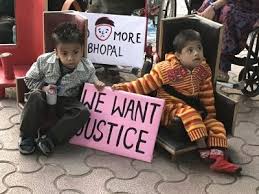 (Beyond Pesticides, December 2, 2019) December 2 marks the 35th anniversary of the world’s worst industrial chemical accident. During the night of December 2, 1984, the Union Carbide pesticide manufacturing plant released the highly toxic gas methyl isocyanate (MIC) into the air of Bhopal, India. The reports were horrifying – an estimated 25,000 people died from direct effects of the exposure, and hundreds of thousands suffer from permanent disabilities or chronic problems. The health effects were not limited to those exposed that night. Generations of children suffer from birth defects as a result of the accident, including what one doctor described as ‘monstrous births.’ Many people are still exposed to the contaminated site and chemicals released from it.
 (Beyond Pesticides, November 26, 2019) Bayer’s Monsanto endangered public health and the environment by knowingly storing and applying the highly hazardous and banned insecticide
  (Beyond Pesticides, November 25, 2019) Continuing its marathon of deregulation to benefit the chemical industry, the Trump administration’s Environmental Protection Agency (EPA) announced
  (Beyond Pesticides, November 22, 2019) The potential exit of the United Kingdom from the European Union (EU) — aka “Brexit” — may portend greater pesticide use and exposures, according to a
  (Beyond Pesticides, November 21, 2019) The City of South Miami last month became the first organic community in the state of Florida, passing a
  (Beyond Pesticides, November 20, 2019) Continuing its marathon of deregulation to benefit the chemical industry, the Trump administration’s Environmental Protection Agency (EPA) released a memo announcing its proposal to increase the amount of the weed killer atrazine allowed in U.S. waterways by 50% during the chemical’s registration review—a stark reversal of previous proposals to significantly reduce atrazine levels in the environment. The proposal comes after agrichemical giant
 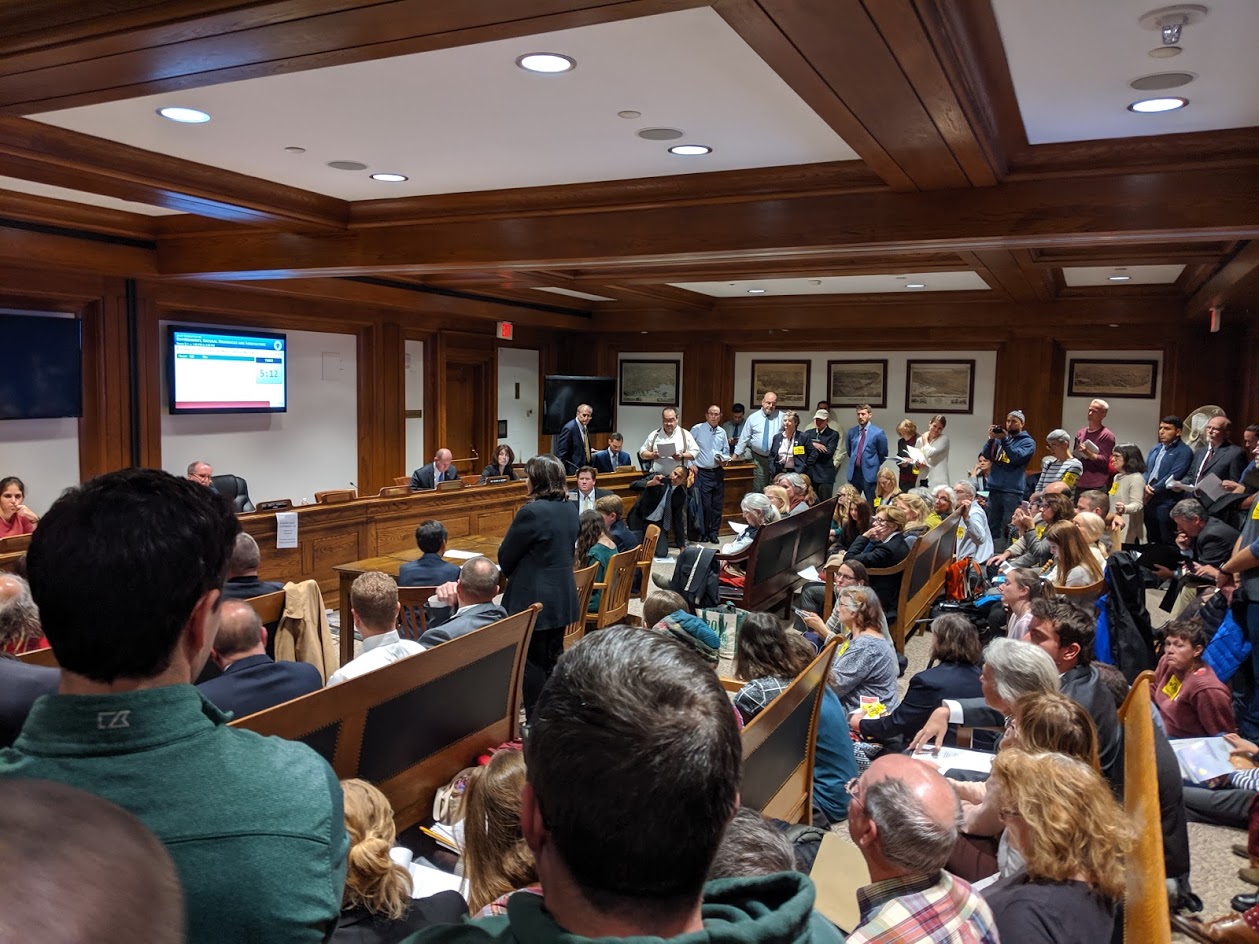 (Beyond Pesticides, November 19, 2019) Legislatures in two New England states continue to deliberate environmental and public health measures aimed at protecting pollinators, safeguarding schoolchildren, and eliminating toxic pesticides. In Massachusetts, dozens of advocates packed a crowded hearing room for a
  (Beyond Pesticides, November 18, 2019)
  (Beyond Pesticides, November 15, 2019) The
  (Beyond Pesticides, November 14, 2019) The Environmental Protection Agency (EPA), under pressure from chemical companies,
  (Beyond Pesticides, November 13, 2019) Research from Germany
 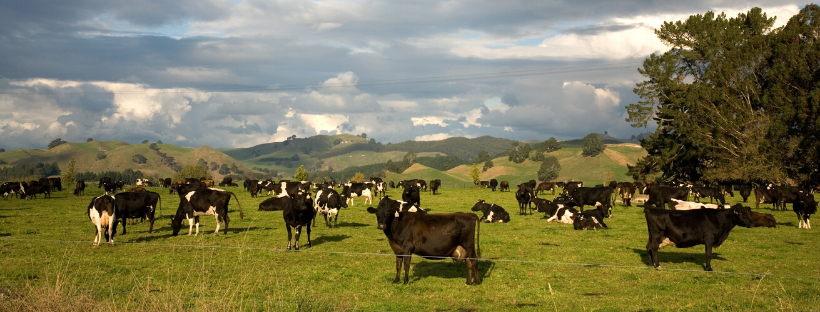 (Beyond Pesticides, November 12, 2019) Current USDA regulations clearly state that after a dairy farmer takes advantage of a one-time exemption to convert an existing “distinct” herd to organic production—all animals brought onto the farm must have been managed organically from the last third of gestation—in the case of cows, from three months prior to birth.
 (Beyond Pesticides, November 8, 2019) A
  (Beyond Pesticides, November 7, 2018) A former employee of the Minneapolis Park and Recreation Board claims that other staff members misused and disposed of pesticides in protected areas next to Lake Harriet. The controversy comes at a pivotal moment for Minneapolis, as Minneapolis Public School District and the Park and Recreation Board are beginning a demonstration organic land management project on a number of properties. Advocates are pushing for organic land management as an alternative to chemical-intensive practices.
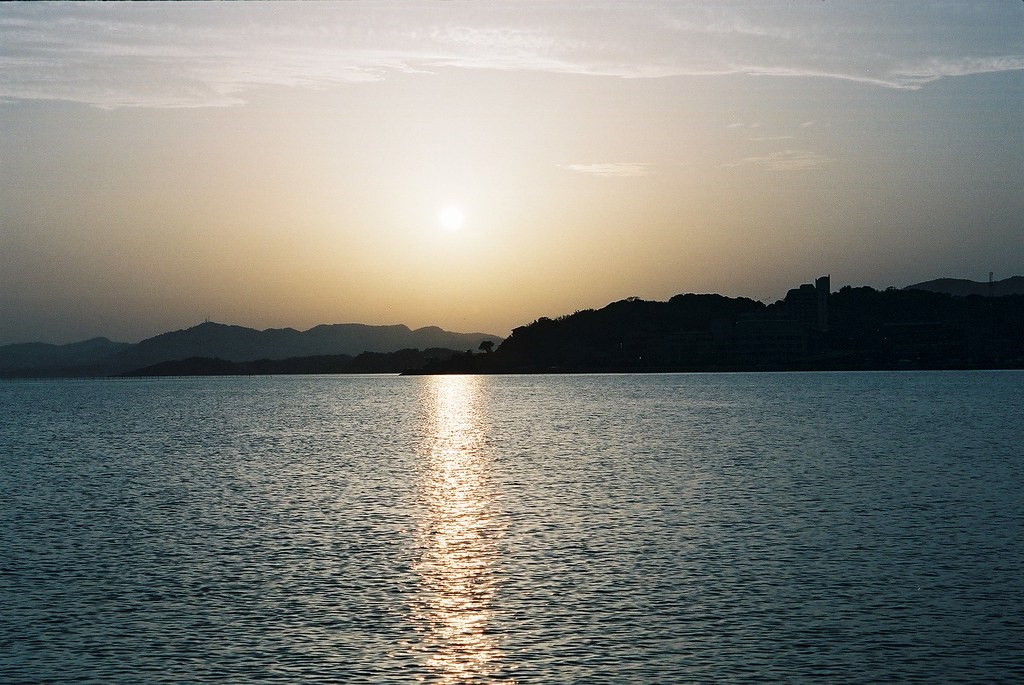 (Beyond Pesticides, November 6, 2019) Between 1981 and 1992, Japanese fishers annually reaped an average of 240 tons of smelt from Lake Shinji. After 1993, their nets turned up about 22 tons – a 90% drop in their yield. Eel catches dropped by 74%. New research, published in the journal
  (Beyond Pesticides, November 5, 2019) Herbicide use is associated with an increased risk of developing cutaneous melanoma, a skin cancer, according to a meta-analysis published last month in the
  (Beyond Pesticides, November 4, 2019) In recognition of the harm that climate change is causing to communities, the U.S. House of Representatives formed the Select Committee on the Climate Crisis to “investigate, study, make findings, and develop recommendations on policies, strategies, and innovations to achieve substantial and permanent reductions in pollution and other activities that contribute to the climate crisis, which will honor our responsibility to be good stewards of the planet for future generations.”
 (Beyond Pesticides, November 1, 2019) The recently published report
  (Beyond Pesticides, October 31, 2019) Last week the U.S. District Court in San Francisco ruled that the Environmental Protection Agency (EPA) must assess the risk eight toxic pesticides pose to protected organisms:
 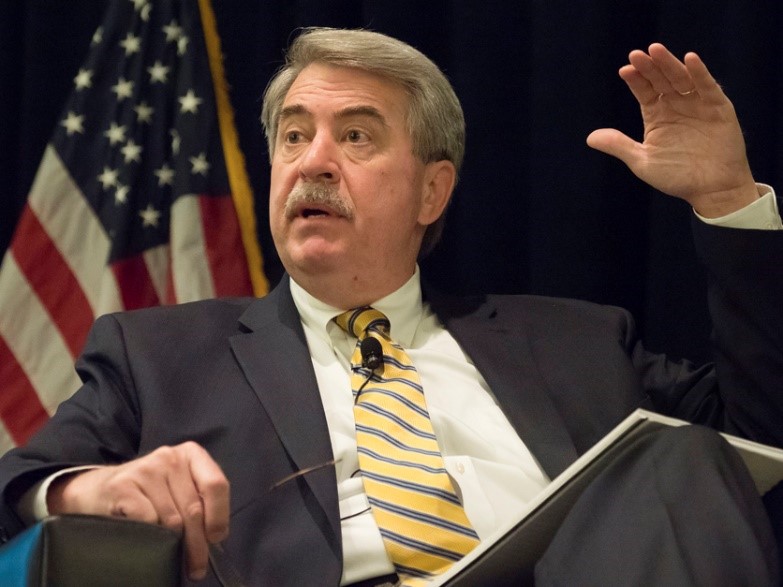 (Beyond Pesticides, October 30th, 2019) This month, the Thai government moved to ban some toxic chemicals out of concern for the health of its residents and environment. In response, U.S. Department of Agriculture (USDA) Undersecretary Ted McKinney sent a document to Thailand’s Prime Minister Prayuth Chan-ocha pushing back on their plan. As the Thai government makes changes to protect the health and represent the will of the people, the U.S. acts on behalf of its allegiance to agrichemical companies on an international stage.
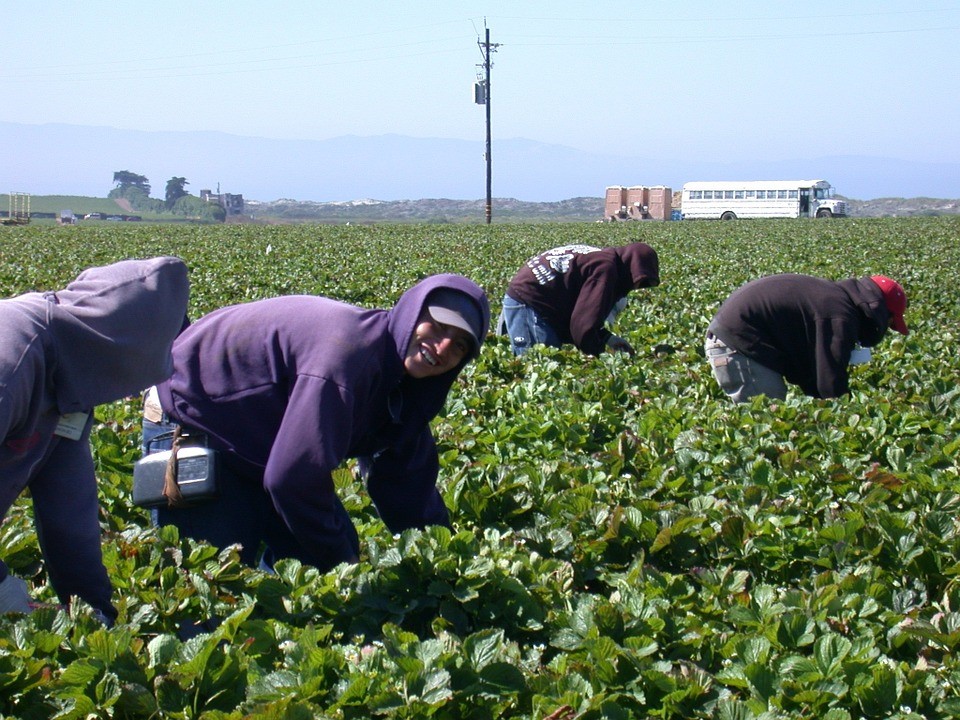 (Beyond Pesticides, October 29, 2019) The U.S. Environmental Protection Agency is proposing changes to the way farmworkers and bystanders are protected from toxic pesticide applications, per
  (Beyond Pesticides, October 27, 2019) The spraying of toxic herbicides for weed control on campuses exposes students, workers and the general public to chemicals linked to health problems such as cancer and reproductive issues.


