





10
Jan
Study Links Pyrethroid Insecticides to Cardiovascular Disease and Other Health Hazards
 (Beyond Pesticides, January 10, 2020) A new study by researchers out of the University of Iowa College of Public Health, published in JAMA (the Journal of the American Medical Association) Internal Medicine, demonstrates that greater exposure to pyrethroid insecticides is associated with higher risks of death from all causes and from cardiovascular disease. These compounds can be inhaled, ingested, or absorbed through the skin; they are highly neurotoxic, and have also been linked to certain cancers, endocrine disruption, and suppression of the immune system, as well as respiratory and reproductive impacts.
The researchers gathered data, for 2,116 adults aged 20 or older, from the National Health and Nutrition Examination Survey. Each of those subjects had contributed a urine sample at some point between 1999 and 2002. Urine samples reflect levels of a pyrethroid metabolite (3-phenoxybenzoic acid) present, which in turn offer information about pyrethroid exposure. The researchers followed the participants until 2015; the research analysis was performed in the summer of 2019. Data were adjusted to accommodate multiple factors (age, sex, ethnicity, socioeconomic status, diet and lifestyle, smoking status, body mass index, and urinary creatinine levels). The co-authors report that subjects with the highest levels of metabolites had a 56% higher risk of death during the follow-up period than did subjects with the lowest exposure levels. In addition, “those in the highest exposure group had three times the cardiovascular mortality risk of those in the lowest exposure group.”
Pyrethroids account for 30% of global pesticide use, and have been generally regarded as effective against insects with few short-term risks to human health. They are used on agricultural crops; for mosquito abatement, including in areas that include aquatic features; on livestock animals and their premises; in food and animal feed processing facilities; and in residential settings. The compounds target a broad variety of insects and arthropods, including ants, worms, beetles, mites, flies, gnats, spiders, weevils, caterpillars, grubs, moths, ticks, lice, wasps, aphids, and midges.
Pyrethroid insecticides are synthetic versions of naturally occurring pyrethrin compounds found in chrysanthemums that grow in Australia and parts of the African continent. Pyrethroids are often touted — by pest control operators and community mosquito management bureaus — as being “as safe as chrysanthemum flowers.” Although, as Beyond Pesticides wrote in 2011, “pyrethroids are a synthetic version of an extract from the chrysanthemum plant, they are chemically engineered to be more toxic [and to] take longer to break down, and are often formulated with synergists, increasing potency, and compromising the human body’s ability to detoxify the pesticide.” Use of pyrethroids has spiked as most residential organophosphate use has been phased out.
Pyrethroids represent risks beyond those to human health. They persist in the environment and adversely impact non-target organisms such as bees, fish, and other aquatic organisms; they are extremely damaging to non-target invertebrates, as evidenced by EPA’s (Environmental Protection Agency’s) own analysis. In 2017 comments submitted to EPA (relevant to registration of 19 pyrethroid insecticides), Beyond Pesticides noted that “pyrethroid uses result in acute and chronic risks that exceed levels of concern (LOCs) for aquatic organisms,” and set out evidence of risks to pollinators and endangered species.
Commenting scientists Steven Stellman, PhD, and Jeanne Mager Stellman, PhD, of the Columbia University Mailman School of Public Health in New York, acknowledge limitations of the subject research, e.g., the relatively young average age (for purposes of assessing pyrethroid’s impact on cardiovascular mortality) of participants at the study’s terminus: 57 years. They say that the study results, however, stand out: “Other than cigarette smoking, few, if any, chemical exposures are known to trigger a [threefold] increase in the risk of death from heart disease, especially in [people] younger than 60 years.” They conclude that immediate further investigation of pyrethroid health impacts is warranted. The co-authors concur, saying “Further studies are needed to replicate the findings and determine the underlying mechanisms.”
Beyond Pesticides continues its monitoring of research on pyrethroids, and its advocacy to insist that EPA regulate pesticides based on science and precaution. When EPA proposed, in 2012, an expansion in permitted pyrethroid insecticide uses as part of its cumulative risk assessment for this neurotoxic class of chemicals, it claimed that they did “‘not pose risk concerns for children or adults’ — ignoring a wealth of independent data that links this class of chemicals to certain cancers, respiratory and reproductive problems, and the onset of insect resistance. It went as far as to state that its cumulative assessment supports consideration of registering additional new uses of these pesticides, potentially opening the flood gates for manufacturers to bombard the market with more pyrethroid pesticides, endangering the health of the public.” Beyond Pesticides responded with comments to EPA that identified flaws in its required cumulative assessment, critiqued EPA’s judgment, identified the agency’s violation of its statutory duty, and called the agency out for its poor interpretation of health research data.
The agency is not currently performing much better. In November 2019, EPA proposed further weakening of protections against five pyrethroid compounds. The Trump administration’s EPA had already recently reduced protections for children from this class of insecticides, and the agency is now apparently welcoming the recommendations of industry — from, in this case, the Pyrethroid Working Group, a consortium of pesticide companies — to continue stripping away regulations designed to protect human and environmental health. That EPA November announcement proposed reapproval of five of 23 pyrethroids; proposals regarding the rest are already pending approval.
Beyond Pesticides is submitting comments to EPA on interim decisions on those five pyrethroid insecticides. Among its comments are these: “In its review, EPA fails to meet the statutory standard for continued registration of a pesticide. This failure . . . cuts across several areas of human health and environmental concern — synergistic effects of combined active ingredients in common formulations, a large number of adverse effects incidents, endocrine disruption, vulnerability of children to exposure, and threats to pollinators and endangered species. At the same time, the agency neglects to determine whether the pesticides under review could be replaced by practices or products that are non-toxic or less hazardous. The issues raised in our comments point to serious limitations in the agency’s ability to [assure] the public that pesticide products commonly available for insect control are safe, do not expose the public to serious hazards or uncertainties, and are necessary, given the availability of alternatives.”
Public comments on these interim decisions are due by January 13; the public can register its comments here, referencing docket #EPA-HQ-OPP-2008-0331-0085: https://www.regulations.gov/document?D=EPA-HQ-OPP-2008-0331-0085. Reach out to Beyond Pesticides for assistance with making public comments at 1-202-543-5450. Stay tuned for coming news on pyrethroid registration and health impacts of these compounds (and information on pesticides broadly) via the Daily News Blog.
All unattributed positions and opinions in this piece are those of Beyond Pesticides.
Sources: https://www.medicalnewstoday.com/articles/327415.php#1 and https://jamanetwork.com/journals/jamainternalmedicine/article-abstract/2757789


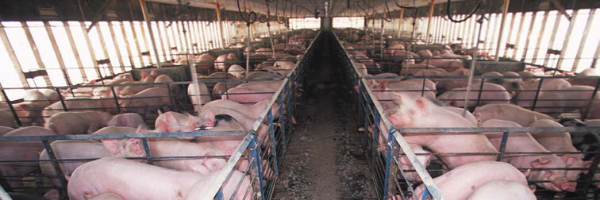 (Beyond Pesticides, January 6, 2020) In the midst of recalls of romaine lettuce contaminated with a pathogenic strain of E. coli, states and counties across the country are calling for a moratorium on large confined animal feeding operations (CAFOs). Now Senator Cory Booker is seeking to pass similar legislation at the national level. These industrial-scale operations are commonly referred to as “factory farms.”
 (Beyond Pesticides, January 3, 2020) In a hard-earned win, the city of Malibu, California collaborated with the Coastal Commission to ban toxic pesticide use in their community. While the city had already voted to



 (Beyond Pesticides, December 19, 2019) Identifying ongoing risk to endangered species, the environmental group
  (Beyond Pesticides, December 18, 2019) France is making headlines this month in the great, global glyphosate (Roundup) debate. Last week, the French health and safety agency, ANSES (Agence Nationale de sécurité sanitaire de l’alimentation, de l’environment et du travail or the French Agency for Food, Environmental and Occupational Health & Safety), made preliminary decisions within its review of authorizations for the 69 glyphosate (Roundup) weed killer products allowed for sale in the country. ANSES called for immediate withdrawal of authorization for 36 of those products “due to a lack or absence of scientific data which would allow all genotoxical risk to be ruled out.” The agency also announced it has denied authorization of 4 out of 11 glyphosate-based products submitted for approval since January, 2018.
 (Beyond Pesticides, December 17, 2019) South Asian immigrants to the U.S. may be at increased risk of diabetes due to prior exposure to high levels of DDT,
 (Beyond Pesticides, December 13, 2019) The findings of a
  (Beyond Pesticides, December 11, 2019) Last week, the European Union voted to ban the neurotoxic insecticides chlorpyrifos and chorpyrifos-methyl from use beginning February 1, 2020.
 (Beyond Pesticides, December 10, 2019) Thousands of fox, coyote, and other carnivores will continue to be poisoned to death by hydrogen cyanide after the Trump Administration’s Environmental Protection Agency (EPA)
  (Beyond Pesticides, December 9, 2019) Although the influence of regulated corporations has historically silenced science that threatens profits – as shown by industry reaction to Rachel Carson’s Silent Spring – attacks on science in federal agencies have increased in the Trump administration.
  (Beyond Pesticides, December 6, 2019) A current ban of two pesticides —
  (Beyond Pesticides, December 5, 2019) Five years after three
  (Beyond Pesticides, December 4, 2019) Last week, Thailand’s government shifted course from banning three toxic pesticides to only restricting the use of glyphosate and delaying the enforcement of bans on paraquat and chlorpyrifos. After an initially strong stance, the government is now bending to pressure from the U.S. government and the chemical-intensive farming industry.
 (Beyond Pesticides, December 3, 2019) Common yard care practices are driven by income, age, geography, and peer-pressure, according to research funded by the


