





25
Nov
Ask Congress to Demand an Investigation into EPA’s Dismissal of Science
 (Beyond Pesticides, November 25, 2019) Continuing its marathon of deregulation to benefit the chemical industry, the Trump administration’s Environmental Protection Agency (EPA) announced its proposal to increase the amount of the weed killer atrazine allowed in U.S. waterways by 50% during the chemical’s registration review—a stark reversal of previous proposals to significantly reduce atrazine levels in the environment. The atrazine proposal follows closely on the heels of a proposal to further weaken protections regarding 23 pyrethroid insecticides that have been repeatedly linked by peer-reviewed studies to neurological issues such as learning disabilities in children.
EPA’s atrazine proposal comes after agrichemical giant Syngenta and the National Corn Growers Association requested that EPA dismiss independent research regarding the adverse impact of atrazine.
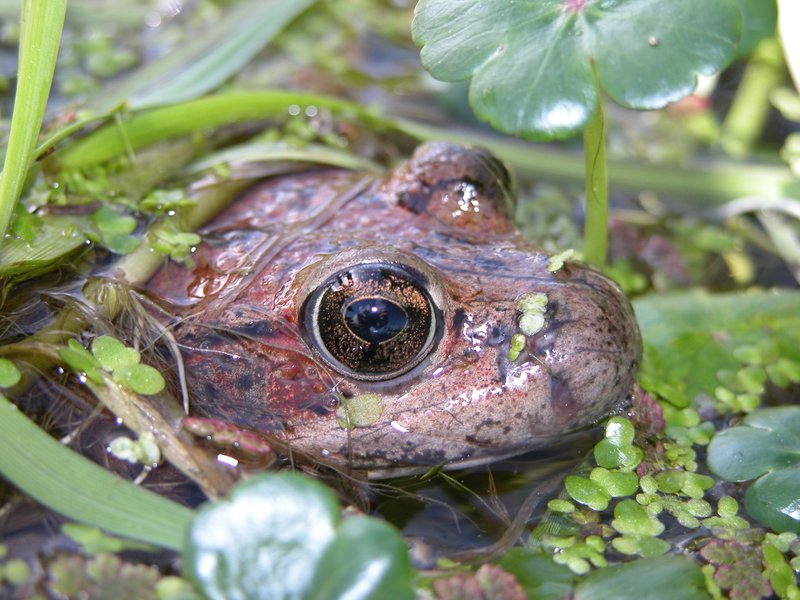
Atrazine, a broadleaf herbicide, is linked to endocrine disruption, neuropathy, and cancer. It disrupts the sexual development of frogs at levels far below the current allowed concentrations by EPA. Studies by Tyrone Hayes, PhD, University of California, Berkeley, and others have shown that concentrations as low as 0.1 ppb turn tadpoles into hermaphrodites. A 2009 study linked birth defects like gastroschisis and choanal atresia to the relative concentrations of atrazine and other pesticides in drinking water at the time of conception.
EPA’s proposal would increase the Concentration Equivalent Level of Concern (CELOC), a limit to protect aquatic organisms, by 50%. The new EPA position reverses its 2016 assessment based on a finding that levels of concern for chronic risk are exceeded by as much as 22, 198, and 62 times for birds, mammals, and fish, respectively.
An analysis of annual drinking water quality reports by the Environmental Working Group revealed that drinking water systems in the Midwest have seasonal exceedances of the allowable limit for atrazine. This explains why, instead of changing practices that pollute water systems, the chemical industry is eager to increase the allowable limit.
The agency’s pyrethroid proposal follows a request from an industry working group to reduce safeguards such as a permanent 66-foot vegetation buffer between fields and water bodies. EPA’s announcement proposes the reapproval of five out the 23 pyrethroids; proposals regarding the rest are already pending approval. EPA is accepting public comments on the proposal until January 13, 2020.
Pyrethroids are a common class of neurotoxic insecticides that have been repeatedly linked by peer-reviewed studies to neurological problems including learning disabilities in children. They are also extremely damaging to non-target invertebrates, according to EPA’s own analysis. Despite this, EPA recently undermined protections for children from these chemicals and now embraces industry proposals to further remove other safety barriers to human health and the environment. This August, EPA stripped away protections that limit children’s exposure to pyrethroids, lowering the safety factor (accepted exposure rates) from 3x to 1x that of adults – ignoring the fact that children are more susceptible to the impacts of toxic pesticides. In reviewing the epidemiological literature on the health impact of this chemical class, EPA looked at hundreds of peer-reviewed studies, but only incorporated two into its determination. The vast majority of studies reviewed by EPA were considered low quality by the agency’s subjective criteria, and effectively ignored.
Instead, the agency prioritized methodology put forth by an industry group that estimated pyrethroids to be metabolized by children at the same rate as adults. Children are more vulnerable to toxic chemical exposure than adults, given that they take in more chemical relative to body weight, and have organs systems whose development is disrupted.
Letter to Congress
Please ask the Inspector General of the Environmental Protection Agency (EPA) to investigate whether EPA—and specifically the Office of Pesticide Programs—is ignoring its statutory duty to use science in developing regulatory proposals. The Federal Insecticide, Fungicide, and Rodenticide Act requires EPA to make pesticide registration decisions based on data supplied by the pesticide registrant. Based on such data, EPA must decide whether the pesticide poses unreasonable adverse effects on the environment. EPA is increasingly ignoring data in making proposals.
EPA has proposed to increase the amount of the weed killer atrazine allowed in U.S. waterways by 50% during the chemical’s registration review—reversing previous proposals to significantly reduce atrazine levels in the environment. This follows on the heels of a proposal to further weaken protections regarding 23 neurotoxic pyrethroid insecticides.
EPA’s atrazine proposal comes after industry groups requested that EPA dismiss independent research regarding the adverse impact of atrazine. Atrazine is linked to endocrine disruption, neuropathy, and cancer. It disrupts the sexual development of frogs at levels far below the current allowed concentrations by EPA. A 2009 study linked birth defects to the relative concentrations of atrazine and other pesticides in drinking water at the time of conception.
EPA’s proposal would increase the Concentration Equivalent Level of Concern (CELOC), a limit to protect aquatic organisms, by 50%, reversing its 2016 finding that levels of concern for chronic risk are exceeded by as much as 22, 198, and 62 times for birds, mammals, and fish, respectively.
An analysis of drinking water quality by the Environmental Working Group revealed that drinking water systems in the Midwest have seasonal exceedances of the allowable limit for atrazine; the chemical industry is eager to increase the allowable limit.
EPA’s pyrethroid proposal follows a request from an industry working group, the Pyrethroid Working Group, to reduce safeguards such as vegetation buffers between fields and water bodies. The announcement proposes the reapproval of 5 out of 23 pyrethroids; proposals regarding the rest are already pending approval.
Pyrethroids are linked by peer-reviewed studies to neurological problems including learning disabilities in children. They are destructive to non-target invertebrates, according to EPA’s own analysis.
EPA recently stripped away protections that limit children’s exposure to pyrethroids, lowering the safety factor from 3x to 1x that of adults–ignoring the fact that children are more susceptible to the impacts of toxic pesticides given that they take in more chemical relative to body weight, and have organs systems whose development is disrupted. In reviewing the epidemiological literature on the health impact of this chemical class, EPA looked at hundreds of peer-reviewed studies, but only incorporated two into its determination. The vast majority of studies reviewed by EPA were effectively ignored.
Instead, the agency prioritized methodology put forth by the Pyrethroid Working Group that estimated pyrethroids to be metabolized by children at the same rate as adults.
Please request an investigation into whether EPA is ignoring its statutory duty to use science to make decisions. Thank you.

 (Beyond Pesticides, November 22, 2019) The potential exit of the United Kingdom from the European Union (EU) — aka “Brexit” — may portend greater pesticide use and exposures, according to a
  (Beyond Pesticides, November 21, 2019) The City of South Miami last month became the first organic community in the state of Florida, passing a
  (Beyond Pesticides, November 20, 2019) Continuing its marathon of deregulation to benefit the chemical industry, the Trump administration’s Environmental Protection Agency (EPA) released a memo announcing its proposal to increase the amount of the weed killer atrazine allowed in U.S. waterways by 50% during the chemical’s registration review—a stark reversal of previous proposals to significantly reduce atrazine levels in the environment. The proposal comes after agrichemical giant
  (Beyond Pesticides, November 19, 2019) Legislatures in two New England states continue to deliberate environmental and public health measures aimed at protecting pollinators, safeguarding schoolchildren, and eliminating toxic pesticides. In Massachusetts, dozens of advocates packed a crowded hearing room for a
  (Beyond Pesticides, November 18, 2019)
  (Beyond Pesticides, November 15, 2019) The
  (Beyond Pesticides, November 14, 2019) The Environmental Protection Agency (EPA), under pressure from chemical companies,
  (Beyond Pesticides, November 13, 2019) Research from Germany
  (Beyond Pesticides, November 12, 2019) Current USDA regulations clearly state that after a dairy farmer takes advantage of a one-time exemption to convert an existing “distinct” herd to organic production—all animals brought onto the farm must have been managed organically from the last third of gestation—in the case of cows, from three months prior to birth.
 (Beyond Pesticides, November 8, 2019) A
  (Beyond Pesticides, November 7, 2018) A former employee of the Minneapolis Park and Recreation Board claims that other staff members misused and disposed of pesticides in protected areas next to Lake Harriet. The controversy comes at a pivotal moment for Minneapolis, as Minneapolis Public School District and the Park and Recreation Board are beginning a demonstration organic land management project on a number of properties. Advocates are pushing for organic land management as an alternative to chemical-intensive practices.
 (Beyond Pesticides, November 6, 2019) Between 1981 and 1992, Japanese fishers annually reaped an average of 240 tons of smelt from Lake Shinji. After 1993, their nets turned up about 22 tons – a 90% drop in their yield. Eel catches dropped by 74%. New research, published in the journal
  (Beyond Pesticides, November 5, 2019) Herbicide use is associated with an increased risk of developing cutaneous melanoma, a skin cancer, according to a meta-analysis published last month in the
  (Beyond Pesticides, November 4, 2019) In recognition of the harm that climate change is causing to communities, the U.S. House of Representatives formed the Select Committee on the Climate Crisis to “investigate, study, make findings, and develop recommendations on policies, strategies, and innovations to achieve substantial and permanent reductions in pollution and other activities that contribute to the climate crisis, which will honor our responsibility to be good stewards of the planet for future generations.”
 (Beyond Pesticides, November 1, 2019) The recently published report
  (Beyond Pesticides, October 31, 2019) Last week the U.S. District Court in San Francisco ruled that the Environmental Protection Agency (EPA) must assess the risk eight toxic pesticides pose to protected organisms:
  (Beyond Pesticides, October 30th, 2019) This month, the Thai government moved to ban some toxic chemicals out of concern for the health of its residents and environment. In response, U.S. Department of Agriculture (USDA) Undersecretary Ted McKinney sent a document to Thailand’s Prime Minister Prayuth Chan-ocha pushing back on their plan. As the Thai government makes changes to protect the health and represent the will of the people, the U.S. acts on behalf of its allegiance to agrichemical companies on an international stage.
 (Beyond Pesticides, October 29, 2019) The U.S. Environmental Protection Agency is proposing changes to the way farmworkers and bystanders are protected from toxic pesticide applications, per
  (Beyond Pesticides, October 27, 2019) The spraying of toxic herbicides for weed control on campuses exposes students, workers and the general public to chemicals linked to health problems such as cancer and reproductive issues.
 (Beyond Pesticides, October 25, 2019)
  (Beyond Pesticides, October 24, 2019) Fish and fruit are undoubtedly healthy foods, but modern-day contamination is leading scientists to caution pregnant mothers and young children to stick within current dietary guidelines, or switch to organic, in order to avoid adverse health effects. This new public health message is based on research
 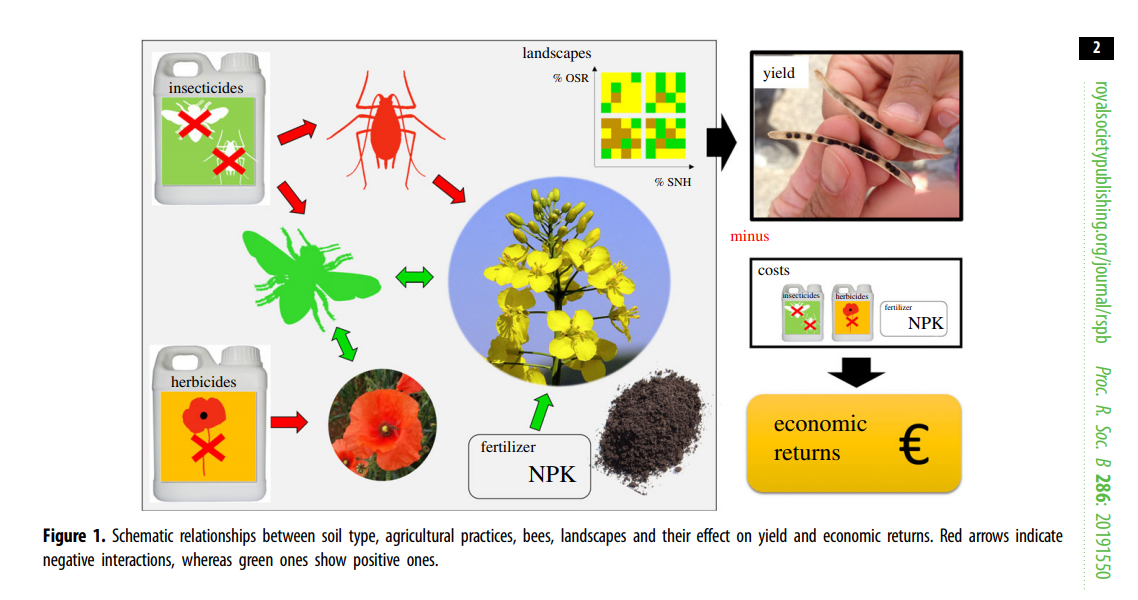 (Beyond Pesticides, October 23, 2019) Bees provide benefits to farmers that outweigh synthetic inputs, according to a


