





20
Aug
Judge Hands Down 10-Year Prison Sentence in Organic Fraud Case
 (Beyond Pesticides, August, 20, 2019) Last week U.S. District Court Judge C.J. Williams sentenced Missouri resident Randy Constant to 10 years in prison for selling conventional grains he and his co-conspirators fraudulently passed off as certified organic. In his ruling, Judge Williams noted the scheme resulted in “extreme and incalculable damage” to consumers and public trust in the organic label. According to court filings, Mr. Constant made over $120 million in the scheme, much of it spent on vacations and trips to Las Vegas. The case highlights the importance of funding enforcement measures that ensure compliance with the organic certification process and the resulting price premium it confers to organic farmers.
Mr. Constant was convicted last December of one count of wire fraud, admitting that from 2010 to 2017, he misled customers who purchased grain at a silo he owned in Iowa called Jericho Solutions. Mr. Constant told customers that the grain they were purchasing was grown on certified organic fields he owned in Iowa or Nebraska, when in fact the grain was either not organic or mixed with non-organic grain.
“Thousands upon thousands of consumers paid for products they did not get and paid for products they did not want,” Judge Williams told the Associated Press (AP). “This has caused incalculable damage to the confidence the American public has in organic products.”
In order to become certified organic, farmers must develop and adhere to an organic systems plan and not apply any prohibited materials, including toxic pesticides, for a period of three years. Organic farmers must create an organic system plan detailing all practices and substances that will be used on the farm, and are required to keep detailed records to ensure compliance. Farmers must maintain careful records and pay a fee for annual inspections by an inspectors working for organic certification agencies.
Mr. Constant’s scheme undermined the integrity of this process and public trust in the USDA organic label. He was able to sell his fraudulent grain at significantly lower prices than others in the region, undercutting organic farmers working hard to follow certification requirements. According to reports, Mr. Constant’s scheme encompassed upwards of 7% of organic corn and 8% of organic soybeans grown in the year 2016.
“He saw the weakness in the system and he exploited it over and over again,” said US Attorney Jacob Schunk to the AP.
Mr. Constant enlisted three co-conspirators in his crime, all of whom were also sentenced to months-long prison terms. Court filings indicate he spent considerable sums gambling in Las Vegas. He also admitted to spending $2 million on three women in the City with whom he developed relationships. His wife and other relatives attended the sentencing date last week.
“The organic industry in this country is built in trust and I violated that trust,” Mr. Constant told the court, according to the AP report.
Although possibly the largest individual scam, this is not the first time the organic industry has dealt with fraud. A major report in the Washington Post in 2017 found three large overseas grain shipments, totaling 7% of annual organic corn and 4% of soybeans, imported to the US were fraudulently labeled as organic. The report led the National Organic Standards Board to unanimously adopt proposals to fight fraud in the industry (see Beyond Pesticides’ comments here).
Mr. Constant’s prosecution should be a warning for others trying to game a system based upon trust and integrity. When produced according to certification requirements, organic production is a boon for local economies, and boosts farmers’ bottom lines. As enforcement improves, the government must also provide more incentives for farmers to transition to organic, as this method of food production is critical to addressing our cascading environmental crises, including the insect apocalypse.
Don’t let fraudulent schemes stop you from supporting organic agriculture. Organic agriculture is much more rigorously monitored than the chemical-intensive conventional agriculture. When possible, buy from local organic farmers who you know and trust. Many certifiers are also certifying products that go against the spirit and intent of the organic production process, such as hydroponic produce or factory dairy or egg farms. So look for certifiers listed as fair, excellent or exemplary by the Cornucopia Institute’s certifier guide to uphold organic integrity. Insist on transparency and full disclosure in all aspects of organic production, certification, and oversight.
Stay in touch on the latest in organic regulations through Beyond Pesticides Keeping Organic Strong webpage.
All unattributed positions and opinions in this piece are those of Beyond Pesticides.
Source: Associated Press, Dept of Justice

 (Beyond Pesticides, August 19, 2019) The Trump Administration has reignited the attack on the Endangered Species Act (ESA), one of the most effective environmental laws in restoring threatened and endangered species and their habitat. This time the attack is coming through regulations that undermine the letter, spirit, and intent of ESA.
 (Beyond Pesticides, August 14, 2019) Earlier this summer, the California Department of Pesticide Regulation (CDPR) released a free app to facilitate the reporting of pesticide incidents in the state. The app, CASPIR (
 (Beyond Pesticides, August 13, 2019) The U.S. Environmental Protection Agency (EPA) is refusing to approve product labels that disclose that the herbicide glyphosate may cause cancer, according to a
  (Beyond Pesticides, August 12, 2019) Once again, the Environmental Protection Agency (EPA) has rejected the evidence provided by independent scientists and sided with the pesticide industry promoting its products; this time, removing a safety for factor for children on some of the most widely used insecticides, synthetic pyrethroids. When EPA cannot do its job, it is time for Congress to step in.
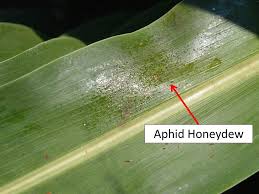 (Beyond Pesticides, August 9, 2019) A recent study,
  (Beyond Pesticides, August 8, 2019) The Food and Drug Association (FDA)
  (Beyond Pesticides, August 6, 2019) In a move that challenges the preponderance of independent peer-reviewed scientific findings on children’s health, the U.S. Environmental Protection Agency (EPA) recently
  (Beyond Pesticides, August 5, 2019) The U.S. Department of Agriculture (USDA) appears to have forgotten the lesson learned 20 years ago when it was forced to ban genetic engineering (GE) in organic regulations. At a July 17 hearing called by the U.S. House Agriculture Subcommittee on Biotechnology, Horticulture, and Research on “Assessing the Effectiveness of the National Organic Program,” Greg Ibach, the USDA’s Under Secretary for Marketing and Regulatory Programs, stated, “There is the opportunity to open the discussion to consider whether it is appropriate for some of these new technologies, including gene editing, to be eligible to be used to enhance organic production.”
 (Beyond Pesticides, August 2, 2019) Advocates of organic agriculture, including Beyond Pesticides, are sounding a “yellow alert” on the heels of recent comments, by the U.S. Department of Agriculture (USDA) Under Secretary for Marketing and Regulatory Programs, Greg Ibach, before the U.S. House Agriculture Subcommittee on Biotechnology, Horticulture, and Research. In his remarks,
 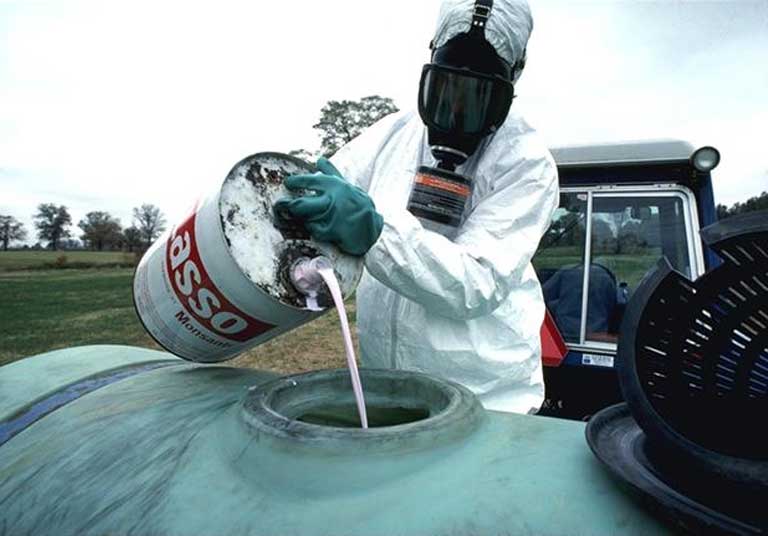 (Beyond Pesticides, August 1, 2019) Last month, the Brazilian Ministry of Agriculture approved the registration of 51 additional hazardous pesticides and brought the total to
 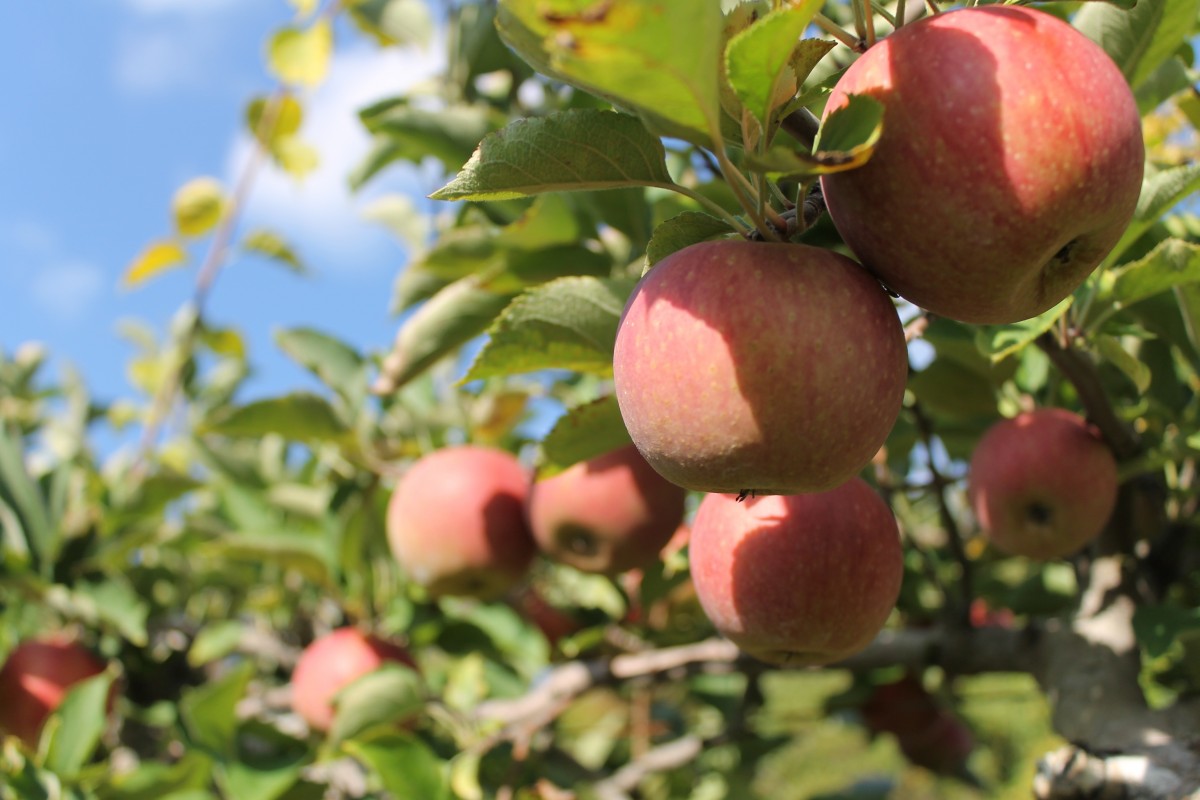 (Beyond Pesticides, July 31, 2019) When it comes to maintaining a healthy gut, organic apples shine, while conventional, pesticide-treated apples come out bruised and wanting, according to a new study published in
  (Beyond Pesticides, July 30, 2019) Earlier this month, the U.S. Environmental Protection Agency
  (Beyond Pesticides, July 29, 2019)
  (Beyond Pesticides, July 26, 2019) The botanic denizens of wild and unmanaged lands typically comprise many different plant species. This is because nature abhors monocultures — the existence of a single kind of plant growing across some amount of territory. Yet, this is the dominant practice in modern agriculture, and brings with it a plethora of problems. One of them, emerging from an
 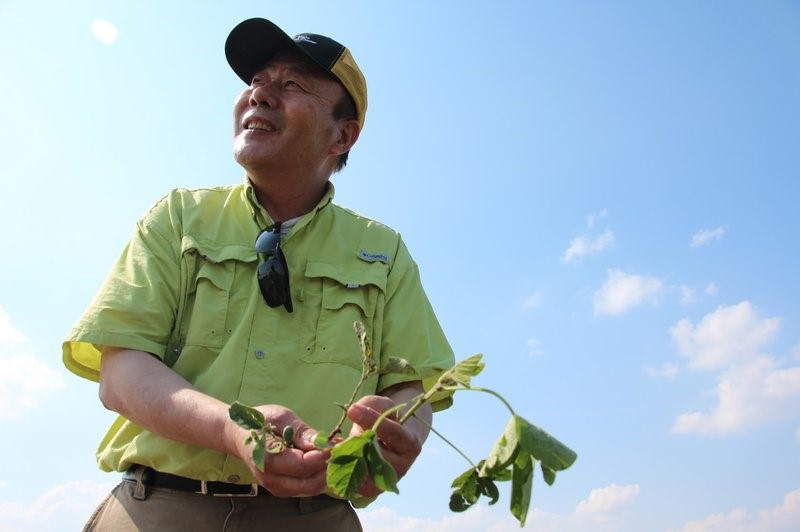 (Beyond Pesticides, July 25, 2019) Professors are experiencing damage to their soybean field research as a result of dicamba drift from neighboring agricultural fields. Experts worry that continued drift will make it impossible to carry out public research integral to non-genetically engineered soybean production. These reports,
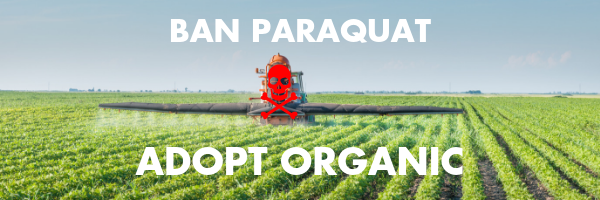
 (Beyond Pesticides, July 22, 2019) The U.S. Environmental Protection Agency (EPA) will permit the continued use of a known neurotoxic insecticide on the food the Americans eat, the agency announced yesterday in response to a lawsuit filed by public health groups. Health advocates say the move to continue
  (Beyond Pesticides, July 19, 2019) A high-level, nongovernmental commission in the United Kingdom (UK) — the


