





02
Oct
Schoolchildren Lead the Charge Against Roundup and Other Toxic Pesticides in New York City Parks
(Beyond Pesticides, October 2, 2017) Elementary school students at New York City’s PS 290 are taking a stand against toxic pesticide use in New York City parks, supporting Intro 800, a 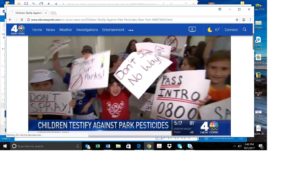 bill introduced by Manhattan Councilmember Ben Kallos. “We’re going to make a great big fuss,” the children in Mrs. Paula Rogivin’s kindergarten class chanted in a skit performed in front of the NYC Committee on Health this week. Since New York City (NYC) passed Local Law 37, Pesticide Use by City Agencies, in 2005 to stop toxic pesticide use on City owned and leased land, it turns out that some pesticides known to be hazardous were not captured by the law. As a result, the proposed legislation is intended to strengthen restrictions to ensure more comprehensive restrictions that limit pesticides to biological pesticides.
Local Law 37 restricts the use of acutely toxic and carcinogenic pesticides as defined by the U.S. Environmental Protection Agency (EPA), and developmental toxicants as defined by the state of California under Prop 65. Exemptions allowing the use of these pesticides are granted based on a waiver review process that requires evidence that the chemicals are necessary to protect public health. Otherwise, City agencies are encouraged to use less toxic products in and around structures and green spaces owned by the City. The law also requires NYC agencies to record and report their pesticide use, and each year the City publishes a Pesticide Use Report summarizing total pesticide amounts applied.
Intro 800 would amend Local Law 37 to limit the use of pesticides on New York City property to only biological based pesticides and those currently exempt from the requirements of the law. Much of the reform efforts are driven by the City’s increased use of the weedkiller glyphosate (Roundup) after the law was passed. “The World Health Organization found that it was a carcinogen, so we introduced legislation right away,” Councilmember Kallos said in an interview with CBS New York. Glyphosate use in NYC spiked in 2009, and declined thereafter, yet still has represented over 50% of pesticide use by City agencies over the past several years. In 2016, glyphosate was applied over 1,000 times by the NYC Department of Parks and Recreation.
Beyond Pesticides provided testimony in support of Intro 800, however suggested some clarifying amendments that would provide additional tools for landscapers to achieve aesthetic goals in NYC parks without sacrificing public health. This includes a request to include under exempt materials products that are certified organic under the U.S. Department of Agriculture’s National Organic Program. These products, which can be viewed and used in your own lawn care practices on Beyond Pesticides’ Organic Compatible Product List, are approved by the independent stakeholder National Organic Standards Board and are reviewed for their safety and essentiality within an organic land care system. Though biological pesticides cover a majority of least-toxic products available on the market, many active ingredients are specific to agricultural uses, and some are genetically engineered proteins used in crops, and thus not relevant to City pest management.
At the end of the day, student Jesse Balsam summed up the core importance of Intro 800 like only a bright young kid can. “I think this is a good law that should pass, because pesticides are bad for people,” the student told CBS New York. Indeed, given continued use of toxic pesticides in NYC Intro is thus critical to the protection of community health, particularly children, elderly, and vulnerable population groups that suffer from compromised immune and neurological systems, cancer, reproductive problems, respiratory illness and asthma, Parkinson’s, Alzheimer’s, diabetes, and learning disabilities.
Councilmember Kallos told CBS New York that he hopes to pass the legislation by year end. If you live in NYC and would like to show your support to your City Councilmember and urge them to pass Intro 800, go here to send them a letter, and consider following up with a phone call.
Get Beyond Pesticides take on Intro 800 by reading testimony presented this week to the NYC Council Committee on Health. For more information on the hazards of glyphosate use, see Beyond Pesticides Chemical Gateway page on the herbicide.
All unattributed positions and opinions in this piece are those of Beyond Pesticides.
Source: CBS New York.

 sustainability. That is the take from a
 new research
 feasibility of electronic disclosures as a means of providing consumers with information on genetically engineered (GE) food ingredients. The study, which should have been published in July 2017 by law, confirms concerns held by many that “electronic and digital disclosures” (QR codes) will pose technological challenges for consumers, limiting access to food information. The study was required by the 2016 Federal Bioengineered Food Disclosure Standards Act (the “
 controversy is coming to a head on allowing hydroponics to be certified organic. Contrary to prior recommendations of the NOSB, the National Organic Program has allowed some hydroponics operations to be certified. The NOSB will consider motions at this meeting that could stop this practice.
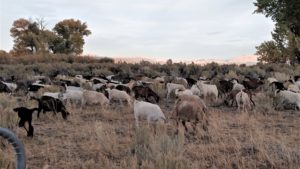 program, led by the Washoe Tribal Environmental Protection Department (WEPD), is being conducted with the Washington, DC-based organization Beyond Pesticides and Goat Green LLC., a goat grazing company based in Wyoming.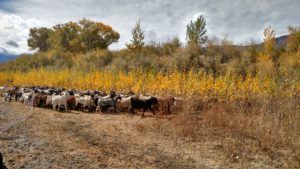
 Department of Pesticide Regulation (DPR) decision to approve additional uses for two bee-killing pesticides without disclosing the impact on honeybees.
 reaching its conclusion that glyphosate (Roundup) is “unlikely to pose a carcinogenic hazard to humans,” according to recent report in
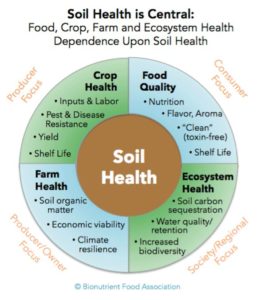
  soil on conventional chemical-intensive farms, according to a study conducted by researchers from Northeastern University and The Organic Center. The continuing effects of climate change necessitate a robust approach to both limiting and reducing carbon in the earth’s atmosphere. As the study shows, a wholesale transition from conventional to organic farming could play an important part in mitigating the effects of a warming planet.
 –since the administrator of EPA refused to take the action agency scientists said is necessary to protect children.
 according to reports from
 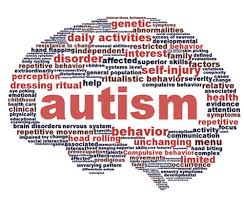 autism spectrum disorder (ASD) even when their mothers were exposed to household or agricultural pesticides. Researchers at the University of California, Davis found that taking folic acid during the window around conception, reduced the risk of pesticide-induced autism.
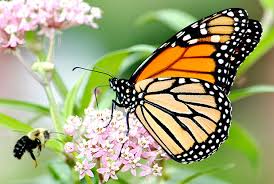 from western North America have declined far more dramatically than was previously known and face a greater risk of extinction – 86 percent in the next 50 years. The researchers do not know the exact cause but identify habitat loss and widespread pesticide use as likely culprits.
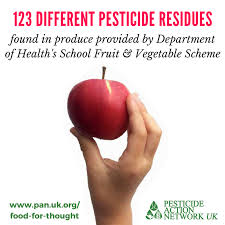 exposed to 123 pesticide residues in their daily lunches. The results call attention to the health and safety implications of pesticide exposure to children, which have developing body systems more sensitive to pesticide exposure. PAN-UK and other health groups are calling for a wholesale changeover to serving onlyorganic fruits and vegetables in schools.
 The ice cream brand says its social mission “seeks to meet human needs and eliminate the injustices in our local, national and international communities,” and that its focus is “on children and families, the environment and sustainable agriculture on family farms.”
 Wetlands improve water quality, sequester carbon, remove or neutralize pollutants, control flooding, protect adjacent areas from erosion, and host a multitude of beneficial plant and animal species — not to mention their recreational and aesthetic value.As recently reported in
 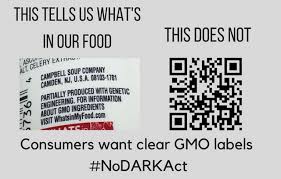 genetically engineered (GE) food,
  demographic groups, including those in farming. People working in the transportation sector registered the highest incidence of diagnosed diabetes at 10.6%. But those working as farmers and fishermen came in second, with 8.5% reporting a diagnosis of the disease.
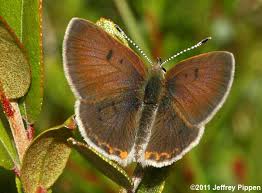 (Beyond Pesticides, September 5, 2017) The bog copper butterfly (Lycaena epixante) is a member of the second largest family of butterflies, Lycaenidae, which includes over 4,700 species worldwide. Also known as the cranberry-bog copper butterfly, the species has strong biological ties to cranberry plants and its associated habitat.
 (Beyond Pesticides, September 1, 2017)
  agricultural areas increases the risk of giving birth to a baby with abnormalities. These results are more significant for those exposed to very high levels of pesticides, underscoring the continued risks faced by farmworkers and farmworker families, especially mothers living near chemically-intensive treated fields.
 pesticides from the market, according to a study recently published by


