


13
Aug
Scientists Link Toxic Coronavirus Disinfectant Use to Wild Animal Deaths
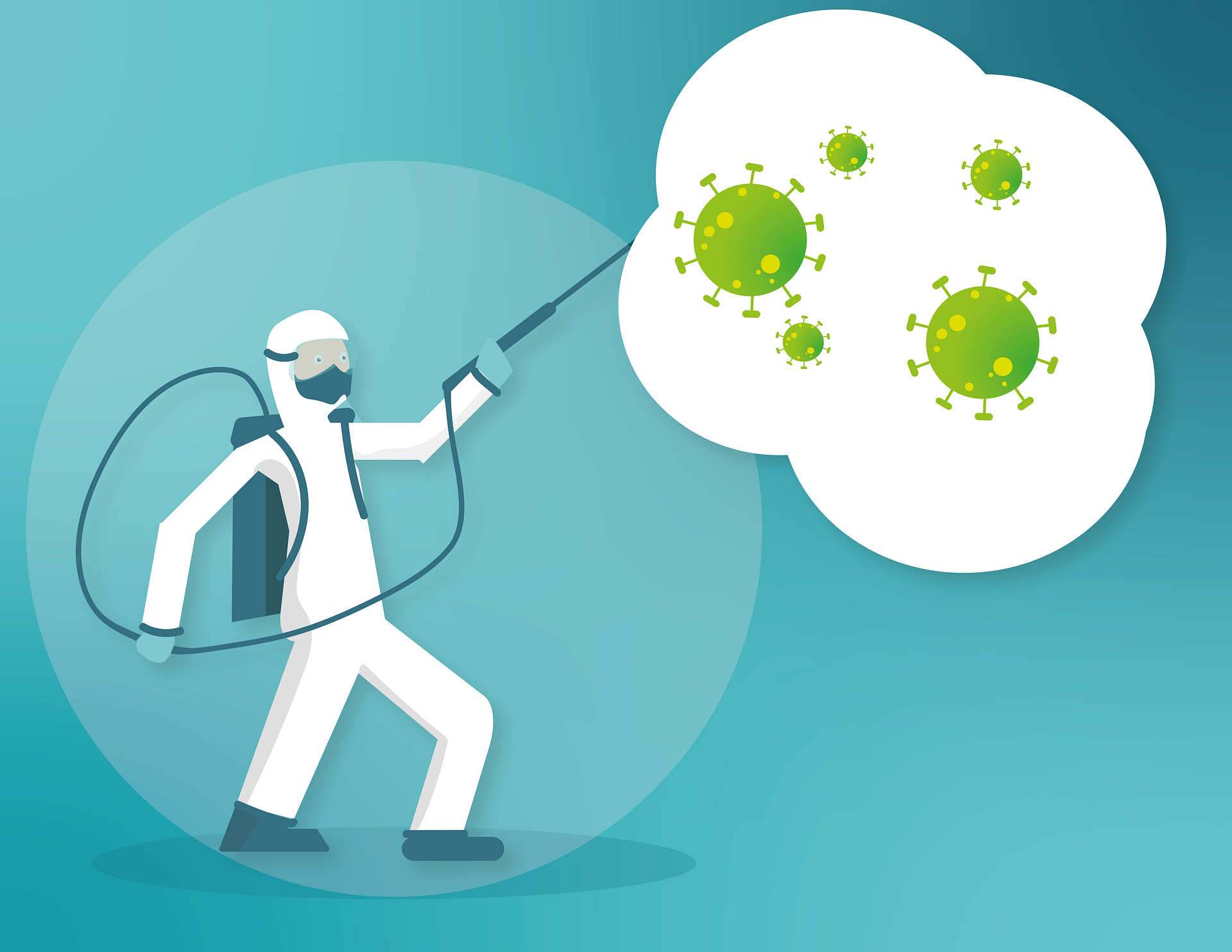 (Beyond Pesticides, August 13, 2020) An alarming new scientific report finds that excessive, indiscriminate disinfectant use against COVID-19 puts wildlife health at risk, especially in urban settings. The analysis, published in the journal Environmental Research, finds many of the chemical ingredients in disinfectant products are “acutely toxic to both terrestrial and aquatic animals,” causing death following exposure. Additionally, these chemicals have implications for human health as infectious disease specialists at the World Health Organization (WHO) warn excessive disinfectant use can cause respiratory problems, especially for those with underlying respiratory conditions.
With the total U.S. COVID-19 cases rising above 5.1 million, and the pressure to reopen public facilities, like schools, restaurants, gyms, etc., increasing, lack of proper disinfection guidelines and monitoring generates concerns surrounding heightened environmental pollution. The authors’ analysis supports the need for global leaders to regulate the spraying of disinfectants, especially in urban areas, with input from the scientific community. Wildlife are moving into urban areas at higher rates due to food availability and protection from hunting and natural dangers. However, if indiscriminate dispersal of disinfectants continues, these urban inhabitants face a whirlwind of health risks associated with exposure. The report’s analysts note, “The overuse of disinfectants may contaminate the habitats of urban wildlife. . . Therefore, it is important that disinfectants used to control COVID-19 in urban environments are selected and applied in ways that avoid unnecessary environmental pollution.”
Amidst the outbreak of SARS-CoV-2 (COVID-19), the global demand for disinfectants and sanitizers has increased substantially as a means of preventing illness in domestic and community settings. Initially, public health officials considered disinfecting highly trafficked areas as the most effective way to combat COVID-19. This notion has led to improper disinfectant practices in many countries, including China, France, and Spain, which employed trucks, drones, or robots to disperse massive amounts of disinfectants into public areas. However, the active ingredients in most disinfectants are harmful because these chemical compounds have corrosive and irritating properties. The New York Times reports an increase in calls to poison control centers regarding illnesses resulting from use or misuse of toxic disinfectants during the pandemic. Furthermore, WHO, and other infectious-disease specialists, condemn indiscriminate and vast amounts of disinfectant spraying in public areas as it is both ineffective and a health hazard, upon inhalation, or when combined with other disinfectants. Although some individuals can mitigate exposure to these toxic chemicals by remaining indoors, urban wildlife cannot do the same and bear the brunt of disinfectant exposure. As cities remain in lockdown, with streets void of humans, urban wildlife can roam around cities more frequently and in higher numbers. However, the vast amount of disinfectant use coinciding with the increase in urban wildlife during lockdown has scientists concerned about the impact on wildlife biodiversity.
Since China was the first country to begin citywide sanitation, researchers analyze a Chongqing Forestry Bureau report from Chongqing, China that investigated animal poisonings after exposure to disinfectants. Using field investigations in conjunction with sampling and testing done by animal quarantine agencies, researchers document the cause of these animal poisonings.
According to the Chongqing report, excessive disinfectant use results in abnormal animal deaths. At least 135 animals of 17 different species (including wild boars, weasels, common blackbirds [Turdus merula], and other bird species) died after disinfectant exposure from spraying.
Although chemical disinfectants kill viruses, bacteria, and other microbes via cell wall and protein destruction, they can also irritate and destroy the mucous membranes in animal and human respiratory and digestive tracts upon ingestion or inhalation. Occasionally, this exposure can lead to death in extreme cases. People who have a preexisting condition or are of advanced age, who may have a weakened immune or respiratory system. are more vulnerable to the effects of the virus. Many of the products approved as disinfectants have negative impacts on the respiratory or immune system, thus reducing resistance to the disease. When managing viral and bacterial infections, chemicals that exacerbate the risk to vulnerable individuals are of serious concern. Exposure to disinfectant products containing toxic chemicals, such as chlorine bleach, peroxyacetic acid, quaternary ammonium compounds (quats), sodium dichloro-s-triazinetrione, and hydrochloric acid are associated with a long list of adverse effects, from asthma to cancer. All of these chemicals can harm the respiratory system, with some quats shown to cause mutations, lower fertility, and increase antibiotic resistance. Additionally, toxic phenolic chemical compounds (i.e., cresols, hexachlorobenzene, and chlorophenols) cause adverse health effects from inhalation or exposure to the skin, including headaches, burning eyes, muscle tremors, skin burns, irregular heartbeat, severe injury to the heart, liver, kidneys, and lungs, cancer, and even death. Beyond Pesticides believes, “It is important during public health emergencies involving infectious diseases to scrutinize practices and products very carefully so that hazards presented by the crisis are not elevated because of the unnecessary threat introduced with toxic chemical use.”
Many studies show the links between human health and environmental and animal health as urban wildlife can positively affect human’s physical, mental, societal, cultural, and economic health and stability. However, toxic disinfectants can disrupt wildlife productivity via direct or indirect impacts. Chlorine, one of the most common disinfectants, is acutely toxic to terrestrial and aquatic organisms, including birds and mammals, causing respiratory injuries, digestive wounds, and death. Additionally, chlorine residue can bioaccumulate in the environment and contaminate food and water sources, thus creating an indirect exposure route for organisms never exposed to chlorine disinfectants.
Although disinfection is one of the most efficient ways to kill pathogens, one must follow scientifically based guidelines that take into consideration the effectiveness, accessibility, and health risks associated with the careful selection and proper use of disinfectant products. Scientists analyzing the Chongqing report believe, “Given that there are no scientific guidelines for the large-scale use of disinfectants in outdoor urban environments, it is crucial to develop strategies to minimize the environmental pollution caused by this practice… [A]n effective biological and environmental safety evaluation and prevention system are required to be put forward for facilitating healthy environments for organisms and biodiversity, especially for managing the future global public health challenges.”
With the management of viral and bacterial infections, we must not exacerbate the risk to both animals and humans in the process of avoiding or controlling the threat. In the case of COVID-19, we have measures of protection—both practices and products—that can prevent infection without using toxic products that increase risk factors. Individuals and government officials, alike, should observe all chemical ingredients on the disinfectant and sanitizer product labels and look at the use instructions to ensure that the method of use is safe for you. Additionally, the U.S. Environmental Protection Agency (EPA) registers disinfectants as pesticides designed for use on hard surfaces, but not bare skin like sanitizers. It is essential that when EPA weighs risks and benefits of pesticide use, it does not allow harm to those disproportionally impacted by these chemicals like farm/landscape workers and people of color, who may suffer elevated exposure to the virus as essential workers. An evaluation of the contribution of pesticide use and exposure to health outcomes of COVID-19 is urgently needed. For the facts on meeting health protection needs for disinfection, see Beyond Pesticides’ webpage on Disinfectants and Sanitizers for more information.
Source(s): Environmental Research, National Geographic.
All unattributed positions and opinions in this piece are those of Beyond Pesticides.

 (Beyond Pesticides, August 12, 2020) The herbicide atrazine can interfere with the health and reproduction of marsupials (including kangaroos and opossums)
 (Beyond Pesticides, August 10, 2020) As parents, educators, and administrators decide whether to open schools with in-person teaching, there are escalating concerns about the ability of schools to put in place the programs necessary to protect the health of students, staff, and their families from coronavirus (COVID-19). A key part of most school reopening plans is the fogging or misting of classrooms with toxic disinfectants, raising questions about safe and effective disinfection and sanitizing practices, in addition to social practices that public health officials have advised, to prevent transmission of the virus.
 (Beyond Pesticides, August 7, 2020) Research out of the Silent Spring Institute
 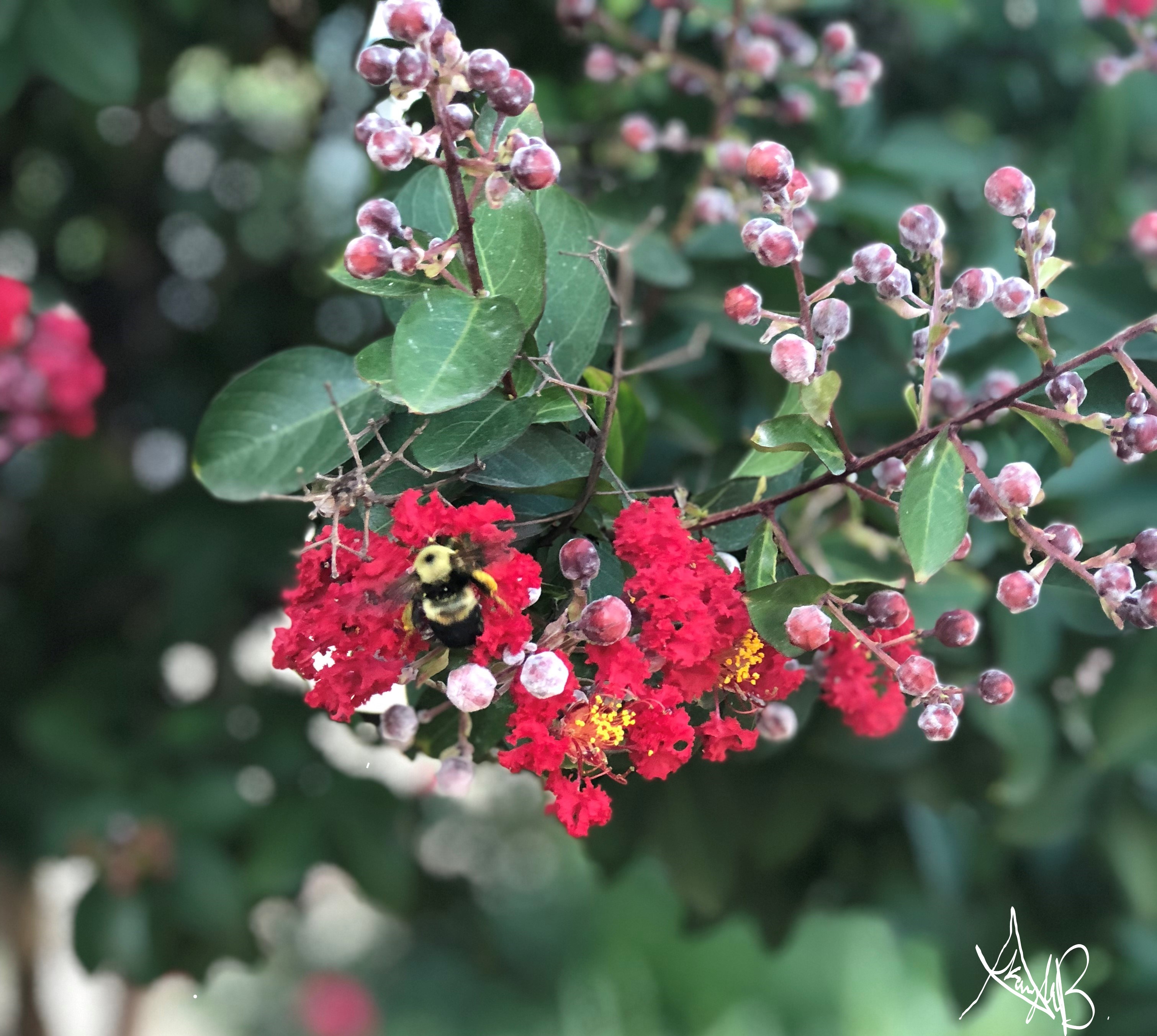 (Beyond Pesticides, August 6, 2020) New research finds that a decline in wild pollinator abundance, notably wild bees, limits crop yields in the U.S., according to the study, “
 (Beyond Pesticides, August 5, 2020) Regions of Australia that use a highly toxic rodenticide are home to larger dingoes than areas where the pesticide is not used, according to research published in the
  (Beyond Pesticides, August 4, 2020) Last month Massachusetts lawmakers finalized, and the Governor subsequently signed,
 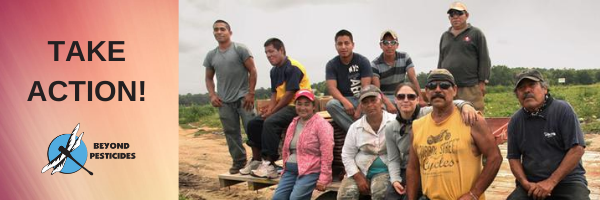 (Beyond Pesticides, August 3, 2020) The effects of pesticide use are important, yet ignored, factors affecting people of color (POC) who face elevated risk from Covid-19 as essential workers, as family members of those workers, and because of the
  (Beyond Pesticides, July 31, 2020) On July 22, the New York State Legislature passed
  (Beyond Pesticides, July 30, 2020) Simultaneous exposure to pesticides and noise from agricultural machinery increases farmworkers, risk of hearing loss, according to the study, “
 (Beyond Pesticides, July 29, 2020) Farmworkers and landscapers are deemed essential employees during the coronavirus outbreak, but without mandated safety protocols or government assistance, have experienced an explosion in Covid-19 cases. Workers in these industries are primarily Latinx people of color, many of whom are undocumented. According to a
 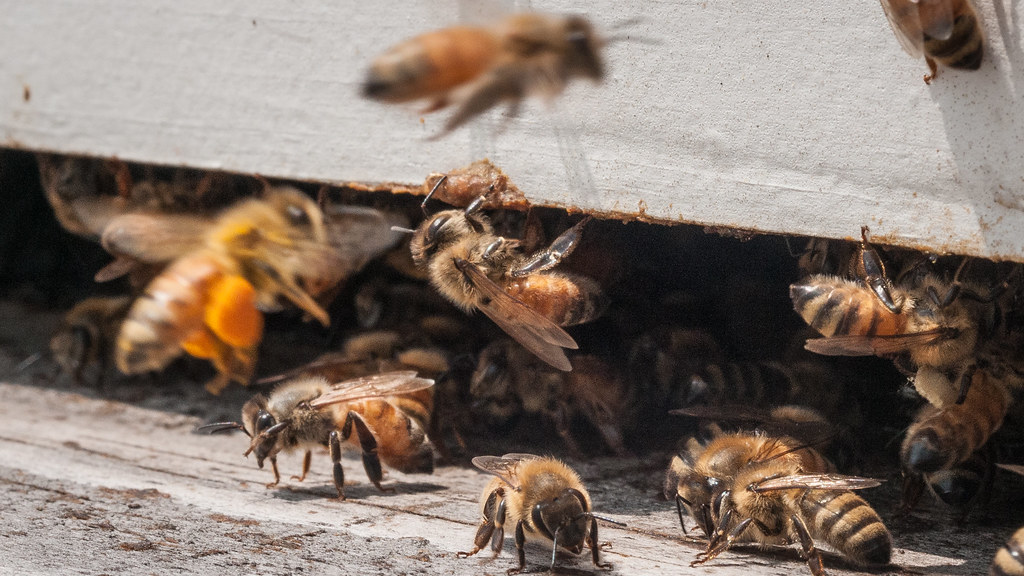 (Beyond Pesticides, July 28, 2020) With honey bees around the world under threat from toxic pesticide use, researchers are investigating a new way to track environmental contaminants in bee hives. This new product, APIStrip (Adsorb Pesticide In-hive Strip), can be placed into bee hives and act as a passive sampler for pesticide pollution. Honey bees are sentinel species for environmental pollutants, and this new technology could provide a helpful way not only for beekeepers to pinpoint problems with their colonies, but also track ambient levels of pesticide pollution in a community.
 (Beyond Pesticides, July 27, 2020)
 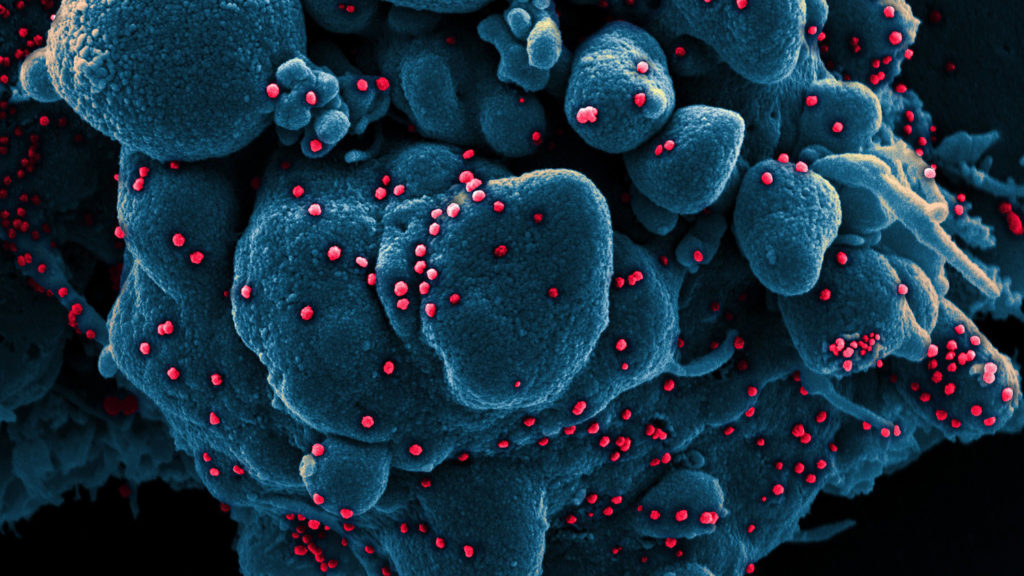 (Beyond Pesticides, July 24, 2020) As the novel coronavirus pandemic has heightened awareness of infectious diseases, there is increased attention to connections between environmental concerns and such diseases, including factors that may exacerbate their transmission.
 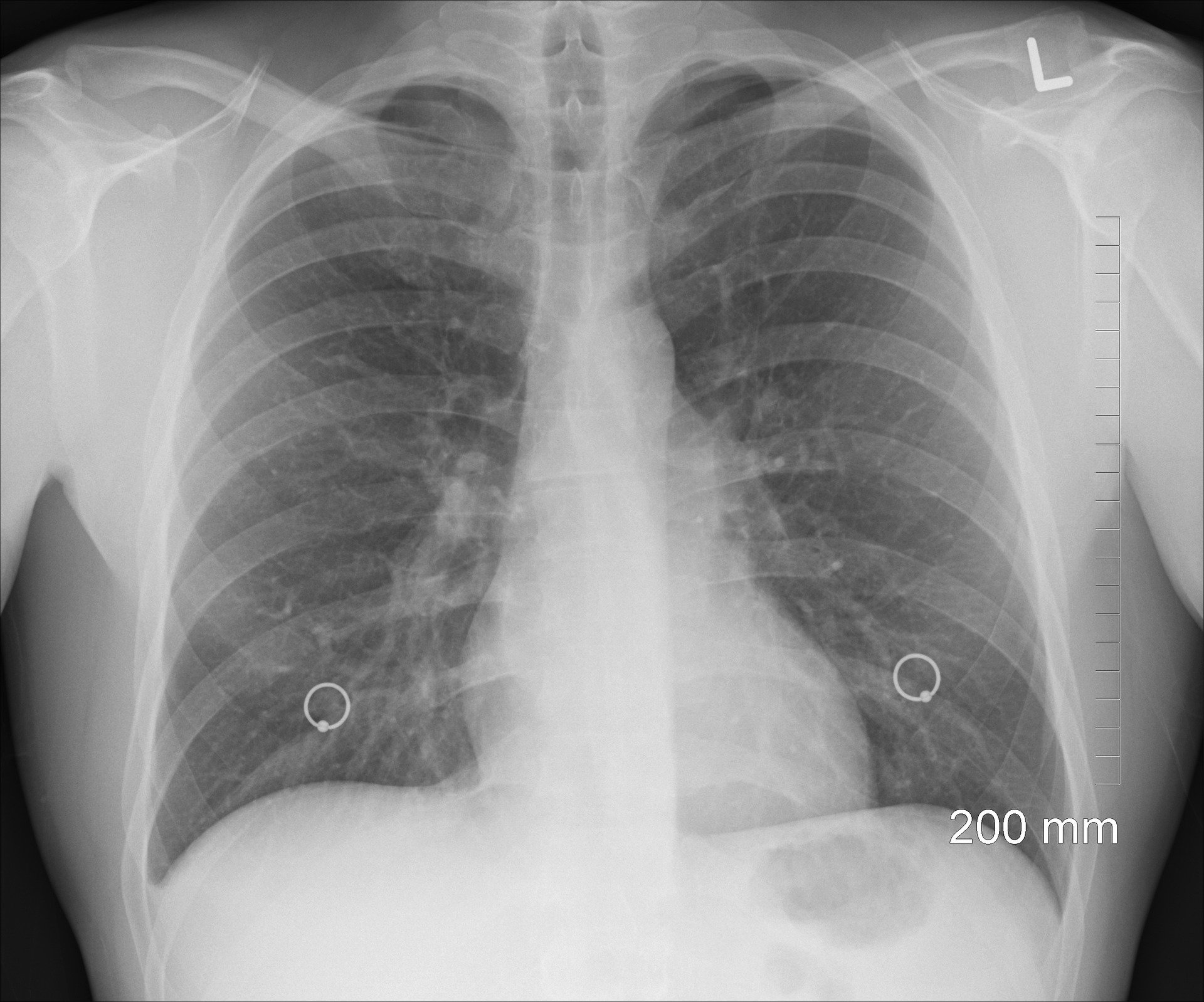 (Beyond Pesticides, July 23, 2020) Chronic pesticide use, and subsequent exposure, elevate a person’s risk of developing lung cancer, according to a study published in
  (Beyond Pesticides, June 22, 2020) In the latest issue of
 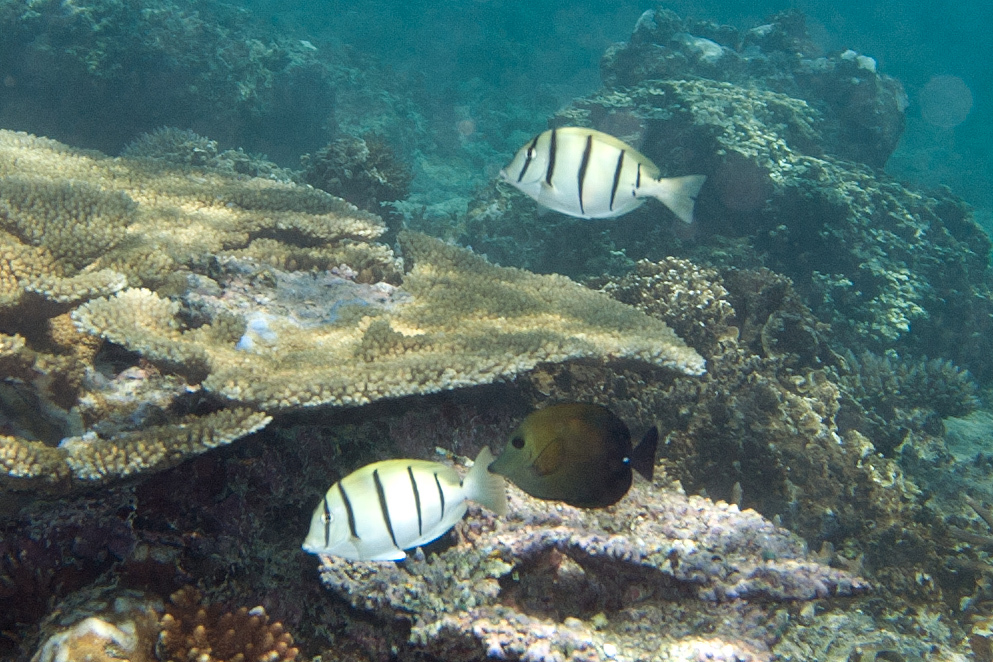 (Beyond Pesticides, July 21, 2020) Climate change and pesticide pollution are known to put coral reef fish at significant risk, but research published in
 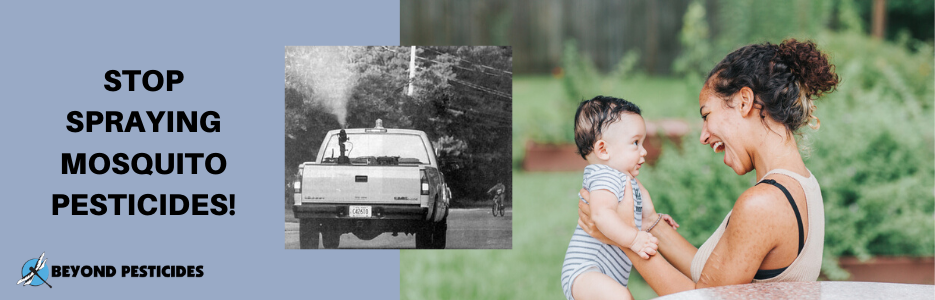 (Beyond Pesticides, July 20, 2020) Does your community spray toxic pesticides for mosquitoes? In a well-intentioned but ill-informed attempt to prevent mosquito-borne illness such as West Nile virus, many communities spray insecticides (adulticides) designed to kill flying mosquitoes. If your community is one of these, then your public officials need to know that there is a better, more-effective, way to prevent mosquito breeding.
 (Beyond Pesticides, July 17, 2020)
 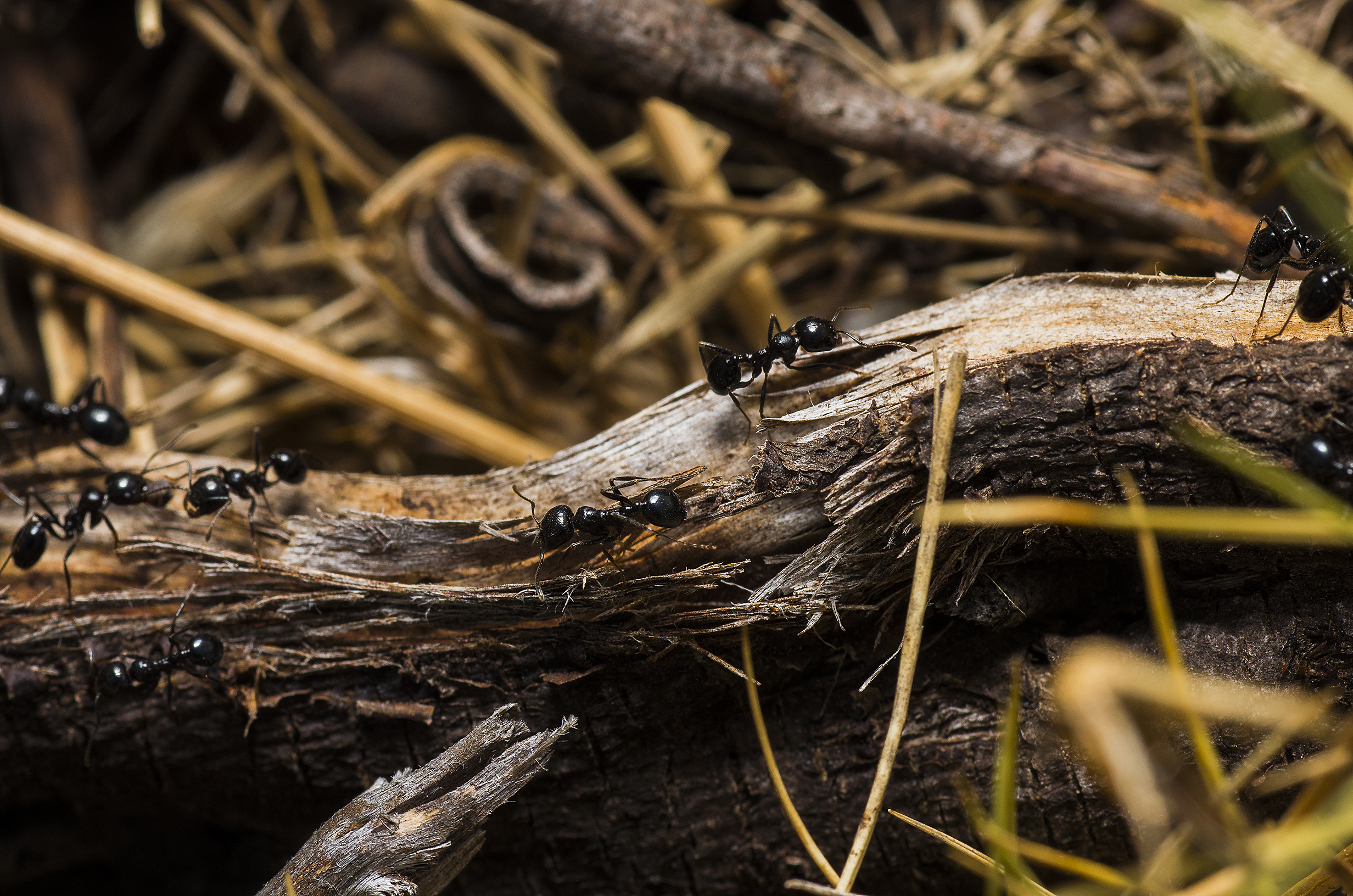 (Beyond Pesticides, July 16, 2020) Long-term exposure to sublethal (low-level) concentrations of the neonicotinoid in soil negatively affects the health and behavioral development of black garden ants (Lasius niger) colonies, according to a study published in
  (Beyond Pesticides, July 15, 2020) Evian bottled water is supposed to be so pure that scientists will calibrate their measuring devices with it. But