08
Jul
Pesticide-Intensive Agriculture Contributes to Severe Monarch Butterfly Decline through Milkweed Contamination
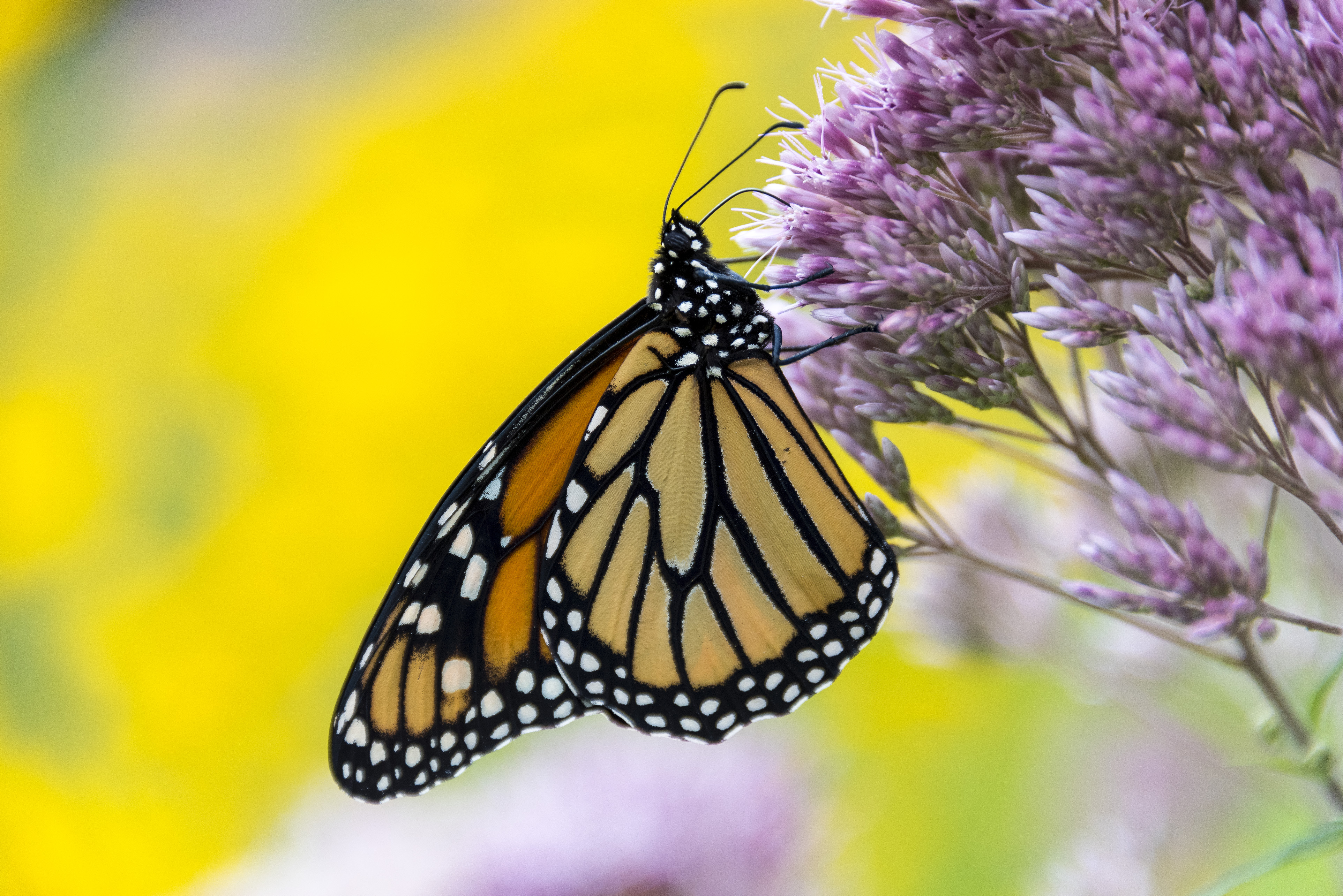 (Beyond Pesticides, June 8, 2019) Scientists studying the precipitous decline in populations of monarch butterflies are searching for causes, and pesticide use is one of the factors under their (figurative) microscopes. Purdue University entomology professor Ian Kaplan, PhD and doctoral student Paola Olaya-Arenas recently turned their attention to a poorly studied potential factor — exposure during monarchs’ larval stage to non-target pesticides on their primary host plant and food source, common milkweed (Asclepias syriaca). In Frontiers in Ecology and Evolution, the researchers report finding evidence of 14 different agricultural pesticides on milkweed near Indiana farm fields, including neonicotinoids clothianidin and thiamethoxam, the pyrethroid deltamethrin, and imidacloprid in a few samples.
The research team’s primary aim was to identify and measure the range of pesticides to which monarch caterpillars might be exposed, or which they might consume, on milkweed plants in agricultural landscapes. Secondarily, they hoped to learn how pesticide presence varies with distance between milkweed plants and nearby agricultural sites. In the subject Indiana environs, where corn and soybeans are dominant crops, the study found neonicotinoid residues on milkweed, particularly those of the active ingredients in clothianidin and thiamethoxam. They note, “Although seed treatment data are no longer reported for U.S. row crops, most corn in our region is seed treated, primarily with clothianidin, and much of the soybean acreage also employs a seed treatment, mainly thiamethoxam . . . . thus it is not surprising that these two insecticides were among the ones most commonly detected.”
The precipitous plummet in monarch butterfly populations — 80–90% over the past 15–20 years — portends a poor prognosis. A 2017 study conducted by the U.S. Fish and Wildlife Service indicates that western monarchs have an extinction risk of 86% within the next 50 years. A variety of factors has been implicated in monarch loss: Beyond Pesticides reported in 2018 that, for example, climate change can alter monarch migration patterns, and logging and development in Mexico and coastal California have eliminated significant habitat for monarch overwintering.
Perhaps a chief reason for the decline is loss of habitat and food sources due to the rapid and rabid adoption, in agriculture, of glyphosate-based herbicides and the GE (genetically engineered) crop seeds designed to be used with them. As Beyond Pesticides has written, “utilization of these GE crops has all but eliminated milkweeds from these fields, thus eliminating the butterfly’s source of food,” as well as sites for larval hosting. An estimated 165 million acres of breeding habitat in the U.S. have been lost to herbicide spraying and development.
Despite advocacy organizations’ encouragement to homeowners, land managers, and groundskeepers to plant (and not mow down) common milkweed, monarch numbers have continued to decline. Milkweed loves “disturbed ground,” whether farm fields, fence rows, pastures, roadsides, residential gardens, and even thin lawns. It could, before the advent of intensive herbicide use, particularly with GE crops, often be found growing among food crops in farm fields.
Dr. Kaplan and Ms. Olaya-Arenas note that a great deal of recent investigation and advocacy on non-target impacts on pollinators has focused on neonicotinoid pesticides, in large part because of their explosive adoption in agriculture across the globe. Much of that attention has gone to impacts on bees, but butterflies are also affected. Their published research paper notes, “Two recent time-scale analyses of reductions in butterfly diversity over the past several decades link these changes with the introduction and rise of neonicotinoids in the UK.” Of their study, the co-authors add, “The data suggest that early-season monarchs are at greater risk from neonicotinoid exposure than subsequent generations occurring later in the season. Similarly, our data suggest strong annual fluctuations in risk, indicating that monarchs likely encounter a different suite of pesticides each year.”
The researchers collected and evaluated 1,500+ milkweed leaves from seven different sites in Indiana over a two-year period, and found that: (1) insecticide presence and concentrations decreased with greater distance from agricultural fields; and (2) presence and concentration of pesticide compounds appeared to vary by year and month; e.g., clothianidin was found in June but not later in the growing season, and thiamethoxam and deltamethrin were found in year two of the study, but not in year one.
Some organizations have advised planting milkweed at least 125 feet from any farm field. Dr. Kaplan and Ms. Olaya-Arenas say that this metric is not really based in any science, adding, “It’s not a bad idea to put some distance between milkweed and farm fields, but we didn’t see a magic drop off at 125 feet.” This metric may have come from a 2016 U.S. Department of Agriculture “wildlife habitat evaluation guide and decision support tool for monarch butterfly restoration,” which recommended a “125-foot-wide pesticide-free buffer around restored milkweed habitat.”
The research team points to (without outright recommending) a different metric: plant milkweed even farther away from agricultural fields, because some pesticides can be found as far as two kilometers from the site of application. Indeed, spraying of pesticides via aircraft can reach as little as 50% of a target crop — with the other 50% trespassing to areas as far as 30 kilometers downwind.
Such metrics underscore the reality that a very small percentage of the active ingredients in pesticides actually make contact with the targeted pest organism; the rest is subsumed into the larger ecosystem. Neonicotinoids, which are used widely to coat seeds — and which use was a big part of the rapid rise in neonicotinoid employment starting in roughly 2013 — are one of the most environmentally damaging of pesticides. The co-authors identify an example of one reason that might be: in one study, a mere “1.3% of initial seed treatment is recovered from corn plants exposed to the neonicotinoid clothianidin, with the remaining 98–99% of material leached into the environment.” They also identify that “monarch declines have temporally coincided with the increase in use of neonicotinoids throughout agricultural regions in their summer breeding habitat.”
As the researchers say in their paper’s conclusion, “Risk assessment evaluating the potential impacts of pesticides on monarchs entails a two-step process; first, documenting the chemicals that larvae and/or adults are exposed to in the environment, and second, experimentally testing those chemicals most commonly encountered to assess lethal and sub-lethal effects.” Having addressed the first step through this study, they add, “We strongly emphasize . . . that pesticide presence does not necessarily translate into impact. Unlike honeybees, for which LD50 data are widely available on most compounds, at present such information is only available for clothianidin in the monarch system. [BP note: LD50 means the median lethal dose, or the amount of the substance required to kill 50% of a test population.] Clearly, a major emphasis of future research efforts should be to close this knowledge gap by quantifying monarch larval responses to a range of pesticides under controlled lab settings.”
The monarch butterfly faces an uphill slog as it confronts the forces of development, pesticides, climate change, logging, and other sources of habitat destruction and contamination. Solutions must happen on multiple fronts, and efforts are underway. Recently, the U.S. Fish and Wildlife Service (FWS) agreed to a 2020 deadline for deciding on protection for monarchs under the Endangered Species Act — in response to a petition, filed five years ago by the Center for Biological Diversity and the Center for Food Safety, that triggered a 2014 status review. The U.S. Department of Agriculture’s Natural Resources Conservation Service has deployed a Monarch Butterfly Habitat Development Project to provide funding for efforts to restore monarch habitat and plant common milkweed. It focuses on efforts in the Midwest and on the Great Plains, where it seeks to improving grassland habitat for monarchs. That said, as Beyond Pesticides has identified, the program has been woefully underfunded.
Regular folks can also have an impact in their own and community gardens. Planting milkweed in such environs, as well as “being kind” to it where it is discovered, can help create oases for monarchs. In addition, the toll taken by GE crops and their companion herbicides can be beaten back by purchasing organic food and other organic products whenever possible. See, also, Managing Landscapes with Pollinators in Mind and Hedgerows for Biodiversity. For additional ideas on protecting monarchs and other pollinators, see Beyond Pesticides’ Bee Protective webpage.
All unattributed positions and opinions in this piece are those of Beyond Pesticides.
Sources: https://www.frontiersin.org/articles/10.3389/fevo.2019.00223/full?_ga=2.99585561.668228990.1562015812-1408830912.1562015812 and https://www.purdue.edu/newsroom/releases/2019/Q2/pesticides-found-in-monarchs-milkweed-near-farm-fields.html

 (Beyond Pesticides, July 5, 2019) This is a story about a chemical pesticide, a fungicide, in wide use for which the mode of action, i.e., the ability to cause harm, has not been fully understood. It is not a story unique to this pesticide. Rather, it is an important story to consider when deciding to use a pesticide or allowing a pesticide to be used. The question is whether the chemical could be broadly problematic beyond the target organisms, in this case fungi? In its coverage of a study published in March, the
 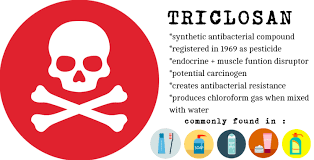 (Beyond Pesticides, July 3, 2019) A disturbing association between urinary triclosan concentrations and osteoporosis has been identified in an epidemiological study. Drawing from the National Health and Nutrition Examination Survey (NHANES) results for 1,848 U.S. adult women, the authors conclude that higher concentrations of urinary triclosan are associated with lower bone mass density and higher prevalence of osteoporosis among U.S. adult women.
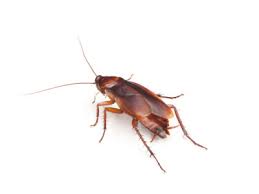 (Beyond Pesticides, July 2, 2019) German cockroaches, the bane of many apartment-dwellers throughout the U.S., can rapidly develop cross-resistance to insecticides they have never been exposed to, according to researchers from Purdue University. “This is a previously unrealized challenge in cockroaches,” said Michael Scharf, PhD, whose findings were published in the journal
 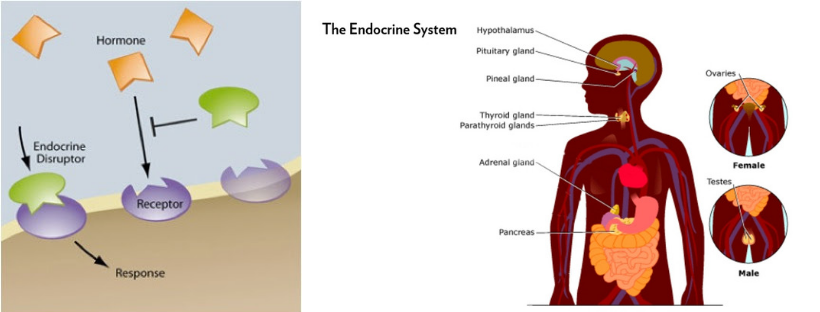 (Beyond Pesticides, July 1, 2019) France made a decision in May to ban a widely-used fungicide because it damages the endocrine system. In contrast, there has been a stark failure to protect health in the U.S. Despite a Congressional mandate, EPA is not acting on
 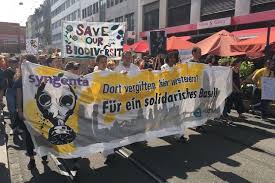 (Beyond Pesticides, June 28, 2019) As is the case in many countries, the conversation about the use of pesticides has been especially vigorous in the past few years. Switzerland is a case in point: it is undergoing deep scrutiny of pesticide use, and the
 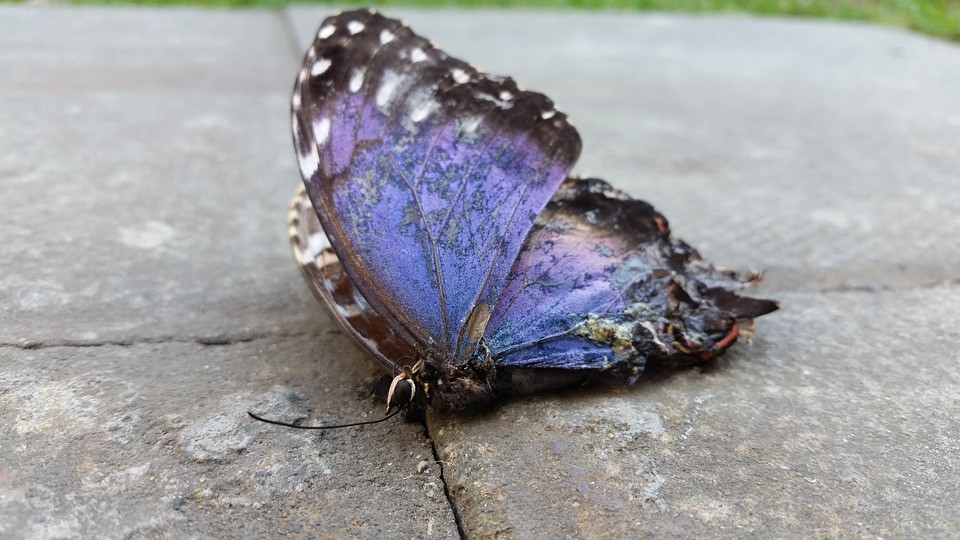 (Beyond Pesticides, June 27, 2019) A review of scientific literature urges for swift societal action on the collapse of insect populations worldwide, according to authors of a study. The authors point out that while there is a need for more research on the extent of the phenomenon as well as causal factors, there is currently sufficient evidence to spur and inform transformational policy in response to a definite worldwide crisis. The paper, Declines in insect abundance and diversity: We know enough to act now, provides a run-down of actions to take—from national policy to apartment balconies.
 (Beyond Pesticides, June 26, 2019) “We were drooling excessively. My eyes would not stop watering,”
  (Beyond Pesticides, June 24, 2019) A
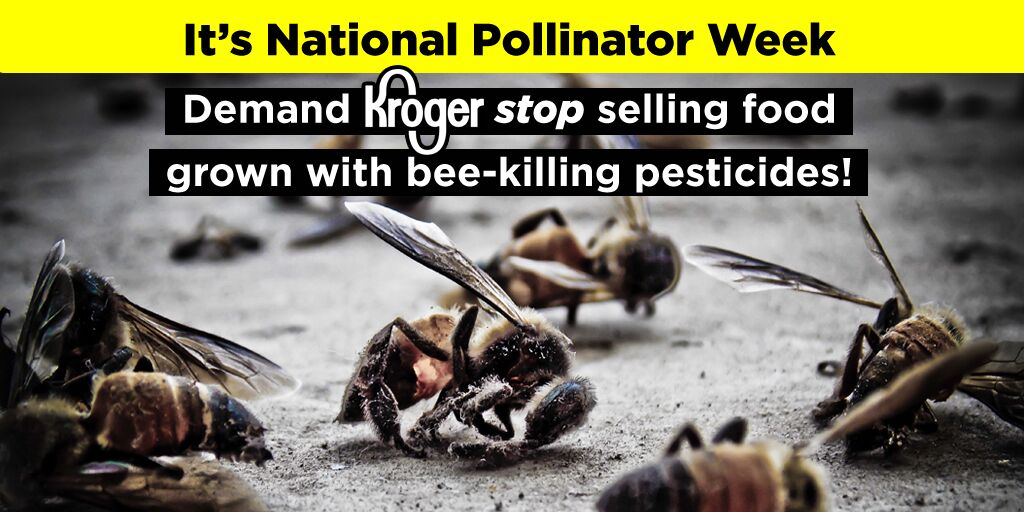 (Beyond Pesticides, June 19, 2019) To mark National Pollinator Week (June 17-23), more than 10,000 people across the country are joining to demand that Kroger (NYSE: KR) help stop the extreme decline of pollinators. Customers are delivering letters to stores asking the nation’s largest conventional grocery store to eliminate pollinator-toxic pesticides from its food supply chain and increase domestic organic food offerings to help stop the catastrophic decline of pollinators and other insects.
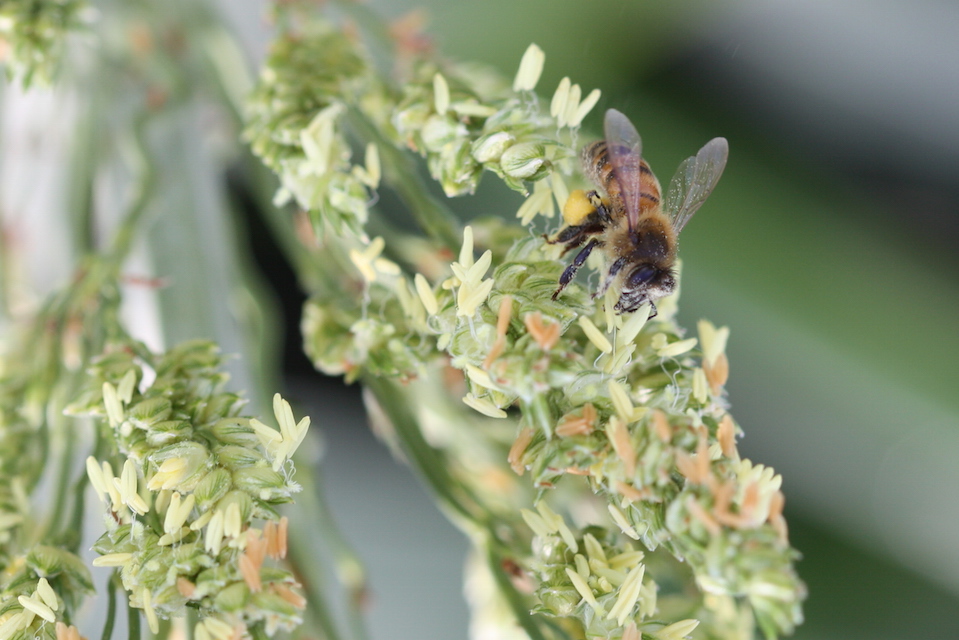 (Beyond Pesticides, June 19, 2019) On June 17, 2019, the Environmental Protection Agency (EPA) once again approved “emergency” uses of sulfoxaflor, a bee-toxic insecticide, on millions of acres of crops that are attractive to bees. Sulfoxaflor is functionally identical to the neonicotinoid class of
  (Beyond Pesticides, June 18, 2019) As the New York Times wrote in November 2018, “
 (Beyond Pesticides, June 17, 2019) During Pollinator Week, starting June 17, ask your elected representative in Congress to support pollinators by co-sponsoring Saving America’s Pollinators Act (SAPA). If they are already a cosponsor, use the occasion to thank them for their leadership on this critical issue.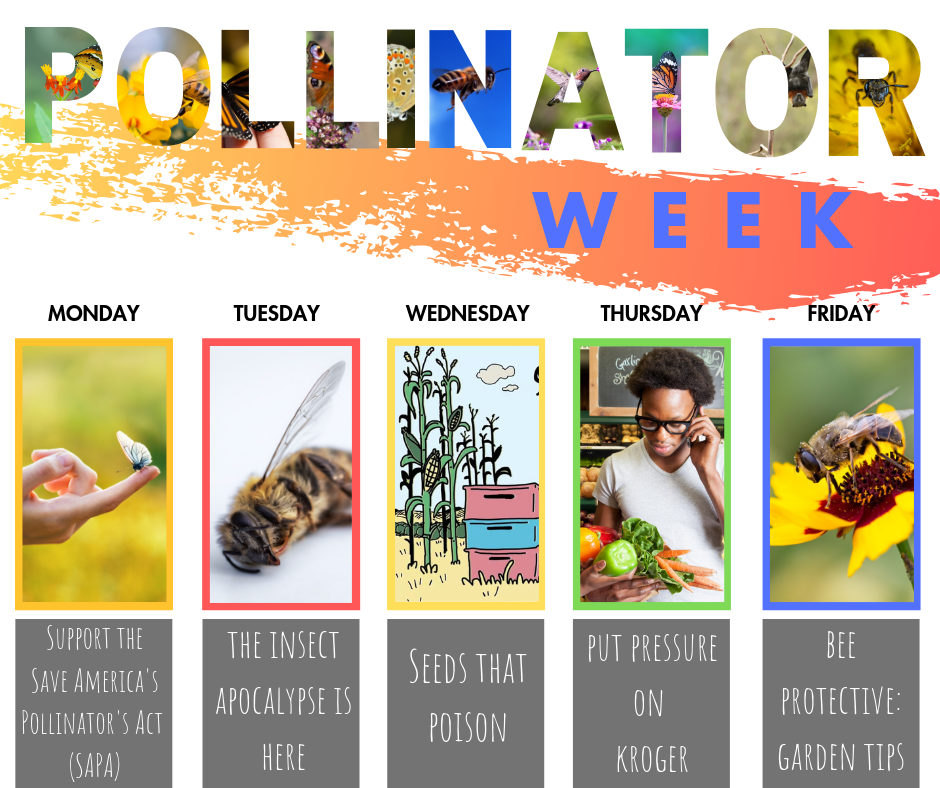
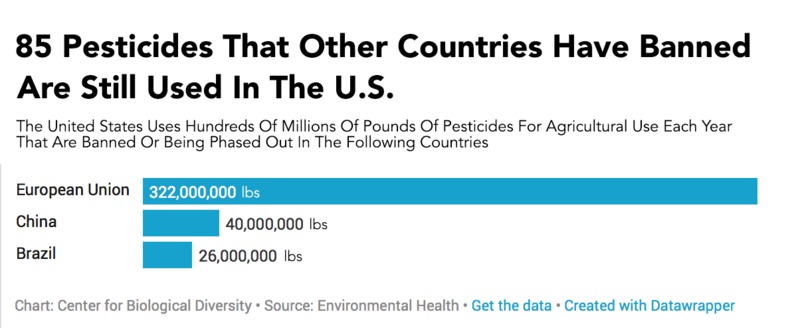 “It’s appalling the U.S. lags so far behind these major agricultural powers in banning harmful pesticides,” said Nathan Donley, PhD, a senior scientist with the Center for Biological Diversity and author of the study. “The fact that we’re still using hundreds of millions of pounds of poisons other nations have wisely rejected as too risky spotlights our dangerously lax approach to phasing out hazardous pesticides.”
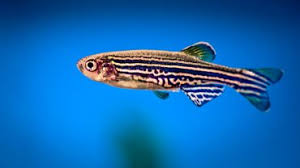 (Beyond Pesticides, June 12, 2019) A new study finds that the widespread insecticide fipronil causes transgenerational toxicity across generations of zebrafish. Fipronil, already known to be highly toxic to aquatic organisms, is now implicated in causing even more damage than previously thought. Even individuals who are not themselves directly exposed are shown to suffer from maternally transmitted toxic effects, including a more than doubled mortality rate.
 (Beyond Pesticides, June 11, 2019) Genetically engineered (GE) wheat developed to tolerate repeated applications of Bayer Monsanto’s Roundup herbicide has been discovered in a farm field in Washington State. The U.S. Department of Agriculture (USDA) has never approved a GE wheat variety for commercial production, making the incident a potential economic export risk. In the past, Asian and European countries have temporarily blocked purchases of U.S. wheat as a result of GE contamination. Organic and non-GE farmers are also at risk as any contamination with non-GE varieties can result in loss of certifications and price premiums.
 (Beyond Pesticides, June 10, 2019) On May 20, U.S. Representative Nydia Velazquez, with 18 co-sponsors, introduced H.R. 2854, “To amend the National Wildlife Refuge System Administration Act of 1966 to prohibit the use of neonicotinoids in a National Wildlife Refuge, and for other purposes.” The bill follows an August 2018 Trump administration announcement that reversed a 2014 U.S. Fish and Wildlife Service (FWS) decision to ban neonicotinoid insecticides on National Wildlife Refuges.
 (Beyond Pesticides, June 7, 2019) Fruit orchards and vineyards endure some of the most intensive chemical management in all of agriculture. What has not been investigated — until now — is how pesticide drift from such agricultural sites may be affecting nearby public spaces. A recent,