





04
Jun
Starbucks Sued for Illegally Using Carcinogenic Pesticide Near Food and Beverages

Hot Shot No Pest Strip placed near bagels and pastries in Starbucks store
(Beyond Pesticides, June 4, 2019) A class-action lawsuit is accusing Starbucks stores in New York of misusing a highly toxic, carcinogenic pesticide near food, putting the health of customers and employees at risk. “Stores throughout Manhattan have for many years been permeated with a toxic pesticide called Dichlorvos [DDVP], which is highly poisonous and completely unfit for use in proximity to food, beverages and people,” the suit reads.
According to the lawsuit, Hot Shot brand No Pest Strips were placed in food areas in violation of labels that prohibit the pesticide’s use in “the food/feed areas of food/feed processing or food/feed manufacturing or food/feed service establishments.” A pest control operator found the illegally placed products on a number of separate occasions, hidden under bagels or in pastry display cases, during a five year period from 2013 to 2018. This was not at only one location, but appeared to be a common occurrence at nearly every one of the 100+ stores serviced by the pest control operator.
The case brings to light a number of issues with the use of synthetic pesticides. The unsanitary conditions permitted to persist within Starbucks stores, per the pictures provided in the suit (see page 14), are indicative of an overreliance on synthetic pesticides to treat routine pest issues. This approach relies solely on a chemical solution to address pests, treating them as symptoms, while ignoring the root causes of pest problems, which can be more effectively addressed through proper sanitation, for example.
According to the suit, the pest control operator relayed the information on the illegal pesticide use to his manager, who subsequently alerted Starbucks. Numerous complaints were filed with Starbucks management, and the New York Department of Health cited the company for illegal pesticide use. Despite these warnings, the suit indicates that Starbucks’ Regional Quality Assurance Manager had admittedly, “failed to internalize ‘the importance of breaking this habit’ and instead continued to misuse DDVP in Manhattan-area stores with impunity.”
Stores continue to use the pesticide to this day, the suit alleges, “having made the decision that it is more cost effective to pay for the strips than clean up the underlying root cause of the infestations—the unsanitary conditions that pervade its Manhattan stores.”
The vast majority of common pest problems require no pesticide use at all. An organic pest management approach aims to correctly identify pests, monitor, determine action levels, keep records, and focus on prevention tactics. This approach emphasizes sanitation, structural repairs, proper food storage, and other methods that eliminate pest habitat.
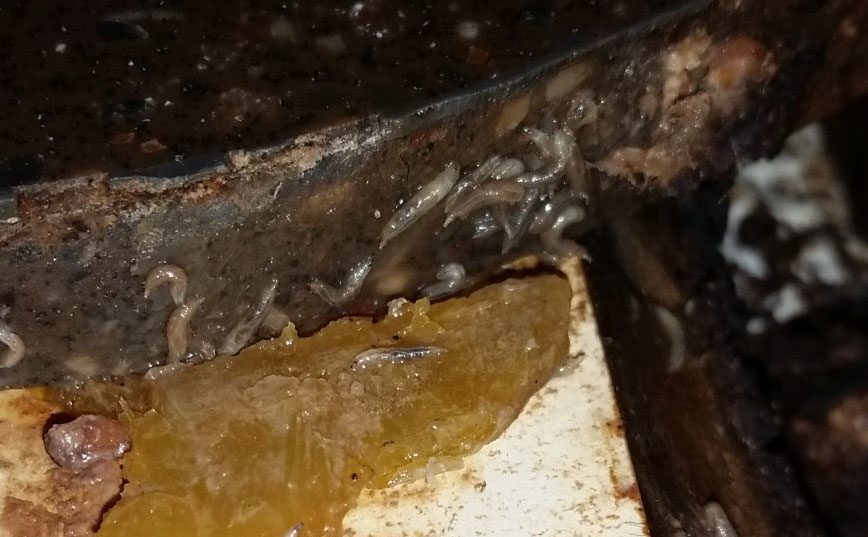
Unsanitary conditions documented in lawsuit against Starbucks
Dichlorvos is an organophosphate insecticide with strong links to cancer. EPA indicates it has “suggestive” evidence of carcinogenicity, and it is listed as a carcinogen under California Prop 65. As Beyond Pesticides writes in its fact sheet on the chemical, “EPA has determined that the worst-case cancer risk to workers handling DDVP, even when wearing protective clothing, ranged up to 1/100 for exposures that amount (in many cases) to only a couple of weeks of work per year… concerning inhalation exposures encountered by ordinary consumers, EPA estimates that the cancer risk to people with No-Pest™ strips hanging in their homes may be as high as 8/1000.”
It is important to be reminded that this is a level of risk – 1 out of 100 applicators and 8 out of 1,000 home users contracting cancer – that EPA accepts as reasonable under its current review process that allows pesticides in the marketplace.
The chemical has a strong propensity to off-gas when used in “strips” similar to those in Starbucks stores, and apart from cancer concerns, poses acute risks to exposed individuals. It is easily absorbed by the body both through skin contact and food consumption. Like other pesticides in the organophosphate chemical class, DDVP inhibits a critical nervous system enzyme called acetylcholine esterase. Acute symptoms include headaches, stomach cramps, excessive salivation, muscle twitching, and in some cases delayed neuropathy.
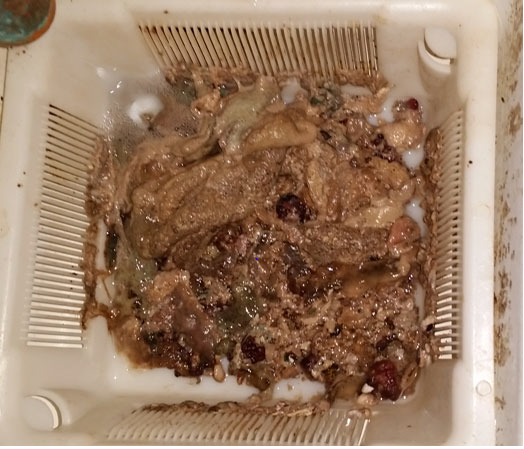
Unsanitary conditions documented in lawsuit against Starbucks
Do not be like Starbucks. If you have a pest problem, address it early by internalizing good pest management practices into your daily routines. Make sure messes are cleaned up after they are made, food is stored in tightly sealed containers, water and dishes are not left out, floors are clear of food debris, leaky faucets are repaired, and that windows are tightly sealed and doors have door sweeps to prevent pest entry. This any other simple techniques can keep homes and businesses pest free. And in cases where, despite your best efforts, you do have a pest problem, check out Beyond Pesticides’ ManageSafe page for nontoxic practices to address the issue, and least-toxic pest control products that should be used only as a last resort.
All unattributed positions and opinions in this piece are those of Beyond Pesticides.
Source: CBS News, Wigdor LLP, Class Action Complaint

 (Beyond Pesticides, June 3, 2019) As the signs of environmental crises tied to pesticide use escalate and the need for action becomes more urgent, elected officials at the state level must step up to meet the challenges to protect biodiversity and ecosystems essential to life. Waiting on Congress to act allows precious time to pass without critically needed action. The White House fails to acknowledge scientific findings about adverse effects that threaten the sustainability of the environment and human survival. In the last several months, key pieces of science call for dramatic action to eliminate toxic pesticide use and put organic and sustainable practices in place.
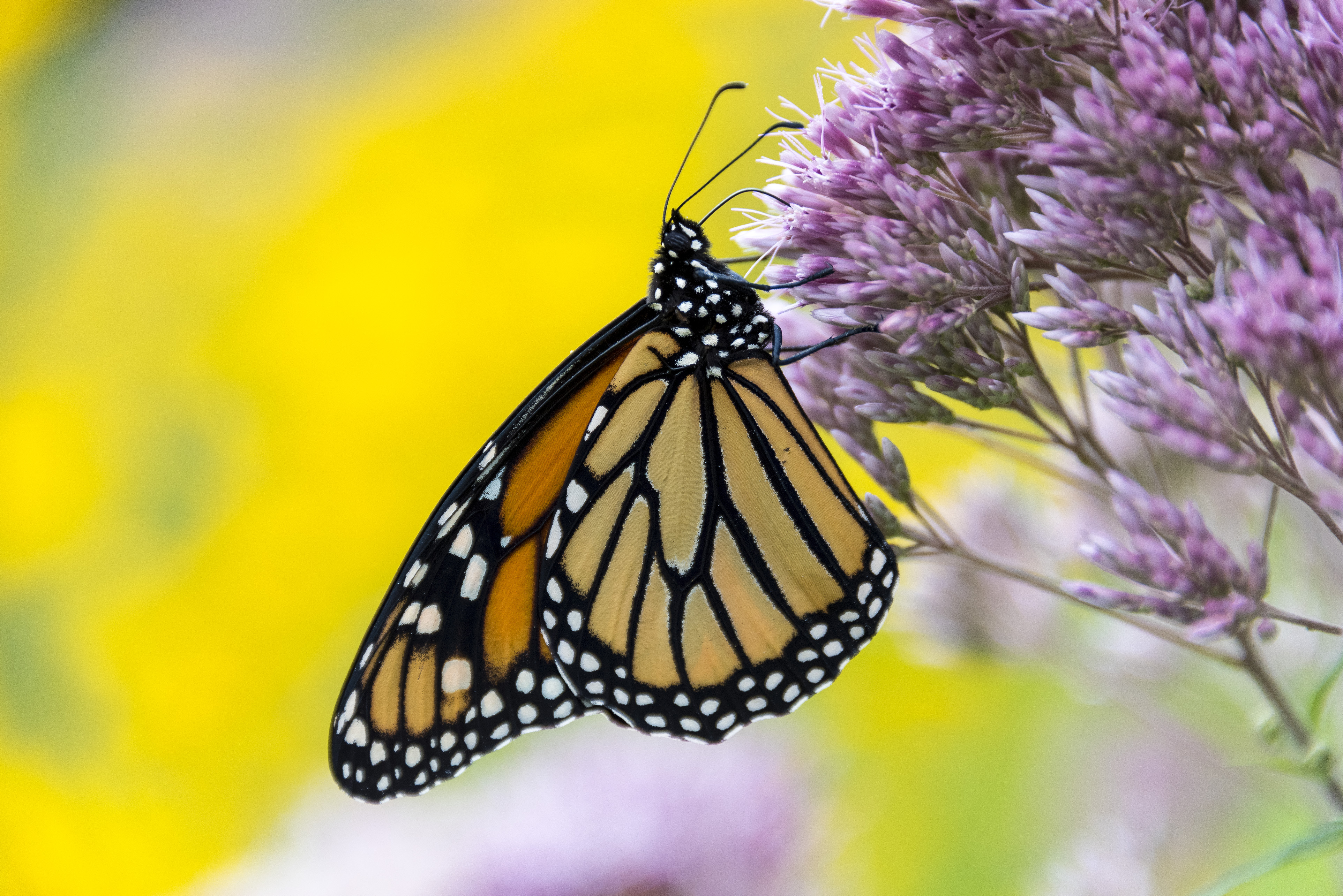 (Beyond Pesticides, May 30, 2019) Last week, the U.S. Fish and Wildlife Service (FWS) agreed to a 2020 deadline for reaching a decision on protection status for monarch butterflies under the Endangered Species Act. This agreement comes nearly five years after the filing of a petition by conservationists with the Center for Biological Diversity and Center for Food Safety led to the launch of an ongoing status review in 2014. While FWS deliberates, monarch butterflies continue their staggering, decades-long population decline, perhaps for the last of their decades.
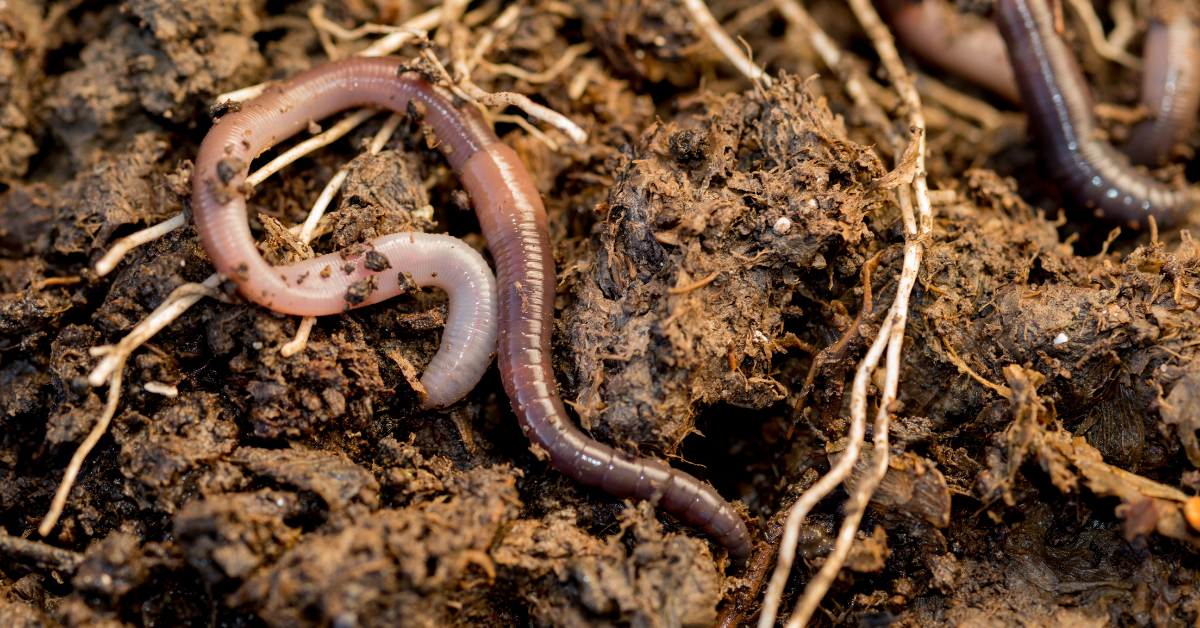 (Beyond Pesticides, May 29, 2019) A soil health monitoring study in England finds that an alarming 42% of surveyed fields are deficient in a wriggly measurement—earthworm populations. Over half the farmers recruited in this citizen science evaluation said they planned to change their soil management practices as a result of the earthworm monitoring results.
 (Beyond Pesticides, May 28, 2019) In yet
  (Beyond Pesticides, May 24, 2019)
 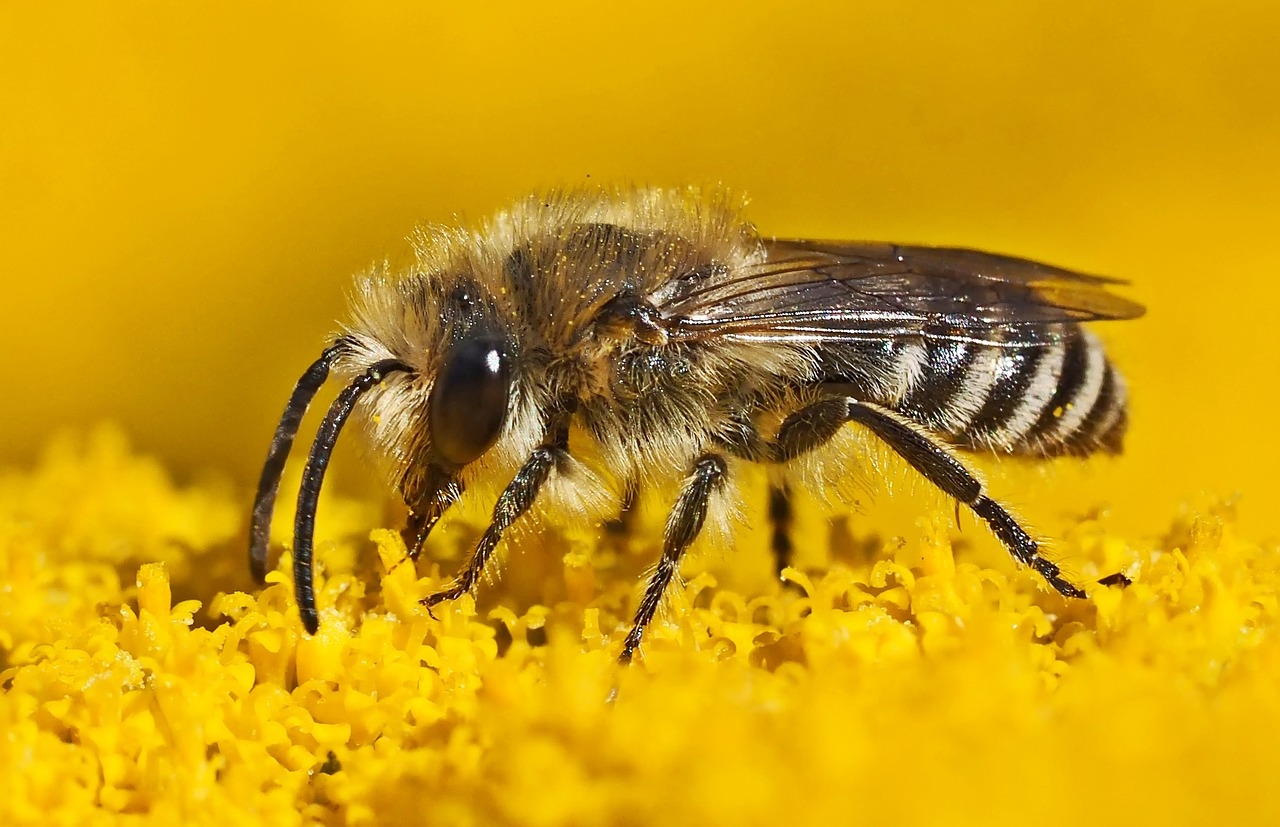 (Beyond Pesticides, May 23, 2019) On Monday in the conclusion of a lawsuit, the U.S. Environmental Protection Agency (EPA)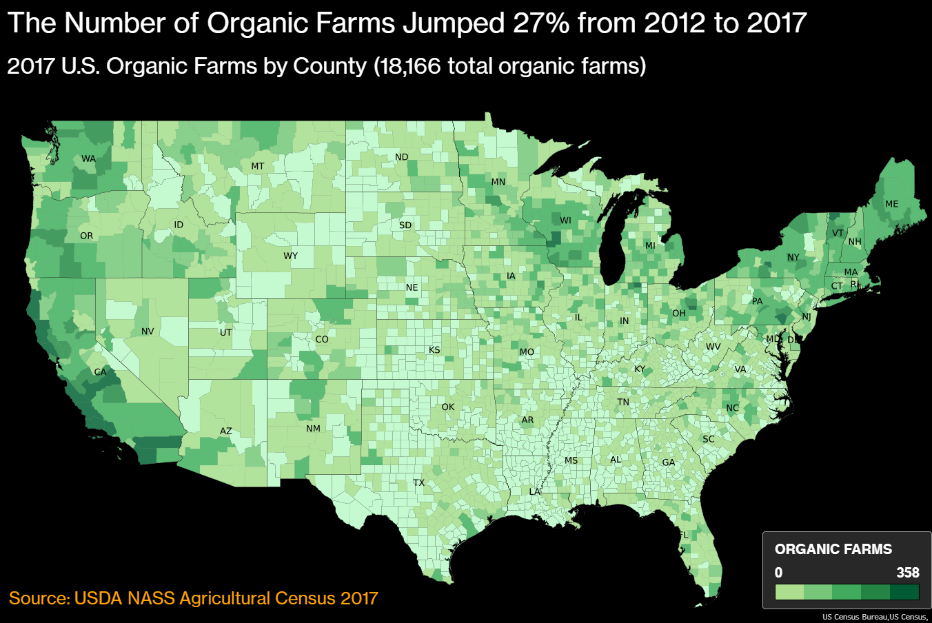

 (Beyond Pesticides, May 17, 2019) After two decades of co-sponsoring and co-funding
 (Beyond Pesticides, May 14, 2019) Your voice is needed to stop the use of two specific antibiotics, streptomycin and oxytetracycline, whose uses in agriculture are under EPA review. Thank you to those who, last week,
  (Beyond Pesticides, May 13, 2019) The Center for Biological Diversity (CBD) filed four lawsuits last week challenging the Trump administration’s failure to release a trove of documents detailing how the administration is regulating dangerous pesticides, especially as they relate to endangered species. Meanwhile, the U.S. Environmental Protection Agency (EPA) released a set of proposed
  (Beyond Pesticides, May 10, 2019) The Earth, its natural systems, and as many as a million species are at enormous risk from human activity, says a
  `
` (Beyond Pesticides, May, 7, 2019) Last week, the New York State legislature voted to phase out and eventually ban the use of the neurotoxic insecticide chlorpyrifos. The vote,
  (Beyond Pesticides, May 6, 2019) Beleaguered pollinators deal with a
  (Beyond Pesticides, May 3, 2019) A
  (Beyond Pesticides, May 2, 2019) Researchers


