


03
Aug
Chronic Pesticide Exposure at Work Tied to Breathing Disorders
 (Beyond Pesticides, August 3, 2017) Working in close contact with pesticides over the course of one’s lifetime increases the risk of Chronic Obstructive Pulmonary Disease (COPD) and other breathing disorders, according to a study published in Thorax by a team of Australian researchers. While cigarette smoke remains the single leading cause of lung disease worldwide, there is growing interest in understanding the environmental exposures of individuals that develop breathing problems, but have never smoked. Given the growing list of pesticide-induced diseases, the study’s results reinforce calls for a change in pest management approaches that safeguard farmwokers and pest control operators.
Researchers’ examination of pesticide exposure made use of a health study that first began in Tazmania in 1968, and tracked asthma prevalence in participants at ages 12, 18, and 30. With this background data in hand, researchers followed up with a subset of study participants, now roughly 45 years old, and were able to further analyze 1,255 participants via in-person laboratory tests.
“Our study looked at long-term exposure to pesticides,” said Sheikh Alif, PhD, lead researcher of the study at the University of Melborne to Reuters. “[I]t is thought that long-term exposure to pesticides increases mucus secretion and muscle contraction in the lungs, causing breathlessness, cough and wheeze,” Dr. Alif said.
The study controlled its results to incorporate variability in sex, smoking, and current lung conditions. Risk was calculated based on overall number of jobs where one was exposed to pesticides, as well as estimated cumulative exposure accrued over the course of a study participant’s life. Researchers found that lung disease and airway obstruction was 75% higher for those with exposure to any pesticides in their occupation (including herbicides, insecticides, fungicides), and 109% higher for those specifically reporting occupational exposure to herbicides. As part of cumulative exposure calculations, scientists determined that for every 10 years of exposure to any pesticide on the job, COPD risk increased by 12%, chronic bronchitis by 16%, chronic cough by 12%, and chronic phlegm problems increased by 13%. Chronic exposure to only herbicides resulted in a 16% increased risk of COPD and 22% risk of chronic bronchitis. Insecticide exposure alone represented a 10% increase in COPD and a 15% increase in cronic bronchitis.
The study concludes that, “[B]y enhanced monitoring and use of protective equipment, the burden of COPD caused by occupational exposures has the potential to be substantially reduced.”
Researchers further recommend the use of personal protective equipment when applying pesticides, and the implementation of equipment to monitor exposure levels. While these could certainly be good interim measures, a much more effective long-term strategy to address chronic exposure is to eliminate the need for pesticide use in the first place.
This prevention-based approach is particularly important for farmworkers. The U.S. Centers for Disease Control and Prevention reports that for individuals occupationally exposed to pesticides, agricultural workers are 37 times more likely than nonagricultural workers to experience pesticide poisoning. Efforts by environmental justice advocates to institute long-overdue revisions to farmworker protection requirements, which would ensure some of the basic measures recommended by the current study are put in place, have been stymied by political opposition from Environmental Protection Agency Administrator Scott Pruitt.
Beyond Pesticides continues to advocate for the wholesale transition of U.S. agriculture to organic production practices. Under the Organic Foods Production Act, which advises USDA’sNational Organic Program, only organic compatible substances are allowed in inspected and certified organic systems that are intended to eliminate synthetic inputs. in favor of cultural, mechanical, and biological pest management. With these methods, we can protect farmworkers and applicators, and begin to reverse long-terms trends in diseases that correlate with pesticide use.
For more information on the connection between pesticides and breathing disorders, see Beyond Pesticides’ Pesticide-Induced Diseases Database listing for asthma.
Source: Reuters, BMJ Journals-Thorax
All unattributed positions and opinions in this piece are those of Beyond Pesticides.

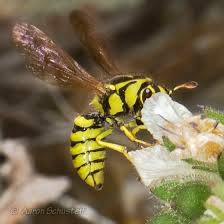 Masarinae are the only “vegetarian” wasp in the family Vespidae., They feed solely on nectar and pollen, unlike their more aggressive Vespid wasp cousins. There are 300 species of pollen wasp from 14 genera spread across the globe, however, in the U.S., all 14 species of pollen wasps originate from the genus Pseudomasaris.
 industry and the federal government to conceal from the public the real dangers associated with the use and manufacture of chemical products. The Bioscience Resource Project and the Center for Media and Democracy released more than 200,000 pages of these documents now accessible on the “
 growers, those same growers are threatened by the flooding of the market with cheaper fraudulent grains. The resulting impacts of eliminating market opportunities while at the same time threatening the value of the organic label hurt organic farmers in this country.
 disrupting, industrial chemicals have been found in 10 varieties of macaroni and cheese products. The coalition is calling on food companies, especially the Kraft Heinz Company, maker of the iconic boxed mac and cheese, to eliminate sources of these chemicals from their cheese products.
 Farmers and Farmworkers from Nerve Agent Pesticides Act,
  concerning labeling of genetically engineered (GE) food. Campbell’s President and CEO Denise Morrison said that while the company does not question the safety of GE food, it recognizes that most consumers want to see GE ingredients on the label. Meanwhile, Campbell’s has supported the GMA digital disclosure and lists ingredients that “may be derived from crops grown from genetically engineered seeds” on its
  term, intensive glyphosate use, and myriad resulting concerns about impacts on soil and environmental health. The review, by Robert J. Kremer, PhD, of the University of Missouri School of Natural Resources, cites
  South Florida scientist Jason Rohr, PhD and colleagues
 genetically engineered (GE) ingredients [or genetically modified organisms (GMO)] are identified on products labels, or hidden behind high tech codes.
 herbicides
 have been
  7, 2017. Now, state officials have to develop guidelines for product labels and determine what level of exposure to the pesticide will put people at risk for developing cancer. Some have argued that the state’s proposed levels are not protective enough. Meanwhile, the state continues to face pressure from Monsanto, maker of glyphosate, which continues to challenge the decision to list the chemical as a known cancer-causing agent.
 trol, in favor of simple, non-toxic practices.
 Range
Range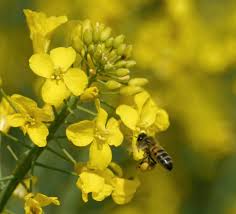 conditions confirms that these pesticides have a deleterious effect on bee survival. The study, the largest of its kind, explored the role of the agricultural use of neonics as seed coatings on bee health and fnds that the pesticides are persistent in the environment, contaminating pollen and nectar that bees forage, reducing colony fitness. The results of the study support ongoing calls for a ban on neonics, including a European Union (EU) wide ban proposed earlier this year.