


25
Aug
Maryland Community Opts-In to Healthy Lawns Act, Restricting Toxic Pesticide Use on Public and Private Property
 (Beyond Pesticides, August 25, 2020) The City of Gaithersburg, MD has chosen to opt-in to Montgomery County’s Healthy Lawns Act, restricting toxic pesticide use on public and private property. According to the local Patch, the mayor and City Council voted to adopt the law in mid-August, and it will take effect for all residents and businesses in city on December 1. Although Montgomery County passed the Healthy Lawns Act approximately five years ago, incorporated cities within the county are required to proactively opt-in to the law for it to apply within their jurisdiction.
Gaithersburg is the latest, and largest city to opt-in to the county’s law, which encourages organic practices by limiting pesticide use on lawns and landscapes to products that are certified organic or considered minimum risk by the U.S. Environmental Protection Agency. In mid-June, the Town of Garrett Park also opted in to the law, according to reports. Advocates are advocating that all cities within Montgomery County adopt the law.
The same group of grassroots advocates that pushed Montgomery County leaders to adopt its Healthy Lawns Act years ago is also leading the push for opt-ins. Safe Grow Montgomery, a group of concerned mothers and fathers working for a safer environment for themselves and their families, has shown county, state, and national leaders what can be accomplished with hard work and persistence. Rather than step back after passing an historic pesticide policy, advocates at Safe Grow Montgomery have continued to engage with local leaders to ensure proper implementation of the law and defend against ongoing attacks.
“The fact that Gaithersburg has opted in unanimously to Healthy Lawns Act makes me so very happy,” said Alex Stavitsky-Zeineddin of Safe Grow Montgomery. “I personally have spent 10 years educating and advocating about the health concerns due to exposure to pesticides used in lawn care here in Gaithersburg, and Montgomery County, MD. Thank you to all the councilmembers, both in Montgomery County and locally here in Gaithersburg that understand how important it is to protect the health of their constituents by enacting laws such as Healthy Lawns Act.”
In addition to local opt-ins, other Maryland counties and large cities are looking closely at the approach established by Montgomery County and considering their own healthy lawn care ordinances. Prince George’s County, MD is considering Ordinance CB-08-2020, which tracks closely Montgomery County’s law. The City of Baltimore, MD is considering Ordinance 20-0495, also follows Montgomery County’s law, but includes additional restrictions on the hazardous well-known neonicotinoid pesticides, glyphosate, and chlorpyrifos.
This flurry of local activity is the result of the dust finally settling on the legality of Montgomery County’s approach to pesticide regulation. For five years since the initial passage of the Healthy Lawns Act in 2015, aspects of Montgomery County’s law applying to private property were held in the courts due to a legal challenge by the pesticide industry. The suit, led by TruGreen and the pesticide industry front group Responsible Industry for a Sound Environment, alleged that local jurisdictions in the state of Maryland were implicitly preempted from enacting a law stricter than state pesticide law. Despite a history of state lawmakers rejecting the preemption of local communities over pesticide use, the industry argued that the state filled the void and that there was no room for additional local protections aimed at safeguarding public health and the environment.
A 2017 ruling for an elected state District Court Judge struck down the law, dealing a significant setback. But the County Council quickly appealed the decision, noting that it had received hundreds of letters in support of lawmakers appealing the decision. Beyond Pesticides joined with Safe Grow Montgomery and several other state and national groups to file an Amicus brief defending the right of Montgomery County and other local jurisdictions in Maryland to enact laws that protect their unique local environments from toxic pesticides.
After another two years of court proceedings, the Maryland Court of Special Appeals reversed the District Court decision and granted Montgomery County the right to restrict pesticides on all property in its jurisdiction. The industry appealed the decision but was met with a swift dismissal from the state’s highest court (the Maryland Court of Appeals). With the court case now settled, communities in the state that had long wished to address toxic pesticide use affecting their resident’s health or poisoning local wildlife, are now empowered to do so.
Advocates in Maryland are strongly encouraged to engage with their local leaders to pass a strong pesticide policy. Beyond Pesticides has supported the efforts in Gaithersburg, Baltimore, and Prince George’s County through expert testimony and comments (1,2,3). For those outside of Maryland, even if you’re in a state with explicit preemption, you can still pass meaningful laws that fight back against unnecessary pesticide use. To get started, see Beyond Pesticides’ Lawn and Landscape Tools for Change.
Communities across the U.S. are considering healthy lawn care policies. Beyond Pesticides’ Map of U.S. Pesticide Reform Policies lists over 150 communities in 23 states that restrict chemical pesticide use. Take the pledge to make your community the next on the map!
All unattributed positions and opinions in this piece are those of Beyond Pesticides.
Source: Gaithersburg Patch

 (Beyond Pesticides, August 24, 2020) USDA’s Farm Service Agency (FSA)

 (Beyond Pesticides, August 19, 2020) Stranded dolphins and whales along the United States Eastern Seaboard contain herbicides, disinfectants, plastics, and heavy metals, research published in
  (Beyond Pesticides, August 18, 2020) Ongoing declines in bird population and diversity are being accelerated by the use of
 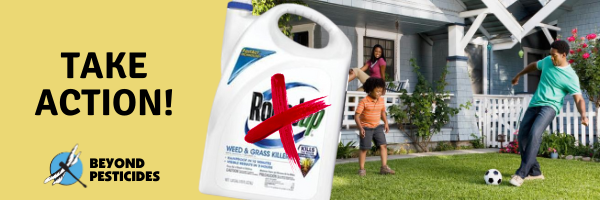 (Beyond Pesticides, August 17, 2020) Once numbering in the millions, barely 29,000 western monarch butterflies were found in California at last count. Pesticides pack a one-two punch against monarchs. Insecticides—particularly neonicotinoids—poison the caterpillars and butterflies as they feed. Glyphosate—the active ingredient in Bayer-Monsanto’s Roundup® — is wiping out milkweed, the only food source for monarch caterpillars. This has contributed to monarchs’ 90% decline in the past 20 years alone. They could vanish within our lifetimes.
 (Beyond Pesticides, August 13, 2020) Levels of the notorious herbicide compound
 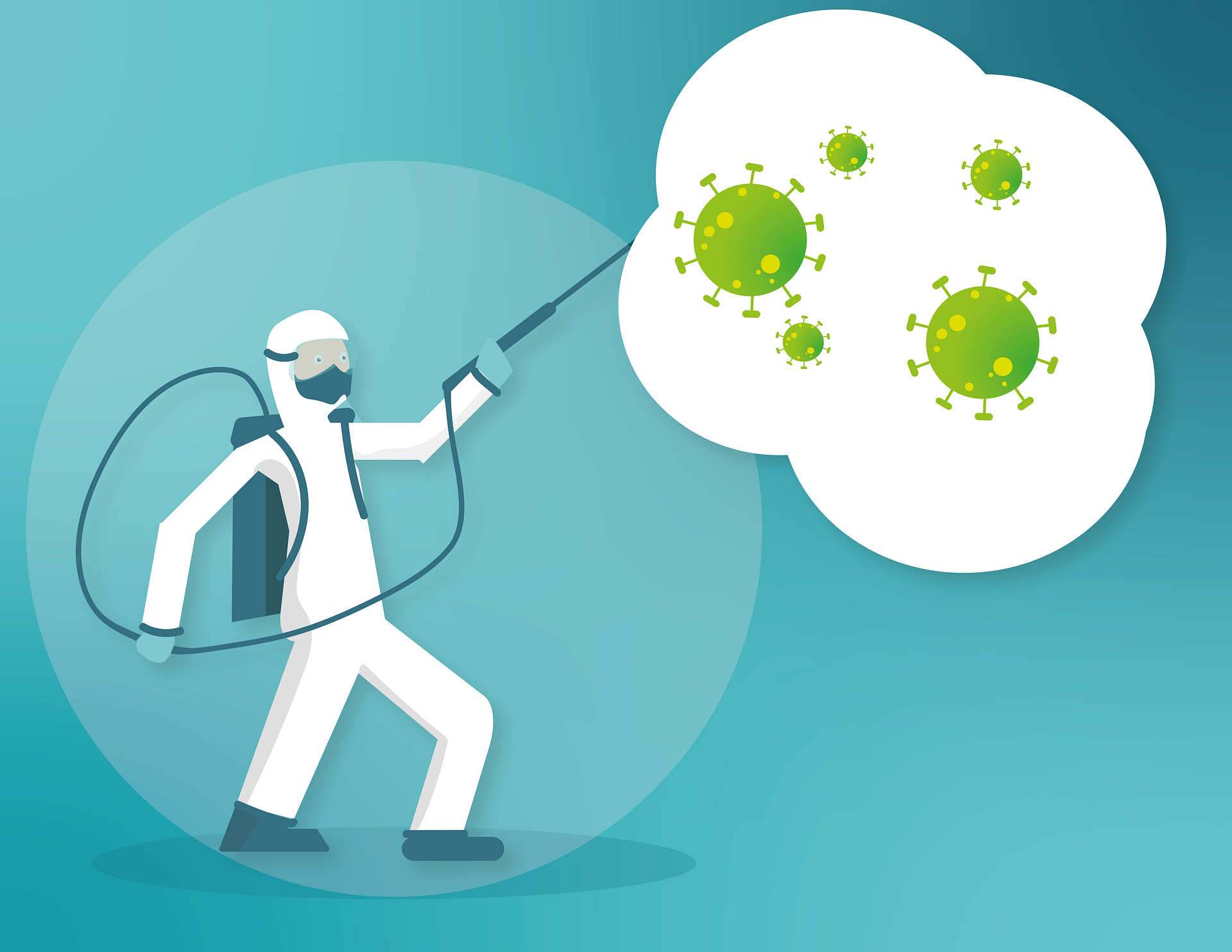 (Beyond Pesticides, August 13, 2020) An alarming new scientific report finds that excessive, indiscriminate disinfectant use against COVID-19 puts wildlife health at risk, especially in urban settings. The analysis, published in the journal
  (Beyond Pesticides, August 12, 2020) The herbicide atrazine can interfere with the health and reproduction of marsupials (including kangaroos and opossums)
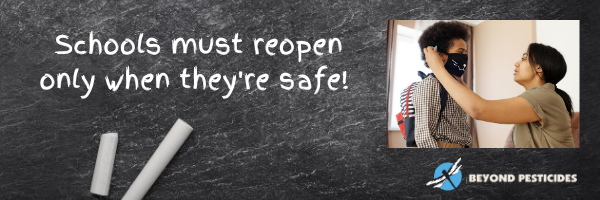 (Beyond Pesticides, August 10, 2020) As parents, educators, and administrators decide whether to open schools with in-person teaching, there are escalating concerns about the ability of schools to put in place the programs necessary to protect the health of students, staff, and their families from coronavirus (COVID-19). A key part of most school reopening plans is the fogging or misting of classrooms with toxic disinfectants, raising questions about safe and effective disinfection and sanitizing practices, in addition to social practices that public health officials have advised, to prevent transmission of the virus.
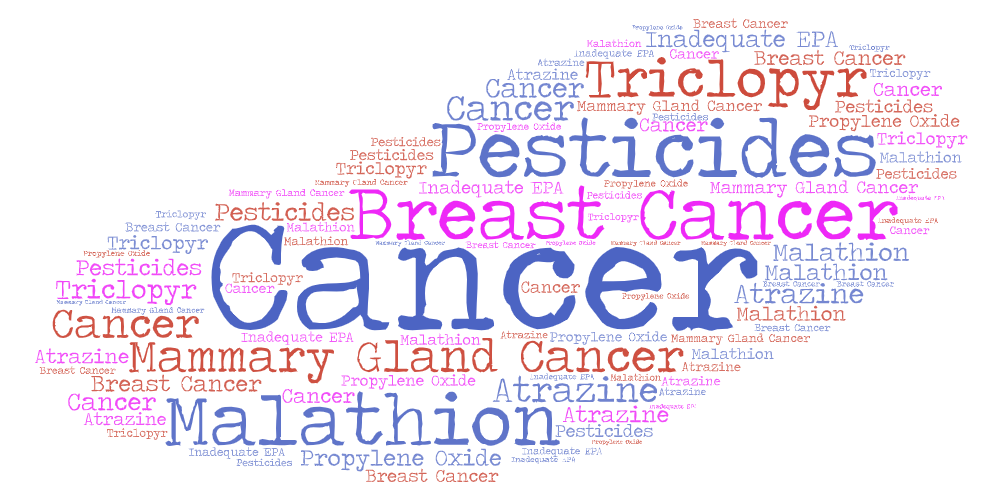 (Beyond Pesticides, August 7, 2020) Research out of the Silent Spring Institute
 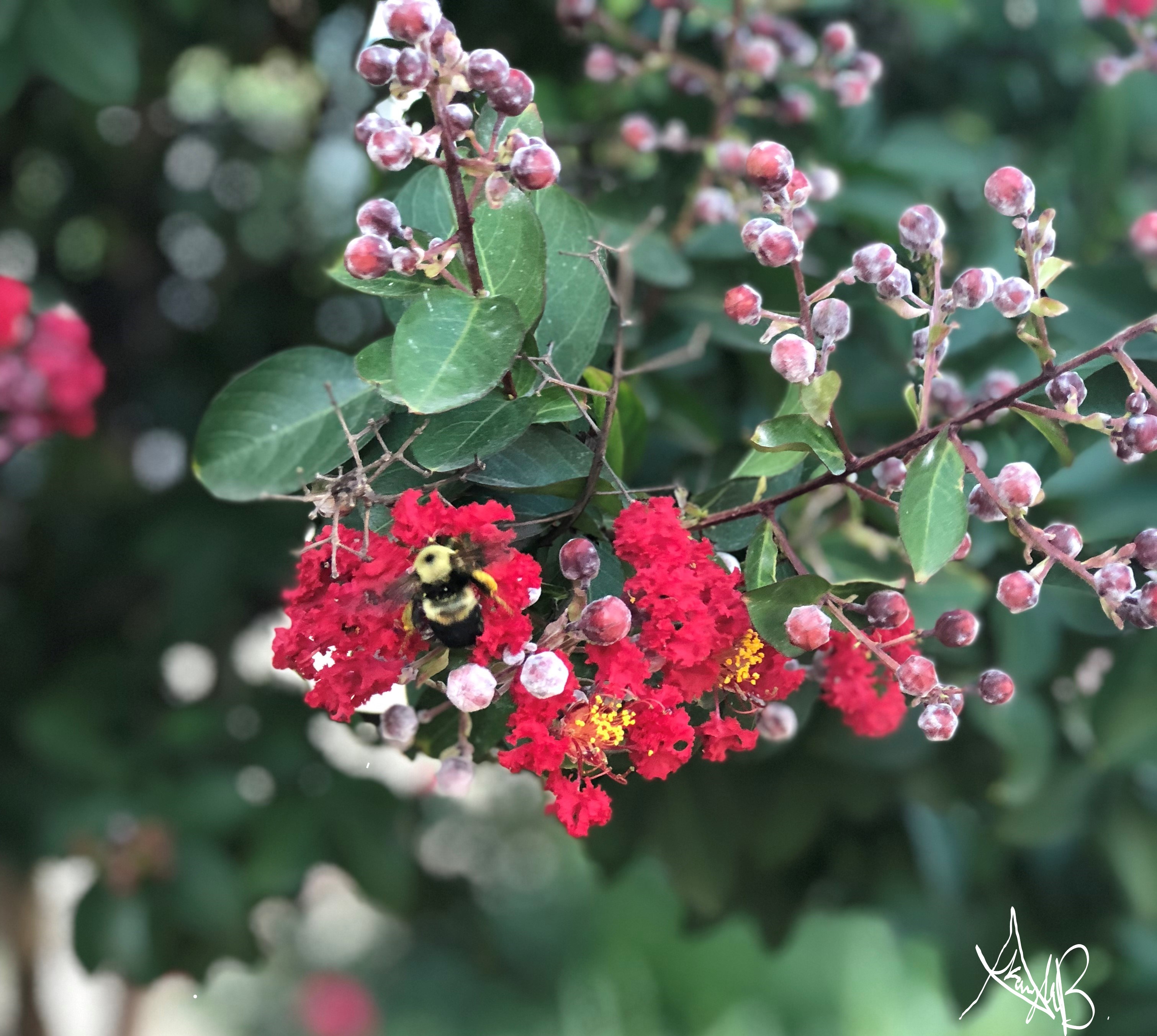 (Beyond Pesticides, August 6, 2020) New research finds that a decline in wild pollinator abundance, notably wild bees, limits crop yields in the U.S., according to the study, “
 (Beyond Pesticides, August 5, 2020) Regions of Australia that use a highly toxic rodenticide are home to larger dingoes than areas where the pesticide is not used, according to research published in the
 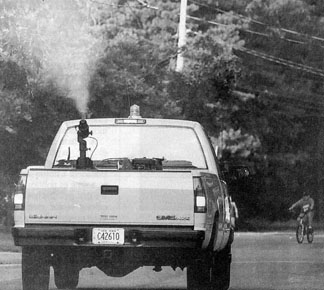 (Beyond Pesticides, August 4, 2020) Last month Massachusetts lawmakers finalized, and the Governor subsequently signed,
 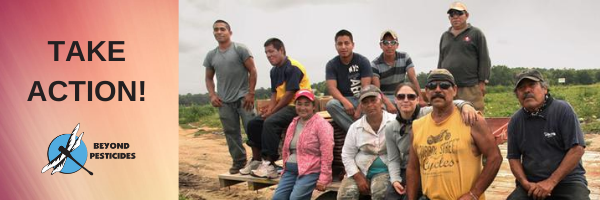 (Beyond Pesticides, August 3, 2020) The effects of pesticide use are important, yet ignored, factors affecting people of color (POC) who face elevated risk from Covid-19 as essential workers, as family members of those workers, and because of the
 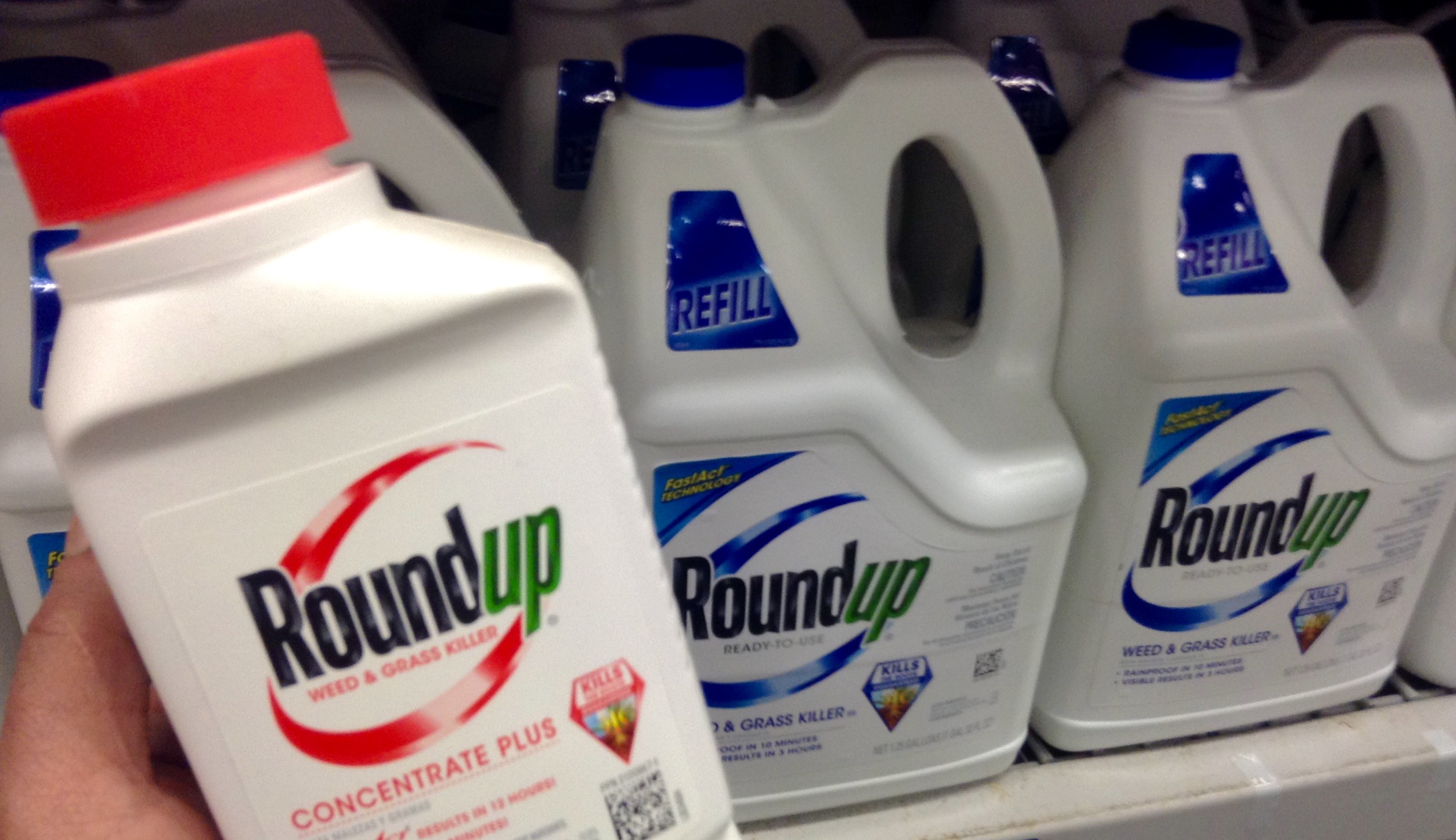 (Beyond Pesticides, July 31, 2020) On July 22, the New York State Legislature passed
  (Beyond Pesticides, July 30, 2020) Simultaneous exposure to pesticides and noise from agricultural machinery increases farmworkers, risk of hearing loss, according to the study, “
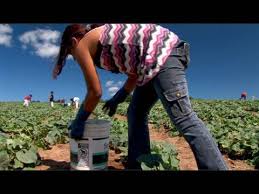 (Beyond Pesticides, July 29, 2020) Farmworkers and landscapers are deemed essential employees during the coronavirus outbreak, but without mandated safety protocols or government assistance, have experienced an explosion in Covid-19 cases. Workers in these industries are primarily Latinx people of color, many of whom are undocumented. According to a
 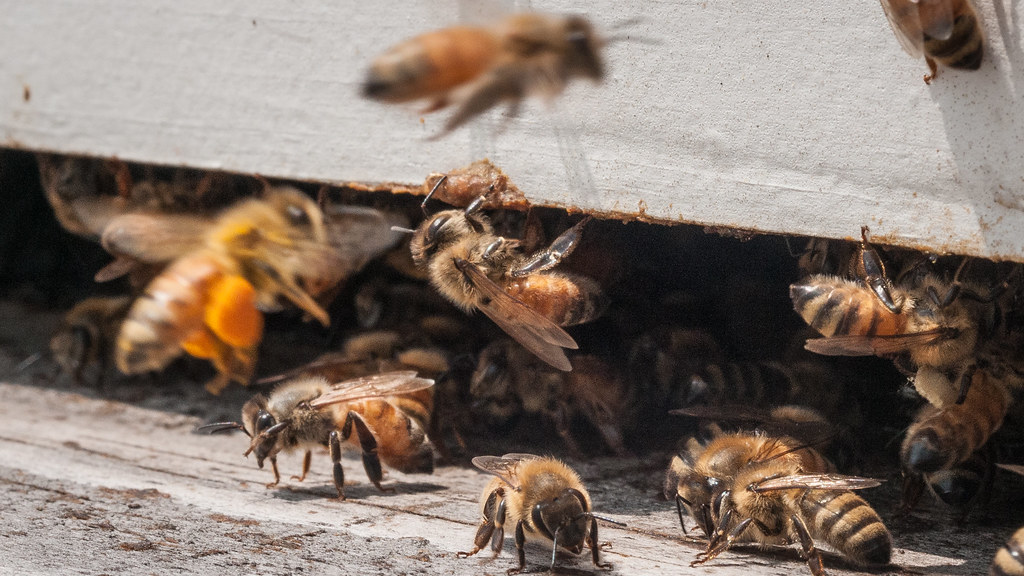 (Beyond Pesticides, July 28, 2020) With honey bees around the world under threat from toxic pesticide use, researchers are investigating a new way to track environmental contaminants in bee hives. This new product, APIStrip (Adsorb Pesticide In-hive Strip), can be placed into bee hives and act as a passive sampler for pesticide pollution. Honey bees are sentinel species for environmental pollutants, and this new technology could provide a helpful way not only for beekeepers to pinpoint problems with their colonies, but also track ambient levels of pesticide pollution in a community.
 (Beyond Pesticides, July 27, 2020)