





25
Sep
Where Do Pesticides Banned in Europe Go? Mostly to Poorer Countries, While Two-Thirds of Those Sent to Richer Counties Head for the U.S.
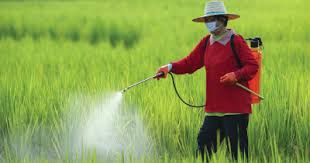 (Beyond Pesticides, September 25, 2020) An investigation has revealed that companies in the United Kingdom (UK), as well as in some European Union (EU) countries, are exporting massive amounts of pesticides — banned in their own jurisdictions — to poorer countries. More than 89,000 (U.S.) tons of such pesticides were exported in 2018, largely to countries where toxic pesticide use poses the greatest risks. The UK has been the largest exporter (15,000+ tons, or 40% of the total in 2018); other significant exporters include the Netherlands, France, Spain, German, Switzerland, and Belgium. Among the countries receiving the bulk of these dangerous pesticides are Brazil, South Africa, Mexico, Indonesia, and Ukraine. Despite a flurry of attention to this problem in the U.S. in the early 2000s, little has changed, worldwide, to stop this practice of selling domestically banned pesticide products to parts of the world that continue to allow their use. This is an unethical practice that compounds the risks to workers in developing countries, who already endure heighted threats to health and local ecosystems.
The investigation was conducted by Unearthed, a Greenpeace UK journalism arm, and Public Eye, a Swiss NGO (non-governmental organization) that investigates human rights abuses by Swiss companies. The collaborators discovered that in 2018, these exported pesticides were sold to 85 different countries, 75% of which were low- and middle-income countries — many in the global south. The report notes that, “Two-thirds of the . . . exports to richer nations were destined for one place: the U.S., which has some of the most permissive pesticide regulations among high-income countries and is itself a major exporter of banned agrochemicals to LMICs. . . . Swiss-based, Chinese-owned Syngenta was by far the biggest exporter of banned agrochemicals among manufacturers.”
The EU, with its 28 member states, has the most-protective and comprehensive pesticide regulations of any major agricultural producer. But as the EU moves ahead on increased regulation and bans of pesticide products it deems dangerous for human health and/or the environment in its member countries, it simultaneously is adding to the number of banned pesticide products it allows for export. Nina Holland, an advocate with the Brussels-based NGO Corporate Europe Observatory, said: “The fact that this practice is only set to increase, with new chemicals including pollinator-killing substances like fipronil being added to the list, is completely in contradiction with the new [European] Commission’s ambitions when it comes to reducing the harm done by pesticides.”
Unearthed notes that, “Loopholes in European law mean chemical companies like Bayer and Syngenta can continue making pesticides for export long after they have been banned from use in the EU to protect the environment or the health of its citizens.” The companies and countries that sell these banned products insist that countries have the right and ability to control what pesticides can be used in their jurisdictions.
But public health and environmental advocates, as well as U.N. officials, insist that sales of pesticides known to be so dangerous as to be banned by wealthier, generally Western countries, constitute a double standard based on placement of a “lower value on lives and ecosystems in poorer countries.” Spokesperson for the Permanent Campaign Against Pesticides and for Life, Alan Tygel, cut to the chase: “If a pesticide is banned for causing cancer in the EU it will cause the same problems in Brazilian people.”
Indeed, prior to the release of the Unearthed/Public Eye report, UN special rapporteur on toxics Baskut Tuncak said, in a statement endorsed by 35 other experts on the UN Human Rights Council: “Wealthier nations often create ‘double standards’ that allow the trade and use of banned chemicals in parts of the world where regulations are less strict.” [The statement] added that the “‘racialised nature of these standards cannot be ignored’ as the dangers were ‘externalised’ to ‘communities of African descent and other people of colour.’ This shifting of the dangers posed by toxic chemicals to communities of colour was a ‘grave concern’ that could also be found within rich countries, with ‘respect to the siting of polluting industries and the dumping of hazardous waste. In nearly every case there is no legitimate public interest justification. These loopholes are a political concession to industry, allowing their chemical manufacturers to profit from inevitably poisoned workers and communities abroad, all the while importing cheaper products through global supply chains and fueling unsustainable consumption and production patterns. It is long-overdue that states stop this exploitation.’”
Mr. Tuncak previously called out pesticide companies doing business in Switzerland during a review of the pesticide impacts in the country, saying that “pesticide companies’ behavior is ‘seriously deficient’ regarding human rights (especially those of children), and that the Swiss government should act more aggressively to phase out use of these hazardous chemicals.”
The preponderance of the 2018 UK exports were products containing paraquat, Syngenta’s herbicide that not only is acutely toxic — even the Environmental Protection Agency (EPA) acknowledges that a sip of this Restricted Use pesticide can be fatal — but also, is linked to numerous health problems, including reproductive, neurotoxic, and renal and hepatic impacts; is toxic to birds, fish, and bees; and is a likely carcinogen. Tragically, toxic pesticides have come to be a significant method of attempted suicide in poorer countries, such as China and India — and Sri Lanka, until the country acted in the 1990s to ban import of many of the most dangerous pesticides. The suicide rate in that country fell, after those bans, by 50% between 1995 and 2005, and after a second round of restrictions between 2008 and 2011 (including a ban on paraquat), fell again by another 21% between 2011 and 2015.
U.S. companies also participate in this export practice, as Beyond Pesticides began noting more than 15 years ago (see here and here). In the U.S. it is legal, even when dangerous pesticides have been banned or highly restricted by EPA, for companies to continue to sell them abroad.
Truthout captures the situation: “When the federal government bans a pesticide, pro-industry loopholes allow agrochemical companies to recoup lost profits by manufacturing the same pesticide for use abroad. . . . With no comprehensive global regulatory framework to guide policy for transport, storage and use, the U.S. consciously subjects vulnerable agricultural workers overseas to chemicals known to cause harm and death, and widens international dependence of agriculture on pesticides. Every registered pesticide has a ‘tolerance’ . . . how much residue can remain on a food product before it is deemed unsafe for human consumption. Pesticides deemed too dangerous or unregistered with the EPA cannot be sold in the U.S. . . . While the U.S. is required to inform countries when a pesticide is not registered in the U.S., there is no assurance that the receiving official will forward the data to the user of the chemical. Agrochemical companies can satisfy labeling requirements simply by placing labels on shipping containers rather than on the product container. . . . Given the reality of how these pesticides are actually used (without appropriate protective equipment, lack of proper disposal, etc.), halting exportation is critical.“
The pesticides that U.S. companies export can even end up in the U.S. food supply when pesticide manufacturers whose chemicals fail to maintain EPA approval and registration at home, continue to produce these dangerous products and sell them abroad. Many of these pesticides end up in the domestic food supply when crops grown in those countries are exported to the U.S., threatening public health and safety both at home and abroad. The bigger-scale problem is what these toxic exports do to people and ecosystems in recipient countries. More than a decade ago, Beyond Pesticides wrote about the dangers of pesticides to farmworkers in “developing” countries: “Each year, millions of developing world farmers are poisoned by pesticides, many of which are banned or strictly controlled in the West.”
Way back in 2002, an investigator for the U.N. Commission on Human Rights, Fatma Zora Ouchachi-Vesely, called the U.S. practice of exporting to other countries harmful pesticides that are banned in the U.S. “immoral.” Government officials told her that international free-trade agreements “allow for pesticides be exported without regulation to countries that demand them, whether or not they are banned within the United States.”
Such demand, some NGOs claim, is the result of promotional campaigns by companies that profit from pesticide sales. Ms. Vesely noted that users of these pesticide products are not well informed about them: not only do the recipient countries often not have the capacity to get appropriate information to users, but also, when these chemical products are sold “on the ground” in recipient countries, they often have no or insufficient labeling, or labels are not translated to local languages. Ms. Vesely added, “Even if something is marked ‘poison’ it tends to be shipped in large amounts, then transferred to smaller containers without proper labeling for local sale and use. And the people actually using the products often cannot read anyway.”
A 2015 documentary film, “Circle of Poison” (which features Beyond Pesticides Executive Director Jay Feldman and luminaries such as Vandana Shiva, Noam Chomsky, and President Jimmy Carter), focuses on this toxic export issue. Mr. Feldman identifies the crux of the issue here in the U.S.: “Pesticides, known toxicants, are registered by EPA with the understanding that they can be used only in compliance with label instructions; the label is the law. However, when pesticides are exported, neither EPA nor any other federal agencies make any effort to determine whether the destination countries have the infrastructure to ensure enforcement of restrictions. When I was in Haiti, I saw U.S.-banned pesticides being sold in bags with no product labeling, or accompanying instructions, precautions, restrictions, etc. This means that the risk calculations that EPA makes, as weak as they are, do not even apply to use of these chemicals that lack labeling information. Use of these highly toxic substances ought to be governed by an enforcement system that controls their use. The widespread use of such pesticides with so few controls has direct adverse effects on people and the environment in the recipient countries, and has dire global impacts.”
A recent Daily News Blog entry covered the phenomenon of toxic pesticides, both in current use and banned, being released from the surfaces of Arctic glaciers as those glaciers melt in a warming atmosphere. This represents another chapter in the chronicle of problems related to wanton pesticide use, and underscores the pressing need for better pesticide policies worldwide — especially when a toxic pesticide is banned for use in a given nation or jurisdiction, but not for production and export to other countries.
A related, global issue is the “chemical time bomb” problem of waste from banned pesticides in various countries, as Beyond Pesticides covered in 2018 (as well as in 2004 and again nearly a decade ago). “Stockpiles have accumulated because some products have been banned for health or environmental reasons, leaving stocks (aka waste) that are often stored inadequately, and which deteriorate and migrate to contaminate the environment and put people at risk. Those affected are very often in poor, rural communities that may be unaware of the threat in their midst.”
One might reasonably wonder: are any governments tackling this matter? Congress made an attempt — in 1991 — to address this issue with the Circle of Poison Prevention Act. Introduced by Senator Patrick Leahy of Vermont, the bill would have put strict controls on exports of hazardous chemicals, but was ultimately unsuccessful. Advocates maintain that the U.S. must revisit and remedy this dangerous problem, and must also cease the practice of pressuring other countries to weaken their own pesticide regulations. The most recent example of that was the collaboration of the U.S. government with the agrochemical giant Bayer in pressuring Thailand to abandon its plan to ban glyphosate. The country ultimately succumbed to pressure, and rather than banning glyphosate, chlorpyrifos, and paraquat, restricted glyphosate use and delayed enforcement of bans on the other two toxic pesticides.
France will, in 2022, become the first EU country to prohibit the export of banned pesticides. A spokesperson for the Dutch Ministry of Infrastructure and Water Management has said that the Netherlands plans to use an upcoming meeting with other European environment ministers to “explore a European export ban for these substances,” adding that global ban was needed because, absent that, manufacturers will just switch to other exporting countries in response to a patchwork of national bans. The point underscores Beyond Pesticides argument that stricter regulation and, ideally, bans of toxic pesticides need to happen at the highest governmental levels because industry, like water, will always find a path around obstacles such as state or local prohibitions.
Mr. Tuncak asserts a bolder approach for the countries included in the report, saying, “The European Union as a whole needs to demonstrate leadership to other countries around the world on this issue. From there I think we can move towards an even broader consensus on ending this abhorrent practice of discrimination and exploitation.”
Beyond Pesticides’ commitment to agricultural justice, as well as to human rights, protection of farmworkers, and public and ecosystem health includes the legal export of dangerous pesticide products to other countries. Advocacy for a far-less-toxic world must include action on this discriminatory and unethical practice, which endangers wealthier nations when tainted crops return to their shores, but critically, has disproportionate impacts on poor nations and the people of color who live in many of them. So-called “first world” nations must enact controls over this practice, and support stronger controls and better pesticide education in less-well-resourced countries.
Source: https://unearthed.greenpeace.org/2020/09/10/banned-pesticides-eu-export-poor-countries/
All unattributed positions and opinions in this piece are those of Beyond Pesticides.

 (Beyond Pesticides, September 23, 2020) Multinational agrichemical corporation Bayer coordinated with the U.S. government to pressure Thailand to
  (Beyond Pesticides, September 22, 2020) Use of the highly hazardous, endocrine disrupting weed killer atrazine is likely to expand following a decision made earlier this month by the U.S. Environmental Protection Agency (EPA). Under the guise of “regulatory certainty,” the agency is reapproving use of this notorious herbicide, as well as its cousins simazine and propazine in the triazine family of chemicals, with fewer safeguards for public health, particularly young children. Advocates are incensed by the decision and vow to continue to put pressure on the agency. “Use of this extremely dangerous pesticide should be banned, not expanded,” Nathan Donley, PhD, a senior scientist at the Center for Biological Diversity said
  (Beyond Pesticides, September 21, 2020) The National Organic Standards Board (NOSB)
 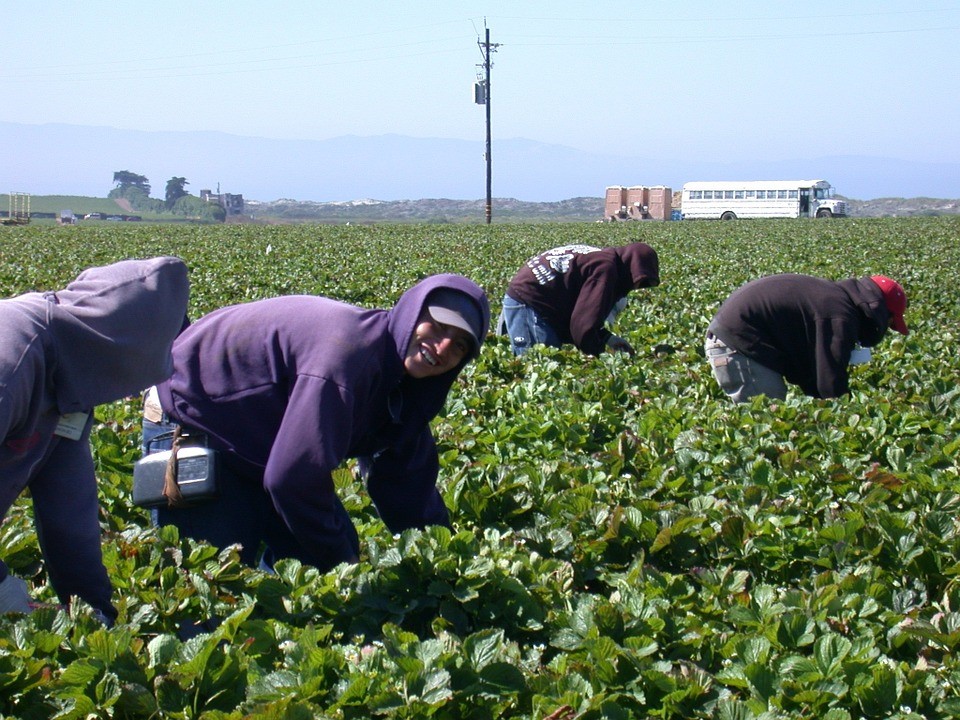 (Beyond Pesticides, September 18, 2020) In late August,
 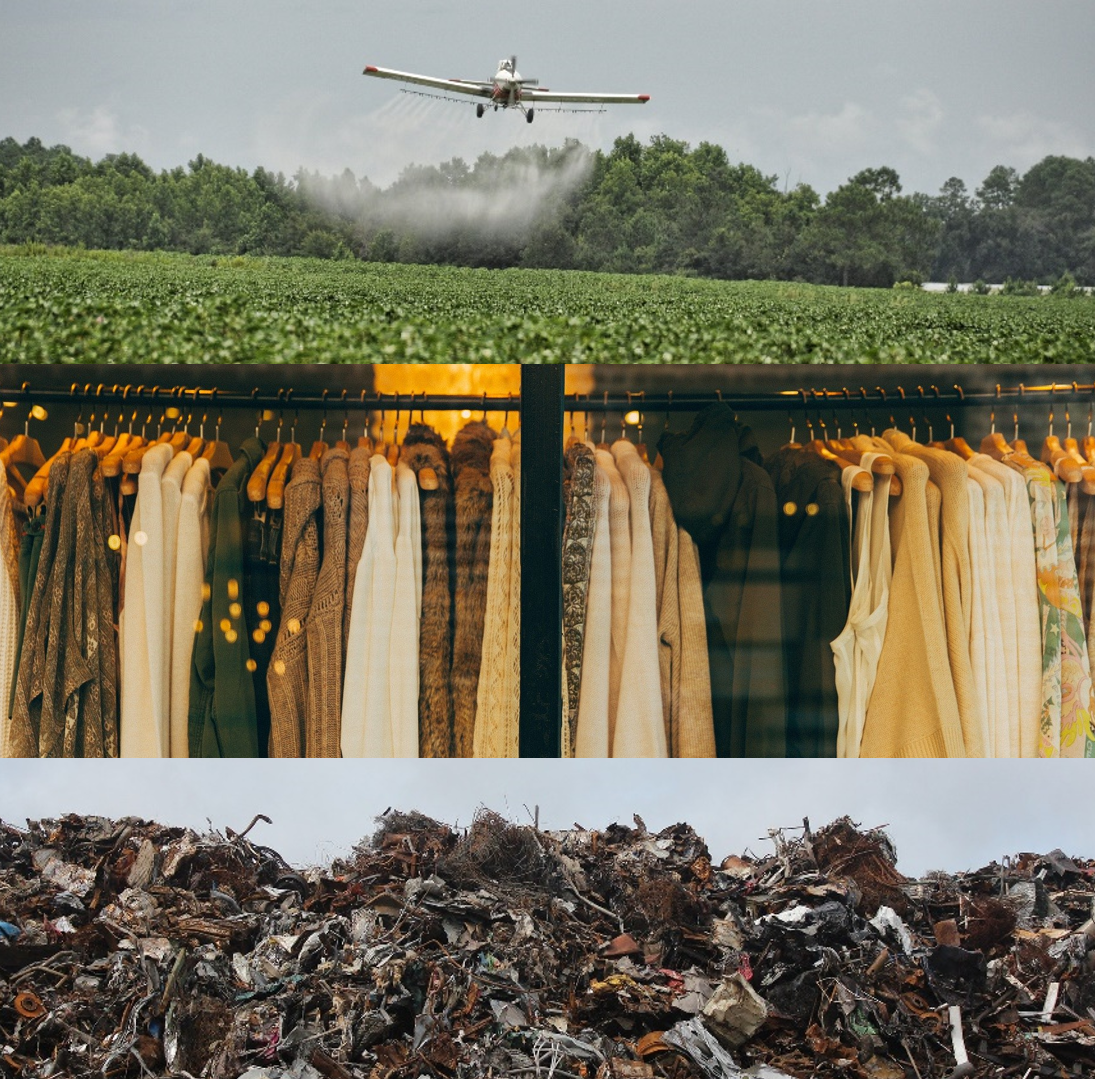 (Beyond Pesticides, September 17, 2020) The apparel industry becomes the latest contributor to global biodiversity loss, directly linking soil degradation, natural ecosystems destruction, and environmental pollution with apparel supply chains, according to the report, “
 (Beyond Pesticides, September 16, 2020) Disease carrying mosquitoes are more likely to flourish in areas being altered by human activities, according to new research published by scientists at Oregon State University. With climate change facilitating the spread of mosquitoes into new regions throughout the world, it is critical to understand the drivers of mosquito-borne disease in order to establish effective mitigation measures. “People care a lot about what environment a lion needs to succeed in; we’ve researched that extensively. But people don’t do that with mosquitoes. We don’t understand them as a group of species and how their ecology differs between species,” said study co-author Brianna Beechler, PhD, a disease ecologist and assistant professor of research in Oregon State University’s Carlson College of Veterinary Medicine.
 (Beyond Pesticides, September 15, 2020) Both wild and captive primates are being exposed to hazardous pesticides and flame retardants, according to research published this month in the journal
  (Beyond Pesticides, September 14, 2020) As Congress returns to Washington this week, it is overdue to pass critical pandemic aid for families and communities, including helping small and mid-scale farms and ranches, farmers markets, and local food businesses address the impacts of the Covid-19 pandemic.
 (Beyond Pesticides, September 11, 2020) In late August, the
  (Beyond Pesticides, September 10, 2020) A
  (Beyond Pesticides, September 9, 2020) Late last month the California legislature voted to ban, with limited exceptions, the use of highly toxic rat poisons. The California Ecosystems Protection Act of 2020,
 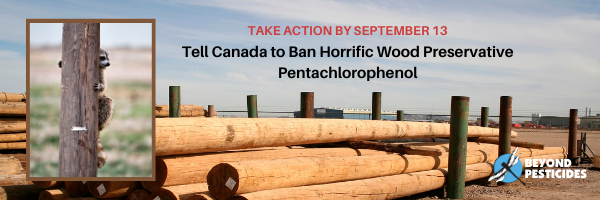 (Beyond Pesticides, September 8, 2020) Canada should be in accordance with international treaty to eliminate persistent pollutants.
 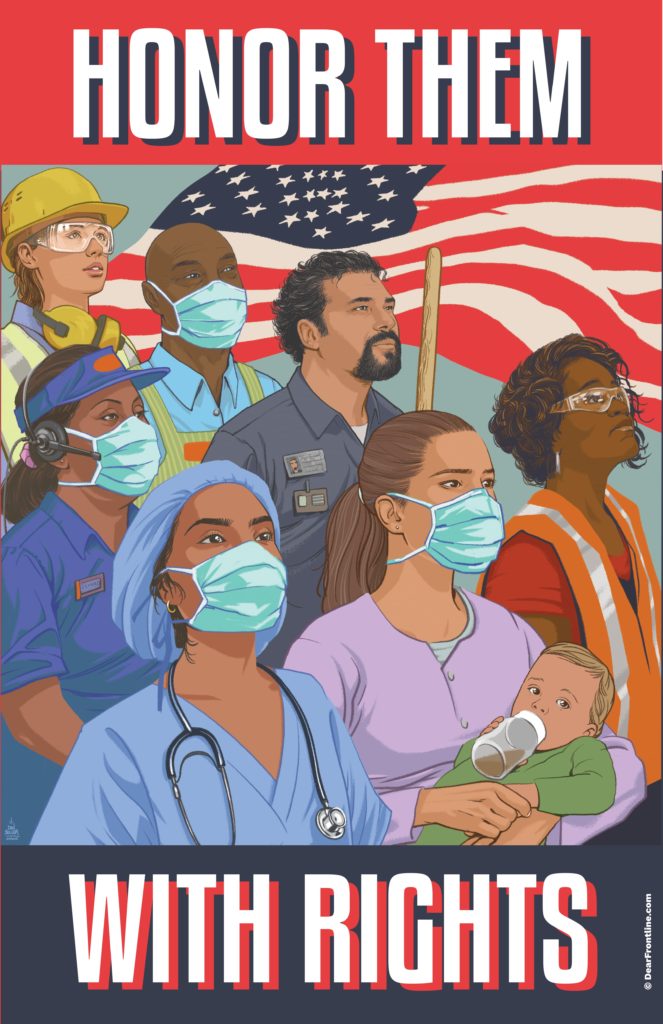 (Beyond Pesticides, September 7, 2020) On Labor Day during this coronavirus pandemic, it is especially appropriate that we thank all essential workers—but thanks are not enough. We must redouble our efforts to eliminate the racial and economic inequities in our society that contribute to disproportionate risk to the health and well-being of workers, especially people of color. As the commentary in
  (Beyond Pesticides, September 4, 2020) When
  (Beyond Pesticides, September 3, 2020) Occupational exposure to pollutants including, those from wood burning, pesticides, metals, and vehicle combustion, increases the risk of developing heart abnormalities among Latinx individuals, according to new research published in the
 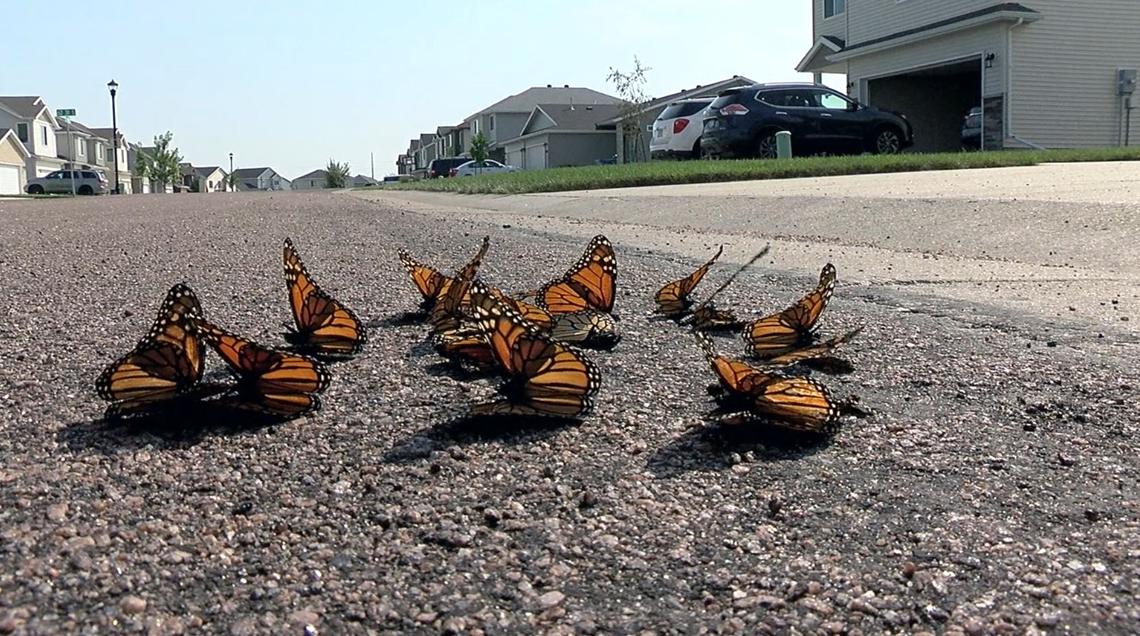 (Beyond Pesticides, September 2, 2020) It’s being called the Monarch Massacre—hundreds of monarch butterflies found dead after the Vector Control Department of Cass County, North Dakota aerially sprayed the county for mosquito control. This incident occurred during a moment in history that is seeing monarchs at the edge of extinction, with the number of monarch butterflies overwintering in Mexico having declined 53% from last year, according to a count conducted by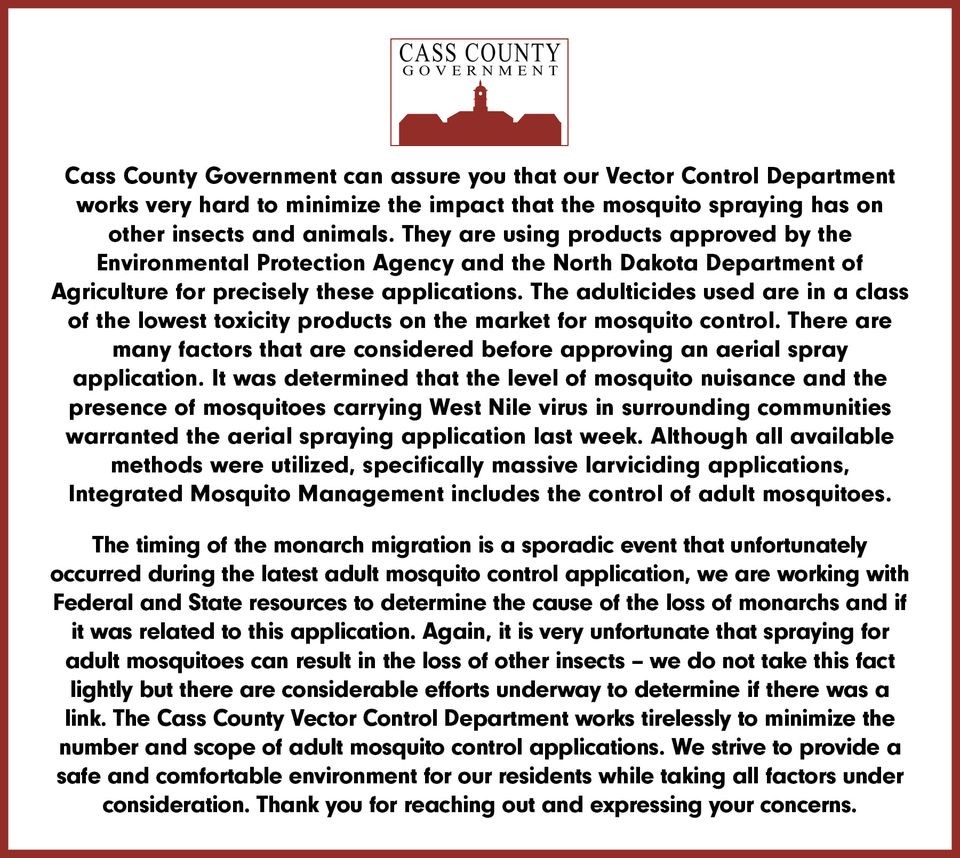
 (Beyond Pesticides, September 1, 2020) In its new report, industry watchdog OrganicEye, a project of Beyond Pesticides, examines the rapidly expanding CBD market, uncovering numerous examples of gross violations flying under the radar. In its report,
 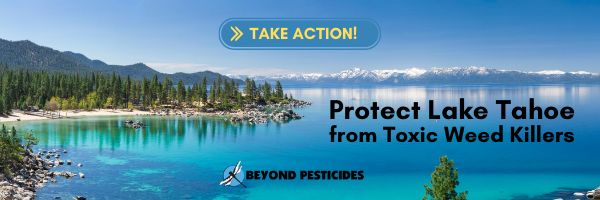 (Beyond Pesticides, August 31, 2020) We don’t need to use toxic weed killers to manage unwanted vegetation in Lake Tahoe, given the havoc they will wreak on a treasured and sacred ecosystem. The Tahoe Regional Planning Agency and Lahontan Regional Water Quality Control Board (TRPA/LRWQCB) are accepting comments on a draft environmental impact report/ environmental impact statement (EIR/EIS) analyzing environmental impacts of a proposed Tahoe Keys Lagoons Aquatic Weed Control Methods Test (“Project”). Unless we all speak up, the Project could involve the application of herbicides to Lake Tahoe. The Action Alternative 1: Testing of Non-Herbicidal Methods Only is the environmentally best choice and should be selected for the proposed weed control test program.
 (Beyond Pesticides, August 28, 2020) The
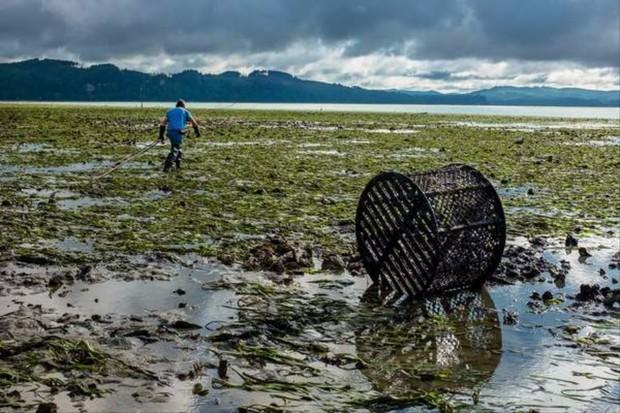 (Beyond Pesticides, August 26, 2020) Neonicotinoid insecticides damage the health of shrimp and oysters, according to two (


