

08
Oct
Take Action: Congressional Oversight Needed on Illegal Pesticide Use in Cannabis Production and Resulting Contamination
 (Beyond Pesticides, October 8, 2019) As medicinal and recreational marijuana continue to be legalized in a growing number of states, concerns about the safety of the burgeoning industry—how the substance is grown, harvested, processed, distributed, sold, and used—have emerged. Pesticides have not been registered for use in cannabis production, yet they are being widely used under state-adopted enforcement levels that imply safety, but not subject to any standard of review that meets pesticide registration standards.
Pesticide contamination of medical cannabis is important not only because it introduces toxic chemicals into a medicine, but also because medical cannabis can interfere with the body’s ability to detoxify those pesticides. Cannabinoids have been shown to inhibit the activity of enzymes that help detoxify chemicals, which can make pesticides more toxic.
New Frontier Data CEO Giadha Aguirre de Carcer, pointing to California residue testing results, cites a threat to the medicinal cannabis market. She notes that 84% of 2016 product batches tested were found to harbor pesticide residue; and that in the recent California round of assays 20% failed established state standards due to contamination from pesticides, bacteria, or processing chemicals, and in some cases, inaccurate labeling.
Colorado, Washington, and Oregon have all taken steps to list “allowable” pesticides for marijuana cultivation. However, by law, states cannot label pesticides that do not have a federal pesticide registration—which cannot be accomplished because of marijuana’s illegal federal status. California began in June 2018 to set out parameters for testing of cannabis; at this juncture, all cannabis for medical and recreational use must be tested for 66 different proscribed pesticides, as well as for other contaminants, such as E. coli, feces, mold, insect and rodent parts, mycotoxins, terpenoids, and heavy metals. The regulatory matrix in the states is dynamic, and events such as Colorado’s recalls and California’s fraudulent lab reporting may spur further adjustments.
Pesticide use on marijuana is illegal. Because marijuana is not a legal agricultural crop under relevant federal law (Federal Insecticide, Fungicide, and Rodenticide Act) and hemp has only recently been legalized, EPA has not evaluated the safety of any pesticide on marijuana plants. EPA has established no allowances for pesticide use in cannabis production, and no tolerances, nor any exemptions from tolerances, for pesticide residues on cannabis. In the absence of federal regulations governing pesticides in cannabis production, the use of pesticides not registered by EPA is illegal. Several states have codified this understanding by adopting policies that prohibit all federally registered pesticides. Other states have taken the position that state policy is unnecessary, since EPA has not registered any pesticides for cannabis production and registered pesticide use is illegal. A review of state laws conducted by Beyond Pesticides finds a patchwork of regulations with varying degrees of protection for consumers and the environment.
Because of the absence of thorough federal testing of potential effects of the use of pesticides on cannabis for consumers, producers, and the environment, states do not have the authority to permit pesticide use in cannabis production and processing. State may, however, provide clear rules for sustainable production practices that will protect public health and the environment.
The lack of federal review and registration of pesticides used in cannabis production effectively requires the industry to embrace only those inputs exempt from federal registration and adopt true organic soil management practices.
Beyond Pesticides has recommended that states establish laws and/or regulations that mandate an organic systems approach to cannabis production. A requirement, for example, that growers and processors follow the dictates of national organic soil management standards would be prudent, precautionary, and a positive trajectory for the cannabis industry.
Congress should intervene to protect public health and safety. Ask them to:
- Hold oversight hearings to document state violations of federal pesticide law by allowing the pesticide use in cannabis production and processing, despite not being registered for this use by EPA.
- Request an OIG and Government Accountability investigation to assist in clarifying EPA and state enforcement responsibility to ensure compliance with pesticide product labels.
Letter to Congress
Please intervene to protect public health and safety from misuse of pesticides on cannabis. As medicinal and recreational marijuana continue to be legalized in a growing number of states, concerns about the safety of the burgeoning industry—how the substance is grown, harvested, processed, distributed, sold, and used—have emerged. Pesticides have not been registered for use in cannabis production, yet they are being widely used under state-adopted enforcement levels that imply safety, but not subject to any standard of review that meets pesticide registration standards.
Pesticide contamination of medical cannabis is important not only because it introduces toxic chemicals into a medicine, but also because medical cannabis can interfere with the body’s ability to detoxify those pesticides. Cannabinoids have been shown to inhibit the activity of enzymes that help detoxify chemicals, which can make pesticides more toxic.
Pesticide use on marijuana is illegal. Because marijuana is not a legal agricultural crop under relevant federal law (Federal Insecticide, Fungicide, and Rodenticide Act) and hemp has only recently been legalized, EPA has not evaluated the safety of any pesticide on marijuana plants. EPA has established no allowances for pesticide use in cannabis production, and no tolerances, nor any exemptions from tolerances, for pesticide residues on cannabis. In the absence of federal regulations governing pesticides in cannabis production, the use of pesticides not registered by EPA is illegal. Several states have codified this understanding by adopting policies that prohibit all federally registered pesticides. Other states have taken the position that state policy is unnecessary, since EPA has not registered any pesticides for cannabis production and registered pesticide use is illegal. A review of state laws conducted by Beyond Pesticides finds a patchwork of regulations with varying degrees of protection for consumers and the environment.
Because of the absence of thorough federal testing of potential effects of the use of pesticides on cannabis for consumers, producers, and the environment, states do not have the authority to permit pesticide use in cannabis production and processing. State may, however, provide clear rules for sustainable production practices that will protect public health and the environment.
The lack of federal review and registration of pesticides used in cannabis production effectively requires the industry to embrace only those inputs exempt from federal registration and adopt true organic soil management practices.
States should establish laws and/or regulations that mandate an organic systems approach to cannabis production. A requirement, for example, that growers and processors follow the dictates of national organic soil management standards would be prudent, precautionary, and a positive trajectory for the cannabis industry.
Please protect public health and safety by:
- Holding oversight hearings to document state violations of federal pesticide law by allowing the pesticide use in cannabis production and processing, despite not being registered for this use by EPA.
- Requesting an OIG and Government Accountability investigation to assist in clarifying EPA and state enforcement responsibility to ensure compliance with pesticide product labels.
Thank you for your attention to this important issue.

 (Beyond Pesticides, October 4, 2019) A Circuit Court
 (Beyond Pesticides, October 2, 2019) New data gleaned from the Kuakini Honolulu Heart Program — a longitudinal study of men of Japanese descent living on Oahu —
  (Beyond Pesticides, October 1, 2019) Commonly used fungicides induce trophic cascades that can lead to the overgrowth of algae, according to research published in the journal
  (Beyond Pesticides, September 30, 2019) A warm thank you to all who have sent in comments for the Fall 2019 National Organic Standards Board (NOSB) meeting. We are sending out a second reminder so that those who have not commented can take this opportunity to do so. If you have already submitted, we encourage you to make a second round of comments to make sure your voice is heard!
 (Beyond Pesticides, September 27, 2019) The U.S. Fish and Wildlife Service (USFWS) will be required to protect the habitat of the





 (Beyond Pesticides, September 24, 2019) “Over increasingly large areas of the United States, spring now comes unheralded by the return of the birds, and the early mornings are strangely silent where once they were filled with the beauty of bird song,” Rachel Carson wrote in Silent Spring in 1962. New research finds that quote has held true since it was written. Over three billion birds, or 29% of 1970s abundance have been lost in North America over the last 50 years.
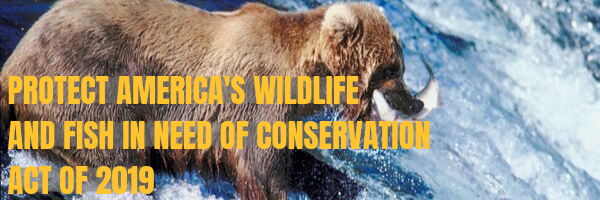 (Beyond Pesticides, September 23, 2019) Your voice is making a difference! Last month, thousands of individuals took action through Beyond Pesticides and other environmental groups to express concern to their federal lawmakers about the Trump Administration’s assault on the Endangered Species Act (ESA). In response, U.S. Representatives Grijalva, Beyer, and Dingell in the House, and Senator Udall in the Senate have introduced the
 (Beyond Pesticides, September 17, 2019) The poisonous farm fields migratory birds forage on during their journey reduce their weight, delay their travel, and ultimately jeopardize their survival, according to new research published in the journal
 (Beyond Pesticides, September 13, 2019)
  (Beyond Pesticides, September 12, 2019) This September, adults will join in
  (Beyond Pesticides, September 11, 2019) Germany is the latest entity to take action on getting
 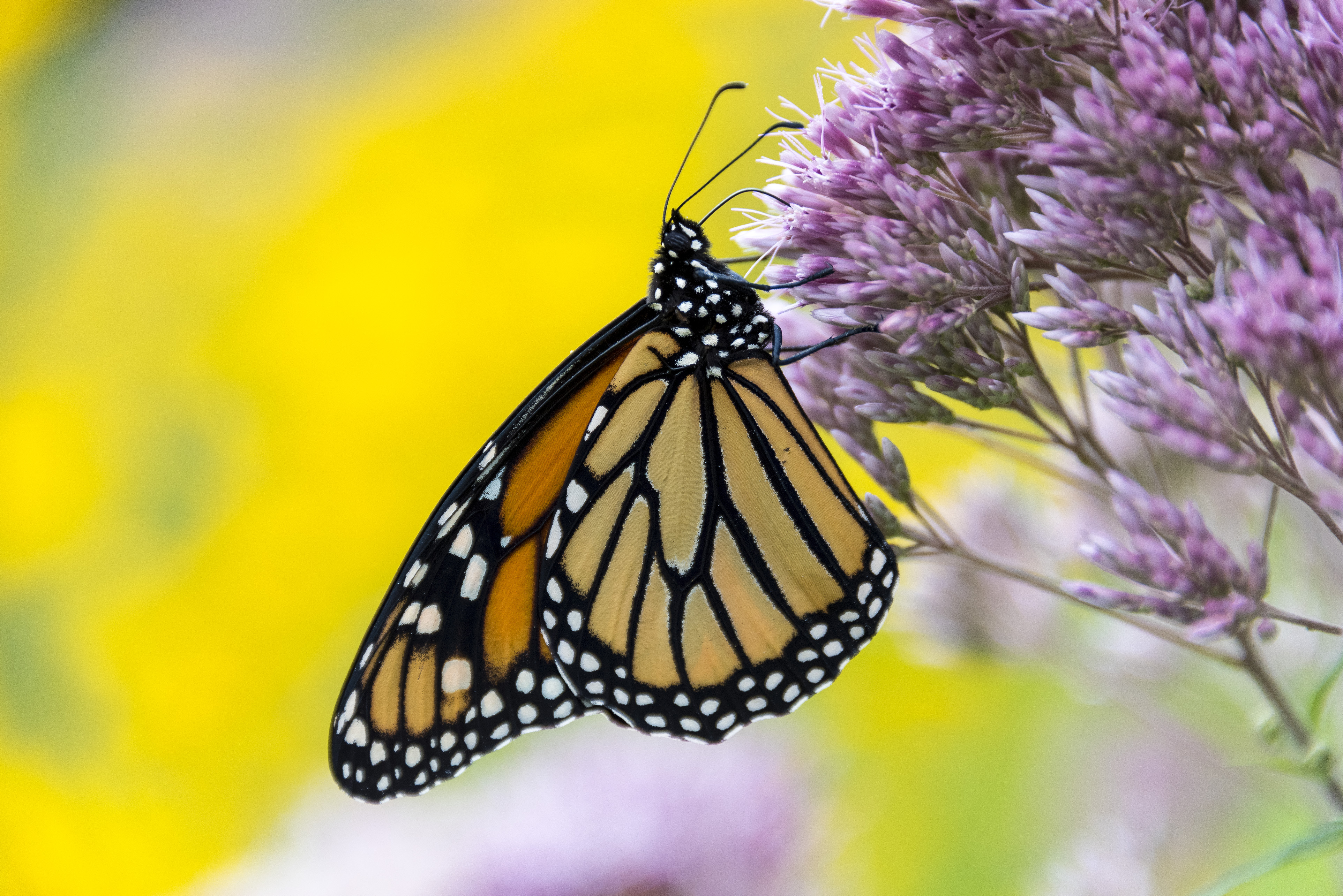 (Beyond Pesticides, September 10, 2019) Monarch populations on both coasts of North America are in
 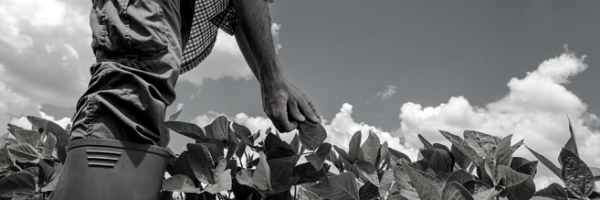 (Beyond Pesticides, September 9, 2019) New rules proposed by the Department of Labor (DOL) will weaken protections for both foreign and domestic farmworkers who grow and harvest the nation’s food. The changes would affect the H-2A guestworker program, which permits U.S. farms to temporarily hire foreign workers. Despite rapid increases in foreign agricultural workers over the past several years, the new rules would expand the program and make it easier for agrichemical companies to exploit foreign labor, driving down working conditions and pay for all farmworkers.