





01
Dec
PolliNATION: Best BioControl, Ichneumonid Wasps
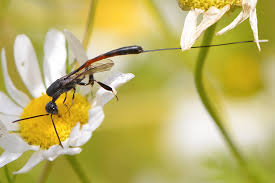 (Beyond Pesticides, December 1, 2017) Ichneumonid wasps (family Ichneumonidae), are a widely distributed parasitoid wasp family within the order Hymenoptera. The name “ichneumonid” comes from Greek words meaning “tracker” and “footprint.” And females do indeed hunt for suitable “hosts” by first identifying the organism’s food source. Once a suitable host is found, females deposit eggs onto the unsuspecting insect larvae where, within ten days to several weeks, the Ichneumonid larva kills the host by feeding on its body fluids before it emerges. They are also known as “scorpion wasps” for the extreme length and curving motion of their segmented abdomens. Note: both adult males and females are stingless, and feed on nectar.
The discovery of Ichneumonidae was so troubling to many that, in 1860, Charles Darwin wrote a letter to the American naturalist Asa Gray, saying:
“I own that I [should wish to] see as plainly as others do…evidence of design and beneficence on all sides of us…I cannot persuade myself that a beneficent and omnipotent God would have designedly created the Ichneumonidae with the express intention of their feeding within the living bodies of Caterpillars, or that a cat should play with mice.”
The parasitic behavior of Ichneumon wasps was the inspiration behind the “Alien” movies’ “face-hugger” and “chest-burster” alien species.
Range
The Ichneumonidae, arguably the largest animal family, contains about 4,000 species in North America alone. There are an estimated 60,000 to 100,000 ichneumonid species distributed worldwide, more than any other Hymenoptera family including ants and bees. Though considered to be especially species-rich in high latitudes, ichneumonids can be found in North America during spring and summer in a majority of wild habitats including forests and wetlands, as well as urban lawns and green spaces.
Physiology
Ichneumonids look like slim stinging wasps, having long legs and noticeably longer antennae containing 16 or more segments whereas other wasps have 13 or fewer segments. Both sexes can be found tapping their antennae across logs or tree trunks.
Ichneumonid wasps are some of the larger parasitic wasps. Adult size, form and color varies widely based on the size and food source of its larval host. Consequently, some may be brightly colored, while others are brown or tan. The largest ichneumonids of North America, those of the genus Megarhyssa (or giant ichneumonids) can reach 5 cm in length.
While their wings may be shaded blue or brown, ichneumonid wing structure varies slightly from other wasps – the main distinguishing feature being the added “venation” (or, vein arrangement) on its forewings.
Female ichneumonid wasps have a long “ovipositor,” or egg-laying organ. (In stinging hymenopterans, the stinger is a modified ovipositor.) The female’s ovipositor has a tiny ionized manganese or zinc (metal) tip which allows her to drill through bark to reach wood-boring hosts. Interestingly, such high metal concentrations are also found in the wasp’s hardened mandibles, allowing the newly emerged adult to chew a way out of the wood in which the prey larva was encased.
She uses her long ovipositor to inject eggs into a host’s body. The length of the ovipositor allows the female to inject eggs into leaf-rolling or stem-boring insect larvae remarkably (to a human’s viewpoint) hidden from view. A female will use her antennae to sense vibrations made when grubs or pupa feed.
Males tap their antennae only when in search of mates. They have neither stingers nor ovipositors.
Ecological Role and Threats to Existence
Being effective insect parasitoids, ichneumonid wasps play an essential role in the majority of ecosystems. Acting as biocontrol agents, they have been incorporated into managed biocontrol programs.
When in search of hosts to parasitize, female ichneumonid wasps target a wide variety of larvae or pupae of so-called “pest” insects. Ichneumonid wasps are considered highly beneficial as they are immensely helpful in decimating crop-damaging insects before they reach the adult, reproductive stage. Such hosts include tomato hornworms, boll weevils, forest yellowjackets, wheat stem sawflies, cutworms, birch leafminers, cabbage loopers, as well as both corn and wood borers.
When not in search of hosts, solitary ichneumonid wasps can often be seen feeding on nectar and sap of native flowers, shrubs and trees. Foraging adults prefer members of the carrot family Apiaceae (or Umbelliferae). These plants are usually aromatic and contain an umbrella-shaped “inflorescence.” Multiple broad-faced flowers (acting like a welcome mat, or landing pad), enables ichneumonid wasps to clamber across multiple flowers in a single visit, which effectively pollinates the plants.
Ichneumonid wasps travel up to 625 m. These lengthy journeys allow for wider pollen dispersal. However, some adults have been shown to revisit certain locations within days or weeks.
Like other insects, including those providing biological control and pollination services, ichneumonid wasps can be poisoned by the spraying of insecticides. In addition, the cosmetic application of toxic herbicides along the perimeter of our lawns, or across large swaths of farm fields, can destroy ichneumonid waps favorite plant food source, the Apiaceae. Without a viable food source, ichneumonid numbers dwindle, as adults become weak, inactive, and are more susceptible to disease.
How to protect the species
Learn to recognize insects. Learn how to identify and conserve flowering plant species. (Stop to appreciate their smell, color, and allure.) Protect biodiversity in every way you can using Integrated and Organic Pest Management. Remember: Exterminating pests does not mean similar pests will not return. Use least-toxic pesticides only as a last resort, carefully choosing the product least likely to harm insect predators and parasitoids. To keep pests at bay, start by identifying and eliminating pest entry ways as well as food and water sources. Toxic chemicals used on your lawn, parks, or sports fields, devastate the microbes needed to sustain a well-balanced food web.
To ensure a healthy and biodiverse environment for ichneumonid wasps to mate and feed, work collaboratively with neighbors to enliven microbial activity in your lawns or gardens. Replace a portion of your grass lawn with the native plants adapted to your region. Over-seed and apply “top-dressing” (ex- compost) to your lawn, or garden. Aerate soil to allow water to permeate through and stay where it should.
When wishing to incorporate ichneumonid wasps into an IPM strategy, remember, if the goal is to encourage beneficial ichneumonid wasps to deposit their parasitoid eggs into “pest” insect larvae, you need to offer ichneumonid adults sustained access to nectar plants. As ichneumonid wasps are attracted to aromatic plants in the carrot family, try adding varieties such as fennel, parsley, parsnip, dill, cumin, coriander, or chervil to your garden, or grow these plants in pots.
Further research in natural as well as biological control is always needed! Support the Organic Agricultural Research Act. Find out about quantitative biodiversity surveys in your area and their data on ichneumonid species diversity and habitat-hotspots. Keeping such records today will help future conservationists and entomologists make informed ichneumonid wasp protection decisions.
Remember: Avoid using insecticides indoors (or in your garden) as residues can persist in homes for over a year. Visit Beyond Pesticides’ ManageSafe database to learn about least-toxic alternatives for indoor and outdoor pest problems.
Citations
Brisbane Insects and Spiders: www.brisbaneinsects.com
http://www.brisbaneinsects.com/brisbane_parawasps/ICHNEUMONIDAE.htm
Waspweb.org
Bug Guide: https://bugguide.net/node/view/150
Washington State University, Tree Fruit Research and Extension Center (Orchard Pest Management Online): http://jenny.tfrec.wsu.edu/opm/displaySpecies.php?pn=920
Missouri Deparment of Conservation: https://nature.mdc.mo.gov/discover-nature/field-guide/ichneumon-wasps
www.britanica.com: https://www.britannica.com/animal/ichneumon
McGill University, Quebec Biodiversity Website: http://redpath-museum.mcgill.ca/Qbp/2.About%20Biodiversity/surveys.htm
Wikipedia: https://en.wikipedia.org/wiki/Ichneumonidae

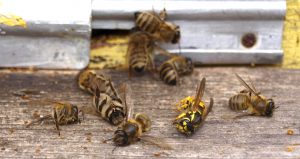 both contain the active ingredient, sulfoxaflor, which is highly toxic to bees. The ruling overturned the decision by France’s health and environment agency, ANSES, to allow the use of the sulfoxaflor products. Sulfoxaflor use was also challenged in the U.S. by beekeepers concerned about its impact on already declining bee populations.
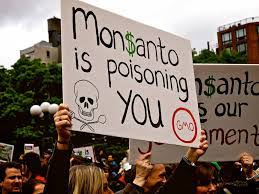 industry-fueled attacks on its reputation in the wake of
 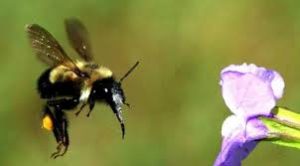 (Beyond Pesticides, November 28, 2017) Bumblebees exposed to field-realistic levels of neonicotinoid insecticides have problems with “buzz pollination” that results in reduced pollen collection, according to new research published in
  (Beyond Pesticides, November 27, 2017) Congress is working on the 2018 Farm Bill, which will determine how $956 billion of our tax money will be spent over the coming years in shaping our food system. This year, U.S. Representative Earl Blumenauer (D-OR) has introduced a
 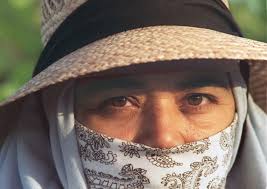 (Beyond Pesticides, November 22-23, 2017) As we sit with friends and family this Thanksgiving, let us appreciate how our delicious meal got to your table. The turkey, potatoes, stuffing, and cider all originated in fields far from our homes, and those working in those fields deserve our thanks. They deserve our thanks because many of these workers work long hours, under deplorable conditions, and are exposed to pesticides that put their health and that of their families at risk. So, as we enjoy our pumpkin pie, cranberry sauce, and apple crumble, remember all the hardworking farmworkers who have helped to bring our meal to the Thanksgiving table. At the same time, we give thanks for the environment that is so plentiful and nurturing of life, and remember the importance of pollinators and biodiversity in sustaining life.
 according to the latest research from New Zealand scientists,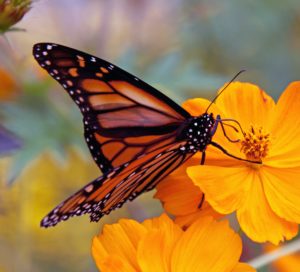
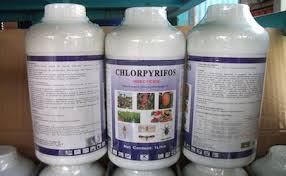 findings on the risk of three highly toxic organophosphate pesticides to endangered species. The move is widely seen by environmental advocates as influenced by the chemical industry, in particular the
  proposed merger of Bayer (BAYN) and Monsanto (MON). The signatures were delivered as two new reports reveal devastating impacts that will be caused by the merger on consumers and farmers, including higher food prices, less innovation, limited seed choices, and escalating dependency of toxic chemical inputs in food production.
 Reports. With the organophosphate
 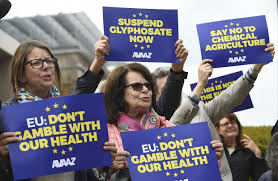 Member states voted last week, but failed to approve, continued use even after months of deliberation over the controversial herbicide. Glyphosate (Roundup) is also up for review in the U.S., but many expect the herbicide to be reregistered by the U.S. Environmental Protection Agency (EPA), despite health concerns.
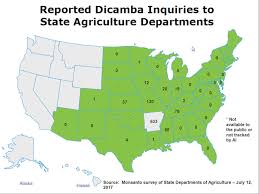 damage, the Arkansas State Plant Board (ASPB) voted earlier this week to prohibit the use of the weedkiller in agriculture during the next growing season. If officially approved by a subcommittee of the state legislature, the new regulations will make dicamba applications between April 16 and October 31, 2018, illegal for Arkansas farmers. The move by the State Plant Board is a huge blow to multinational agrichemical companies Monsanto and BASF, both of which have developed genetically engineered (GE) soybean crops tolerant of dicamba herbicides.
 Affairs (VA) Secretary David Shulkin announced last week he intends to delay a decision to expand coverage to new illnesses. Despite a
  product, NemaStrike, for nematode or roundworm control (nematicide) have been reporting skin irritation, including rashes that occurred after use. Now the seed giant is pausing a full rollout of the product, while blaming farmers for not using gloves and other protective equipment to handle the treated seeds. This is another blunder from Monsanto and the latest incident highlighting the deficiencies in the U.S. Environmental Protection Agency’s (EPA) pesticide registration process in light of the millions of acres of crop damage from Monsanto products green-lighted by EPA.
 retiring board member Francis Thicke, Ph.D., in one of the farmer positions, highlighted ways that big ag has perverted the mission of organic, as originally conceived by organic practitioners, consumers, and environmentalists. Dr. Thicke mentioned “organic” CAFO (concentrated animal feeding operation) dairies with 15,000 cows in a desert feedlot, “organic” chicken CAFOs without outdoor access, fraud in “organic” grain shipments, and, now, “organic” hydroponics. His frustrations mirror those of hundreds who protested against “organic” hydroponics at the Jacksonville, Florida meeting and in written comments.
 research and strengthening enforcement of the organic standards:
 and other techniques in attempts to become pregnant, according to new research published by Harvard University doctors in the
 Fun fact: The Baltimore orioles’ slender beaks allow them to feed in an unusual way. By first piercing soft fruits with their closed bills, the birds open their mouths to cut a strip through the juicy fruit, allowing them to drink the gushing liquid with their brushy-tipped tongues, in a process called “gaping.”
 weedkiller glyphosate being found in the human body, according to new research from University of California, San Diego.
  (Beyond Pesticides, October 31, 2017) Scientists warn that inadequate federal testing, disproportionate industry influence, and subverted regulatory oversight threaten decades of progress on protecting people from hormone disrupting chemicals. This from a new paper with findings that regulators face a critical need to fully understand and address the hazards from these dangerous substances.
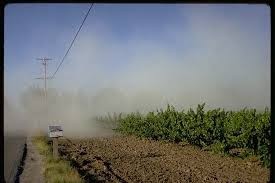 Comment period closes today, Monday, October 30, 2017, at 4:30pm (Eastern Time). Your comments are needed to stop the disaster in Arkansas being created by Monsanto’s new genetically engineered (GE) cropping system, which relies on the toxic pesticide dicamba.


