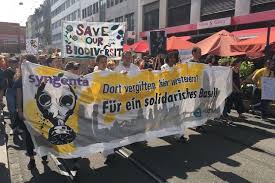
 (Beyond Pesticides, June 28, 2019) As is the case in many countries, the conversation about the use of pesticides has been especially vigorous in the past few years. Switzerland is a case in point: it is undergoing deep scrutiny of pesticide use, and the UN Special Rapporteur on Toxics, Baskut Tuncak, has now said publicly that pesticide companies’ behavior is “seriously deficient” regarding human rights (especially those of children), and that the Swiss government should act more aggressively to phase out use of these hazardous chemicals.
Recently, the pesticide conversation has ratcheted up several notches, not only in the U.S., but also globally, due to greater public awareness of the health and environmental threats of pesticide use, more and more research underscoring those threats, and pointedly, the cascade of litigation against Monsanto (now owned by Bayer) for harm to individuals who have used its glyphosate-based products. Public awareness in Switzerland is also mounting in response to global developments, to recent discoveries that small streams in Swiss agricultural areas are heavily polluted with pesticides, and to broadening recognition that pesticides are linked to a plethora of harms to human health, pollinators, water, farmworkers, wildlife, ecosystems and biodiversity, and more. In 2017, a UN report found that human rights are adversely affected by pesticide use: not only has industrialized agriculture not succeeded in “eliminating world hunger”; it has hurt human and environmental health and well-being.
Corporate disregard for the impacts of pesticide products (which is enabled by the Environmental Protection Agency [EPA] in the U.S.), rampant malfeasance, and undue influence on governmental regulation all underscore the “seriously deficient” description used by Mr. Tuncak. He commented in the swissinfo.ch interview, “There is a serious deficiency in terms of the human rights due diligence carried out by pesticide manufacturers and other chemical companies in terms of what happens after the point of sale. . . . Most chemical companies have a very shallow approach to human rights due diligence.” He admonished the Swiss government for failing to hold businesses accountable for ensuring chemical safety, and phasing out chemicals of concern. He also critiques countries broadly for their lack of accountability to the pledges made under the Strategic Approach to International Chemicals Management framework, saying that the agreement “hasn’t made a significant dent in phasing out highly hazardous pesticides in the past 13 years.”
In 2014 and again in 2017, Mr. Tuncak was appointed UN Special Rapporteur on the implications for human rights of the environmentally sound management and disposal of hazardous substances and wastes. The website swissinfo.ch interviewed him about his UN charge to assess how pesticides impact human rights, and his thoughts about the responsibilities of governments and industry.
His first comments in the interview went right to the heart of concerns about health impacts of pesticides: “What really concerns me is the widespread exposure of children during sensitive periods of development and how chemicals are found to be more and more hazardous at lower and lower exposure levels over time. Health trends ranging from declining sperm count to rising breast cancer rates are increasingly being associated with exposure to these chemicals in childhood. Particularly concerning is the way multiple chemical exposures can combine and interact with each other to impact health. Yet the few risk assessments that have been completed focus on the risk of exposure to individual substances, and don’t consider the human rights of the child. We are discovering all kinds of nuanced effects of these chemicals on health, which increasingly is changing the way we think about diseases and disabilities that develop later in life. I find this widespread prevalence of childhood exposure very concerning not only based on the science, but also the values, principles and rights of children that are recognised by nearly 200 countries.” Beyond Pesticides has frequently covered the threats of pesticides to children and their development.
The Swiss government has been a bit “all over the map,” and certainly inconsistent, on the matter of pesticide regulation. Critics note, for example, its glacial implementation of a narrowly focused pesticide reduction plan passed in 2017 that purports to reduce by 50% the risks of long-term soil and water pollution by adopting more-sustainable agricultural policies. At the same moment, the Federal Office of Agriculture (FOAG) issued a statement saying it’s not possible to dispense with pesticides altogether. On the ground, activists have advanced the Clean Drinking Water and Healthy Food initiative, which aims to cut subsidies to farmers who use pesticides or antibiotics, and the so-called Neuchâtel initiative, which looks to ban pesticide use in the country, as well as importation of food containing pesticides — both of which should end up going to the ballot box in the next two years.
Just this month, the FOAG banned 12 pesticides that contain chlorpyrifos and chlorpyrifos-methyl, which are commonly used on potatoes, vegetables, berries, and grapes. Yet the ban, which affects a total of 26 products, also allows three of them to continue to be sold for another year. The Swiss parliament is currently considering two additional initiatives to restrict the use and sale of pesticides.
Further, ARC2020 — a multi-stakeholder platform of more than 150 civil society networks and organizations (from 22 European Union member states) that work on issues affected by the EU’s Common Agricultural Policy — has noted that Switzerland has made progress on the sustainable agriculture front, including reducing use of what Europeans refer to as Plant Protection Products (PPPs), which are synthetic pesticides, herbicides, fungicides, etc.
ARC2020 wrote in March 2019, “The strict Swiss regulatory regime places biodiversity at the heart of agricultural policy. Subsidies for Swiss farmers are pegged to compliance with regulations on pesticide use, nutrient budgets, crop rotation and livestock. Farmers are also required to set aside 7% of farmland for Biodiversity Promotion Areas (BPAs) such as grassland, hedgerows and wildflower strips. Direct payments for ecosystem services are designed to compensate farmers for loss of income. Agroscope’s role is to develop direct and indirect alternatives to pesticides. ‘We only resort to synthetic plant protection products once all other measures have been exhausted.’”
The human rights issues related to pesticide use comprise one aspect of a broader question being discussed across global societies — whether people have inherent rights to health, a livable climate, and clean oceans, air, water, and/or food. The UN Office of the High Commissioner on Human Rights website notes, “A safe, clean, healthy and sustainable environment is integral to the full enjoyment of a wide range of human rights, including the rights to life, health, food, water and sanitation. Without a healthy environment, we are unable to fulfil our aspirations or even live at a level commensurate with minimum standards of human dignity. At the same time, protecting human rights helps to protect the environment. When people are able to learn about, and participate in, the decisions that affect them, they can help to ensure that those decisions respect their need for a sustainable environment.”
Beyond Toxics further lays out the rationale for viewing pesticide use and other issues through a human rights lens: “Human rights norms are not arbitrary. They are ethical standards recognized by citizens in our country and by peoples around the world as moral duties and protections that everyone should be able to expect from their governments. If governments, or businesses regulated by governments, violate these norms, they are violating formally recognized standards of justice.”
In 2017, the International Monsanto Tribunal — which was established by the Monsanto Tribunal Foundation, an initiative of civil society groups — litigated Monsanto to hold it accountable for crimes against nature and humanity, and ecocide. The presiding judges, having heard testimony from experts, witnesses, and victims in The Hague, Netherlands, home to the UN International Court of Justice, delivered their legal opinion on Monsanto’s impact on issues including human rights, food access, environmental health, and scientific research. Their conclusion: that Monsanto has engaged in practices that have negatively affected people’s right to a healthy environment, to food, and to health, and that if ecocide were recognized as an international criminal law, the corporation would possibly be found guilty.
On a different frontier, in the U.S. courts, the question of human rights in the face of the climate emergency is currently before the Ninth Circuit Court of Appeals in Juliana v. United States, a lawsuit brought by a group of 21 young people. The plaintiffs’ case “demands that the government step up to protect today’s children, and future generations, from the worst effects of climate change. It says they risk being deprived of their ‘rights to life, liberty, property, and public trust resources by federal government acts that knowingly destroy, endanger, and impair the unalienable climate system that nature endows.’”
In April 2019, a report, The Human Right to a Clean and Healthy Environment in Climate Change Litigation, examined issues raised in lawsuits in the U.S., the Netherlands, Switzerland, Columbia, and Pakistan, and points to cautious optimism about the human rights bases of the suits. Environmental law professor at Wake Forest School of Law and former special rapporteur for Human Rights at the UN, John Knox, commented, “One of the valuable aspects of human rights is that they set out certain basic protections that we think are necessary for human dignity, equality and freedom. . . . And so while the challenges may change and evolve, the need to protect people’s basic human rights should remain a constant.”
The “rights” lens was posited, vis a vis pesticide use, way back in 2004 by noted scientist and activist Sandra Steingraber, PhD, who wrote for Beyond Pesticides about the issue of human rights and people’s unwitting exposure to chemicals in our air, food, and water. The human rights of farmworkers and their families, and child farm workers, are often acutely at issue because of intensive pesticide use. Beyond Pesticides advocates for a precautionary approach to the use of chemicals, and asserts that organic approaches to agriculture and land management represent the real solutions to the threats of chemically intensive production. It supports steps that bring the world closer to the day those are realized.
All unattributed positions and opinions in this piece are those of Beyond Pesticides.
Source: https://www.swissinfo.ch/eng/health-and-environment_un-expert-urges-phase-out-of-hazardous-pesticides/45040316






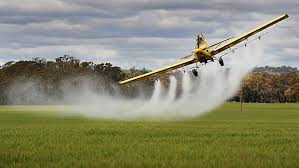 (Beyond Pesticides, July 18, 2019) Pesticide products containing the weed killer dicamba become more volatile and drift-prone in hot conditions and when tank-mixed with glyphosate, according to a recent study conducted by scientists at the University of Tennessee. The findings help explain rampant complaints from farmers in the South and Midwest experiencing crop loss and economic hardship as a result of drift from new dicamba products, which are formulated with glyphosate for use on genetically engineered (GE) cotton and soy. While states have taken the lead in regulating the use of GE dicamba products, top political officials within Administrator Andrew Wheeler’s EPA overruled the findings from agency scientists urging larger buffer zones to protect neighboring crops and farm fields.
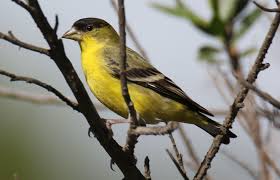 (Beyond Pesticides, July 17, 2019) A March 2017 bird kill incident in Modesto, CA can be traced directly back to an insecticide “soil drench” applied to the base of several elm trees by pesticide applicators hired by the city, as detailed in a study published last month in the
  (Beyond Pesticides, July 16, 2019) USDA’s
 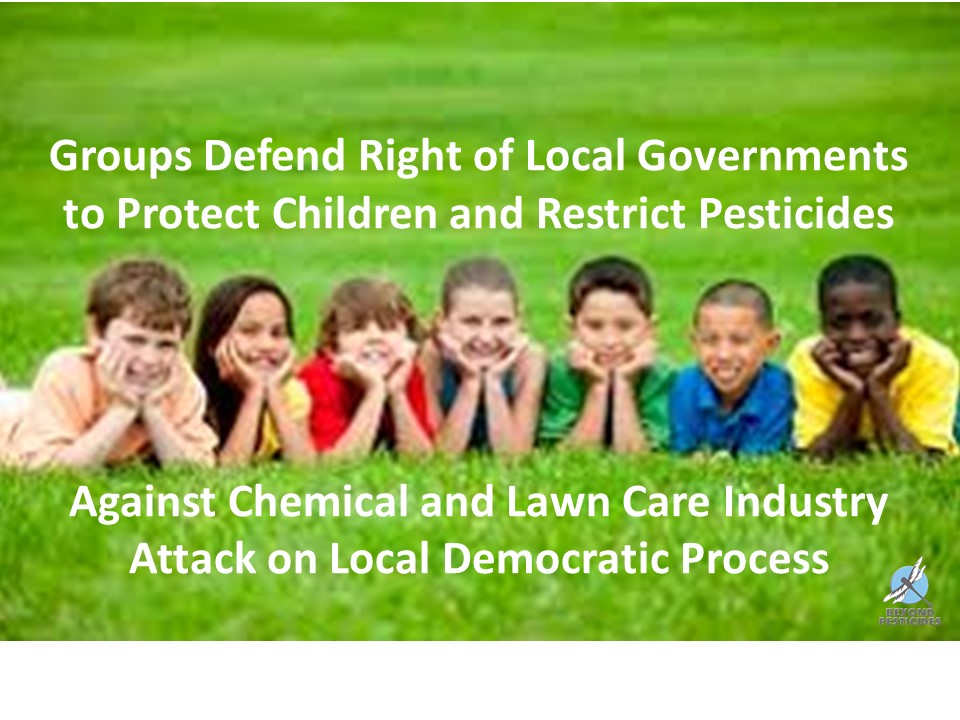 (Beyond Pesticides, July 15, 2019) On Friday, Maryland’s highest court upheld the right of local governments to restrict the use of toxic lawn care pesticides more stringently than the state. By denying an appeal from the pesticide industry’s challenge to a lower court ruling, the Maryland Court of Appeals has made official
  (Beyond Pesticides, July 12, 2019) The U.S. Department of Agriculture (USDA) announced, on Saturday, July 6 that it would
  (Beyond Pesticides, July 11, 2019) Pregnant mothers with higher concentrations of pesticide metabolites (breakdown products) in their urine are more likely to have children who develop symptoms of Attention Deficit/Hyperactivity Disorder (ADHD), according to research conducted by the University of Southern Denmark and Odense University Hospital. The results of this study are consistent with past findings from
  (Beyond Pesticides, July 10, 2019) The California Coastal Commission will host a public hearing today on a U.S. Fish and Wildlife Service (USFWS) proposal to drop 1.5 tons of the rodenticide brodifacoum, an extremely potent anticoagulant, on the Farallon Islands National Wildlife Refuge.
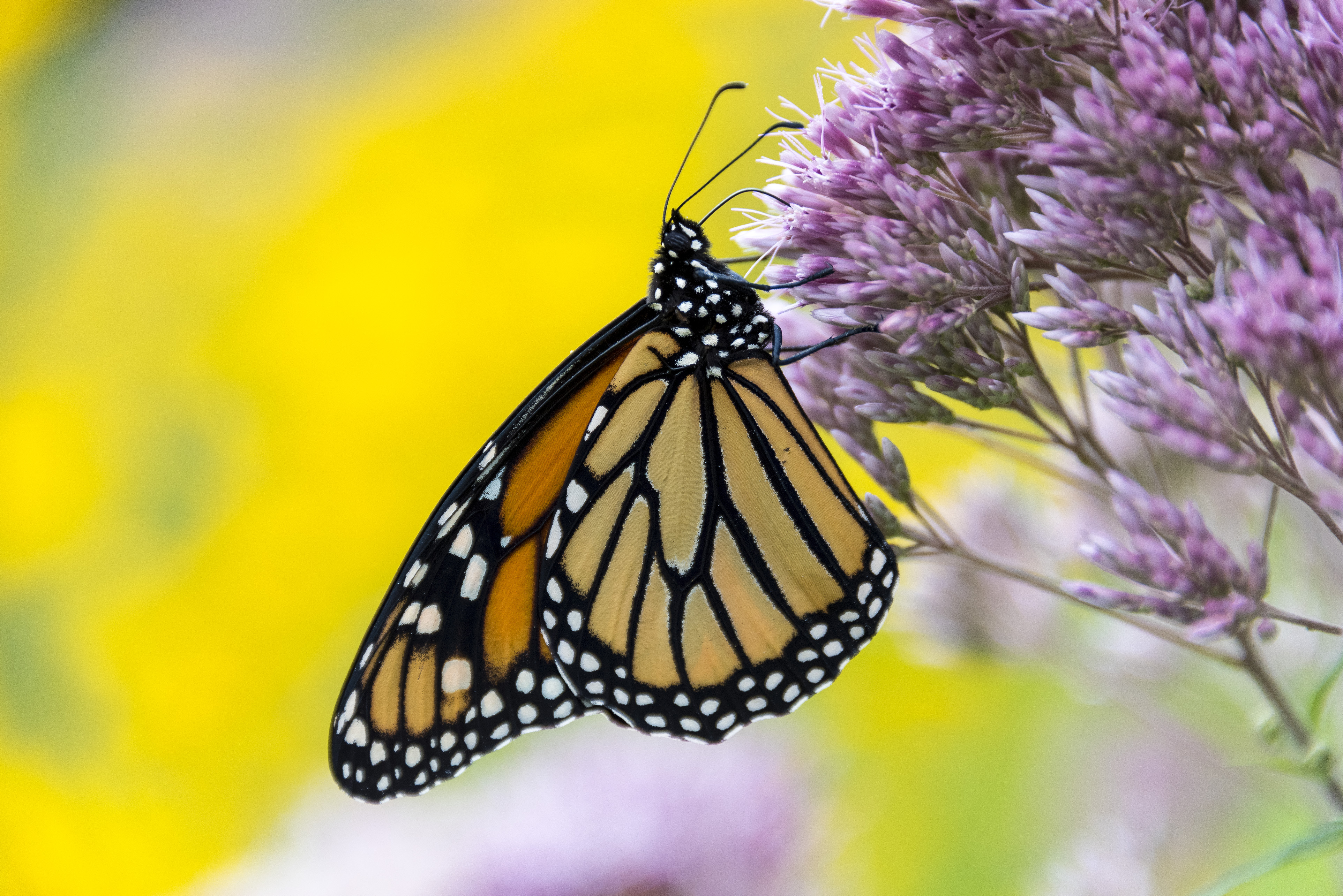 (Beyond Pesticides, June 8, 2019) Scientists studying the precipitous decline in populations of monarch butterflies are searching for causes, and
  (Beyond Pesticides, July 5, 2019) This is a story about a chemical pesticide, a fungicide, in wide use for which the mode of action, i.e., the ability to cause harm, has not been fully understood. It is not a story unique to this pesticide. Rather, it is an important story to consider when deciding to use a pesticide or allowing a pesticide to be used. The question is whether the chemical could be broadly problematic beyond the target organisms, in this case fungi? In its coverage of a study published in March, the
 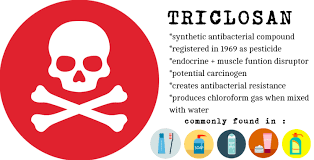 (Beyond Pesticides, July 3, 2019) A disturbing association between urinary triclosan concentrations and osteoporosis has been identified in an epidemiological study. Drawing from the National Health and Nutrition Examination Survey (NHANES) results for 1,848 U.S. adult women, the authors conclude that higher concentrations of urinary triclosan are associated with lower bone mass density and higher prevalence of osteoporosis among U.S. adult women.
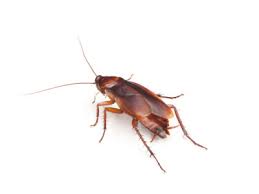 (Beyond Pesticides, July 2, 2019) German cockroaches, the bane of many apartment-dwellers throughout the U.S., can rapidly develop cross-resistance to insecticides they have never been exposed to, according to researchers from Purdue University. “This is a previously unrealized challenge in cockroaches,” said Michael Scharf, PhD, whose findings were published in the journal
 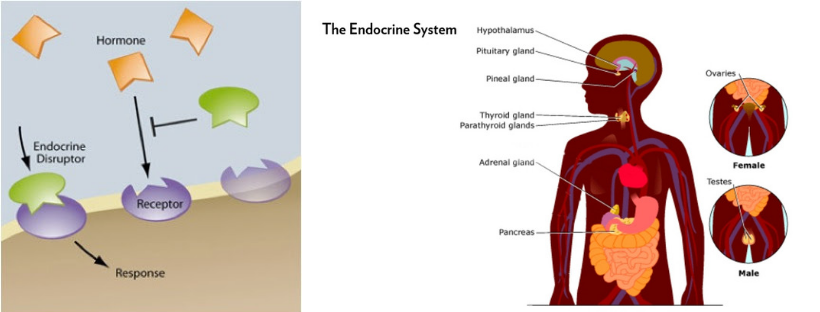 (Beyond Pesticides, July 1, 2019) France made a decision in May to ban a widely-used fungicide because it damages the endocrine system. In contrast, there has been a stark failure to protect health in the U.S. Despite a Congressional mandate, EPA is not acting on
 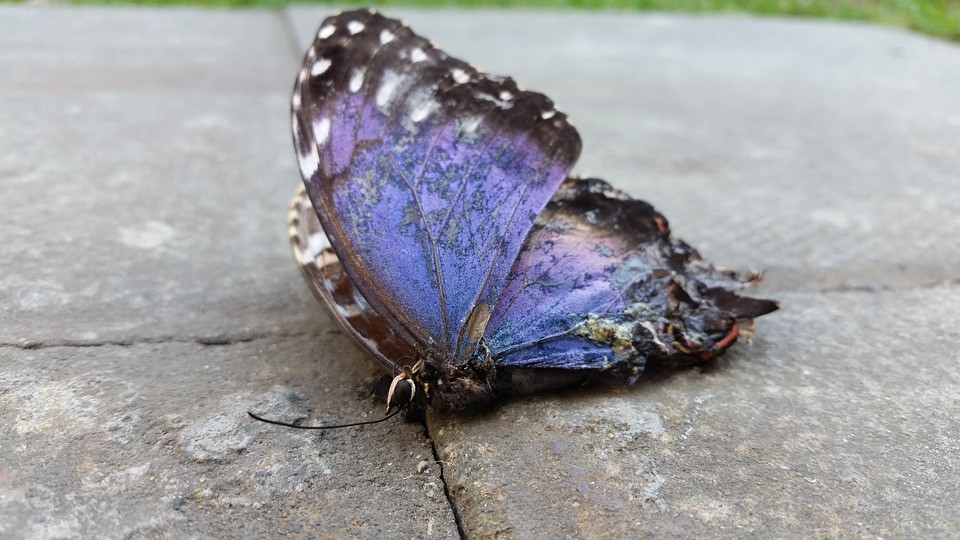 (Beyond Pesticides, June 27, 2019) A review of scientific literature urges for swift societal action on the collapse of insect populations worldwide, according to authors of a study. The authors point out that while there is a need for more research on the extent of the phenomenon as well as causal factors, there is currently sufficient evidence to spur and inform transformational policy in response to a definite worldwide crisis. The paper, Declines in insect abundance and diversity: We know enough to act now, provides a run-down of actions to take—from national policy to apartment balconies.
 (Beyond Pesticides, June 26, 2019) “We were drooling excessively. My eyes would not stop watering,”
  (Beyond Pesticides, June 24, 2019) A
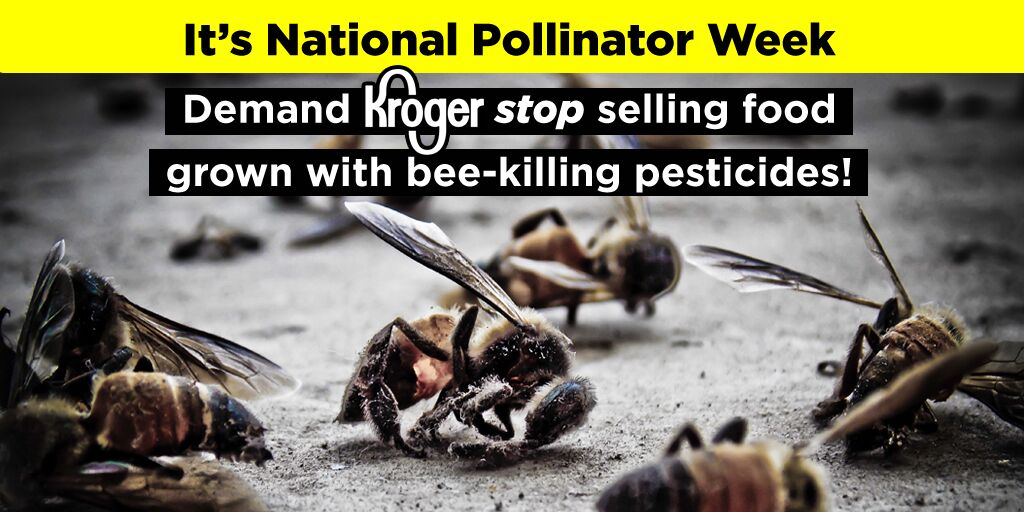 (Beyond Pesticides, June 19, 2019) To mark National Pollinator Week (June 17-23), more than 10,000 people across the country are joining to demand that Kroger (NYSE: KR) help stop the extreme decline of pollinators. Customers are delivering letters to stores asking the nation’s largest conventional grocery store to eliminate pollinator-toxic pesticides from its food supply chain and increase domestic organic food offerings to help stop the catastrophic decline of pollinators and other insects.
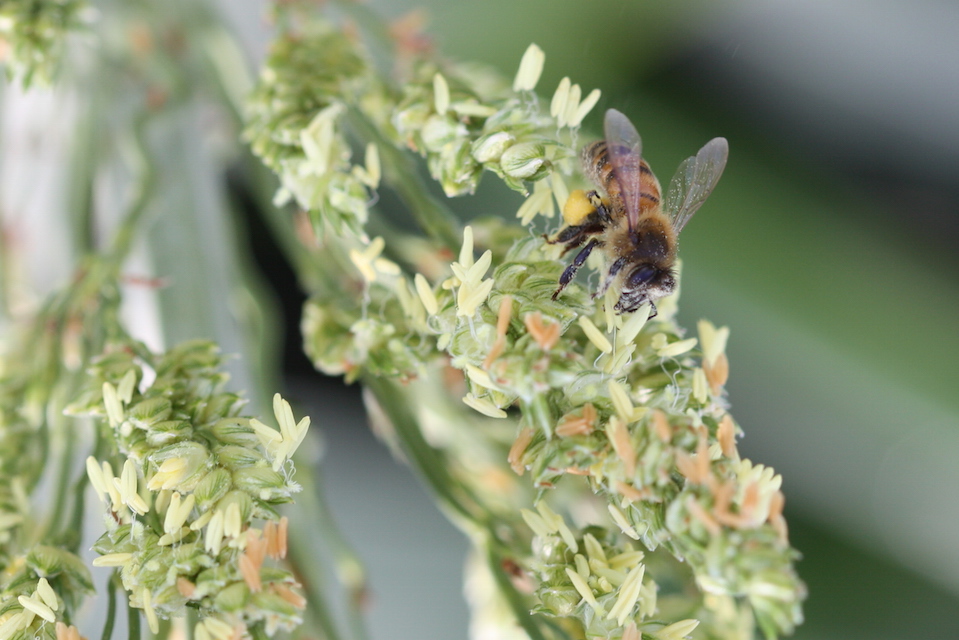 (Beyond Pesticides, June 19, 2019) On June 17, 2019, the Environmental Protection Agency (EPA) once again approved “emergency” uses of sulfoxaflor, a bee-toxic insecticide, on millions of acres of crops that are attractive to bees. Sulfoxaflor is functionally identical to the neonicotinoid class of
  (Beyond Pesticides, June 18, 2019) As the New York Times wrote in November 2018, “
 (Beyond Pesticides, June 17, 2019) During Pollinator Week, starting June 17, ask your elected representative in Congress to support pollinators by co-sponsoring Saving America’s Pollinators Act (SAPA). If they are already a cosponsor, use the occasion to thank them for their leadership on this critical issue.


