
21
Feb
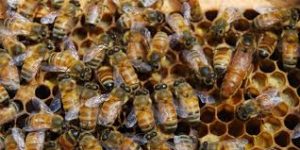 (Beyond Pesticides, February 21, 2019) In 2018, the Environmental Protection Agency (EPA) approved 16.2 million acres of crops to be sprayed with the bee-toxic insecticide sulfoxaflor under an emergency exemption. Sulfoxaflor was used in 18 different states on cotton and sorghum — plants known to attract bees.
In response to a lawsuit headed by beekeepers, the EPA reclassified sulfoxaflor in 2016 and, recognizing its toxicity to bees, prohibited use on crops that draw in these pollinators. However, Section 18 of the Federal Insecticide, Fungicide, and Rodenticide Act (FIFRA) gives the EPA authority to permit temporary emergency use of unapproved pesticides. This loophole is used regularly in response to predictable stressors. “Emergency” use was approved 78 times for sulfoxaflor on sorghum and cotton between 2012-2017.
Sulfoxaflor is a systemic insecticide that acts similarly to neonicotinoid pesticides. After application, the chemical is absorbed and distributed throughout the plant, including pollen and nectar. These kinds of chemicals are selective agonists of insects’ nicotinic acetylcholine receptors—they bind to the receptor and cause it to activate. The impact on foraging bees is sublethal, but devastating on a population level. Even at low levels, sulfoxaflor impairs reproduction and reduces bumblebee colony size. Sufloxaflor is functionally identical to the pesticide imidacloprid, which negatively impacts foraging and immune responses in bees.
The EPA’s Office of Inspector General (OIG) has recognized the broad misuse of Section 18. A 2018 report from OIG notes that EPA “does not have outcome measures in place to determine how well the emergency exemption process maintains human health and environmental safeguards.” Section 18 is intended to be utilized for unanticipated, urgent, and short-lived pest situations. Instead, it is harnessed as an effective, chronic workaround FIFRA registration and appropriate limits of use.
With 41% of insects on the fast track to extinction, advocates say that EPA’s continued malfeasance is unacceptable. The consequences of ignoring the impact of toxic pesticides in favor of short-term gains in crop yields are not hypothetical or minute. A third of worldwide food production is owed to pollinators, and they are disappearing fast. There is a real emergency at hand.
Beyond Pesticides has long pushed for a precautionary approach to pesticide approval and use.
Considering the insect apocalypse (among other environmental catastrophes), it is absolutely necessary to not only limit use of specific toxic pesticides, but also promote regenerative and organic practices.
You can write to your Congressional legislators and urge them to close the Section 18 emergency loophole and adopt all the suggestions of the Office of the Inspector General. If you are looking for a hands-on way to support your local pollinators, you can utilize Beyond Pesticides’ BEE Protective Habitat Guide this spring.
All unattributed positions and opinions in this piece are those of Beyond Pesticides.
Source: Center for Biological Diversity
Posted in Agriculture, Pollinators, Sulfoxaflor, Uncategorized by: Beyond Pesticides
No Comments
20
Feb
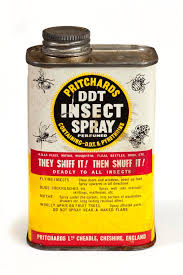 (Beyond Pesticides, February 20, 2019) Women exposed to DDT during ‘early windows of susceptibility’ in their childhood are at increased risk of developing breast cancer, according to new research published in the Journal of the National Cancer Institute. Nearly 75 years after the chemical was first used in the U.S., and 50 years after its ban, DDT is continuing to adversely affect the health of Americans. The data brings needed attention to the dangers of early-life pesticide exposure, and underlines the need to take a precautionary approach to the introduction of biocides in our environment so that future generations do not suffer from the same mistakes of the past.
“What we have learned is that timing really matters. We know that if harmful exposures occur at times when breast tissue is rapidly changing, such as during puberty, they impact breast development in ways that can later result in cancer,” said lead author Barbara A. Cohn, PhD, of the Public Health Institute’s (PHI) Child Health and Development Studies. “The research published today suggests that DDT affects breast cancer as an endocrine disruptor, that the period of time between first exposure and cancer risk seems to be around 40 years–and that other endocrine disrupting chemicals could potentially simulate this kind of risk pattern.”
PHI and Dr. Cohn’s research has followed over 15,000 women for nearly six decades of life, tracking participants’ body burden (the amount of chemical contamination measured in an individual) of DDT in their blood at first exposure, during pregnancy, and if diagnosed with breast cancer. Researchers identified 153 individuals diagnosed with breast cancer from state records. Then, using data on exposure levels collected during pregnancies from 1959 to 1967, each diagnosed woman was matched up with up to three women enrolled in the study who did not develop breast cancer (in order to provide a control variable).
According to a PHI press release, the researchers found that:
- A woman’s first exposure to p,p’-DDT was associated with the timing of her breast cancer diagnosis, which occurred approximately 40 years later.
- A doubling of DDT was associated with an almost three-fold increased risk of postmenopausal breast cancer (at age 50-54) for women first exposed after infancy.
- Women at increased risk for premenopausal breast cancer (before age 50) were first exposed to DDT during in utero and infancy through puberty, but not after the age of 14; the highest risk was associated with first exposure before age 3.
- DDT exposure during childhood and puberty (ages 3-13) was a risk factor for both early (before age 50) and later breast cancer (age 50-54).
- Women who were first exposed after age 14 only had an increased risk of breast cancer after menopause (age 50-54). These women were not at increased risk for breast cancer before the age of 50.
“Even though there have been many studies of the environment and breast cancer, only a very small fraction have actually measured environmental exposures during windows of susceptibility, in this case in early infancy and prior to menarche,” said study author Mary Beth Terry, PhD, Professor of Epidemiology and Environmental Health Sciences at the Mailman School of Public Health at Columbia University and the Herbert Irving Comprehensive Cancer Center. “The studies that have measured environmental exposures during windows of susceptibility, like our study, are much more consistent in supporting a positive association with breast cancer risk,” said Dr. Terry.
As this study reveals, exposure to pesticides as children are developing can result in a higher risk of disease later into life. Unfortunately, researchers can only determine these impacts in hindsight through epidemiological studies. While DDT is the poster child for this concern, other ‘legacy’ chemicals –unnecessarily still in use – are emerging as modern contenders. Glyphosate for example, first registered as an herbicide in the early 1970s, has now accumulated significant data on its carcinogenicity. Paraquat, first registered in the 1960s, is now strongly linked to the onset of Parkinson’s disease. And linuron, also registered in the 1960s was only recently shown to be associated with the development of Multiple Sclerosis. These are only snapshots of the range of science that continues to accumulate linking pesticide exposure to the development of disease later in life.
These studies, and the predictable lag time between exposure, health impacts, and epidemiological data on those impacts should lead lawmakers and regulators to consider taking a more precautionary approach to the introduction of these chemicals into the environment.
Beyond Pesticides has long advocated for an alternatives assessment in the registration of pesticides. The alternatives assessment approach rejects uses and exposures deemed acceptable under the current model of evaluating pesticides when there are available alternatives available to manage insect and weed issues. For example, in agriculture, where data shows clear links to pesticide use and cancer, it would no longer be possible to use hazardous pesticides when there are organic systems with competitive productivity.
Support a precautionary approach and system of food production that eschews toxic pesticides as a regular course of action by buying organic whenever possible, particularly for young children with growing bodies more susceptible to chemical exposure. Read more and help spread the word about the hazards pesticides pose to children through our Children and Pesticides Don’t Mix fact sheet.
All unattributed positions and opinions in this piece are those of Beyond Pesticides.
Source: Public Health Institute Press Release
Posted in Agriculture, Breast Cancer, Children, DDT, Endocrine Disruption, Glyphosate, Linuron, Paraquat, Uncategorized by: Beyond Pesticides
1 Comment
19
Feb
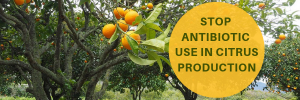 (Beyond Pesticides, February 19, 2019) At the request of Beyond Pesticides, the Environmental Protection Agency (EPA) has extended its public comment period on antibiotics in citrus production until March 14. With this extra time, please share this action widely to stop this threat.
If you have already written your member of Congress to comment on this, please consider distributing this action broadly and submitting a comment to EPA.
We have a two-part action for you to take.
- Use our online form to send a letter to Congress.
- Leave a comment on the EPA docket at regulations.gov.Please personalize our messages by adding your own story, or that of a loved one. Let your representatives and the EPA know why you want to prevent bacterial resistance!
Background
Despite the building national and international crisis of deadly bacterial resistance to antibiotics, this new allowance would expand on an emergency use decision the Environmental Protection Agency made in 2017. It permits up to 480,000 acres of citrus trees in Florida to be treated with more than 650,000 pounds of streptomycin per year; 23,000 citrus acres in California will likely be treated annually.
The World Health Organization has called bacterial resistance “one of the biggest threats to global health, food security, and development today.” The two approved antibacterial chemicals to be used as pesticides in citrus production are streptomycin and oxytetracycline. Their use was permitted by the U.S. Environmental Protection Agency (EPA) under an emergency exemption in May, 2017 for a citrus greening disease caused by the bacterium Candidatus Liberibacter asiaticus (CLas) in Florida citrus crops through December of 2019.
The Environmental Protection Agency announced March 15, “EPA is issuing these tolerances without notice and opportunity for public comment as provided in FFDCA [Federal Food, Drug and Cosmetic Act] section 408(l)(6).” EPA states, “[T]ime-limited tolerances are established for residues of streptomycin in or on fruit, citrus, group 10-10, at 2 ppm, and the dried pulp of these commodities at 6 ppm.” For oxytetracycline, EPA is allowing residues “in or on all commodities of fruit, citrus, group 10-10, at 0.4 ppm.” [See below; organic standards do not allow antibiotic use.] Now, EPA is moving forward with a permanent allowance of these chemicals.
See Agricultural Uses of Antibiotics Escalate Bacterial Resistance. Beyond Pesticides, with other organizations, led a successful effort to remove antibiotics from organic apple and pear production because of their contribution to antibiotic resistance and the availability of alternative practices and inputs.
As bacteria become resistant to the most commonly prescribed antibiotics, the results are longer-lasting infections, higher medical expenses, the need for more costly or hazardous medications, and the inability to treat life-threatening infections. The development and spread of antibiotic resistance is the inevitable effect of antibiotic use. Bacteria evolve quickly, and antibiotics provide strong selection pressure for those strains with genes for resistance. Both antibiotics proposed for expanded use are important for fighting human disease. Tetracycline is used for many common infections of the respiratory tract, sinuses, middle ear, and urinary tract, as well as for anthrax, plague, cholera, and Legionnaire’s disease, though it is used less frequently because of resistance. Streptomycin is used for tuberculosis, tularemia, plague, bacterial endocarditis, brucellosis, and other diseases, but its usefulness is limited by widespread resistance (U.S. National Library of Medicine, 2006).
Exposure to antibiotics can disturb the microbiota in the gut. In addition to interfering with digestion, a disrupted gut microbiome can contribute to a whole host of “21st century diseases,” including diabetes, obesity, food allergies, heart disease, antibiotic-resistant infections, cancer, asthma, autism, irritable bowel syndrome, multiple sclerosis, rheumatoid arthritis, celiac disease, inflammatory bowel disease, and more. Furthermore, the human immune system is largely composed of microbiota.
Actions
- Using this form, Tell your U.S. Senators and Representative to urge EPA to reject the use of antibiotics in food production, including citrus production.
- Please put your comment in the EPA docket at REGULATIONS.GOV (a few extra clicks!)
You can cut-and-paste the language below (“Comment to EPA”) and submit it to the EPA docket at Regulations.gov. If you have a personal story with antibiotic resistance, please begin your comment with that. Reach out to others, including medical personnel, who can share their experiences with EPA.
Comment to EPA (cut-and-paste in EPA’s REGULATIONS.GOV; add personal perspective)
I write to urge EPA to reject the use of antibiotics, including streptomycin and oxytetracycline, in citrus production. This creates a public health threat that EPA must consider in real terms, as it relates to longer-lasting infections, higher medical expenses, the need for more costly or hazardous medications, and the inability to treat life-threatening infections. Antibiotic resistance is a real and urgent public health threat and represents an existential threat to modern civilization.
Antibiotic resistance kills over 23,000 people each year, according to the Centers for Disease Control and Prevention (CDC). In addition to the CDC, the World Health Organization has cited this escalating problem as one of the biggest public health challenges of our time.
“By 2050, resistance is estimated to add 10 million annual deaths globally with a cumulative cost to the world economy of US$100 trillion,” said Jack Heinemann, PhD, University of Canterbury’s School of Biological Sciences. Exposure to antibiotics can disturb the microbiota in the gut. In addition to interfering with digestion, a disrupted gut microbiome can contribute to a whole host of “21st century diseases,” including diabetes, obesity, food allergies, heart disease, antibiotic-resistant infections, cancer, asthma, autism, irritable bowel syndrome, multiple sclerosis, rheumatoid arthritis, celiac disease, inflammatory bowel disease, and more. The human immune system is largely composed of microbiota.
Note that it may not be widely appreciated that use of antibiotics on fruit trees can contribute to resistance to the antibiotic in human pathogens. The human pathogenic organisms themselves do not need to be sprayed by the antibiotic because movement of genes in bacteria is not solely “vertical,” that is from parent to progeny—but can be “horizontal”— from one bacterial species to another. So, a pool of resistant soil bacteria or commensal gut bacteria can provide the genetic material for resistance in human pathogens.
Consider the real cost to the American people and internationally and prohibit the use of streptomycin and oxytetracycline in citrus production by setting a tolerance or allowable residue of zero.
Thank you.
Posted in Uncategorized by: Beyond Pesticides
No Comments
15
Feb
 (Beyond Pesticides, February 15, 2019) A study, published in January 2019 in the journal Environmental Health, demonstrates that consumption of organic foods reduces significantly the levels of synthetic pesticide residues in the bodies of U.S. children and adults. Pesticide residues are found four times as frequently in conventionally grown food as in organically produced foodstuffs. Although the number of subjects in this study was relatively small, the results point to the importance of organics, and add to the evidence that organic food production and consumption are key to protecting human health.
Study subjects comprised members of racially diverse families — from Oakland, Minneapolis, Baltimore, and Atlanta — who did not typically consume an organic diet. Study participants, ages 4 to 52, ate their typical diet of conventionally grown foods for five days; for the following six days, they switched to a certified organic diet (provided by researchers) for consumption at home, work, school, or daycare, including all foods and beverages other than water. Urine samples were gathered prior to the “organic” days, and first thing on the morning after those six days. Fourteen different pesticides and metabolites were present in all participants’ urine in the “pre-organic” analysis; following the organic diet phase, all but one of the urinary levels of those pesticide biomarker compounds had dropped dramatically — by an average of more than 60%.
The study determines levels of residues on the basis of the presence, in excreted urine, of metabolites and parent compounds of neonicotinoids, organophosphates, pyrethroids, and 2,4-D. The most significant reductions are identified for the organophosphates malathion and chlorpyrifos, chemicals of urgent concern because of their extreme neurotoxicity, particularly for children. Some scientists have recommended a complete ban on the use of organophosphates, and Hawai’i became the first (and only) to ban chlorpyrifos in May, when the Governor signed a bill passed by the legislature the previous month.
Interestingly, given that neonicotinoids are the most widely used class of pesticides globally, of the two tested for in this investigation (clothianidin and a metabolite of imidacloprid), researchers detected the former in all samples, but the latter fell below the limit of detection in all samples. Study authors speculate that because imidacloprid is frequently found as a residue on food, it may be that this particular metabolite is not the best biomarker for evaluating dietary exposure to the compound. [Note: scientists at the U.S. Geological Survey (USGS) and the University of Iowa (UI) found drinking water contaminated with two neonicotinoid metabolites of imidacloprid that had not previously been identified in drinking water — desnitro-imidacloprid and imidacloprid-urea.]
Diet accounts for a considerable proportion of people’s exposures to pesticides in the U.S.; 2016 data from the United States Department of Agriculture (USDA) show that 47% of food produced domestically, and 49% of imported foods had detectable pesticide residues. Though there are some critical knowledge gaps (e.g., specific health outcomes associated with chronic dietary exposure to mixtures of pesticides), exposure to pesticide residues has been associated with a huge variety of health risks in people, including neurological and cognitive, developmental, reproductive, respiratory, and endocrine impacts.
Any number of studies point to organics as protective. The results of the subject study confirm, in part, those of earlier research on the matter, including: a 2014 investigation that identified reduced levels of urinary dialkyl phosphate (DAP), a metabolite of OPs, after a week-long shift to an organic diet; a 2015 study that found that adults who consumed organic produce had lower urinary levels of organophosphate residues (as detected via levels of DAPs); and another in 2015 that concluded that a switch to an organic diet reduced the body burden of pesticides in children, especially those in low-income urban, and in agricultural families.
The authors find that organic diet interventions cause significant reductions in all but one of the eighteen pesticide analytes tested. The largest reductions are in metabolites of the neurotoxic organophosphate insecticides malathion (95% ± 3%) and chlorpyrifos (60% ± 10%), and the systemic neonicotinoid clothianidin (83% ± 4). Authors highlight that neonicotinoid exposure is understudied, especially given its widespread and expanding usage and known toxic effects, and recommend that CDC take a lead role in including neonicotinoids in NHANES [National Health and Nutrition Examination Survey] testing. Organophosphates, on the other hand, have a long and well-known track record of chronic toxicity to humans.
Organophosphates (OPs) were originally developed by German scientists during World War II as the active agents in nerve gas. It is not surprising then that OPs, including malathion and chlorpyrifos, are recognized as the most toxic of all pesticides to humans and other vertebrates. Organophosphate exposure, even at low doses, has serious consequences for brain development and functioning. Long-term, low-dose exposure to OPs has been linked to neural and cognitive damage, learning disorders and neurological health problems, including Parkinson’s disease. Children are unacceptably threatened by continued OP use, as publicly recognized by EPA in 2016.
The study authors also report significant reductions in the herbicide 2,4-D and endocrine disrupting pyrehtroid metabolites 3PBA, FBPA, cDDCA and tDCCA among all participants. Interestingly, when researchers analyze data from adults and children separately, they find no significant drop in 3PBA and tDCCA among children following organic diet intervention. This suggests that children may face alternate exposure routes and/or have longer retention periods for pyrethroids, a factor that would further exacerbate chronic endocrine disruptor exposure during vulnerable periods of development.
These findings corroborate previous work showing that consumers take in significant and health-threatening levels of pesticides through conventional diets, and can dramatically reduce these intakes by switching to organic. A 2018 French research study of adults also found that higher frequency of organic food consumption — which is associated with lower pesticide exposure — was protective against several cancers. That investigation found that the most frequent consumers of organic food had 25% fewer cancers overall than those who never ate organic, and that those with the highest percentages of organic foods in their diet saw particularly large reductions in incidence of lymphomas, and significant reductions in postmenopausal breast cancers.
Research that has used an organic dietary “intervention” has seen, in some cases, startling degrees of reduction in post-protocol pesticide residues. In 2006, researchers noted that pesticide metabolites dropped to below detectable limits after an organic diet intervention and remained undetectable until a conventional diet was resumed. In a 2014 Australian study, a one-week organic diet protocol resulted in reductions of two pesticide metabolites by 89% and 96%, respectively. Taken together, all these research results suggest that there is greater dietary exposure to pesticides from conventionally produced foods than organic foods and that consumption of organic food significantly reduces this exposure.
Study co-author Kendra Klein, PhD, who is a senior staff scientist at Friends of the Earth (FOE), funder of this 2019 investigation, had this to say: “This study shows that organic works. We all have the right to food that is free of toxic pesticides. Farmers and farmworkers growing our nation’s food and rural communities have a right not to be exposed to chemicals linked to cancer, autism and infertility. And the way we grow food should protect, not harm, our environment. We urgently need our elected leaders to support our farmers in making healthy organic food available for all.” See the Friends of the Earth advocacy page here for more on the study and FOE’s “Organic for All” campaign.
If these consumer exposure findings seem alarming, what raises greater concern is farmworker and frontline community and children’s exposure to pesticides used in food production. While at least some consumers have a choice – though that too depends on neighborhood and income – farmworkers and communities living near conventionally managed farms, pesticide production plants, and waste management sites do not. See Eating with a Conscience.
Millions of Americans are faced daily with exposure levels to toxins that scientists and regulators are well aware cause lasting chronic damage to the brain and body. EPA has openly admitted that pesticide risks to agricultural workers, children and vulnerable populations exceed levels of concern.
Beyond Pesticides advocates for organic agriculture (as well as land management), for the benefits to human health, to the health of our environment (and both terrestrial and marine ecosystems), and to the Earth’s biota. Read more on the importance of organic, how to support it, and how to eat organically. Check out more resources here.
That “organic works” is surely good, if not new, news. As the Center for Food Safety has quipped, though in utter seriousness, “choosing organic foods isn’t a lifestyle, but a lifesaver.”
All unattributed positions and opinions in this piece are those of Beyond Pesticides.
Source: https://www.sciencedirect.com/science/article/pii/S0013935119300246#bib4
Posted in 2,4-D, Agriculture, Alternatives/Organics, Children, Chlorpyrifos, organophosphate, Synthetic Pyrethroid, Uncategorized by: Beyond Pesticides
No Comments
14
Feb
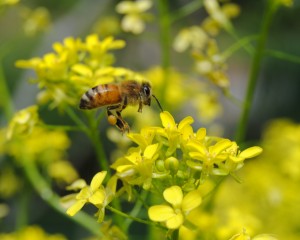 (Beyond Pesticides, February 14, 2019) Over the course of the last two weeks in Bavaria – a southern state of Germany – locals rallied in an effort to save the bees. Braving the cold in eye-catching bee outfits, a broad coalition of activists collected over a million signatures (the necessary 10% of the state’s eligible voters) to move a petition into legislature. The petition pushes forward changes in farming practices to support pollinators; while bees are the charismatic champion of the campaign, changes will support biodiversity in general.
Now that signatures are gathered, the state parliament has three months to handle citizens’ requests. Then, parliament can either accept the proposal as is or put it to a statewide referendum. In a statewide referendum, there will be a “yes” or “no” vote by a simple majority, with government bound by the result.
A central motion within the petition is to increase percentage of organic farmland from 10% to 30% by 2030. This number is based on the global movement to conserve 30% of the world by 2030 in order to avoid environmental catastrophe. Proponents of the petition suggest that the demand for organic products is higher than current Bavarian capabilities, and that the move would be economically beneficial for farmers.
The petition also puts responsibility on all farmers to create habitat within their agricultural lands that is suitable to wildlife. There is a focus on creating more flowering meadows by mowing later in the year and expanding areas of natural grassland. Edge areas such as hedges and trees will be required along with mandatory 5-meter-wide buffer margins on all streams and ditches. These “gewässerrandstreifen” both protect waterways from agricultural runoff and offer habitat for pollinators. Additionally, non-organic farmers will be required to reduce their use of pesticides.
Currently, Bavarian farmers are given a financial subsidy if they voluntarily decide to make environmentally-beneficial changes. If the petition makes it through legislation, environmental compliance would be compulsory. Environmentalists note that current agricultural conservation efforts are insufficient to change the tide of insect decline. Recent studies show alarming drops in insect populations – more than 75% of flying insects in Germany have been wiped out since 1989. As 44% of the total area of Bavaria is used for agriculture, changes in practices would likely have a major impact.
There is significant push back from the conservative ruling body of parliament and major farming groups. Farmers in the Bayerischer Bauern Verband (Bavarian Farmers’ Association) fear reduced productivity or even dispossession of their land. Critics say that the measures punish farmers and with undue responsibility and restrictions. Many farmers rely on subsidies, and about half already participate in environmental programs.
In a time of worldwide crisis for insects, local bee-enthusiasts see the petition as a way to lead necessary change. “If we wait until the whole world joins in,” Karin Staffler, a beekeeper in Ausberg, wrote, “we’ll be waiting until there’s nothing left to save.”
Beyond Pesticides supports local activists to make change within their communities and believes, like some Bavarians, that organic is a solution to environmental issues. Our tools for change serves as a resource to help individuals organize at the local, state, and national level.
All unattributed positions and opinions in this piece are those of Beyond Pesticides.
Sources: National Geographic, The Local, MunichNOW Media, The Munich Eye
Posted in Agriculture, Alternatives/Organics, Biodiversity, International, Pollinators, Uncategorized by: Beyond Pesticides
1 Comment
13
Feb
(Beyond Pesticides, February 13, 2019) Friends of the Earth (FOE) released a report last week again showing pesticide residues in the food supply. The report, Toxic Secret, found store and name brand foods produced and sold by the top four U.S. food retailers — Kroger (NYSE:KR), Walmart (NYSE: WMT), Costco (NYSE:COST) and Albertsons — contain residues of toxic pesticides linked to a range of serious health and environmental problems. Among the pesticides found is the herbicide glyphosate, confirming residue testing results found in numerous studies. Glyphosate, the active ingredient in Roundup, has has been detected in popular foods, including “100% pure” honey, Doritos, Oreos, Goldfish, Ritz Crackers, German beers, California wines, and UK bread. Glyphosate has been ranked as potentially cancer causing in humans and adversely affects the human gut microbiome. See Residue Testing Find More Glyphosate in Popular Cereals.
The FOE study finds that oat cereals, apples, applesauce, spinach and pinto beans at the retailers contained detectable amounts of glyphosate, organophosphates and neonicotinoids. The average level of glyphosate found in cereal samples (360 parts per billion) was more than twice the level set by scientists at Environmental Working Group for lifetime cancer risk for children. The average level of glyphosate found in pinto beans (509 ppb) was more than 4.5 times the benchmark.*
“Toxic pesticides are showing up in what should be some of the healthiest and most affordable foods supermarkets sell,” said Kendra Klein, PhD, senior staff scientist at Friends of the Earth. “Children, farmworkers and rural communities are routinely exposed to multiple pesticides linked to cancer, learning disabilities and hormone disruption. This is unacceptable. We’re calling on food retailers to get toxic pesticides out of their supply chains and off store shelves and help make organic food available to all Americans.”
Findings of the food testing are significant because of the ubiquity of toxic pesticides found in many different types of non-organic foods children eat on a daily basis. Findings include:
- Glyphosate, a probable human carcinogen according to the World Health Organization’s cancer research agency, was found on 100% of oat cereal samples and 100% of pinto bean samples tested.
- Organophosphates, which are so toxic to children’s developing brains that scientists have called for a complete ban, were found in 100% of applesauce samples, 61% of whole apples and 25% of spinach samples, at levels ranging from 0 to 3.31 nmol/g.
- Neonicotinoids, which the European Union has banned due to robust science linking the chemicals to bee die-offs and which have been linked to endocrine disruption and autism spectrum disorder, were found in 80% of spinach and 73% of applesauce samples ranging from 0 to 0.14 nmol/g.
Brands tested by an independent laboratory included Great Value (Walmart), Kroger (Kroger), Signature Kitchens and Signature Select (Albertsons/Safeway). Kroger, Walmart, Albertsons and Costco control over one third of all food and beverage sales in the U.S. Toxics Action Center and over 100 organizations are urging these companies and all food retailers to phase-out toxic pesticides in their supply chains and increase offerings of domestic organic foods, which are produced without these and many other toxic synthetic pesticides.
FOE and the groups releasing the report are calling on Congress to pass Rep. Velazquez’s bill H.R. 230 to ban the organophosphate pesticide chlorpyrifos. See Help Get Neurotoxic Pesticides, Chlorpyrifos, Out of Agriculture. The report details additional actions state and federal governments could take to eliminate the use of neonicotinoids, glyphosate and organophosphates, incentivize transition to organic production and direct public dollars to purchase certified organic food and beverages.
The groups that joined with FOE in releasing the report include Beyond Toxics, CATA-El Comite de Apoyo a Los Trabajadores Agricolas, Ecology Center, Environment Texas, Friends of the Earth, Grassroots Environmental Education, Maryland Pesticide Education Network, Northwest Center for Alternatives to Pesticides, Ohio Ecological Food and Farm Association, People and Pollinators Action Network, Pesticide Action Network North America, Toxic Free North Carolina, and Turner Environmental Law Center.
Beyond the ingestion of toxic pesticide residues, our food choices have a direct effect on the health of our environment and those who grow and harvest what we eat. That’s why food labeled organic is the right choice. In addition to serious health questions linked to actual residues of toxic pesticides on the food we eat, our food buying decisions support or reject hazardous agricultural practices, protection of farmworkers and farm families, and stewardship of the earth. It is important to eat organic food –nurtured in a system of food production, handling and certification that rejects hazardous synthetic chemicals. USDA organic certification is the only system of food labeling that is subject to independent public review and oversight, assuring consumers that toxic, synthetic pesticides used in conventional agriculture are replaced by management practices focused on soil biology, biodiversity, and plant health. This eliminates commonly used toxic chemicals in the production and processing of food that is not labeled organic–pesticides that contaminate our water and air, hurt biodiversity, harm farmworkers, and kill bees, birds, fish and other wildlife. See Eating with a Conscience.
* Environmental Working Group determined that a one-in-a-million cancer risk would be posed by ingestion of 0.01 milligrams of glyphosate per day. To reach this maximum dose, one would have to eat a single 60-gram serving of oat cereal with a glyphosate level of 160 parts per billion (ppb) or a 90 gram serving of pinto beans with a glyphosate level of 110 ppb. The highest residue level from a cereal product sample (931 ppb, purchased from Walmart) would result in an estimated 58 µg/day glyphosate exposure, which is nearly six times greater than EWG’s health benchmark. The highest residue level from a pinto bean product sample (1,849 ppb, purchased from Albertson’s) would result in an estimated 168 µg/day glyphosate, which is nearly 17 times greater.
All unattributed positions and opinions in this piece are those of Beyond Pesticides.
Source: Friends of the Earth
Posted in Agriculture, Alternatives/Organics, Chlorpyrifos, Farmworkers, Glyphosate, neonicotinoids, Pesticide Residues, Take Action, Uncategorized by: Beyond Pesticides
1 Comment
12
Feb
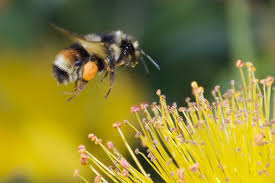 (Beyond Pesticides, February 11, 2019) A new systematic review of insect population studies worldwide reports on “the dreadful state of insect biodiversity in the world, as almost half of the species are rapidly declining and a third are being threatened with extinction.” The study concludes with the dire prediction that insects as a whole will go extinct in the next few decades if patterns of intensive agriculture, in particular pesticide use, continue.
The review, published in Biological Conservation, analyzes 73 insect population studies conducted within the past 40 years, filtered to include only those that quantitatively assess all insect species within a taxa over a span of 10 or more years. Researchers Francisco Sánchez-Bayo, PhD and Kris A.G. Wyckhuys, PhD uncover the disturbing truth behind this mass of data: one in every three insect species monitored worldwide is threatened with extinction. Even more concerning is the finding that 41% of insect species worldwide are in decline, outpacing the more well-publicized vertebrate declines by 200%. Only a few species are expanding in range or occupying vacant niches – not nearly enough to compensate for the massive losses.
In 8% of the studies in the review, citizen science data is analyzed in addition to researcher-collected survey data. The authors recognize that inclusion of citizen science can introduce bias, but note that if anything, citizen science reports would dampen the observed species loss effects due to their bias towards documenting rare species. In short, the authors’ estimates for biodiversity losses are, unfortunately, a conservative lower bound on the true scale of insect declines.
More than half of the studies that Drs. Sánchez-Bayo and Wyckhuys review point directly to intensive agriculture and increased reliance on agrochemicals as causal factors driving insect declines. Several more consider pesticides to be the most likely agent responsible for insect declines, masked under the category of “unexplained factors” in cases where tested variables, such as habitat loss, land use conversion and climate change, are insufficient in explaining losses. “[T]he intensification of agriculture over the past six decades stands as the root cause of the problem, and within it the widespread, relentless use of synthetic pesticides is a major driver of insect losses in recent times,” authors state. Authors emphasize pesticides in particular as the primary culprit: “Several multivariate and correlative statistical analyses confirm that the impact of pesticides on biodiversity is larger than that of other intensive agricultural practices…”
The bulk of evidence implicating pesticide use in the loss of insect biodiversity is both astounding and unsurprising. Insecticides kill insects, often indiscriminately and with devastating consequences for biodiversity, ecosystem stability and critical ecosystem services. Charismatic favorites, among them pollinators like butterflies and bees, are no exception to the rule. Study authors highlight a comprehensive analysis of nearly half a million records from Britain, which reveal that four separate phases of wild bee extinctions followed directly from specific policy changes that expanded the use of chemical fertilizers and pesticides. The review includes so many examples of pesticide-induced mass pollinator declines too numerous to list here, but notable highlights include:
(1) Declines in 80% of 576 species of butterflies studied in Europe are linked to fertilizer and pesticide use.
(2) Declines in California butterflies began sharply following the introduction of systemic neonicotinoid insecticides in 1995.
(3) Bumblebee declines in the US have been steepest in regions with high percentage intensified pesticide use.
(4) Honey bee colony losses began immediately following the introduction of DDT, and spiked again due to compromised immunity induced by neonicotinoids and other systemic insecticides.
The study contains further data on declines across environmental indicator species (such as ground beetles, damselflies, caddisflies and stoneflies), insects that are critical to soil fertility (such as dung beetles and saprophytic beetles, which unlock critical nutrients trapped in wood), and insects that serve as natural enemies to common pests (such as ladybirds and dragonflies). Many of these species also serve as critical food items for vertebrates, such as shrews, moles, hedgehogs, anteaters, lizards, amphibians, bats, birds, and fish.
This comprehensive review confirms devastating declines across diverse classes of insects that are necessary for human sustenance. In the words of the authors, “As insect biodiversity is essential for the proper functioning of all ecosystems, the current trends are disrupting – to varying degree – the invaluable pollination, natural pest control, food resources, nutrient recycling and decomposition services that many insects provide.”
It is easy to feel overwhelmed by the astounding degree of evidence corroborating massive declines across diverse taxa in study regions throughout the world. More overwhelming still are the predictions authors make about the future with continued reliance on agrochemicals: complete extinction of the insects that form the base of the entire ecosystem.
The authors offer a solution to the sobering reality they present. “A rethinking of current agricultural practices, in particular a serious reduction in pesticide usage and its substitution with more sustainable, ecologically-based practices, is urgently needed to slow or reverse current trends, allow the recovery of declining insect populations and safeguard the vital ecosystem services they provide.” Beyond Pesticides holds the position that reduction is not sufficient. We must move beyond reduction and commit to complete transformation of our agricultural system if we hope to stave off the dire fate this study predicts.
Beyond Pesticides is a resource for activists pushing to end pesticide use and adopt least-toxic, organic practices. Join the movement to end destructive pesticide use by engaging at the local, state and federal levels to transform our agricultural system. See previous Daily News citing researcher David Goulson, PhD and his conclusion, “We appear to be making vast tracts of land inhospitable to most forms of life, and are currently on course for ecological Armageddon,” which he told The Guardian.
All unattributed positions and opinions in this piece are those of Beyond Pesticides.
Source: Biological Conservation
Posted in Biodiversity, International, Pollinators, Uncategorized, Wildlife/Endangered Sp. by: Beyond Pesticides
No Comments
11
Feb
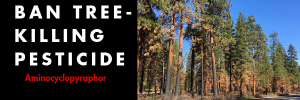 (Beyond Pesticides, February 11, 2019) Aminocyclopyrachlor (ACP) is a tree-killing pesticide masquerading as a broadleaf herbicide. The Oregon Department of Agriculture (ODA) has the opportunity to lead the country in banning this inherently dangerous chemical. According to ODA, nearly 1,500 dead or dying trees have been reported along Oregon’s iconic Interstate 20, home to old growth ponderosa pines. Many of these 150- to 300-year old trees are now dead from ACP exposure. ODA indicated that “because [ACP] is a relatively new herbicide it is unknown how many trees stressed from past applications of [ACP] will die in the future.”
Even at tiny levels, ACP run-off and drift kills trees. Tell Oregon’s Department of Agriculture to lead the country in completely banning its use.
In 2014, DuPont chemical company settled a nearly $2 million lawsuit with the U.S. Environmental Protection Agency (EPA) after the herbicide (under the brand name Imprelis®) was found to kill trees at golf courses, homeowners associations, businesses, and private residences. Despite this history, regulators left ACP on the market. Its use was banned on lawns and turfgrass, but allowed for roadside rights-of-way. A couple years ago, Bayer purchased the rights to ACP from DuPont and continues to market and sell the chemical under the brand names Perspective®, Streamline®, and Viewpoint®. It should be no surprise to officials that this tree-killing herbicide is killing trees, but we must now deal with their errors of judgment.
ODA announced late last year that it was temporarily banning the use of ACP on roadsides while it put together a new rule. That rule is now available for public comment, and while it would make this temporary ban on roadside uses permanent, Oregon officials stopped short of a complete ban, allowing a limited one-time per year exemption from the ban when spraying an invasive weed in a limited area. While this is an important step, it is clear that there is enough evidence to completely ban the use of this chemical in Oregon.
Tell ODA to strengthen its final rule on ACP and completely ban the chemical from use in the state!
Although ODA’s new rule prohibits roadside right-of way spraying, it does not ban all uses of the chemical. In effect, this is simply setting the stage for the next round of news stories picturing ACP-poisoned trees.
Real action against tree-killing ACP is needed now. ODA will accept public comments from any U.S. resident, so regardless of where you are in the country, send the letter below to ODA today! Deadline for comments is 2/26/2019.
At the federal level, Beyond Pesticides joined with our partners at the Center for Biological Diversity and Beyond Toxics to file a Freedom of Information Act request in order to get more information about this tree-killing pesticide. We’ll keep fighting EPA’s approval of this herbicide, but please help encourage the state of Oregon to step up and lead the way!
Letter to Oregon Department of Agriculture:
Thank you for taking action against roadside uses of the tree-killing pesticide aminocyclopyrachlor (ACP). I am encouraged by the restrictions outlined in ODA’s proposed permanent rulemaking. However, given the range of damage this chemical has caused throughout the state, I strongly urge the Department to go further, and strengthen the final rule into a complete ban on the use of this chemical in Oregon.
According to ODA, nearly 1,500 dead or dying trees have been reported along iconic Interstate 20, home to old growth ponderosa pines. Many of these 150-to-300 year-old trees are now dead from ACP exposure, and ODA indicated that “because [ACP] is a relatively new herbicide it is unknown how many trees stressed from past applications of [ACP] will die in the future.”
In 2014, DuPont chemical company settled a nearly $2 million lawsuit with the U.S. Environmental Protection Agency (EPA) after the herbicide was found to kill trees at golf courses, homeowners associations, businesses, and private residences. Despite this history, regulators left ACP on the market. Its use was banned on lawns and turfgrass but allowed for roadside rights-of-way.
While the uses eliminated under the proposed rulemaking are an important step, leaving this chemical on the market is simply setting up the next tragic event in the state. Oregon has the chance to take a precautionary approach, and lead the country in banning all uses of ACP.
Thank you for the opportunity to express my support for this rule and encourage a complete ban on ACP.
Sincerely,
Posted in Aminocyclopyrachlor, DuPont, Oregon, Pesticide Drift, Pesticide Regulation, Take Action, Uncategorized by: Beyond Pesticides
6 Comments
08
Feb
 (Beyond Pesticides, February 8, 2019) Scientists from the U.S. Geological Survey (USGS) and the University of Iowa (UI) have published worrisome news on the neonicotinoid front. The experts discovered two metabolites of imidacloprid (a neonicotinoid insecticide) residues that had not previously been identified in drinking water — desnitro-imidacloprid and imidacloprid-urea. The researchers note both that these metabolites have never been evaluated for their potential risks to human and environmental health, and that there may be potential risks of anthropogenic compounds that can be created when water with neonicotinoid residues, and thus, these metabolites, undergo typical water treatment (often chlorination and/or pH treatment). They note that, “The mammalian toxicity of transformation products formed during water treatment processes remains unknown. It is possible that chlorination of neonicotinoids and their metabolites will . . . alter their bioactivity.”
The joint, federally funded collaboration investigated neonicotinoid pesticides (“neonics”) in tap water to determine whether neonic metabolites are relevant to pesticide exposure through drinking water, and to identify any products of the chlorination of neonics and their metabolites. The scientists simulated realistic drinking water conditions in their research to demonstrate, in laboratory circumstances, that chlorinated disinfection byproduct chemicals are produced. The study, conducted by seven researchers and titled “Chlorinated Byproducts of Neonicotinoids and Their Metabolites: An Unrecognized Human Exposure Potential?” was published in Environmental Science & Technology Letters in mid-January 2019.
Because neonicotinoids are the most widely used category of insecticide, residues are commonly found on surface waters, from which drinking water is not infrequently sourced. Previous work by this group of researchers (by Klarich, K.L., et al., published in 20179 in Environmental Science & Technology Letters) and a Canadian study — by Sultana, T., et al., and published in the journal Chemosphere in 2018 — found the presence of neonic residues in drinking water.
The metabolites of neonics are generated in the environment in microbial breakdown processes and some abiotic processes (photolysis and hydrolysis). Given the ubiquity of these compounds, it is unsurprising that they would now be identified in drinking water. There is additional concern that — because metabolites, such as desnitro-imidacloprid and descyano-thiacloprid, are more than 300 and nearly 200 times more toxic to mammals, respectively, than imidacloprid — even very low levels of exposure may carry risk of harm.
The experts from USGS and UI also warn that these metabolites may morph further into new forms of chlorinated disinfection byproducts (DBPs) during routine water treatment (chlorination) processes. These DBPs have never been tracked or tested and may represent risks to human health. (Other kinds of DBPs in drinking water are highly toxic.) The study authors note increased concern that the DBPs of such metabolites may exhibit enhanced bioactivity — e.g., carcinogenicity and/or genotoxicity. The Results and Discussion section of the published research states: “The greater potential toxicity and the frequent presence in these [subject] water samples of neonicotinoid metabolites demonstrate the need to consider their fate and persistence in drinking water treatment systems (e.g., during chlorination and other treatment processes) and their potential effects on human health. Indeed, neonicotinoids have been measured year-round in streams of impacted watersheds, and our results demonstrate that consumers of drinking water derived from vulnerable sources may be exposed to neonicotinoids and their metabolites.”
The presence of neonics in drinking water is concerning per se, because federal regulators have never addressed what might be “safe” levels of such insecticides in tap water, but the potential harms related to the presence of neonic metabolites in drinking water raises worry to another level. Neonicotinoids are the most widely used category of insecticides, posing both acute and chronic risks for aquatic life and birds; the toxicity of DBPs is unknown, though it may actually be greater than that of the neonic itself. Neonics are poorly regulated by the Environmental Protection Agency (EPA) and other regulators: their toxicity, which was assumed by EPA to be confined to target insects, is actually devastating for beneficial insects (bees and other pollinators), and for aquatic invertebrate species. Neonicotinoids have been linked with neurological effects and with autism-like impacts on children who were exposed prenatally.
In part in response to this emerging research, the Natural Resources Defense Council is asking EPA to include all neonic metabolites and DBPs in its human health risk assessment of the neonic pesticides, due later in 2019. The organization adds that “In addition to including all relevant neonic metabolites in its risk assessment, EPA should also assess the cumulative risks from all the neonic pesticides and their toxic metabolites together. It is alarming that EPA seems to have no plan for conducting a cumulative risk assessment for this toxic and persistent class of pesticides.”
Neonicotinoids are a real problem, certainly for pollinators and other insects, birds, fish, invertebrates, and amphibians, but also, for humans. Because more than 90% of neonicotinoids are used to coat seeds, and thus, represent a huge vector for spread of the insecticide and associated risks, a shift away from this practice is critical. (See Beyond Pesticides’ resource page for growers and gardeners — Companies that Grow and Distribute Organic Seeds and Plants.) There are far-less-toxic ways to deal with pest issues; see Beyond Pesticides’ Managing Pests Safely Without Neonicotinoids, and its advocacy for organic farming practices, which reduce and/or obviate the need for such insecticides, herbicides, and fungicides.
All unattributed positions and opinions in this piece are those of Beyond Pesticides.
Sources: https://www.nrdc.org/experts/jennifer-sass/neonic-pesticide-may-become-more-toxic-tap-water and https://pubs.acs.org/doi/abs/10.1021/acs.estlett.8b00706?journalCode=estlcu&
Posted in Uncategorized by: Beyond Pesticides
No Comments
07
Feb
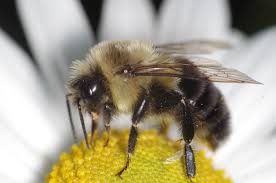 (Beyond Pesticides, February 7, 2019) A new study, released in Environmental Science and Policy, systematically reviews all state-level pollinator protection acts passed since 2000 and makes a somewhat dim diagnosis: as a rule, state policies fall far below the mark for protecting invaluable ecosystem services and ensuring long-term, sustainable food production. Authors judge the legislation against a set of pollinator protection policy benchmarks established in 2016 by a group of scientists from the Intergovernmental Science-Policy Platform on Biodiversity and Ecosystem Services (IPBES). Citing the ten policy recommendations laid out by IPBES experts, researchers point to the failure of all enacted state policies to address three main target areas – (1) to improve genetically modified crop risk assessment, (2) to incentivize farmers to make the switch from agrochemical dependence to sustainable benefits from ecosystem services, and, critically, (3) to support diversified farming systems. Beyond Pesticides notes one additional missed target: (4) funding for research on organic, diversified, and ecologically intensified farming.
The study includes a total of 109 state laws passed from 2000 to 2017, which authors tracked down by searching usa.gov and state legislative websites and by submitting requests to state librarians. To uncover common themes and patterns among these laws, researchers used NVivo text analysis software, coded to pull out words and phrases relating to the targeted policy areas. They find that policy targets shifted across the study span and seemed to track broad public awareness campaigns. In the mid-2000s, in response to mounting public attention around Colony Collapse Disorder, several states adopted policies aimed towards promoting honey bee health. In more recent years, a deeper appreciation for the importance of native pollinators has led to more broadly framed pollinator protection plans. Among these, researchers pointed to Minnesota, Vermont, Connecticut and California as models for crafting legislation designed to achieve comprehensive, programmatically supported pollinator protection plans.
Beyond Pesticides cautions against holding up existing pollinator protection plans (P3’s) as models for lawmakers interested in building substantive measures to support sustainable agriculture. P3’s are weakly construed and toothless, relying on “voluntary agreements” rather than substantive regulations to affect change. Moreover, along with almost every state-level pollinator policy on the books, P3’s have failed to address the foremost driver of pollinator losses: over-dependence on toxic agrochemicals.
There are a few states, however, that have adopted a stronger stance. In the face of growing awareness of the devastating impacts of bee-toxic pesticides, in particular the infamous neonicotinoids, Maryland and Connecticut passed policies for stricter pesticide regulation. Most recently, a piece of Maryland legislation passed in 2017 banned neonicotinoids from use on state-managed pollinator habitat, building off of the gains made in the state’s precedent-setting 2016 neonicotinoid consumer ban.
Overall, the researchers conclude that state-level policies have a long way to go to meet the standards of supporting sustainable agriculture. Among the major missed targets study authors identified are policies to incentivize and enforce, whenever possible, the transition from agrochemical dependence to ecosystem service farming. IPBES scientists have proposed adjusting insurance packages to provide incentives for farmers who move towards ecological intensification, including efforts to promote pollinators. In the long run, however, they say stricter pesticide regulations along with the naturally-enforced economic incentives of beneficial ecosystem feedback should replace the need for such methods and lead to broader adoption of organic and ecological farming methods.
According to an independent review of source documents by Beyond Pesticides, the policies studied failed yet another target: funding research on organic, diversified and ecologically intensified farming. Existing policies have supported research on managed honey bee health and adjustments to conventional agriculture and public land management. None have promoted research on improving yields to what IPBES scientists identified as “farming systems known to support pollinators”: organic, diversified, and ecologically intensified farming. Beyond Pesticides holds the position that research on modest modifications to conventional farming is inadequate to meet the needs of our growing global population, which is threatened by unsustainable and ecologically devastating reliance on fossil fuels, water and chemical inputs. A complete transition to organic farming practices is imperative and urgent, according to Beyond Pesticides, to protect, reestablish and sustainably benefit from vital ecosystem services before they are completely wiped out.
Beyond Pesticides is a resource for activists wishing to expand their engagement into the legislative realm. For those already involved in ongoing pollinator legislation, you can draw lessons from documented successes and failures to build stronger, more targeted pollinator protection laws that enforce pesticide regulation and build economic incentives and supports for organic, ecologically sustainable practices. Stay abreast of ongoing legislation to protect pollinators and our food system at the state and national level by following the Beyond Pesticides Daily News Blog.
All unattributed positions and opinions in this piece are those of Beyond Pesticides.
Source: Environmental Policy Science and Policy
Posted in Connecticut, Maryland, neonicotinoids, Pesticide Regulation, Pollinators, Uncategorized by: Beyond Pesticides
No Comments
06
Feb
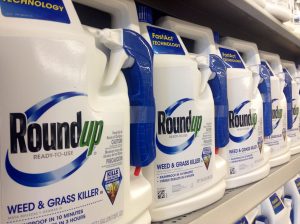 (Beyond Pesticides, February 6, 2019) The American Association for the Advancement of Science (AAAS) has awarded two researchers the group’s Scientific Freedom and Responsibility Award for their work uncovering the link between glyphosate and chronic kidney disease (CKD), which has killed at least 25,000 Sri Lankans and 20,000 Central Americans. Award recipients Sarath Guanatilake, MD, and Channa Jayasumana, PhD, faced death threats and claims of research misconduct as they went toe to toe with agrichemical industry giant Monsanto (now Bayer’s Monsanto), the major manufacturer of glyphosate-based products like Roundup.
“To right a wrong when significant financial interests are at stake and the power imbalance between industry and individual is at play takes the unique combination of scientific rigor, professional persistence and acceptance of personal risk demonstrated by the two scientists recognized by this year’s award,” says Jessica Wyndham, director of the Scientific Responsibility, Human Rights and Law Program at AAAS.
In the mid-90s, reports began to emerge of Sri Lankan rice farmers – many otherwise healthy, young adults, succumbing to CKD. Dr. Gunatilake, a researcher at California State University, Long Beach (CSULB), was hired by the Sri Lanka Ministry of Health to investigate the cause of the disease. Around the same time, Dr. Jayasumana was working on his doctoral degree, and was able to link up with Dr. Gunatilake’s efforts, and join CSULB. Dr. Jayasumana provided Dr. Gunatilake with rice, drinking water, and urine samples that were subsequently analyzed in the lab. Results found that drinking water was contaminated with glyphosate and heavy metals, and that these compounds were making their way to workers kidneys.
Evidence shows that glyphosate bonds with heavy metals like arsenic and cadmium, forming stable compounds in water that do not break down until reaching the kidneys. CKD is a disease that develops relatively slowly, impairing the kidney’s ability to filter excess waste and fluid from the blood. Outcomes are generally poor with CKD, ultimately resulting in the need for dialysis, kidney transplant, or death. The results were published in a major scientific report in the International Journal of Environmental Research and Public Health.
The study brought international attention to the CKD, with many other developing countries in Central America, North Africa, and Southeast Asia noting similar epidemics. The Drs. were subject to intense scrutiny and pressure for their research. In typical pesticide industry malfeasance, twelve industry-funded scientists filed research misconduct complaints against Dr. Gunatilake, who was unsurprisingly exonerated. More concerning, both scientists received death threats for simply reporting their discoveries. This link shows the type of response Bayer’s Monsanto has posted to their website concerning the Drs.’ research.
A testament to the power of perseverance, the scientists work led a temporary important ban on glyphosate and lasting restrictions on its use in Sri Lanka. And Dr. Gunatilake has now raised more than $20,000 to help the families of victims.
“What started as a bold effort to provide a voice for the impoverished, powerless rice paddy farmers in Sri Lanka has now blossomed into a worldwide environmental movement through research, advocacy, networking and collaboration,” wrote public health professional Hanan Obeidi in the award nomination letter.
As the Drs.’ research shows, glyphosate’s link to cancer is only the tip of the iceberg when it comes to the range of chronic impacts resulting from exposure to the herbicide. Read more about the range of damage caused by this chemical in Beyond Pesticides fact sheets. Work to support a system that does not lead to rampant poisoning of farmworkers here and abroad by toxic synthetic pesticides by purchasing organic whenever possible.
All unattributed positions and opinions in this piece are those of Beyond Pesticides.
Source: EurekAlert- AAAS Press Release
Posted in Bayer, Glyphosate, Kidney failure, Monsanto, Montrose, Uncategorized by: Beyond Pesticides
1 Comment
05
Feb
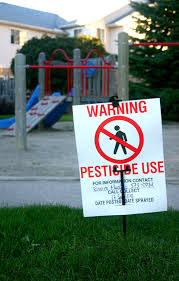 (Beyond Pesticides, February 5, 2019) Linuron, an herbicide registered for use by the U.S. Environmental Protection Agency (EPA), yet recently banned in Europe due to health concerns, appears to trigger inflammatory signals that have been linked to the onset of Multiple Sclerosis (MS). This new evidence, published in the journal Cell by researchers at Brigham and Women’s Hospital in Boston, MA, indicates that exposure to chemicals and pesticides in the environment may be a risk factor in the development of neurodegenerative diseases. “We created a platform to systematically investigate the understudied effects of environmental exposures,” said study coauthor Francisco Quintana, PhD. “The goal of our work is to return results that can guide future epidemiological studies and identify actionable targets.”
Researchers began their investigation with 976 chemicals identified by EPA’s ToxCast program, an inventory of compounds that have undergone screening for a battery of laboratory tests. Within that inventory, 75 chemicals, including linuron, were found to interfere with the signaling pathways linked to MS.
To confirm the adverse impacts, scientists used the embryos of zebrafish, animals often used as models in laboratory research. The zebrafish embryos were altered to contain low levels of myelin, a protein that protects nerve cells, as is similar in patients that have MS. The embyros were also engineered to produce a green fluorescent protein when damaged.
The zebrafish model revealed five compounds that increased inflammation in the central nervous system. These chemicals were then tested on mouse astrocytes, star shaped cells that occur in the brain and spinal cord and perform many functions, including the provision of nutrients to nervous tissue and repairing the brain after traumatic injury. Both the herbicide linuron and another chemical, methyl carbamate, used in textiles, polymers, and pharmaceuticals, caused inflammation in mouse astrocytes.
Scientists then analyzed brain tissue samples from patients with MS, and found that it contained higher levels of the inflammatory signaling pathways also seen as a result of linuron exposure. Although epidemiological studies are needed to further evaluate the impact of linuron, this research brings needed attention to the concept of the ‘exposome.’
“Our findings support the need for systematic investigation of the effects of the ‘exposome’—all of the environmental exposures people experience in their lifetime—on neurologic diseases and other conditions,” said Dr. Quintana. “Studies of the exposome have the potential to identify unknown origins of inflammation and key environmental factors that may contribute to risk.”
Scientists indicate their results were limited by number of chemicals within the ToxCast program, and a wider availability of chemicals for lab testing would likely yield additional candidates that cause inflammation in the central nervous system.
“When we study inflammation and neurodegeneration, we learn that the environment may play just as important of a role as genetics,” Dr. Quintana noted.
Evidence is increasingly showing that the probable carcinogen glyphosate is merely the posterchild for a litany of other toxic herbicides that can wreak havoc on human health. The herbicide paraquat has long been associated with the onset of Parkinson’s disease. Atrazine, another broadleaf herbicide, has been linked to a range of diseases, including birth defects, cancer, impaired neurodevelopment, and reproductive disorders. While these herbicides are EPA-registered and used widely in the U.S., France has banned glyphosate use, and the entire EU has banned atrazine, paraquat, and the topic of the current study, linuron, due to human health concerns.
Read up on the range of all too common diseases linked to pesticide exposure in Beyond Pesticides’ Pesticide Induced Diseases Database. And for information on avoiding the hazardous herbicides and pesticides on conventional food found in the grocery store, see the Eating with a Conscience database.
All unattributed positions and opinions in this piece are those of Beyond Pesticides.
Source: Brigham and Women’s Hospital Press Release, Cell (peer-reviewed journal)
Posted in Environmental Protection Agency (EPA), Lawns/Landscapes, Linuron, Multiple Sclerosis (MS), Pesticide Regulation, Uncategorized by: Beyond Pesticides
2 Comments
04
Feb
 (Beyond Pesticides, February 4, 2019) Although the rusty patched bumblebee was placed on the endangered species list in 2017, the Trump Administration has failed to put in place legally required safeguards for the species. The U.S. Department of the Interior (DOI) must designate locations where additional protections could help restore the endangered bumblebee’s population.
Tell Your U.S. Representative and U.S. Senators to Urge U.S. Department of Interior Acting Secretary David Bernhardt to protect the endangered rusty patched bumblebee as required by law.
DOI’s failure to comply with requirements under the Endangered Species Act (ESA) is consistent with the Trump Administration’s continued disregard for ongoing pollinator declines and environmental protections in general. Under ESA, DOI is required to determine “critical habitat” that contains physical and biological requirements a listed species needs in order to recover. That area must be designated within one year of placing a species on the endangered list, using best available scientific data. The Trump Administration’s DOI has failed to do so under either former Director Ryan Zinke or Acting Director David Bernhardt. Without determining critical habitat, the administration is in violation of the ESA, and the survival of a critical endangered species is threatened.
The rusty patched bumblebee has a historical range that included habitat throughout the Northeast and Midwest United States. The Washington Post notes that, “The rusty patched bumblebee was so prevalent 20 years ago that pedestrians in Midwestern cities had to shoo them away.” However, pesticide use, climate change, disease, and habitat loss led to significant declines over the last several decades. Since then, their populations have dwindled and their overall decline is estimated at 91 percent.
The Trump Administration has dragged its feet on protecting the rusty patched bumblebee since the beginning of its term. The species was proposed for ESA listing under the Obama Administration in 2016, and finalized in 2017 only a week before the new Administration took office. However, on his first day in office, President Trump directed federal agencies to postpone the effective date of any regulations that had been published to the federal register but not yet put into effect. This move effectively reversed the ESA listing of the rusty patched bumblebee. In March 2017, the species was finally placed onto the endangered list.
Unfortunately, the Trump Administration’s actions in this case are more of the norm rather than the exception. In August of last year, DOI reversed a long-standing policy that prohibited the use of systemic, bee-toxic neonicotinoid insecticides on National Wildlife Refuges. The Administration has also worked on the pesticide industry’s behalf to slow down the implementation of farmworker protections and continue the allowance of another highly toxic insecticide chlorpyrifos.
Tell Your U.S. Representative and U.S. Senators to Urge U.S. Department of Interior Acting Secretary David Bernhardt to protect the endangered rusty patched bumblebee as required by law.
Letter to Congress
Under the Endangered Species Act (ESA), the Department of the Interior (DOI) is required to determine “critical habitat” that contains physical and biological requirements a listed endangered species needs in order to recover. That area must be designated within one year of placing a species on the endangered list, using best available scientific data. DOI has failed to do so, in violation of the ESA. Without this action, survival of a critical endangered species is threatened.
The rusty patched bumblebee has a historical range that included habitat throughout the Northeast and Midwest United States. The Washington Post notes that, “The rusty patched bumblebee was so prevalent 20 years ago that pedestrians in Midwestern cities had to shoo them away.” However, pesticide use, climate change, disease, and habitat loss led to significant declines over the last several decades. Since then, their populations have dwindled and their overall decline is estimated at 91 percent.
DOI must ensure preservation of the rusty patched bumblebee by designating critical habitat, or the bee will become extinct.
Sincerely,
Posted in Biodiversity, Department of Interior, Pollinators, Take Action, Uncategorized, Wildlife/Endangered Sp. by: Beyond Pesticides
3 Comments
01
Feb
 (Beyond Pesticides, February 1, 2019) Prior to a pesticide ban taking effect in Montgomery County Maryland Parks, the Department of Parks announced in mid-December 2018 that it would discontinue the use of glyphosate-based herbicides through March 2019. The agency has used these hazardous herbicides as part of its IPM (Integrated Pest Management) program for weed management. Montgomery Parks indicates it will release further information on the use of glyphosate in mid-March. In November last year, Montgomery County Council member Tom Hucker wrote to the head of Parks, supported by a community-wide petition, urging that glyphosate be banned immediately, pending implementation of the county ban. He cited the finding of the International Agency for Research on Cancer’s (World Health Organization) finding that the chemical probably causes cancer in humans and the $289 million jury verdict last year that the chemical caused a school groundskeeper’s non Hodgkin lymphoma.
In 2016, Montgomery Parks instituted a pesticide reduction program in compliance with Montgomery County, Maryland’s 2015 adoption of County Code 33B, which aimed to regulate use of pesticides on county-owned property, including parks, and on private property. In 2017, a Montgomery Circuit Court overturned the portion of the law pertaining to a ban on private land, saying that it would “conflict with federal and Maryland state regulations that allow the use of the pesticides.” At the time, Montgomery County Council member George Leventhal registered his disappointment in Judge Terrence McGann’s ruling, saying that it “sets a worrisome precedent for the ability of local governments to protect their residents on vital issues of health and safety.” The council has appealed that ruling, and in June 2018, an amicus brief was filed by 10 organizations, including Beyond Pesticides, in support of the 2015 regulation.
A number of localities (e.g., municipalities or counties) have ventured to regulate the use of pesticides (including fungicides and herbicides) on public or private property, or sometimes, both. Montgomery County 2015 ban limited allowable turf management pesticides (on public or private property within the county’s jurisdiction) to those permitted for use in organic production, or identified by the Environmental Protection Agency (EPA) as “minimum risk pesticides” under the Federal Insecticide, Fungicide and Rodenticide Act (FIFRA).
Takoma Park, a city within Montgomery County, passed a similar ordinance in 2013, as did Ogunquit, Maine in 2014. South Portland, Maine followed Ogunquit by roughly a year, as did Portland, Maine (2018) in passing an ordinance quite like Montgomery County’s 2015 “public and private” ban. In September 2018, Miami Beach instituted a ban on any use of glyphosate-based herbicides by city employees and contractors in landscaping and maintenance work on all city-owned properties.
Local governments have been constrained by “preemption” of their authority to restrict pesticides on private property by state law — even though these laws, similar to other local public health declarations, are protective of public health and safety. Even where states have not expressly preempted local jurisdictions, the pesticide industry and the chemical pest management industry and trade groups jump in to oppose and in some cases sue.
Preemption is the ability of one level of government to override laws of a lower level. As Beyond Pesticides has written, “The Supremacy Clause of the U.S. Constitution (Article VI, Clause 2) clearly establishes that the Constitution, federal laws made pursuant to it, and treaties made under its authority, constitute the supreme law of the land. At the state level, things can become a bit less clear. Each state has its own Constitution . . . its own interpretive history of the document, and its own assignations of authority regarding the host of issues with which governments concern themselves.”
Beyond the reach of the Supremacy Clause, states and other litigants can claim that state statutes necessarily preempt local ordinances. It’s worth noting that pressure from the chemical industry led many states to pass legislation to prohibit localities from adopting local pesticide ordinances (affecting the use of pesticides on private property) that are more restrictive than state policy. But localities have more latitude in regulation of public lands under their jurisdiction. In part for this reason, counties and municipalities have more often tended to create regulations that pertain to pesticide use on public, rather than private, property.
In 1991, the U.S. Supreme Court (SCOTUS) upheld local governments’ authority to regulate pesticides in their jurisdictions under federal pesticide law. In the precedential Wisconsin Public Intervenor v. Mortier, the Court ruled that federal pesticide law does not prohibit, or preempt, local jurisdictions from restricting the use of pesticides more stringently than the federal government. That said, the case also resulted in the Court stating that states do have the authority to supersede local control.
Daily News for October 25, 2017 reported, “The pesticide industry has been very active in seeking federal legislation that preempts the ability of states to adopt more stringent standards, and has tried repeatedly to preempt the rights of states to adopt more-stringent regulations under FIFRA. After the SCOTUS Mortier decision, the Coalition for Sensible Pesticide Policy (comprising pesticide industry lobbyists) formed and drafted model legislation that would restrict municipalities from creating ordinances that would regulate use of pesticides on private property, and advocated for it methodically — and successfully — in many states.”
A 2017 National League of Cities report, City Rights in an Era of Preemption: A State-by-State Analysis, points out that,“State legislatures have gotten more aggressive in their use of preemption in recent years. Explanations for this increase include lobbying efforts by special interests, spatial sorting of political preferences between urban and rural areas, and single party dominance in most state governments. . . . This loss of local control means that cities cannot curtail laws to fit their needs.”
In the recent federal Farm Bill, which passed in December 2018, there had been alarming language that would have amended the federal pesticide law to prohibit local governments from restricting pesticide use on private property in their jurisdictions. Fortunately, that language did not make it into the final iteration of the bill, which became law, after dozens of local officials from across the country voiced their opposition.
Nevertheless, both globally and in the U.S., efforts to ban or restrict the use of glyphosate are on a steep rise; see a report on such initiatives here, and an interactive map identifying municipal ordinances restricting pesticide use, assembled by Beyond Pesticides and the Environmental Working Group, here. Recently, a federal judge in Brazil ordered the suspension of glyphosate use until the government reevaluates the herbicide’s toxicity. A French Court has just canceled the license for, and instituted an immediately effective ban on, Roundup Pro 360, one of Bayer’s (Monsanto’s) glyphosate-based herbicides.
Other efforts are ongoing in Washington State and California. In Hawaii — which is “ground zero” for chemical industry experimental testing of pesticides on cropland, enduring more of it than any other state — the state legislature fielded several bills to restrict pesticide use, including one that would regulate the use of glyphosate herbicides in land and road management. (Relatedly, Hawaii did institute a ban on the neurotoxic pesticide chlorpyrifos in May 2018.) Keep abreast of developments on initiatives related to glyphosate as Beyond Pesticides covers them in its Daily News.
Increasingly, people are voicing their concerns about the use of toxic chemicals in their communities. As noted in Beyond Pesticides’ factsheet on preemption, “As pesticide pollution mount[s], many are fighting to overturn preemption laws and return the power back to localities, enabling them to adopt more stringent protective standards throughout their communities.”
In 2017 Beyond Pesticides wrote that it “has long maintained the importance of the rights of local governments to protect public health and the environment — particularly when federal and state government are not adequately protective. State preemption often denies people their democratic right to better protection when a community decides that minimum standards set by state and federal law are insufficient. Localities across the country continue the work to pass statutes that would better protect residents and resources. A snapshot of the status of local policies on pesticide use is provided by the Beyond Pesticides and Organic Consumers Association in the map of U.S. Pesticide Reform Policies.”
Beyond Pesticides encourages communities to work to eliminate local use of glyphosate herbicides, and to advance the transition to organic land management. For resources on taking such actions, see our factsheet on glyphosate/Roundup, our report, “Glyphosate/Roundup Exposed,” and our Lawns and Landscapes page.
All unattributed positions and opinions in this piece are those of Beyond Pesticides.
Source: https://www.montgomeryparks.org/montgomery-parks-will-discontinue-use-of-glyphosate-through-march-2019/
Posted in Alternatives/Organics, Bayer, Children, Glyphosate, Lawns/Landscapes, Maryland, Monsanto, Preemption, Uncategorized by: Beyond Pesticides
2 Comments
31
Jan
 (Beyond Pesticides, January 31, 2019) On January 16, the Center for Food Safety (CFS) filed a new rulemaking petition demanding that USDA explicitly prohibit hydroponics from the organic label and revoke all existing organic certifications on hydroponic operations. CFS and more than a dozen co-signing organizations grounded their demands in the failure of hydroponic production to increase soil fertility, conserve biodiversity, and build soil organic matter, all legally required to achieve certification under the Organic Food Production Act (OFPA).
Hydroponic plants are grown without soil and fed entirely through manufactured nutrient solutions. Hydroponic operations rely on nutrient inputs that do not return to the system. Whether or not these inputs are organic products, the hydroponic practices themselves, CFS notes, fulfill zero out of the three core requirements that define “organic production” in OFPA: to “foster cycling of resources, promote ecological balance, and conserve biodiversity.” The central principle of the legal argument is that soil is integral to organic production. Citing OFPA, to be called organic, producers must engage in practices that actively support the rich, living biodiversity of the soil that sustains future production.
The prohibition of hydroponics from organic certification has been the position of organic regulators and the National Organic Standards Board (NOSB) for decades. A 1995 NOSB recommendation states, “Hydroponic production in soil-less media to be labeled organically produced shall be allowed if all provisions of the OFPA have been met.” However, when the NOSB proposed regulations for greenhouse standards in 2001, hydroponic production was rejected as not meeting all basic organic production principles. (See Got Organic? Grown in Nature in Soil or Factories in Water Solution?) In its 2010 recommendation, the NOSB clearly affirmed the long-standing hydroponics prohibition and other soilless methods in organic production.
In 2015, the Hydroponic Task Force (HTF), a committee of NOSB and agricultural experts formed by USDA, unearthed further evidence calling “organic” hydroponics to question. The reports of the Hydroponics Task Force (HTF) provide good evidence that hydroponics is not, and cannot be, organic. The task force “report” is actually two reports under one cover –two reports written by subcommittees with very different viewpoints– the 2010 NOSB Recommendation Subcommittee (2010 SC) and the Hydroponic and Aquaponic Subcommittee (HASC). The former represents the viewpoint that organic production must be in the soil, and the second promotes certification of “organic” hydroponics. Beyond Pesticides described in comments to the NOSB the clear consensus in the organic community. After more than a decade of inaction by regulatory agencies, the petition is elevating the urgency on the hydroponics ban.
Organic producers, consumers and advocates view the prohibition of hydroponics as vital in the fight to ensure that the organic label remains meaningful. “Mislabeling mega-hydroponic operations as ‘organic’ is contrary to the text and basic principles of the organic standard,” said George Kimbrell, CFS legal director. “Right now there is a pitched battle for the future of organic, and we stand with organic farmers and consumers who believe the label must retain its integrity.”
The U.S. is the only developed country still allowing hydroponics to fall under the organic label. Canada and Mexico prohibit hydroponics from organic, and the European Parliament voted to end the organic certification of hydroponic products in April 2018. With the U.S. regulatory gates open, industrial hydroponic operations have access to flood the organic market and, longtime organic producers warn, to push soil-based organic farmers out of business. “Hydroponic producers getting the benefit of the organic label without actually doing anything to benefit the soil undermines the standard and puts all soil-based organic farmers at an untenable economic disadvantage,” stated Kate Mendenhall of the Organic Farmers Association.
In The Omnivore’s Dilemma (2006), Michael Pollan offered some perspective on the importance of organic as envisioned by the pioneers of the practices and the drafters of the Organic Foods Production Act: “To reduce such a vast biological complexity to NPK represented the scientific method at its reductionist worst. Complex qualities are reduced to simple quantities; biology gives way to chemistry. As [Sir Albert] Howard was not the first to point out, that method can only deal with one or two variables at a time. The problem is that once science has reduced a complex phenomenon to a couple of variables, however important they may be, the natural tendency is to overlook everything else, to assume that wat you can measure is all there is, or at least all that really matters. When we mistake what we can know for all there is to know, a healthy appreciation of one’s ignorance in the face of a mystery like soil fertility gives way to the hubris that we can treat nature as a machine.”
Organic growers and advocates warn that without a serious effort to protect it, the organic label could become wholly misleading with respect to its central tenets: soil improvement and biodiversity conservation. As it stands now, with no additional labeling for “organic” hydroponics, consumers have no way of knowing whether the food they are buying follows the core principles they are trying to uphold. Jay Feldman, executive director of Beyond Pesticides and former NOSB members (2010-2015), wrote, “[B]ecause labeling [of hydroponically grown products] is not required, consumers are not able to distinguish between those products grown in soil and hydroponic products produced in a liquid solution.” He continued, “In a period of history when there is increasing awareness of the need to advance production systems that regenerate the earth, sequester carbon, and protect and enhance biodiversity, allowing hydroponics —which meets none of these critical needs—to be marketed as organic, and without full disclosure, undermines the basic principles, values, and legal standards that govern the commercial use of the word organic.”
The CFS petition represents the urgent demands of a growing number of organic farmers and consumers waking up to this invisible invasion and fighting to regain lost ground. Contribute to the movement to protect the organic label by staying abreast of new legal and regulatory developments through Beyond Pesticides’ Daily News Blog. And stay engaged with the organic rulemaking process through Beyond Pesticides’ Keeping Organic Strong webpage.
All unattributed positions and opinions in this piece are those of Beyond Pesticides.
Source: CFS Press Release
Posted in Agriculture, Alternatives/Organics, Hydroponics, National Organic Standards Board/National Organic Program, Uncategorized, US Department of Agriculture (USDA) by: Beyond Pesticides
No Comments
30
Jan
 (Beyond Pesticides, January, 30, 2019) Bug bombs are completely ineffective at reducing German cockroach infestations, according to new research published in the journal BMC Public Health. Not only are they ineffective, research indicates that these products are putting people at unnecessary risk. “In a cost-benefit analysis, you’re getting all costs and no benefits,” said Zachary DeVries, PhD, co-author of the study. “Bug bombs are not killing cockroaches; they’re putting pesticides in places where the cockroaches aren’t; they’re not putting pesticides in places where cockroaches are and they’re increasing pesticide levels in the home.”
Scientists enrolled residents in 30 low-income apartments that had ongoing German cockroach infestations. Of the 30 homes, 20 were treated with a name-brand total release fogger (TRF), or bug bomb, and and 10 were treated only with gel baits. Baseline pesticide residue levels were recorded in all residences, and new data was collected after use of the bug bombs.
Bug bombs were set off in each infested apartment’s kitchen, according to EPA label precautions. Residents waited 4-6 hours before ventilating and returning to their homes. In apartments receiving baiting gel treatments, the products were applied three times on an as-needed basis during the course of a month. Traps were used to gauge baseline cockroach levels and the population response from the treatments.
“All the fogger products contained pyrethroids, a class of fast-acting insecticides, and some contained piperonyl butoxide, a chemical that prevents roaches from metabolizing, or breaking down, the insecticide,” said Coby Schal, PhD, Blanton J. Whitmire Distinguished Professor of Entomology at NC State and co-author of the paper.
While these products are marketed as effective against German cockroaches, researchers did not find that to be the case. The study indicates there was no significant difference between cockroach population levels before and after the use of any name brand bug bomb. “The bug-bomb products did absolutely nothing to control cockroach populations in these homes,” Dr. DeVries said.
To drive this point home, scientists vacuumed up German roaches found in residents’ kitchens and placed them in a greased trap (to prevent escape) alongside lab-reared German roaches known to be susceptible to pesticides. “The lab roaches, which are not hardy, had high mortality, as expected,” Dr. DeVries said. “The roaches captured in the homes and then brought back, however, had far lower mortality rates than you would expect from direct exposure to bug bombs, confirming the ineffectiveness of these products when used for German cockroach control.”
Not only did these products not work, but surface tests showed that resident kitchens increased their pesticide levels 600x over baseline results. “Baseline levels of insecticides in these homes makes sense, because residents with moderate to severe cockroach infestations are likely to use insecticides to attempt to eliminate roaches,” Dr. DeVries noted. “However, what was most disconcerting was that these swabs were collected from the middle of floors and kitchen surfaces, locations where roaches don’t generally congregate.”
Tests conducted one month after the bug bombs were released still showed pesticide residue levels 34% higher levels originally found in resident’s homes. This is unsurprising, as research finds that once applied, synthetic pyrethroids can persist in the home for over a year, putting individuals and families at risk of chronic exposure and subsequent health issues.
The U.S. Environmental Protection Agency made minor changes to the labels of bug bomb products in 2008 due to widespread reports of poisoning. Over 450 people had become sick after using a fogger between the years 2001-2005, and a 10 month old boy in Williamston, SC died after his mother used several bug bombs in their home. However, recent data shows EPA’s changes to be ineffective at even slightly reducing harm. Between the years 2007-2015 the U.S. Centers for Disease Control and Prevention indicates that 3,222 unique cases of illness and injury were reported from the use of bug bombs.
As the study shows, the only effective means of eliminating cockroach infestations in participants’ kitchens was through the use of baiting gels. Although not used in the present study, Beyond Pesticides encourages the use baiting gels containing boric acid as the active ingredient, as cockroaches are unable to develop resistance to this poison in the same way they may with many synthetic gel baits on the market.
Beyond Pesticides objects to research that exposes human subjects to high levels of pesticide residue. Although approved by an ethics board and participants provided informed consent, Beyond Pesticides objects to any study that would leave toxic pesticide residue in participant homes, and suggests this research could be adequately performed without human involvement and exposure.
That being said, it is an undeniable fact that every day individuals throughout the U.S. will use a bug bomb in their home in attempts to manage a German cockroach infestation.
There are a range of ways to take action against toxic, unnecessary, bug bombs. You can start by sending a letter to your state’s Governor urging them to ban bug bombs. Educate yourself on nontoxic methods of managing common household pests like the German cockroach through Beyond Pesticides’ ManageSafe webpage. That way, when a friend, family member, or workplace want to use a fogger, you will have the data you need to make the case for safer practices on your side.
All unattributed positions and opinions in this piece are those of Beyond Pesticides.
Source: NC State University, BMC Public Health
Posted in Bug Bombs, Cockroaches, Environmental Protection Agency (EPA), Pesticide Efficacy, Uncategorized by: Beyond Pesticides
No Comments
29
Jan
 (Beyond Pesticides, January 29, 2019) After eight months of deliberation and discussion, the European Parliament’s Special Committee (the PEST Committee) overwhelmingly approved its draft report in early December 2018 with recommendations to strengthen pesticide restrictions. PEST was established in January 2018 to assess the European Union’s authorization procedure for pesticides. The group’s charge was to review the European Union’s (EU’s) pesticide authorization process, identify its failures in evaluating and approving pesticides and their use (including any conflicts of interest impacting the process), and make recommendations to improve the protection of human, animal, and environmental health from pesticides. The 30-member committee concluded: improvement of the system will require changes in the entirety of the pesticide approval process — from the point of industry application for authorization of a pesticide, to the sale and use of any products containing the compound in EU Member States, to evaluation of impacts of its use once on the market.
The approval, sale, use, and regulation of what the EU calls “Plant Protection Products” [PPP] — active substances used to “1) to protect plants or plant products against pests/diseases, 2) to influence the life processes of plants (such as substances influencing their growth, excluding nutrients) and 3) to preserve plant products” — are controlled by the “PPP” Regulation. This regulations uses a two-step approach: active substances (the base chemical compounds) are approved at the EU level, and plant protection products, or formulations, are authorized at the national, or Member State, level.
The convening and charge of this committee by the European Parliament (EP) was a response, in large part, to widespread pressure and considerable clamor from more than a million European citizens, and a number of NGO (non-governmental organization) advocacy and anti-toxics groups. Complaints sparked many months of controversy related to the compound glyphosate, the active ingredient in multiple herbicide formulations — most notably, Monsanto’s (now Bayer’s) Roundup — and, pointedly, related to Monsanto’s undue and inappropriate influence on scientific studies that comprised the basis of much of the review process. The European Food Safety Authority (EFSA) reportedly copied dozens of pages from a Monsanto study in providing evidence for its conclusion that glyphosate is “unlikely to pose a carcinogenic hazard to humans.” (EFSA’s recommendation was supposed to provide an independent analysis for EU member states when deciding to renew approval of the compound.)
The coalition Citizens for Science in Pesticide Regulation, comprising 120+ groups and institutions, sent an open letter to EU regulators in Member States, calling for reform of the pesticide authorization process and increased levels of protection. The letter charged that the current model of pesticide risk assessment is failing to protect people and the environment from the harm caused by these chemicals, and must be reformed.
In May of 2017, the European Union proposed a 10-year extension on the approved use of glyphosate-based compounds. Member States of the European Commission (EC) came up short in the EC’s bids to approve 10- and 15-year extensions on the continued use of the compound, and in November issued a limited (five-year) extension for use. The EC was holding out for further information on carcinogenicity, which was assessed by the European Chemicals Agency (ECHA), whose report was issued in March 2017; that assessment found that glyphosate is “unlikely to be carcinogenic.” A chronicle of some of the activity on glyphosate use in Europe can be read here. Relatedly, Beyond Pesticides recently covered the disparity between the conclusions, on glyphosate’s potential carcinogenicity, of the International Agency for Research on Cancer (IARC) and the U.S. Environmental Protection Agency (EPA).
Among the many shortcomings of the EU’s current pesticide approval system identified in the PEST Committee draft report are: involvement of the pesticide industry in the toxicity assessments of pesticides, misuse of the academic scientific literature, a lack of sensitive testing for neurological and other serious diseases, the lack of post-market monitoring data to assess the real impact of pesticides, and poor transparency of, and access to, the process for the public. The report calls out a multitude of specific failures of the existing process, such as: “the decision-making process has been found to be lacking in transparency throughout the procedure, from lack of public access to the full studies and raw data through to the risk management stage”; “national competent authorities involved in the approval and authorisation process are in some cases understaffed and underfunded”; and “there is currently no legal obligation to test active substances for their developmental neurotoxicity.”
Recommendations by the PEST Committee are legion — 72 of them, in fact — and constellate around those shortcomings and other issues. Importantly, the committee’s product is a set of recommendations that are not binding. That said, they include calls for:
• heightened transparency across the entire pesticide assessment and approval process
- increased and “friendlier” public access to studies and data used in assessments
- equal weighting of scientific, peer-reviewed literature and lab-based studies
- use of data on final product formulations as part of assessment
- inclusion of key tests in risk assessment (e.g., current ecotoxicological tests for soil organisms, evaluation of environmental concentrations and residues in dust, wind, air, and water)
- a post-marketing monitoring system to enable assessment of the long-term effects on human and animal health, and the environment
- establishment of maximum residue levels for soils, using data collected through such post-market environmental monitoring
- completion and rapid implementation of cumulative risk assessments as part of the pesticide review process
- adoption of clear criteria for “unacceptable effects on the environment”
- inclusion of legally binding risk mitigation measures in approval of pesticides
- promotion of low-risk pesticides to help reduce adverse impacts of pest management
- use by risk managers of the Precautionary Principle in decision making on approvals of “active substances/plant protection products” (to include requisite conditions, and systematic communication about how this principle has been taken into account)
Embedded in one recommendation is this retrospective comment: The European Parliament “regrets that the derogation by confirmatory data procedure has led to certain plant protection products that would have otherwise been banned to remain on the market for an extended period of time.” This critique could readily be applied to the poor regulation of glyphosate — and any number of other pesticides — in the U.S. Beyond Pesticides has covered the domestic glyphosate saga for many years; see its most recent Daily News Blog on the matter here.
Europe has generally been more proactive, precautionary, and protective of human and environmental health than has the U.S. Regulators, particularly at the Environmental Protection Agency, might take a page from the European Parliament’s efforts; there is certainly overlap in concerns between the EP’s findings and critiques in the U.S. of the pesticide regulatory process. Beyond Pesticides and other advocates for human and environmental health have long pointed to a number of similar failings in this country’s regulatory processes, including transparency issues; “fox and henhouse” concerns (e.g., conflicts of interest in regulating bodies and processes), ecological and non-target harms, failure to evaluate impacts of final pesticide formulations, and inadequate environmental monitoring of pesticide use, not to mention repeated failures to follow the law.
In addition, EPA’s general failure to use more-precautionary approaches in its evaluation of pesticides stands in contrast to the PEST Committee’s recommendations. It likewise compares unfavorably with the recent decision of a French court to institute an immediate ban on the use of glyphosate, in which the court said that the French environment agency, ANSES, had not respected the precautionary principle in its consideration of the compound’s potential health risks.
Beyond Pesticides reports regularly on domestic and global developments on the understanding, impacts, and regulation of pesticides, herbicides, fungicides, and other chemicals of concern, through its Daily News Blog.
All unattributed positions and opinions in this piece are those of Beyond Pesticides.
Sources: http://www.europarl.europa.eu/sides/getDoc.do?pubRef=-//EP//NONSGML+COMPARL+PE-627.625+01+DOC+PDF+V0//EN&language=EN and https://www.pan-europe.info/press-releases/2018/12/eu-parliament-report-reveals-shortfalls-current-pesticide-authorization
Posted in International, Pesticide Regulation, Uncategorized by: Beyond Pesticides
No Comments
28
Jan
 (Beyond Pesticides, January 28, 2019) A September 2018 report from the Office Inspector General (OIG) of the U.S. Environmental Protection Agency (EPA) identified issues important to protecting health and the environment. The EPA’s response to the report left many of these problems unresolved.
Measures and Management Controls Needed to Improve EPA’s Pesticide Emergency Exemption Process (Report No. 18-P-0281, September 25, 2018), finds that the agency’s practice of routinely granting “emergency” approval for pesticides through its Section 18 program does not effectively measure risks to human health or the environment.
Tell Congress to Ask the EPA Administrator to Close the “Emergency” Pesticide Use Loophole, and Adopt All the Recommendations of the Office of the Inspector General.
Under Section 18 of the Federal Insecticide, Fungicide, and Rodenticide Act (FIFRA), EPA has the authority to approve the temporary emergency use of unapproved pesticides if the agency determines the pesticide is needed to prevent the spread of an unexpected outbreak of crop-damaging insects, for example. But this provision has been widely abused.
The inspector general recommends EPA “develop and implement applicable outcome-based performance measures to demonstrate the human health and environmental effects of the EPA’s emergency exemption decisions.”
EPA disagreed and said, [T]he development of an outcome-based performance measure for the Section 18 emergency exemption process was neither appropriate nor feasible.” EPA’s response demonstrates that the current Section 18 program, which allows chronic overuse of emergency exemptions, is neither appropriate nor adequately protective of public health.
OIG’s report finds “significant deficiencies in the OPP’s [Office of Pesticide Programs] online database management, in its draft Section 18 emergency exemption standard operating procedure and application checklist, and in its reports to Congress and the Office of Management and Budget.” Specifically, the report notes EPA “does not have outcome measures in place to determine how well the emergency exemption process maintains human health and environmental safeguards. The program office also does not have comprehensive internal controls to manage the emergency exemption data it collects,” and “OPP does not consistently communicate emergency exemption information with its stakeholders.”
Beyond Pesticides has firmly opposed the current use of Section 18. Through the Section 18, or emergency exemption program, EPA allows the use of pesticides that are not registered for a particular crop, or in some cases not registered for use at all, but making progress toward registration. EPA can set tolerances for affected crops that are time-limited, usually for the season in which they are allowed or sometimes longer. For example, in March 2017 EPA announced it is allowing residues of antibiotics in Florida orange juice, after approving an emergency exemption for the antibiotics streptomycin and oxytetracycline –allowing their use for a bacterial disease, citrus greening (Candidatus Liberibacter asiaticus (CLas) bacterium that causes Huanglongbing), in Florida citrus crops through December of 2019, and further exacerbating bacterial resistance. Organic citrus growers use cultural practices, soil fertility focused on soil biology, and biological controls to manage the disease.
Beyond Pesticides has found a growing number of requests for Section 18 emergency exemptions from states over the last ten years for the use of pesticides to control various resistant weed and insect pests that do not meet the criteria for “non-routine” or “emergency” conditions set forth in FIFRA, and/or whose pesticide use would pose elevated risks to the environment. Additionally, a number of requests and subsequent, almost annual, issuance of Section 18 exemptions essentially replace one Section 18 exemption with another. Continuous exemptions for the same or similar pest problem over a number of years indicates that the case is not “non-routine” and undermines the intent of the program, which is to provide temporary relief from unforeseen problems.
A Center for Biological Diversity report finds as of 2017, EPA had granted 78 “emergency” exemptions for sulfoxaflor, a pesticide that the EPA itself concluded is highly toxic to bees. EPA has approved emergency exemptions to allow sulfoxaflor use on more than 17.5 million acres of U.S. cotton and sorghum farms – use sites where the pesticide is not currently registered. Other exemptions are given to states to combat herbicide-resistant weeds, which have proliferated across the U.S. over the last decade and should not be considered an “emergency” situation; resistance is a predictable consequence of pesticide use.
Reoccurring problems like weed resistance to herbicides should be a wake-up call for farmers and EPA to reevaluate and implement alternative biological and cultural management practices for the long-term prevention of diseases, ending the reliance on the “chemical fix” that will exacerbate the problem when pest resistance to the chemical inevitably occurs.
Tell Congress to Ask the EPA Administrator to Close the “Emergency” Pesticide Use Loophole, and Adopt All the Recommendations of the Office of the Inspector General,
Letter to Congress
When the Office Inspector General (OIG) of the U.S. Environmental Protection Agency issued its report in September, 2018 on emergency pesticide uses, the agency’s response left unresolved many issues important to the protection of health and the environment. The report, Measures and Management Controls Needed to Improve EPA’s Pesticide Emergency Exemption Process (Report No. 18-P-0281, September 25, 2018), concludes that the agency’s practice of routinely granting approval through its Section 18 emergency exemption program for pesticide use does not effectively measure risks to human health or the environment. Under Section 18 of the Federal Insecticide, Fungicide, and Rodenticide Act (FIFRA), EPA has the authority to approve the temporary emergency use of unapproved pesticides if the agency determines the pesticide is needed to prevent the spread of an unexpected non-routine outbreak of crop-damaging insects, for example.
The Inspector General recommends that EPA “develop and implement applicable outcome-based performance measures to demonstrate the human health and environmental effects of the EPA’s emergency exemption decisions.” EPA disagreed and said, “[T]he development of an outcome-based performance measure for the Section 18 emergency exemption process was neither appropriate nor feasible.” EPA’s response demonstrates that the current Section 18 program, which allows chronic overuse of emergency exemptions, is neither appropriate nor adequately protective of public health.
OIG’s report finds “significant deficiencies in the OPP’s [Office of Pesticide Programs] online database management, in its draft Section 18 emergency exemption standard operating procedure and application checklist, and in its reports to Congress and the Office of Management and Budget.” Specifically, the report notes EPA “does not have outcome measures in place to determine how well the emergency exemption process maintains human health and environmental safeguards. The program office also does not have comprehensive internal controls to manage the emergency exemption data it collects,” and “OPP does not consistently communicate emergency exemption information with its stakeholders.”
The ”emergency” use of unregistered pesticides under the current EPA program threatens public health and the environment. Please urge the EPA Administrator to comply with all the OIG recommendations immediately.
Thank you for your consideration of this request.
Sincerely
Posted in Agriculture, Antibiotic, Environmental Protection Agency (EPA), Take Action, Uncategorized by: Beyond Pesticides
3 Comments
25
Jan
 (Beyond Pesticides, January 25, 2019) The partial government shutdown–now in its second month–is disrupting federal oversight of food safety for various pathogens and pesticides. Labs are shuttered, many government agency employees are furloughed, and those still working are doing so without pay. The ongoing obstruction to government assessment of the food supply puts U.S. consumers at risk.
Workers from the Association of Public Health Laboratories (APHL) have expressed concerns about the U.S. Department of Agriculture’s (USDA) AMS Pesticide Data Program. This program samples, tests, and reports about pesticide residues in U.S. agricultural commodities, with a focus on chemicals that could cause problems for infants and children. Peter Kyriacopoulos, senior director of public policy at APHL, stated that only one of the ten public health laboratories is planning on continuing testing samples during the shutdown without compensation.
Additionally, APHA has reported issues regarding DNA analysis of food samples involved in foodborne outbreaks. DNA samples from sick patients are used to trace back the source of outbreaks and lead to assessment of food production facilities. While outbreak investigations are headed by the currently fully-operational Centers for Disease Control and Prevention (CDC), interdepartmental research involving the USDA and Food and Drug Administration (FDA) is delayed due to furloughed employees and lack of funding for laboratories.
A December news release from USDA outlined the list of inspection functions during the lapse of funding beginning January 1, 2019 to include: Meat, poultry, and processed egg inspection services, grain and other commodity inspections, as well as import/export inspections for pests.
A briefing held by the House Congressional Food Safety Caucus on Wednesday, January 16 named alarming realities of the impact of the shutdown. According to U.S. Representative Rosa DeLauro (D-CT), only about a third of FDA’s regular 160 weekly inspections are being carried out. 200 of the total 550 food investigators are tasked with working during the shutdown. They are doing so without pay, and are using personal funds for travel expenses. Overall, FDA has furloughed 41% of its workforce (~17,000 employees). Ninety percent of the USDA’s 9,500 Food Safety and Inspection Service employees are working without pay. Thomas Gremillion of the Consumer Federation of America stated, “Businesses know there aren’t any unannounced inspections happening now. The incentive structure is being eroded.”
FDA commissioner Scott Gottlieb, MD tweeted on January 22nd: “We’ve received multiple inquiries about which critical food operations continue during the shutdown. Examples of the work that we’re still doing include: 1) High-risk domestic food surveillance inspections; 2) foodborne illness surveillance and outbreak investigations; 3) Execution of high-risk food recalls; 4) Inspection of foreign food facilities; and 5) Sampling of imported food samples (including sampling for antibiotic residue contamination and decomposition analysis). These are among critical activities ongoing by dedicated, unpaid staff.”
The complicated, intertwined effects of the government shutdown are deeply concerning. The long-term consequences to the lack of oversight to food safety are yet unknown, and there does not seem to be a quick end to the shutdown within sight. NBC News reported on January 23 that the Trump administration has asked for a list of programs that could be affected if the shutdown continues for additional weeks, signaling preparation for an ongoing stalemate until, perhaps, March.
If you are concerned about what kinds of pesticides could be in your food, especially with lack of regulation, you can utilize Beyond Pesticides’ Eating with a Conscience database. The organization evaluates the impact of toxic chemicals allowed for use on individual fruits and vegetables grown domestically and internationally.
All unattributed positions and opinions in this piece are those of Beyond Pesticides.
Sources: Food Safety News, Reuters, Contagion Live, NBC News
Posted in Centers for Disease Control and Prevention (CDC), Environmental Protection Agency (EPA), Food and Drug Administration (FDA), Uncategorized, US Department of Agriculture (USDA) by: Beyond Pesticides
No Comments
24
Jan
 (Beyond Pesticides, January 24, 2019) A UK Study has concluded that the expansion of community gardens, identified as “pollinator hotspots” with “high pollinator diversity,” offer an important opportunity for assisting ailing pollinator species and improving community quality of life, particularly in low income neighborhoods. Consequently, researchers suggest towns and cities can be planned and managed more effectively to steward existing urban biodiversity to create essential havens for pollinators and people under stress.
The study finds that, “A high level of community robustness to species loss is increasingly recognized as an important goal in restoration ecology, since robust communities are better able to withstand perturbations.”
As previous research has shown that organic agriculture boosts local economies, researchers account for and compare a key socioeconomic factor; household income. Affluent neighborhoods have larger, more numerous, and more consistently maintained gardens and green spaces. To increase city-scale robustness, researchers suggest increasing community garden allotments, planting perennial flowering plants in cemeteries, and improving management of public parks. However, researchers explain that increasing the number of community gardens, particularly in communities of low-income, would be the best strategy per unit area, as it would expand viable habitat for pollinators throughout cities while providing much-needed green space and food sources for people.
To identify conservation opportunities, the study examined all major land uses and their impact on floral availability in the cities Bristol, Edinburgh, Leeds and Reading in the United Kingdom (UK). The nine major land use categories selected for sampling, include: (1) allotments (community gardens); (2) cemeteries; (3) residential gardens; (4) man-made impermeable surfaces; (5) urban nature reserves; (6) other green spaces (including school playing fields and yards); (7) public parks; (8) pavements; and (9) road verges (plant strips in-between roadways and sidewalks). For each city, ten sampling sites were chosen randomly. Every site was sampled three times between April and September of 2012 and 2013.
Results correlate floral abundance with pollinator abundance. Bees, hoverflies and non-syrphid Diptera (such as the common fly), represent 90% of flower visitors. For all four cities, residential and community gardens contain 54–83% of pollinators. Unsurprisingly, plant species commonly called “weeds” were shown to be critical for pollinator survival as they provide a varied array of nutrient resources.
Overall, Dandelion (Taraxacum), were visited most often, and common daisy least often. Other pollinator favorites are Creeping buttercup: Ranunculus repens, Hogweed, or cow parsnip (Heracleum sphondylium), and a perennial species, Creeping Thistle (Cirsium arvense).
In all four cities, residential gardens at houses with higher median income showed higher floral abundance, along with higher numbers of pollinators present.
“[Community gardens] are incredibly important at a city level, despite their small area,” said lead-author Katherine Baldock, PhD, School of Biological Sciences, at the University of Bristol, UK. “They are a good place for pollinators to hang out and provide a win-win situation, as they are also good for food growing and for people’s health.”
The influence of socioeconomic factors in constraining pollinator conservation cannot be discounted. Especially with climate change bringing stronger storms and heavy rains, building communities resilient to storm surges and food shortages can be the only measure of success. In this way, urban planning for sustainability will necessitate the expansion of community gardens and robust local food systems.
Take Action: In light of the shortcomings of federal action and industry groups working to weaken and derail any pesticide reforms at state and local levels, gardeners have an important role to play in pollinator conservation, quality of life, and availability of local organic food community-wide across all income groups. Organize with community leaders and arrange meetings with city officials to discuss expanding garden resources and training programs, such as arranging planting demonstrations.
For parks, advocate for organic land management with city officials. One simple strategy; reduced mowing, comes with immediate cost-savings, and with it, increased floral abundance for urban pollinators in distress. What more can you do? For comprehensive protection, ensure new pollinator habitat be kept pesticide-free, as designated pollinator habitat areas can still put pollinators at risk if pesticides are used.
Before you mow, consider allowing flowering plants, like clover and dandelions to bloom. Consider turning your yard into an organic, low-maintenance garden, or let a portion of your property re-wild altogether. Preserve biodiversity as if life depends on it. For more information and guidelines to get you started, read “Hedgerows for Biodiversity” by Terry Shistar, Ph.D. You can also visit “Managing Landscapes with Pollinators in Mind” for help deciding which plants are right for your region and the type of pollinators you want to attract.
All unattributed positions and opinions in this piece are those of Beyond Pesticides.
Sources: The Guardian, Nature Ecology & Evolution
Posted in Agriculture, Alternatives/Organics, Beneficials, Biodiversity, Climate Change, Environmental Justice, Habitat Protection, International, Lawns/Landscapes, Pollinators, Uncategorized by: Beyond Pesticides
No Comments
23
Jan
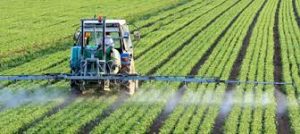 (Beyond Pesticides, January, 23, 2019) Individuals that have been acutely poisoned by pesticides at some time in their life may be more likely to lose their sense of smell, according to a recent study published in Environmental Health Perspectives. Researchers focused on the effect of high pesticide exposure events (HPEE), such as a pesticide spill or other incident, on a farmers’ ability to smell later in life. This is the first study to indicate pesticide exposure may result in olfactory impairment.
Farmers from Iowa and North Carolina enrolled in an ongoing U.S. Agricultural Health Study have been asked about their pesticide use roughly every 5 to 6 years since 1993. In the most recent survey, taken from 2013-2015, farmers were asked additional questions about HPEE in their lifetime and whether they had a significantly decreased or impaired sense of smell.
“Studying farmers gives us more reliable data on pesticide exposures than if we had studied the general population,” says Honglei Chen, MD, PhD, lead author and professor of epidemiology at Michigan State University in a press release. “Because they use pesticides more and it’s part of their job, they’re more likely to remember what pesticides they used and in cases of high exposures, report the specific events.”
Of the roughly 10k farmers interviewed during the recent survey, nearly 1,200 reported some form of impairment to their sense of smell. Analyzing data from questions asked during the original 1993 survey, researchers found that farmers that reported a history of HPEE at the outset were 49% more likely to experience olfactory impairment than farmers that did not.
Evidently, those that delayed washing with soap and water after their exposure incident were roughly 1.5 times likelier to experience loss of smell than those that immediately worked to wash off the pesticide. But scientists found that the route of exposure mattered little, with farmers reporting roughly the same loss of smell whether the HPEE involved either internal or dermal impacts. Significant associations were also found for particular pesticides. Specifically, two legacy organochlorine insecticides, DDT and lindane, as well as the herbicides alachlor, metolachlor, 2,4-D, and pendimethalin were all singled out within the study.
Scientists speculated on a range of ways pesticides may be disrupting olfactory senses. Exposure may damage the epithelium, or thin tissue inside the nose, impair the olfactory nerve, disrupt the immune system, the microbiome within the nose, and/or cause potentially persistent inflammation.
But very few major studies have been performed on the link between pesticide exposures and smell steadfastness. There is incidence in the literature of anosmia, or smell loss, after exposure to a pyrethrin based insecticide, and a 2015 study on farmworker smell difficulties found suggestive but inconclusive results. The authors indicate that although their results were strong, additional research on this issue is necessary to better understand the connection. In any case, it is another consideration for farmers working in chemical-intensive agriculture, alongside reports of increased rates of depression, asthma, and certain cancers.
“Olfactory impairment affects up to 25 percent of our older population, and our understanding of what the consequences are is still very limited,” Dr. Chen noted. “Studies have also suggested that older adults with a poor sense of smell are more likely to die earlier, so understanding the factors involved is very important.”
Farmers and residents alike should work to avoid any HPEE by forgoing the purchase, storage and use of toxic synthetic pesticides in the first place. By transitioning away from toxic chemicals in favor of alternative practices that work with, rather than against nature, farmers, farmworkers, consumers, and the planet will benefit from better health and long-term well-being. Organic represents the realization of this sustainable, alternative paradigm. By purchasing organic whenever possible, you support a system replaces toxic pesticides with safer practices.
Read more about the health effects linked to pesticide exposure through Beyond Pesticides’ Pesticide Induced Diseases Database.
All unattributed positions and opinions in this piece are those of Beyond Pesticides.
Source: MSU Press Release, Environmental Health Perspectives
Posted in 2,4-D, Agriculture, Alachlor, DDT, Lindane, olfactory effects, organochlorines, Pendimethalin, Uncategorized by: Beyond Pesticides
No Comments
22
Jan
 (Beyond Pesticides, January 22, 2019) Earlier this month, U.S. Representative Nydia Velásquez (D-NY) introduced The Ban Toxic Pesticides Act, H.R.230 which bans the insecticide chlorpyrifos from commerce.
Chlorpyrifos is a toxic chemical that has been linked to damaging and often irreversible health outcomes in workers, pregnant women, and children. As a result of a revised human health risk assessment, the Environmental Protection Agency (EPA) developed a regulation to ban chlorpyrifos in 2016. Under the Trump Administration, the EPA has taken steps to reverse the regulation.
“It’s unconscionable for EPA to turn a blind eye as children and workers are exposed to this poison,” Velázquez said. “If the EPA won’t do its job when it comes to chlorpyrifos, then Congress needs to act – and do so quickly.”
Ask your U.S. Representative to Co-Sponsor H.R. 230 to Stop the Use of the Toxic Insecticide Chlorpyrifos, which Is Damaging Children’s Brains.
Chlorypyrifos is a widely used pesticide. Agriculture companies annually spray 6 million pounds of the substance on crops like citrus, apples, and cherries. In the same family as Sarin gas, the substance was initially developed prior to World War II as a chemical weapon. It can overstimulate the nervous system to cause nausea, dizziness, and confusion. With very high exposures (accidents or spills), it can cause respiratory paralysis and even death. When applying the chemical to fields, workers must wear protective garments such as respirators. Workers are then blocked from entering the fields from 24 hours up to 5 days after application due to the chemical exposure risk.
In August, the U.S. 9th Circuit Court of Appeals ordered the Environmental Protection Agency (EPA) to implement its previous proposed ban of the chemical in the U.S. However, the Administration is appealing the ruling, seeking to prevent implementation of the Obama-era ban.
Rep. Valázaquez states, “As long as there are efforts underway in the courts or administratively to undo the ban on this toxic pesticide, I’ll be working to see chlorypyrifos removed from commerce through the legislative process.”
There is a strong recent history of action of introducing legislation to remove chlorpyrifos from use. The same legislation being proposed by Valazquez was introduced in the last Congress as H.R. 3380, Pesticide Protection Act (2017). In the closing days of the 115th Congress, U.S. Senator Brian Schatz (D-Hawai‘i) introduced a bill to ban chlorpyrifos. The Prohibit Chlorpyrifos Poisoning Students Act (S. 3764) would elevate Hawai‘i’s state ban to the national level, banning the use of the chemical near (within 300 feet of) schools in 2019 and banning its sale and distribution altogether the following year. The legislation follows a 2017 bill introduced by Senator Tom Udall (D-NM), Protect Children, Farmers and Farmworkers from Nerve Agent Pesticides Act, S. 1624, that deems any food with chlorpyrifos residues to be adulterated and therefore illegal.
EPA negotiated a cancellation of all residential uses (with the exception of golf courses and disease-carrying mosquitoes) in 2000 after finding significant neurotoxic effects on children. In June, 2018, Hawai‘i became the first state to ban chlorpyrifos, effective 2022.
Given the abundant research demonstrating deleterious effects of chlorpyrifos on human health –including a 2016 EPA human risk assessment that found the agency’s exposure threshold is exceeded for children, and citing concerns about chlorpyrifos levels in the air in schools, homes, and communities — it is critical to support a complete ban on the chemical.
H.R. 230 has 56 house representative co-sponsors. If your representative has already signed on, you will be prompted to send them a thank you note that encourages them to keep advocating for human and environmental health.
Ask your U.S. Representative to Co-Sponsor H.R. 230 to Stop the Use of the Toxic Insecticide Chlorpyrifos, which Is Damaging Children’s Brains.
Letter to U.S. Representatives:
I am writing to request that you co-sponsor The Ban Toxic Pesticides Act, H.R.230. Introduced by Rep. Nydia Velásquez, the act bans the insecticide chlorpyrifos from commerce. Chlorpyrifos is a toxic chemical that has been linked to damaging and often irreversible health outcomes in workers, pregnant women, and children.
EPA negotiated a cancellation of all residential (with the exception of golf courses and disease-carrying mosquitoes) uses in 2000, after determining that the neurotoxic effects to children exceeded reasonable levels. A 2016 revised EPA human health risk assessment of chlorpyrifos found that the agency’s exposure threshold is exceeded for children, citing concerns about levels in the air at schools, homes, and communities in agricultural areas. As a result, the EPA developed a regulation to ban chlorpyrifos. Under the Trump Administration, the EPA has taken steps to reverse the regulation despite clear human health hazards.
In June of 2018, Hawai‘i became the first state to ban chlorpyrifos (effective in 2022). The evidence of deleterious effects and momentum of policy change make it clear: there is an urgent need to extend protection from chlorpyrifos to children and others in all states.
Please confirm with me that you will co-sponsor H.R. 230, The Ban Toxic Pesticides Act.
Thank you.
Sincerely,
Co-sponsors in the last (115th) Congress (56): Chairman Raúl M. Grijalva, Rep. David N. Cicilline, Rep. Debbie Wasserman Schultz, Rep. McNerney, Rep. Peter DeFazio, Rep. Blumenauer, Rep. Bonamici, Rep. Roybal-Allard, Rep. Quigley, Rep.
Lee, Rep. Chu, Rep. Eleanor H. Norton, Rep. Frederica S. Wilson, Rep. Gabbard, Rep. Jackson Lee, Rep. Peter Welch, Rep. Mark Pocan, Rep. Espaillat, Rep. Lipinski, Rep. Kathy Castor, Rep. Carolyn B. Maloney, Rep. Steve Cohen, Rep. Ro Khanna, Rep. Tim Ryan, Rep. Yvette D. Clarke, Rep. Chris Smith, Rep. Pramilia Jayapal, Rep. Carol Shea-Porter, Rep. Bonnie Watson Coleman, Rep. Gregory Meeks, Rep. Albio Sires, Rep. Nanette Diaz Barragán, Rep. Dwight Evans, Rep. Betty McCollum, Rep. Zoe Lofgren, Rep. Jerry Nadler, Rep. Jan Schakowsky, Rep. Raskin, Rep. McGovern, Rep. Ted W. Lieu, Rep. Bobby Rush, Rep. Pingree, Rep. Grace Meng, Rep. Adam Smith, Rep. Huffman, Rep. Fudge, Rep. Colleen Hanabusa, Rep. Donald M. Payne, Jr, Rep. Tony Cárdenas, Rep. Matt Cartwright, Rep. Pete Visclosky, Rep. Jimmy Gomez, Rep. Jackie Speier, Rep. Grace Napolitano, Rep. Seth Moulton, Rep. Katherine Clark.
Posted in Agriculture, Brain Effects, Children, Chlorpyrifos, Dow Chemical, Environmental Protection Agency (EPA), Hawaii, Nervous System Effects, Take Action, Uncategorized by: Beyond Pesticides
No Comments
18
Jan
 (Beyond Pesticides, January 18, 2019) A new analysis by Charles Benbrook, PhD, published in the journal Environmental Sciences Europe, adds to the chronicle of the failures of the U.S. Environmental Protection Agency (EPA) to protect human health from toxic pesticides, and in this subject instance, from glyphosate. Meanwhile, a French Court has pulled the license for a Roundup product, citing the French government’s failure to protect public health.
In his paper, Dr. Benbrook examines the divergent positions on the carcinogenicity of glyphosate — the active ingredient in a number of herbicides, most notably Monsanto’s (now Bayer’s) Roundup — taken by the International Agency for Research on Cancer (IARC) and by EPA. The paper calls out EPA’s handling of science related to the safety of glyphosate, suggesting that the agency has discounted evidence of the compound’s association with genotoxicity — destructive effects on cellular genetic material that can cause mutations — which can result in cancer.
Dr. Benbrook is an American agricultural economist, former executive director of the National Academy of Sciences board on agriculture, and former research professor at the Center for Sustaining Agriculture and Natural Resources at Washington State University. He has long studied pesticide use related to genetically engineered crops in the U.S., as well as their health impacts; see previous coverage by Beyond Pesticides here and here.
Publication of this paper follows the August 2018 San Francisco County Superior Court landmark decision for plaintiff DeWayne “Lee” Johnson, a former school groundskeeper exposed regularly to Roundup in the course of his job duties, who was diagnosed with Non-Hodgkins Lymphoma at age 42 and became terminally ill. The jury awarded Mr. Johnson $39 million in compensatory damages, and $250 million in punitive damages in his suit against Monsanto, then-maker of Roundup. (The judge later cut the total $289 million figure to $78 million.)
The analysis also precedes the first scheduled federal trial about whether glyphosate compounds can cause cancer. That suit, by California resident Edwin Hardeman, which will be heard in federal district court in San Francisco starting on February 25, will be the first to go to a jury among more than 620 cases pending in federal litigation. Dr. Benbrook testified as an expert witness in Mr. Johnson’s case, and is expected to testify for the plaintiff in Mr. Hardeman’s. Unsurprisingly, the defendant in the federal court case is seeking to have Dr. Benbrook’s testimony excluded.
The difference between the IARC and EPA positions on the carcinogenicity of glyphosate is this: in March 2015, IARC classified glyphosate (as well as malathion and diazinon) as “probably carcinogenic to humans.” (Upon IARC’s announcement, Beyond Pesticides called on EPA and the U.S. Department of Agriculture (USDA) to stop the use of the herbicide, given that ruling.) EPA, on the other hand, continues to classify glyphosate as “not likely to be carcinogenic to humans,” despite scientific evidence.
Dr. Benbrook’s analysis considered the number and nature of the glyphosate studies evaluated by IARC and EPA. His conclusion? “Clearly, compared to EPA’s genotoxicity review, the IARC review is grounded on more recent, more sensitive, and more sophisticated genotoxic studies, and more accurately reflects real-world exposures.” In addition, he noted that EPA has relied for its fundamental assessment of glyphosate on dozens of studies paid for by Monsanto (and other makers of glyphosate products) that found no evidence of association with the development of cancer in those exposed.
EPA has maintained that its review of glyphosate has been comprehensive and vigorous, that glyphosate represents a “low toxicity” risk for humans, and that glyphosate-based products are safe to use when label directions are followed. Dr. Benbrook, however, says that very little of the research EPA has used in its review of glyphosate actually evaluates the compound in the formulations that are sold in the marketplace and used “on the ground.” In its classification decision, IARC highlighted concerns about herbicide formulations that combine glyphosate with other ingredients to enhance weed killing effectiveness.
In fact, EPA began to collaborate only in 2016 — after glyphosate herbicides had been on the market for 42 years — with the U.S. National Toxicology Program (NTP) to assess the relative toxicity of the various glyphosate formulations. Early results of that assessment (released in 2018) point to evidence that Roundup and other formulations are potentially more toxic to human cells than is the active ingredient alone. Acting Chief of NTP Mike DeVito said that its early findings are clear on one key point. “We see the formulations are much more toxic. The formulations were killing the cells.”
Although Dr. Benbrook’s analysis is the first to do a deep dive on how and why the EPA and IARC drew such different conclusions, other scientists (including some from EPA’s Office of Research and Development, and from a panel of scientific experts convened by the EPA) have also identified problems with the agency’s classification of glyphosate as “not likely to be carcinogenic to humans.” He reviewed the citations for genotoxicity testing in EPA and IARC reports — both those that were published in peer-reviewed journals and the unpublished ones given to EPA by Monsanto (and other companies).
Environmental Health News reports that Dr. Benbrook’s analysis revealed that, within the body of available evidence, EPA relied on 151 studies; 115 showed no evidence of genotoxicity, and 36 that had positive results (i.e., showed evidence of genotoxicity). IARC cited 191 studies; 45 showed negative results (no evidence of genotoxicity), and 146 showed evidence of genotoxicity. On that basis, IARC reported that within these studies it found “strong evidence that exposure to glyphosate or glyphosate-based formulations is genotoxic.”
Dr. Benbrook’s analysis also found that at least 27 other studies published during the past three years have addressed potential mechanisms of genotoxic action for glyphosate and/or glyphosate-based herbicide formulations, and all but one reported one or more positive result. According to Dr. Benbrook, EPA’s failure to focus on these formulations is dangerous because they “account for all commercial uses and human exposures (no herbicide products contain just glyphosate),” and much more research is needed on real-world exposures.
Concerns about the safety of glyphosate-based herbicides is hardly confined to the U.S. After a great deal of “churn” about the issue in Western Europe, including a proposed 10-year extension of use approval, in early 2018, the European Parliament convened a Special Oversight Committee to review the European Union’s authorization procedure for pesticides, largely because of its controversial review of glyphosate.
Now comes news that a French court has canceled the license for, and instituted an immediately effective ban on, Roundup Pro 360, one of Bayer’s (Monsanto’s) glyphosate-based herbicides. A court in Lyon ruled that the 2017 approval of Roundup Pro 360 by French environment agency ANSES (Agence nationale de sécurité sanitaire de l’alimentation, de l’environnement et du travail) had not respected a “precautionary principle” in failing to consider potential health risks.
Concern was apparently great enough that the court took this step even in the context of President Emanuel Macron’s pledge to phase out glyphosate-based herbicides by 2021. In a summary, the court said, “Despite the European Union’s approval of the active substance (glyphosate), the court considered that scientific studies and animal experiments showed Roundup Pro 360 . . . is a potentially carcinogenic product for humans, suspected of being toxic for human reproduction and for aquatic organisms.” Bayer, of course, disagreed with the decision and is considering its legal options. It has cited regulatory rulings as well as scientific studies that “found glyphosate to be safe.”
With thousands of court cases pending in the U.S. alone, Bayer and other pesticide producers may have a rough road ahead, and judicial action may eventually force regulators to act more ambitiously on protection of human health from glyphosate-based products. Beyond Pesticides will monitor developments on the glyphosate frontier; keep informed through its Daily News Blog.
All unattributed positions and opinions in this piece are those of Beyond Pesticides.
Sources: https://www.ehn.org/glyphosate-cancer-epa-2625974133.html and https://www.reuters.com/article/us-bayer-monsanto-france/french-court-cancels-monsanto-weedkiller-permit-on-safety-grounds-idUSKCN1P91F6
Posted in Bayer, Environmental Protection Agency (EPA), Glyphosate, International, Monsanto, Uncategorized by: Beyond Pesticides
No Comments









