04
Jan
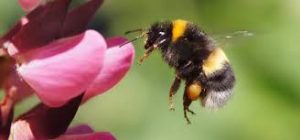 (Beyond Pesticides, January 4, 2019) First, the good news: plaintiffs in a 2013 lawsuit against the Environmental Protection Agency (EPA) can allow themselves a small victory dance. In that suit, plaintiffs made a number of claims related to EPA’s failure to protect pollinators from dangerous pesticides, its poor oversight of the bee-killing pesticides clothianidin and thiamethoxam, and its practice of “conditional registration,” as well as labeling deficiencies. The parties in the suit negotiated a settlement, as directed by a federal judge (see below), that was signed in October 2018 and portends some positive movement in curtailing the use of some toxic pesticides [12 products, each of which contains chlothianidin or thiamathoxam as an active ingredient] that harm pollinators in particular, as well as other organisms and the environment. It also establishes a public process for EPA to consider requiring whole formulations of pesticide products during registration, and redefining EPA’s interpretation of law that allows seeds treated with bee-toxic pesticides to escape regulation as a pesticide.
The suit was brought by a number of individual beekeepers and several organizations, including Beyond Pesticides, Center for Food Safety (CFS), Sierra Club, and Center for Environmental Health, and named as defendants Steven Bradbury, then-director of the Office of Pesticide Programs and Bob Perciasepe, then–acting administrator and deputy administrator of EPA. Since the initial filing of the suit, the plaintiffs have added to the original complaint with subsequent, amended complaints that challenged EPA’s denial of a request to suspend the registration of products containing clothianidin. The language of the second amended complaint noted that the subject pesticides “have been shown to adversely impact the survival, growth, and health of honey bees and other pollinators vital to U.S. agriculture” and have “harmful effects on other animals, including threatened and endangered species.”
Neonicotinoids are highly toxic insecticides that damage insects’ central nervous systems, causing death even at very low doses. Use of these compounds has swelled in the past decade-plus; these pesticides are now used on more than 150 million acres of U.S. cropland. Yet their dominant application is as a seed coating for crop seeds. Because neonicotinoids persist in soil and easily become airborne, the chemicals spread far beyond target crops and can contaminate nearby plants, water, and soil, thus posing additional threats to pollinators. In addition, neonicotinoids can harm non-target organisms, such as birds and beneficial invertebrates.
In May 2017, a federal judge ruled that EPA violated the Endangered Species Act (ESA) when it issued 59 neonicotinoid insecticide registrations between 2007 and 2012 for pesticide products containing clothianidin and thiamethoxam. U.S. District Judge Maxine Chesney rejected the claims of intervenors (pesticide producers) that the plaintiffs had not established causation between the subject pesticides and the harm to plaintiffs. But rather than order EPA to work with the U.S. Fish and Wildlife Service (FWS) and National Marine Fisheries Service (NMFS) — a requirement when a pesticide is registered (so as to reduce risks to endangered species) — the judge directed the parties, including the plaintiffs, defendant EPA, and intervenor Bayer CropScience, to move forward with a settlement conference to resolve the disputes.
At the time of that ruling, Center for Food Safety Legal Director George Kimbrell called it “a vital victory,” saying, “Science shows these toxic pesticides harm bees, endangered species and the broader environment. More than 50 years ago, Rachel Carson warned us to avoid such toxic chemicals, and the court’s ruling may bring us one step closer to preventing another Silent Spring.”
That settlement process occurred, and a final document (a “joint stipulation”), agreed to in the summer of 2018, was signed by current parties in the suit: plaintiff beekeepers Steve Ellis, Tom Theobald, Jim Doan, and Bill Rhodes, and the organizations identified above; defendants Andrew Wheeler (current EPA administrator), Richard Keigwin, director of EPA’s Office of Pesticide Programs; and defendant-intervenors Bayer CropScience LP, Syngenta Crop Protection, LLC, Valent USA, LLC, and CropLife America. (It is noteworthy that in the five years since the filing of the original lawsuit, the Office of Pesticide Programs at EPA has had three different directors.) Pursuant to the settlement, the U.S. District Court for the Northern District of California, San Francisco Division, issued a stay in the case. (A “stay” is a suspension of progress of a case; said stay can subsequently be lifted by a court, based on events subsequent to the issuance of the stay.)
The settlement sets in motion a number of actions and expectations, among which is the potential cancellation of the 59 pesticide registrations. The first public action was the posting in the Federal Register of two notices of EPA seeking public comment on petitions from CFS. One requests the revision of testing requirements for pesticides prior to their registration — including requiring “testing for whole pesticide formulations to account for the toxicological effects of inert and adjuvant ingredients and the testing of tank mixes to assess the interaction between pesticide ingredients. CFS believes this change is needed to meet the applicable safety standards of the Federal Insecticide, Fungicide, and Rodenticide Act (FIFRA).” The second requests that EPA “initiate a rulemaking or issue a formal Agency interpretation for planted seeds treated with systemic insecticides. CSF believes that the Agency [EPA] has improperly applied the treated article exemption in exempting these products from registration and labeling requirements under the Federal Insecticide, Fungicide, and Rodenticide Act (FIFRA).” Comments on both, which are due on or before March 21, 2019, can be directed as described here.
EPA will also need to post notice and invite public comment on the settlement agreement itself, after which, according to plaintiffs’ counsel, “The FIFRA cancelation process for the 12 products [each of which contains chlothianidin or thiamathoxam as an active ingredient] that the intervenors agreed to cancel will occur. This is the first time ever [that] the industry has agreed to such a term in any pesticide ESA settlement of this kind, so it quite precedential. . . . [T]he ESA deadlines [will] follow over the next few years. Importantly, the Court . . . will retain jurisdiction to enforce the settlement through all its steps, both the product cancellations [and] the ESA consultation steps, to ensure their completion.”
The less-good news? Even given these developments, the major neonicotinoids will continue to be used for some time. EPA typically uses a “negotiated” process to move hazardous pesticides off the market via voluntary manufacturer withdrawal (which is only then codified by EPA product cancellations), rather than take direct regulatory action. (Read commentary on this, by Beyond Pesticides Executive Director Jay Feldman, and about another example of this phenomenon here.)
Such regulatory action would inevitably invite industry challenge and force EPA into lengthy court proceedings. But this negotiation process also typically produces less-robust protections of public and environmental health than would more-direct regulatory action. The settlement is a small victory in a big sea of health and environmental risks of pesticide use. Stay abreast of developments on federal, state, and municipal efforts to rein in the use of toxic pesticides through the Beyond Pesticides Daily News Blog.
All unattributed positions and opinions in this piece are those of Beyond Pesticides.
Sources: https://www.centerforfoodsafety.org/files/2013-05-31-dkt-17-0–pls–amended-complaint_71924.pdf and https://www.centerforfoodsafety.org/files/2017-5-8-dkt-269–order–granting-and-denying-in-part-msjs_54860.pdf
Posted in Bayer, Clothianidin, Environmental Protection Agency (EPA), Litigation, neonicotinoids, Pollinators, Take Action, Thiamethoxam, Uncategorized, Wildlife/Endangered Sp. by: Beyond Pesticides
No Comments
03
Jan
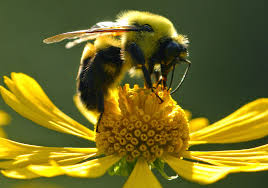 (Beyond Pesticides, January 3, 2019) Bee-toxic pesticides banned for consumer use by the state of Maryland are still being sold in hardware and garden stores, according to reports from beekeeper and consumer watchdog groups. In 2016, Maryland passed the Pollinator Protection Act, which limited the use of neonicotinoids, insecticides implicated in the global decline of pollinator populations, to only certified applicators. According to spot checks by the Maryland Pesticide Education Network (MPEN) and the Central Maryland Beekeepers Association (CMBA), state enforcement agencies still have a ways to go to ensure retailers are complying with the law.
From May to October 2018, six volunteers visited 30 Maryland stores along the Baltimore-Washington corridor to see whether they are complying with the law by removing bee-toxic neonicotinoids from retail consumer sale. Eleven of the 30 stores were not in compliance, ranging from local home and garden stores to national big-box chains.
“I’ve taken bottles off the shelf and taken them up to an employee or a manager, and said, ‘You really need to stop selling this stuff — it’s illegal,’” said Steve McDaniel, a master beekeeper in Carroll County to the Bay Journal.
The state, for its part, indicates that staffing problems at the Maryland Department of Agriculture have led to the weak roll-out in enforcement during the law’s first year. MDA pesticide manager Dennis Howard told the Bay Journal, “They should be behind the counter, for the folks who can actually apply it under the legislation. I told the inspectors to try to do as many as they can,” he said, “… and speak to the managers of stores, so sales people won’t let [consumers] purchase it.”
But Ruth Berlin, executive director of MPEN, says that many retailers have been antagonistic when asked to remove bee-toxic products. “They said, ‘So what? It’s OK. No one’s going to make us take it away,” Berlin indicated to the Bay Journal.
Beekeepers and other advocates are right to be concerned about the slow roll-out. Passage of the Maryland law was hard-fought, with beekeepers donning suits to the state General Assembly, and overcoming the threat of a veto from Governor Hogan. According to the Bee Informed Partnership, Maryland beekeepers have lost an average of roughly 40% of their hives each year since the start of this decade.
“Most people, they really feel like because we got the law passed, we’re out of the woods on bee deaths,” said Bonnie Raindrop with CMBA. “What we’re seeing is a trend that’s getting worse.”
Getting compliance in line is critical to protecting pollinators, according to experiences in other countries. The City of Amsterdam in the Netherlands has seen significant success in protecting pollinators as a result of policies that banned consumer use of neonicotinoids and improved habitat.
Neonicotinoids are systemic insecticides which, once applied, are taken up by the plant and expressed in the pollen, nectar, and dew drops the plant produces. Chemicals not immediately taken up will either remain in the soil, where they have the potential to re-contaminate next year’s plantings, or work their way through the groundwater table and present a threat to aquatic species.
To date, Maryland and Connecticut are the only states to have joined the dozens of localities that have that restricted neonicotinoids use and enacted pollinator protection policies. With the start of the New Year, and new legislative sessions, now is the time to reach out to your local, state, and federal elected officials and ask them whether they’ll introduce or support legislation to protect pollinators. Contact Beyond Pesticides for information and assistance in speaking with your elected officials.
In Maryland, beekeepers will continue to watchdog MDA’s enforcement of the new law. “If they’re still carrying it next spring, we’re going to come down on [them] with both feet,” said Master Beekeeper Steve McDaniel.
More information on how to help pollinators in your community can be found on the Bee Protective webpage.
Source: Bay Journal
Posted in Maryland, Pollinators, Uncategorized by: Beyond Pesticides
No Comments
02
Jan
 (Beyond Pesticides, January 2, 2019) The “indoor microbiome” of yoga studios and other athletic facilities often contain significant levels of antibacterial chemicals like triclosan, which show up in dust and breed antibiotic resistance, according to research published last month in the journal mSystems. Triclosan may be banned from hand soaps, but its continued use in a myriad of other products, from disinfectant sprays to impregnated clothing, yoga mats, and other work-out equipment makes it difficult to avoid this now-ubiquitous chemical. This is a public health concern because these antibacterial or antimicrobial chemicals are link to antibiotic-resistant bacteria. Antibiotic resistance kills over 23,000 people each year, according to the Centers for Disease Control and Prevention (CDC). In addition to the CDC, the World Health Organization has cited this escalating problem as become one of the biggest public health challenges of our time.
Many people may suspect their gym or yoga study is not a germ-free location, but attempts to address these germs through antibacterial sprays or impregnated yoga mats and other surfaces, may be exacerbating the issue—doing much more harm than good. The continued detection of triclosan and its impacts at new and unexpected locations are feeding renewed calls for a complete ban on its use by the U.S. Environmental Protection Agency (EPA).
As study co-author Erica Hartmann, PhD explains, “There are many products with triclosan that are not labeled because they are within the purview of the EPA instead of the FDA [Food and Drug Administration].” “These things might include antimicrobial gym equipment, such as yoga mats and textiles.”
Using industrial vacuums, the authors of the study took dust samples from 42 different athletic facilities (yoga, martial arts, dance studios and public rec centers) throughout the Portland, OR area in 2016. These areas were chosen because of the close contact patrons have with floor mats and other surfaces, as well as their propensity to regularly use antibacterial sprays to clean these surfaces. Researchers took these dust samples and split them: one part was analyzed for the presence of antibacterials, and another for the presence of microbes.
Every antibacterial chemical tested by researchers showed up in every facility investigated. Gyms, rooms with higher moisture levels, and those with carpeted flooring all had elevated levels of antibacterials compared to other facilities.
The range of microbes detected in the dust from the various facilities was surprisingly diverse. According to the study, only 26% of microbes were detected in more than one building.
Most concerning is the finding that the number of microbes with antibiotic resistant genes was higher in facilities with elevated concentrations of triclosan and its chemical cousin triclocarban. And the type of resistance microbes display is not limited to triclosan—they exhibit a diverse range of resistance measures. “Those genes do not code for resistance to triclosan,” Dr. Hartmann clarifies. “They code for resistance to medically relevant antibiotic drugs.”
The drive to create germ-free spaces has amplified the potency of the infectious bacteria that people are likely to come into intimate contact with. But the solutions are frustratingly simple: “The vast majority of microbes around us aren’t bad and may even be good,” said Dr. Hartmann. “Wipe down gym equipment with a towel. Wash your hands with plain soap and water. There is absolutely no reason to use antibacterial cleansers and hand soaps.”
Triclosan was first registered for use as a surgical scrub in 1972, but quickly made its way from hospitals to the consumer over-the-counter market, where it began being added to soaps advertised for their antibacterial properties. Widespread use of the chemical led to widespread contamination—CDC indicates that roughly 75% of U.S. residents contain triclosan in their bodies. Over the years, more and more evidence came to light that triclosan is not only unnecessary in soaps, it is also causing a range of hazards. Scientific evidence has demonstrated a variety of adverse health impacts of triclosan and triclocarban, including skin irritation, allergies, endocrine disruption, damage to the thyroid, and an increased risk of asthma and eczema in children. It is one of the most frequently detected synthetic compounds in waterways, and is usually not filtered out from water treatment facilities. A 2013 study found that the influx of triclosan into streams alters the microbial community and increases resistance. Beyond Pesticides raised concerns about the health effects of triclosan in 2004 in its piece The Ubiquitous Triclosan, and petitioned the agency to ban the chemical in 2005.
After over a decade of advocacy in which Beyond Pesticides was joined by a range of health and consumer rights groups, in early Fall 2016, FDA announced a final ruling on triclosan’s use in consumer soaps and other washing products. FDA banned 19 specific ingredients, including triclosan and triclocarban, saying they were no longer “recognized as safe and effective,” and no better than using simple soap and water, citing risks to health and contributions to the problem of bacterial resistance. FDA went further this year, determining that even health care uses of triclosan should be eliminated, though many other regrettable substitutions remain on the market.
And although its use in soaps has been eliminated, it is evident from this recent research that other uses have not been addressed by regulators. FDA continues to allow triclosan to be used in toothpaste like Colgate Total, despite evidence that brushing with these products causes levels of the chemical to spike in children, and accumulates in toothbrushes, causing repeated exposure unless brush heads are thrown out after use is discontinued.
FDA’s ban did nothing to address uses regulated by EPA, which allows it to be incorporated into a range of consumer products with little to no disclosure. Many products containing triclosan are marketed as “microban,” but microban may contain triclosan, or a number of regrettable substitution chemicals, making it even more difficult for consumers to know what they’re being exposed to.
Although EPA in 2015 denied petition by Beyond Pesticides and Food and Water Watch to remove remaining triclosan uses, as new evidence accumulates on the danger of this chemical, calls to ban its use are growing louder. Get informed about triclosan and other unnecessary chemicals in our environment, as well as steps you can take to eliminate their use at home, workplaces, schools, and gyms by visiting Beyond Pesticides’ Antimicrobials and Antibacterials program page. For a more complete history of the regulation of this chemical, see Beyond Pesticides’ triclosan timeline, as was as previous Daily News articles.
All unattributed positions and opinions in this piece are those of Beyond Pesticides.
Source: Northwestern University Press Release, mSystems (peer-reviewed journal)
Posted in Antibacterial, Antibiotic Resistance, Centers for Disease Control and Prevention (CDC), Endocrine Disruption, Environmental Protection Agency (EPA), Food and Drug Administration (FDA), Resistance, Triclosan, Uncategorized by: Beyond Pesticides
No Comments
21
Dec
 (Beyond Pesticides, December 21-31, 2018) As we look ahead to the new year, we wish you good health, extend our appreciation for your being a part of the Beyond Pesticides network, and ask you to consider a contribution to Beyond Pesticides. Your support is critical to our program and deeply appreciated.
We approach the new year with a sense of optimism that we will advance our collective will to solve devastating environmental problems. We believe it can be done! But, it takes us all joining together with a strong voice and unified action to stop hazardous practices, while putting safe and sustainable alternatives in place. With your support of Beyond Pesticides, we strive to reverse the destructive environmental and public health path that we’re on.
As a grassroots organization, we work with community-based campaigns and organizations to put organic land management practices in place—in our parks, on playing fields, school grounds, and throughout communities. Together, we eliminate practices that contaminate waterways, put poisons in the air, degrade and destroy life in the soil, and expose us to pesticides that cause or contribute to a range of dreaded diseases like cancer—Parkinson’s, diabetes, reproductive disorders, autism, and more.
- We can change the current course—take the glyphosate/Roundup out of communities, remove the bee-toxic pesticides, eliminate pesticides that kill the soil and aquatic food webs, as well as our gut microbiome—and begin to restore the health of people and the environment.
- We can do this without spending more moneyat the community level because life-sustaining management of our parks and communities utilizes ecosystem services by supporting ecological balance and cycling nutrients in the soil, instead of relying on expensive, synthetic, fossil fuel-based, toxic pesticides and fertilizers.
- We work on the interconnectedness of issues and stress holistic solutionsto the range of seemingly insurmountable environmental problems that we face. We do this through our efforts to push for an urgent transition to organic practices from chemical-intensive land and building management in communities across the country.
- We are helping to establish model communities that show it can be done, like in the city of South Portland, Maine. There, the city council passed a law a couple of years ago to eliminate toxic pesticides throughout the entire municipality, and this year began implementing it with information, factsheets, staff training, plan development, and the launching of a terrific website.
We are making progress in advancing our strategic goal to eliminate toxic pesticide use, with examples in dozens of communities nationwide that are establishing organic land management programs. Your support will help us to reach more communities in the next year.
With your support, we (i) develop community plans to transition to organic management practices, (ii) nurture complex biological communities in nature, in all its beauty and public health and environmental benefits, (iii) train local government staff to understand and adopt soil-based cultural practices for managing parks and playing fields, (iv) protect local and regional waterways, and (v) create an alignment and alliance with the business community (like the local ACE hardware store in Maine, where the owner has transitioned the store’s lawn and garden department to advance organic practices and products).
Your support helps Beyond Pesticides bring to communities the resources necessary to put the organic changes in place. Your support helps us to stop pesticide use and advance organic practices with our programs that:
- Make science on the pesticide problem and solution understandable to the public;
- Support and empower people in their communities;
- Influence decision makers; and,
- Implement on-the-ground practices in communities nationwide
Please check out the latest issue of our journal, Pesticides and You. Our feature article, Pesticide Exposure and the Obesity Pandemic, exemplifies the importance of getting the science out, and this issue adds more evidence of the need for the organic transition.
To further align our work with the medical community, we are co-convening the 37th National Pesticide Forum, Organic Strategies for Community Environmental Health: Eliminating pesticides where we live, work, learn, and play, with the Center for Children’s Environmental Health at the Icahn School of Medicine at Mt. Sinai, April 5-6, 2019 in New York City. Please consider joining us!
Thank you for considering supporting Beyond Pesticides at the end of the year. For a $150 donation, we will send you Beyond Pesticides’ organic canvas tote bag or our new Organic Landscape sign that displays our blue dragonfly logo.
All best wishes for the holiday season and new year!
Posted in Holidays, Uncategorized by: Beyond Pesticides
No Comments
21
Dec
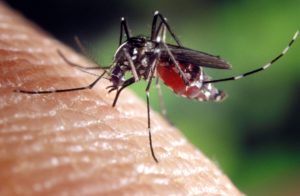 (Beyond Pesticides, December 21, 2019) A study at the University of Maine (UMaine) finds that adding blackberry leaf litter in stormwater catch basins creates an “ecological trap,” enticing mosquito females to lay eggs in sites unsuitable for larvae survival. Employing this new and incredibly viable “attract-and-kill’ tool for mosquito control shows potential for preventing the breeding of mosquitoes that may carry insect-borne diseases, especially in urban environments. Stormwater catch basins regularly accumulate leaf litter, which serve as habitat for the mosquito species Culex pipiens (Cx. Pipiens) that may carry West Nile virus.
Previous University of Maine research discovered decomposing leaf litter from Amur honeysuckle (Lonicera maackii) and common blackberry (Rubus allegheniensis) produces chemical compounds that attracts and stimulates Cx. Pipiens female to oviposit, or lay eggs.
Investigating the attractiveness and lethality of varying catch basin conditions to mosquitoes, researchers hypothesized that blackberry leaf litter could be shown to be lethal to developing mosquito larvae, and, therefore, act as a natural ecological trap for Cx. Pipiens.
Five varying treatments were applied to a total 50 catch basins. Treatments included (1) all debris dredged weekly throughout the duration of the study, (2) no change to debris naturally occurring in catch basins, (3) ecological trap: naturally occurring debris dredged prior to administering 100 grams of fresh blackberry leaves submerged underwater in mesh bags, (4) attractants only: same as previous, except 100 grams of fresh honeysuckle leaves submerged, (5) toxins only: common larvacide Bacillus thuringiensis var. israelensis (Bti) administered, with no additional change to debris.
Catch basins were those on street edges in relatively standard residential neighborhoods. Larvae in catch basins were counted once prior to and four times after treatments had been administered. Floating emergence traps were placed to capture adult mosquitoes. Experiments were repeated across two years to confirm findings.
Results show catch basins with the ecological trap (blackberry leaves) have consistently higher numbers of Cx. pipiens eggs, but very low larvae survival. Honeysuckle, however, showed high larvae survival and high adult emergence. Most strikingly, ecological trap catch basins showed reduced larvae survival even when combined with equal parts honeysuckle.
In addition, with decomposing leaf litter previously shown to attract Cx. pipiens oviposition, the study also confirms that survival of mosquito larvae, being filter-feeding invertebrates, is dependent mainly on the aquatic habitat containing the appropriate bacterial community to suit the larvae’s nutritional needs. However, suitable bacteria, unlike decomposing leaf litter, do not create chemical attractants. This means Cx. pipiens females select oviposition sites based solely on the presence of decomposing leaf litter, regardless of whether the appropriate bacterial community may be lacking. Thus, researchers suggest Cx. pipiens can be tricked to oviposit in sites incompatible for ensuring larvae survival.
“The abundance of mosquitoes in aquatic habitats and the efficacy of conventional insecticides for juvenile mosquito control are strongly influenced by variables such as rainfall, water chemistry, and the species and structure of terrestrial vegetation in the surrounding environment,” says Allison Gardner, PhD, an assistant professor of arthropod vector biology at UMaine and lead author of the study. “This suggests that ecologically based strategies could [be exploited] for environmentally safe and sustainable mosquito abatement,” Dr. Gardner continued.
Dr. Gardner’s study confirms the importance of understanding the suitability of potential habitat for unwanted insect species. Managing conditions conducive for mosquito species’ proliferation prevents human exposure to mosquito-borne pathogens, as mosquitoes do not travel far from where they hatch.
Conversely, broad-spray, conventional management approaches create insecticide resistance among mosquitoes. They also create toxic conditions that harm non-target species like pollinators, including harms to pets and children.
Meet with elected officials to discuss Beyond Pesticides’ public health mosquito management strategy. Tell them to fix the problem conditions that lead to mosquito proliferation in your neighborhood and not to waste more time and money on routine insecticide spraying. Help them understand what attracts mosquitoes to an area, and what sustains them. Talk with city officials about developing novel and intuitive “attract-and-kill” mosquito management strategies that include blackberry leaves. Teach them that corralling Cx. pipiens eggs into simultaneously attractive and inhospitable habitats would be effective for mosquito management and disease prevention, as it adversely affects Cx. pipiens egg production and reduces larvae survival.
Exploiting ecological traps holds potential for new jobs and volunteer opportunities. Encourage the planting of blackberry bushes in your community. Collect fallen leaves and devise ingenious ways to administer the leaves into catch basins (such as being submerged underwater in mesh bags).
When speaking with neighbors, emphasize the ineffectiveness of pesticides at controlling mosquito populations. Discuss the safer choice. Purchase Beyond Pesticides mosquito doorknob hangers and teach neighbors simple mosquito reduction steps, such as: removing unnecessary debris on your property, and cleaning rain gutters in the spring and fall. Offer to help elders and disabled members of your community. Work with friends to create a system for effective mosquito prevention.
All unattributed positions and opinions in this piece are those of Beyond Pesticides.
Sources: Phys.org, and The Royal Society
Posted in Children, contamination, Integrated and Organic Pest Management, Maine, Mosquitoes, Pesticide Drift, Pets, Pollinators, Pyrethrin, Resistance, Uncategorized by: Beyond Pesticides
3 Comments
20
Dec
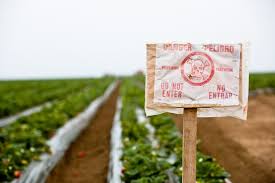 (Beyond Pesticides, December 20, 2018) Using low doses of the herbicide paraquat and common proteins found in food called lectins, researchers were able to recreate the symptoms of Parkinson’s disease in rats. Results of this study, published in the journal Parkinson’s disease, provide scientists with fresh insights into the development of the disease, and a new model to test potential remedies. Paraquat, a neurotoxic herbicide with a well-established body of literature linking it to Parkinson’s disease, is currently undergoing a registration review by the U.S. Environmental Protection Agency, and groups like the Michael J Fox Foundation are calling for its ban.
Researchers based their study on the Braak Staging hypothesis of Parkinson’s, which posits that the disease is brought on by foreign agents entering the body through the gut or nose and making their way to the brain. Rats were exposed to low doses of paraquat combined with lectin every day for a week. After two weeks, the animals’ motor function was tested and compared to an unexposed control group.
Rats exposed to lectin and paraquat exhibited Parkinson-like symptoms. Primary author R. Alberto Travagli, PhD, notes, “After observing that these animals did indeed show symptoms of Parkinsonism, we wanted to double check and make sure we weren’t looking at animals that had these symptoms for another reason.” To check, Dr. Travalgi indicates, “We administered levodopa, which is a common medication for Parkinson’s disease. We saw a return to almost normal types of motor responses, which was a clear indication that we were looking at some sort of Parkinsonism.”
Lectin, which is often found in healthy foods like raw vegetables, eggs, and dairy, combined with paraquat in the gut and triggered the formation of a misfolded protein called alpha-synuclein, a foreign agent that likely plays a role in the development of Parkinson’s. Alpha-synuclein travels from the gut to the brain via the vagus nerve. Thus, to confirm the etiology of the symptoms exposed rats were experiencing, researchers removed the vagus nerve of a population of test rats and administered the same combination of lectin and paraquat. No rats within this group developed Parkinson-like symptoms.
“We were able to demonstrate that if you have oral paraquat exposure, even at very low levels, and you also consume lectins — perhaps in the form of uncooked vegetables, dairy or eggs — then it could potentially trigger the formation of this protein alpha-synuclein in the gut,” said study coauthor Thyagarajan Subramanian. “Once it’s formed, it can travel up the vagus nerve and to the part of the brain that triggers the onset of Parkinson’s disease.”
Scientists also administered both paraquat and lectin alone to rat populations, but did not see the same pathology in either groups tested.
Researchers indicate that these results provide new avenues for intervention to prevent Parkinson’s in humans. For example, there could be dietary changes that could delay onset, or drugs (including antibiotics), such as squalamine, that act to remove alpha-synuclein from the gut.
Any herbicide implicated in the development of a disease, which is expected to double in diagnosis over the next 20 years, raises serious questions about compliance with safety standards. A large body of scientific studies strongly implicates this chemical in the development of Parkinson’s disease. Earlier this year, research published in the journal Cell Reports implicated paraquat for its ability to create senescent cells that cause inflammation in the brain.
Beyond Pesticides strongly supports the Michael J. Fox Foundation’s stance that paraquat should be banned for use in the United States. The chemical has already been banned in the European Union since 2007, yet the United States still imports the chemical from throughout the world.
Join us in urging Congress and EPA to ban the use of paraquat by sending a letter today. And for more information on the connection between pesticides and Parkinson’s see Beyond Pesticides’ Pesticide Induced Diseases Database.
All unattributed positions and opinions in this piece are those of Beyond Pesticides.
Source: Penn State Press Release, Parkinson’s Disease (peer-reviewed journal)
Posted in Paraquat, Parkinson's, Uncategorized by: Beyond Pesticides
1 Comment
19
Dec
 (Beyond Pesticides, December 19, 2018) As the dust still settles on the final Farm Bill, which passed the U.S. Senate and House of Representatives last week, it is clear that neither the substance nor the process on a range of issues meet the urgent need to address key sustainability issues that put the future in peril.
We must not allow this Farm Bill to be the final word on a number of critical environmental and public health issues facing the nation and world. That is why it is absolutely critical that we get to work immediately, with the new Congress, to set a new course that transforms the institutions of government that are holding back the urgently needed transition to a green economy.
On the Farm Bill, our victories were mostly measured in terms of what we were able to remove from the legislation—not the standard of achievement that we need to face critical environmental threats.
The good. Our major victory in the Farm Bill does not move us forward, but simply protects the status quo of our democracy—protecting the power of states and local government to adopt pesticide restrictions that are more stringent than the federal government. With your help and the help of a broad network of local officials nationwide, we were able to stop a preemption provision from being inserted in the federal pesticide law. Although the victory was in defeating this provision, the chemical industry has awakened a new front in the pesticide reform movement. As a result of this provision, there is new momentum to reassert the rights of local governments and repeal state-level preemption of municipalities. Other environmental setbacks to the Endangered Species Act, Clean Water Act, and farmworker protection were taken out of the final bill. A great thanks to those who participated in this important process.
The bad. We were unable to remove an amendment to organic law that introduces confusion on the mandate to sunset all synthetics used in organic agricultural production and processing, forcing the National Organic Standards Board (NOSB) and USDA to reassess the science and necessity of these inputs with the most rigorous scrutiny by requiring a super-majority vote of the board every five years to allow continued use of these synthetics—the same standard used when synthetics are initially petitioned. The growth of organic is essential to solving our key environmental challenges, from the dramatic decline in biodiversity to global climate change. Nothing should be done to undercut the integrity of the organic standard setting process. Additionally, new language in the organic law allows farmer, handler, and retailer positions on the NOSB to be filled by employees of farmers, handlers, and retailers, making the decision making process less robust.
The ugly. The Farm Bill sets policy on food and farm issues for the next five years and should not be the result of backroom negotiations in Congress, as it was this round. Important and controversial issues deserve public hearings in which all members of Congress and the public can participate, and all perspectives can be heard.
More on organic. There were some “wins” for organic in continued funding for programs important to organic production and research, and necessary improvements to oversight and enforcement of organic imports.
New leadership. Increasing support is being shown for a proposal by U.S. Representative-Elect Alexandria Ocasio-Cortez of New York to form a House Select Committee for a Green New Deal that addresses economic and environmental reforms while ensuring a functioning democracy. A Green New Deal provides a framework for supporting agriculture that helps farmers, consumers, and the environment by advancing organic agriculture. In the words of commentator and former Texas Agriculture Commissioner Jim Hightower, “Everybody does better when everybody does better.” We need new food and farm policy that benefits all farmers and consumers.
After the new 116th Congress begins on January 3, 2019, you will be hearing from Beyond Pesticides on a range of critical issues that have gotten unsatisfactory attention in the Farm Bill and other legislation and regulations.
Posted in Agriculture, Alternatives/Organics, Farm Bill, Farmworkers, National Organic Standards Board/National Organic Program, Uncategorized, Water, Wildlife/Endangered Sp. by: Beyond Pesticides
No Comments
18
Dec
 (Beyond Pesticides, December 18, 2018) The ingredients not listed on a pesticide product are not fully reviewed for their adverse effects may be the most toxic chemicals in the formulation. Recent research, Toxicity of formulants and heavy metals in glyphosate-based herbicides and other pesticides (Toxicology Reports 5, 2018), by Defarge, de Vendômois, and Séralini demonstrates the need to disclose and test all ingredients in pesticide products, as well as the full formulation that includes “inert” or nondisclosed ingredients. While glyphosate/Roundup is obviously not allowed to be used in organic production, this research reaffirms the need to evaluate full formulations of substances allowed for use in organic.
The research on glyphosate tested the toxicity of the herbicide glyphosate, “inerts” in glyphosate-based herbicides (GBH), and the pesticide formulations–looking at toxicity to target organisms, toxicity to human cells, and endocrine-disrupting activity. In addition to the GBH products, the researchers studied a number of other pesticides.
Tell NOP and USDA that “inerts” used in organic production must receive full review by the NOSB.
“Inert” ingredients are allowed in pesticides used in organic production as well as those used in chemical-intensive production. The National Organic Program (NOP) allows “inerts,” permitted in conventional production and formerly listed on EPA’s List 4, “inerts of minimal concern,” as well as a few formerly listed on List 3, “inerts of unknown toxicity,” to be used in organic production. Because the standards of the Organic Foods Production Act (OFPA) are much more restrictive than those used by the U.S. Environmental Protection Agency (EPA) to regulate pesticides, and given changes in how the agency categorizes “inerts,” the National Organic Standards Board (NOSB) has adopted a series of recommendations since 2010 that established a substance review process as part of the five-year cycle of sunset review. The NOSB has voted overwhelmingly to require review of all individual “inerts” used in organic production, but NOP has refused to move forward.
Although GBH products are not permitted in organic production, the results of the Defarge et al. study are relevant to decisions concerning materials used in organic crops and livestock. The scientists found that for GBH products, glyphosate was not the major toxic component–to either plants or human cells–and that formulations, as well as glyphosate alone, are endocrine disruptors at low concentrations. Glyphosate alone did not show herbicidal effects on tomato plants for five days following application. Formulations that included POEA (polyethoxylated tallowamine) are the most toxic to plants and human cells, and POEA itself is highly toxic to plants and animals. GBH formulations are no more toxic to plants than the formulants (“inert” ingredients). The researchers concluded, “Hence G [glyphosate] did not appear to be the main active substance of the herbicide, but rather the formulants.”
The researchers also identified a number of other toxic substances in the products, including arsenic, chromium, cobalt, nickel, and lead. Arsenic was present in almost all samples.
This research calls into question the fundamental principles embodied in federal pesticide law, the Federal Insecticide, Fungicide, and Rodenticide Act (FIFRA), which distinguishes “active” ingredients, those ingredients in pesticide products for which pesticidal activity is claimed, from “inert” ingredients, now labeled “other ingredients.” “Inert” ingredients receive minimal review (to establish tolerances), compared to “active” ingredients, and are protected from disclosure on the product label as proprietary manufacturer information. It reinforces why the NOSB and NOP cannot rely on the standards that govern the use or allowance of pesticides under pesticide law.
This research also challenges the apparent assumption by NOP that “inert” ingredients are less important to review than “active” ingredients. The “active” ingredients in pesticide products used in organic production receive intense scrutiny before the NOSB allows their use. However, “inert” ingredients –which, as the Defarge et al. study demonstrates, may actually be the active ingredients— have not received any scrutiny by the NOSB for compliance with OFPA criteria.
NOP must act on the NOSB recommendations that “inert” ingredients used in organic production be reviewed by the NOSB according to OFPA criteria by putting review of these materials on the NOSB work agenda.
Tell NOP and USDA that “inerts” used in organic production must receive full review by the NOSB.
Letter to National Organic Program, Agricultural Marketing Service, and Agriculture Secretary Sonny Perdue:
I am concerned that the National Organic Program (NOP) has not followed through with recommendations from its advisory board, the National Organic Standards Board (NOSB), to fully review “inert” ingredients in pesticide products used in organic production according to the standards of the Organic Foods Production Act. Recent research underlines the importance of this review.
The ingredients not listed on a pesticide product are not fully reviewed for their adverse effects may be the most toxic chemicals in the formulation. Recent research, Toxicity of formulants and heavy metals in glyphosate-based herbicides and other pesticides (Toxicology Reports 5, 2018), by Defarge, de Vendômois, and Séralini demonstrates the need to disclose and test all ingredients in pesticide products, as well as the full formulation that includes “inert” or nondisclosed ingredients. While glyphosate/Roundup is obviously not allowed to be used in organic production, this research reaffirms the need to evaluate full formulations of substances allowed for use in organic.
The research on glyphosate tested the toxicity of the herbicide glyphosate, “inerts” in glyphosate-based herbicides (GBH), and the pesticide formulations–looking at toxicity to target organisms, toxicity to human cells, and endocrine-disrupting activity.
“Inert” ingredients are allowed in pesticides used in organic production as well as those used in chemical-intensive production. NOP allows “inerts” permitted in converntional production and formerly listed on EPA’s List 4, “inerts of minimal concern,” as well as a few formerly listed on List 3, “inerts of unknown toxicity,” to be used in organic production. Because the standards of the Organic Foods Production Act (OFPA) are much more restrictive than those used by the U.S. Environmental Protection Agency (EPA) to regulate pesticides and given changes in how the agency categorizes “inerts,” the NOSB has adopted a series of recommendations since 2010 that established a substance review process as part of the five year cycle of sunset review. The NOSB has voted overwhelmingly to require review of all individual “inerts” used in organic production, but NOP has refused to move forward.
Although GBH products are not permitted in organic production, the results of the Defarge et al study are relevant to decisions concerning materials used in organic crops and livestock. The researchers also identified a number of other toxic substances in the products, including arsenic, chromium, cobalt, nickel, and lead. Arsenic was present in almost all samples.
This research calls into question the fundamental principles embodied in federal pesticide law, the Federal Insecticide, Fungicide, and Rodenticide Act (FIFRA), which distinguishes “active” ingredients, those ingredients in pesticide products for which pesticidal activity is claimed, from “inert” ingredients, now labeled “other ingredients.” “Inert” ingredients receive minimal review (to establish tolerances), compared to “active” ingredients, and are protected from disclosure on the product label as proprietary manufacturer information. It reinforces why the NOSB and NOP cannot rely on the standards that govern the use or allowance of pesticides under pesticide law.
This research also challenges the apparent assumption by NOP that “inert” ingredients are less important to review than “active” ingredients. The “active” ingredients in pesticide products used in organic production receive intense scrutiny before the NOSB allows their use. However, “inert” ingredients –which, as the Defarge et al. study demonstrates, may actually be the active ingredients— have not received any scrutiny by the NOSB for compliance with OFPA criteria.
I request that NOP act on the NOSB recommendations that “inert” ingredients used in organic production undergo NOSB review by putting an assessment of these materials on the NOSB work agenda.
Sincerely,
Posted in Agriculture, Alternatives/Organics, Glyphosate, Inerts, National Organic Standards Board/National Organic Program, Take Action, Uncategorized, US Department of Agriculture (USDA) by: Beyond Pesticides
22 Comments
17
Dec
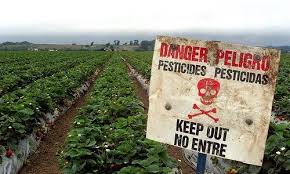 (Beyond Pesticides, December 17, 2018) Cardiovascular disease is a major cause of poor health and mortality across the world. Much is known about congenital and behavioral contributors to the disease, yet to date, little research has focused on potential environmental factors, including the possible contribution to cardiovascular disease (CVD) of exposures to toxic chemicals in the workplace. A recent study of CVD incidence among Hispanic and Latino workers, by Catherine Bulka, PhD, et al., has evaluated associations of self-reported exposures to organic solvents, metals, and pesticides with CVD.
The study was published in the journal Heart on December 11, 2018, and is first to evaluate the role of chemical exposures in the workplace in the incidence of CVD in this demographic sector. As do many scientific investigations, this one points to a need for further study of the links that emerged between such exposures and compromised cardiovascular health.
In an editorial in that same issue of Heart, commenting on the study, Dr. Karin Broberg of the Karolinska Institutet in Stockholm, Sweden, noted that “exposure to metals and pesticides is common worldwide, and this study highlights the need to better understand the risks that these exposures cause, and to limit exposure in the workplace, thus promoting cardiac health.” She also reminded readers that some pesticides cause oxidative stress, and that it, as well as other mechanisms, are likely to be important in understanding the impacts of such exposures. Oxidative stress is implicated as a mechanism of harm from pesticides, as noted by Beyond Pesticides in November 2018 in Daily News.
CVD has any number of risk factors, such as age, hypertension, obesity, elevated cholesterol levels, family history, and behavioral factors, such as smoking, diet, physical activity, alcohol consumption, and others. Chief among the types and outcomes of cardiovascular disease are coronary, peripheral, and carotid artery disease; heart failure; stroke; myocardial infarction (heart attack); cardiomyopathy; and cardiac arrhythmias.
The Heart study assessed data from health questionnaires completed by, and clinical examinations of, nearly 7,500 workers, aged 18–74, from a variety of occupations and industries. More than two-thirds of the study subjects had been in their current work positions for an average of 10 years. Researchers determined that 4.7% of the subjects — workers in Chicago, Miami, New York, and San Diego — are currently exposed to pesticides, 6.5% are exposed to organic solvents, and 8.5% are exposed to metals through their job activities. The research found a positive correlation between those exposures to pesticides (and to metals, to a lesser degree) and development of CVD; no such correlation appeared for organic solvents. (Metals exposure was significantly correlated only with atrial fibrillation.)
Of the multiple sub-types of CVD, the study finds the strongest correlation between pesticide exposures, and coronary heart disease and atrial fibrillation. For individuals who work with pesticides, prevalence for any CVD is 2.18%; for coronary heart disease, 2.20%; for cerebrovascular disease, 1.38%; for heart failure, 0.91%; and for atrial fibrillation, 5.92%. These figures reflect control for sociodemographic, acculturation, lifestyle, and occupational characteristics. As Science Daily reports, “After taking account of potentially influential factors, including lifestyle and workplace factors, exposure to pesticides was associated with nearly six-fold higher odds of atrial fibrillation, while exposure to metals was associated with nearly four-fold higher odds.”
The study authors noted that, “metal and pesticide exposures in the workplace were cross-sectionally associated with marked elevations in the prevalence of CVD. These results should be considered preliminary and interpreted with caution given the limitations of our study design; namely, our reliance on self-reported exposure status and cross-sectional data.” That said, the reports of CVD in subjects were shown to have high validity and were combined with electrocardiographic evidence. Because this study was observational, it cannot establish cause. But it does point researchers to the need to investigate further pesticide exposure as a risk factor for development of cardiovascular disease.
A 2016 meta-review of research by Azizah Wahab, et al., and published in the International Journal of Community Medicine and Public Health, concluded that, “individual pesticide evaluation revealed significant associat[ion] with non-fatal myocardial infarction. Organochlorine [pesticides are] significantly associated with peripheral arterial disease and stroke. In severe poisonings, [the] general impression is that cardiac abnormalities are common. This systematic review suggests that pesticide exposure is associated with increased risk of CVD and CVD mortality.”
Beyond Pesticides has previously written about the relationship between pesticide exposures and cardiovascular disease. In 2011, a Daily News article reviewed research that shows a relationship between exposure to organochlorine pesticides and the development of atherosclerosis, a precursor to CVD. Beyond Pesticides maintains its Pesticide-Induced Diseases Database to chronicle the range of diseases linked to pesticides through epidemiologic studies. The database, which contains hundreds of entries about epidemiologic and laboratory exposure studies, is regularly updated to track emerging knowledge.
All unattributed positions and opinions in this piece are those of Beyond Pesticides.
Sources: https://www.sciencedaily.com/releases/2018/12/181211190008.htm and https://heart.bmj.com/content/early/2018/10/23/heartjnl-2018-313463
Posted in Cardiovascular Disease, Uncategorized by: Beyond Pesticides
No Comments
14
Dec
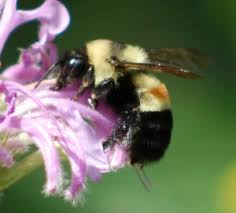 (Beyond Pesticides, December 14, 2018) The richness, diversity, and abundance of wild bumblebees in Vermont has plummeted over the last century, according to an analysis from researchers at the University of Vermont and Vermont Center for Ecostudies (VCE). This research adds fresh evidence to the growing realization that mankind is witnessing and contributing to, as the New York Times recently labeled, a worldwide insect apocalypse. “We’re losing bumblebees even before we fully understand their benefits to our economy and well-being, or how they fit into ecosystems,” said Kent McFarland, study coauthor and conservation biologist at VCE in a press release.
Researchers conducted surveys with the help of 53 trained citizen scientists. Alongside the researchers, these individuals surveyed bumblebee populations through a combination of photos of wild bees and net collections. In total, over 81% of the state’s municipalities were included in the survey, representing all of Vermont pollinator’s biophysical regions.
These data, consisting of over 10,000 bee encounters, were then compared to a database of almost 2,000 historical public and private insect collections amassed by researchers. With the first records beginning at 1915, scientists are able to compose a century-long assessment of pollinator populations in Vermont.
“These collections are priceless,” said coauthor Sara Zahendra of the historic bee collections used in the study. “Decades ago, students and biologists likely had no idea that some of the species they were collecting would completely disappear. Without these collections, we wouldn’t know how our bee populations have changed.”
According to the results, of the 17 bumblebee species considered native to Vermont, four showed evidence of significant declines, and four are simply not detected, leading researchers to the conclusion they are likely to be locally extinct.
Of note are two species, Bombus affinis, the rusty patched bumblebee, and Bombus ashtoni, the Ashton’s Cuckoo Bumblebee, which researchers found to be historically prevalent but locally extinct per the recent count. The rusty patched bumblebee was recently listed as endangered under the endangered species act, surviving a reevaluation of the decision by the Trump administration. “This investigation confirms our fear that the Rusty-patched Bumble Bee is almost certainly extinct in Vermont and may never be back,” said Mr. McFarland. “We hardly knew it – and now it’s gone.” Alongside the local extinction of the rusty patched is the extirpation of a dependent species, the Ashton’s Cuckoo, which survived by infiltrating rusty patched bumblebee colonies, and enslaving workers to feed its own young.
Researchers indicate that although some species, such as Bombus impatiens, the common eastern bumblebee are expanding in part due to their use as managed pollinators in agriculture, overall Vermont’s pollinators experienced significant declines in species richness (the number of different species found), abundance (the number of pollinators found), and diversity (a measure of species richness and relative abundance).
“Our next step is to move from investigation toward solutions,” said Mr. McFarland. “But those solutions will take hard work and partnerships among federal and state agencies, conservation research groups like ours, and the public.”
Overwhelming research indicates that neonicotinoids and other systemic insecticides are critical factors in the decline of both managed and native pollinator populations throughout the world. Neonicotinoid pesticides are particularly dangerous to bees because plants absorb them through the roots, rendering all plant parts toxic to insects,” said Leif Richardson, PhD, an ecologist with UVM’s Gund Institute for Environment and Rubenstein School of Environment and Natural Resources. “This includes pollen and nectar, essential components of the bee diet.”
The Vermont state legislature has begun to take steps to address the use of these pesticides as seed treatments, which put nearby wild and managed pollinators at risk of toxic dust drift during the planting process, but has failed to take a broader comprehensive response to the crisis as nearby Connecticut did in 2016.
The scope of this crisis cannot be underestimated. Evidence is mounting that pollinators are simply the canary in the coal mine – the most charismatic examples of an insect world that is experiencing apocalyptic levels of decline.
A recent New York Times article on this crisis provides a sober outlook from renown ecologist E.O Wilson:
“E.O. Wilson has written of an insect-free world, a place where most plants and land animals become extinct; where fungi explodes, for a while, thriving on death and rot; and where “the human species survives, able to fall back on wind-pollinated grains and marine fishing” despite mass starvation and resource wars. “Clinging to survival in a devastated world, and trapped in an ecological dark age,” he adds, “the survivors would offer prayers for the return of weeds and bugs.”
There is still time to change our trajectory. More than ever, individuals must connect with their local, state, and federal elected officials and demand changes that protect pollinators and other insect populations. As evidenced by Connecticut and Maryland, and dozens of local pollinator protection policies, concerted efforts by beekeepers and grassroots advocates can create lasting positive change.
For more information on how to get active in you state or community to safeguard pollinators, visit Beyond Pesticides’ Bee Protective webpage or give the office a call at 202-543-5450.
All unattributed positions and opinions in this piece are those of Beyond Pesticides.
Source: Phys.Org, Journal of Insect Conservation
Posted in Biodiversity, Pollinators, Uncategorized, Vermont by: Beyond Pesticides
No Comments
13
Dec
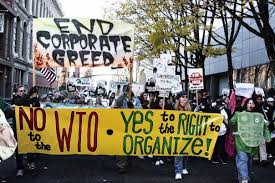 (Beyond Pesticides, December 13, 2018) The U.S. is pushing back against international standards that restrict pesticides by appealing to the World Trade Organization (WTO) to intervene. At issue are new EU maximum residue levels (MRLs) on food for the following pesticides: buprofezin, diflubenzuron, ethoxysulfurom, ioxynil, molinate, picoxystrobin and tepraloxydim.
Advocates are concerned that a U.S. challenge to stronger EU standards could cause the WTO to force a weakening of standards internationally. Most significantly, EU proposed lowering its MRLs on imports. The EU said lower MRLs are needed to protect consumers, as research shows pesticides are shown to be carcinogenic, and that, contrary to chemical-industry claims, no level of allowable exposures can be assumed. Taking issue with the new MRLs – as with all other STCs mentioned above – the U.S. said new MRLs would cause barriers to trade, and therefore, must be rejected by the WTO. Advocates point to the introduction of GMOs as an example of the U.S. using the WTO to block standards that restrict potentially hazardous products.
Recently, the U.S. has been involved in four of five new specific trade concerns (STCs) raised before WTO. As part of reviewing the current agreement of the Committee on Sanitary and Phytosanitary – which works to ensure protections for humans, animals and plants while avoiding barriers to trade – one STC the U.S. disliked was the Vietnamese National Assembly’s Livestock Production Law. The proposed livestock law would impose an import ban on livestock products produced with the use of chemicals prohibited for domestic production in Vietnam.
The U.S. also expressed its dislike of an EU Court of Justice decision on “mutagenesis” – a process of inducing mutagenic changes –requiring that all organisms obtained through mutagenesis undergo the same risk assessment and review requirements, labeling, monitoring and traceability laws as those imposed on genetically-modified organisms (GMOs).
The EU has shown time and time again that it will enact stricter pesticide regulations than the U.S. Back in 2005, (EU) environment ministers agreed to uphold five national bans on GMOs. However, the U.S. once again claimed bans on GMOs were barriers to trade and must not be honored. “[EU countries] are overwhelmingly opposed to GM food,” said Friends of the Earth’s GM campaigner Emily Diamand in 2005, “[It] is outrageous that [the U.S. government] should try and stop other countries saying no to GM.”
In her book Stolen Harvest: The hijacking of the global food supply, Vandana Shiva, PhD, says, “The right to food, the right to safety, the right to culture, are all being treated as trade barriers that [for the continuation of the WTO] need to be dismantled.” Dr. Shiva continues, “[The WTO’s] Agreement on Agriculture legalizes the dumping of genetically-engineered foods on countries and criminalizes actions to protect the biological and cultural diversity on which diverse food systems are based.”
Whether by releasing GE/GMOs or rejecting the EU’s lower MRLs, advocates believe the move is the latest in a series of attempts by the U.S. to block other countries’ decisions to protect their environment, human health and social standards. Consequently, the WTO takes power away from the people and their local governments and allows corporations to overpower them. This is done all in the name of free trade, or what Dr. Shiva deems “forced trade.”
This holiday season, start your own local movement. Talk with your friends and family about sourcing foods from local organic farms. Talk with grocery store owners about where they source their produce, reminding them how organic food consumption lowers cancer risk. Request that they support local organic farmers and follow up to ensure progress is made. Live by the mantra “Think Globally, Act Locally” because, as Dr. Shiva states, “This food totalitarianism can only be stopped through major citizen mobilization for democratization of the food system.”
All unattributed positions and opinions in this piece are those of Beyond Pesticides.
Source: Food Safety News
Posted in contamination, Contamination, Corporations, Disease/Health Effects, Genetic Engineering, International, Labeling, Mutagenesis, Pesticide Regulation, Uncategorized by: Beyond Pesticides
No Comments
12
Dec
 (Beyond Pesticides, December 12, 2018) Costa Rica is currently experiencing exponential growth in its banana and pineapple farming industries and with it an increase in intensive pesticide applications. Recent studies in Costa Rica identified evidence of increasing fur discoloration in black mantled howler monkeys ((Alouatta palliata) as a result of their exposure to sulfur-based pesticides. Coloration in Howler monkeys are limited to black, gray, and dark brown, but researchers found several monkeys with yellow patches on their tails and legs. The change in pigmentation is directly correlated to the consumption of plants inadvertently exposed to sulfur-based pesticides sprayed at (and drifting from) nearby farms. The use of pesticides is not only hazardous to nearby wildlife, but communities as well. It is an issue that seems to play out repeatedly both in Costa Rica and in the U.S. The use of pesticides, and more importantly pesticide drift, continues to be a pervasive issue with severe human and environmental health consequences.
Pesticide drift occurs in the form of mist, particles, or vapor (gas) and are usually carried by air (and oftentimes water) currents. Typically, fumigants (gaseous pesticides) are most likely to drift. When used, pesticides regularly spread further than the established application site and contaminate surrounding land and waterways through runoff. Leaching of pesticides into waterways result in short-term and long-term detrimental impacts in and around tracks of treated farmland. With continued investment and expansion in these industries, Costa Rica has seen a dramatic increase in the use of pesticides and other agrochemicals. Costa Rica is revered ecologically with over 52 percent forest cover and has one of the highest biodiversity densities in the world. It also has well established banana and pineapple industries that account for approximately $2 billion of its US $57.44 billion GDP that heavily employs agrochemicals in attempting to enhance growth and crop yield. Banana and pineapple farming are intensely managed agroecosystems with high inputs of synthetic chemicals, generally in the form of pesticides and fertilizers.
Exposure to excessive amounts of agrochemicals often results in internal and external damage to organisms exposed. Melanogensis, for example, is the process of providing pigmentation in animals and humans and when exposed to pesticides can cause in an alternation in the melanin from eumelanin (darker pigmentation) to pheomelanin (lighter pigmentation, i.e. yellow, red, or orange tones). In addition to altered pigmentation, excessive exposure often results in sensitivity to light, skin irritation and cancer. In addition to pigmentation bleaching, the use of pesticides in this region have adversely impacted surrounding communities resulting in increased incidences of epithelial damage, gastrointestinal issues, nervous system disorders, eye irritations and birth defects.
Costa Rica is not alone in its struggle to prevent adverse impacts associated with pesticide drift and the adverse side effects of exposure. Since pesticide drift is an unintended consequence of pesticide application, limiting or preventing drift falls solely on standards put in place by federal, state, and/or local governments. For the most part, current regulations in the U.S. have proved inadequate to prevent drift, but there are those attempting to move in the right direction. California, for example, is noted to have historical environmental justice concerns surrounding failures to prioritize community health over industry profits, while simultaneously having strict standards limiting applications to minimize drift on the books. Other areas, like Iowa, are having a difficult time gaining the support needed to pass protective measures.
Pesticide drift is a pervasive issue impacting communities surrounding intensive farming operations. The production of many cash crops, like pineapples and bananas, adversely impact human and environmental health. Supporting the use of alternative practices such as polyculture rather than monoculture; mulching around the base of the plant, animal integration and other organic practices can assist eliminate the need for pesticides and therefore the likelihood of pesticide drift.
For more information on the dangers of pesticide drift, see Beyond Pesticides Daily News sections for Pesticide Drift and Environmental Justice
All unattributed positions and opinions in this piece are those of Beyond Pesticides.
Source: Science Magazine and NPIC
Posted in Agriculture, Pesticide Drift, Sulfur, Uncategorized by: Beyond Pesticides
No Comments
11
Dec
 (Beyond Pesticides, December 11, 2018) Meltwater and runoff from Alaskan glaciers contain detectable levels of organochlorine pesticides that bioconcentrate in fish and put individuals at risk, according to a new study from researchers at the University of Maine (UMaine). DDT, lindane, and other organochlorines have been detected throughout the world, even in natural areas thought to be untouched, and pristine. As UMaine scientists show, the atmospheric transport and ubiquitous deposition of these pesticides continues to pose risks to U.S. residents long after regulations banned their use.
Although most of the highly toxic class of organochlorine pesticides like DDT were banned in the early 1970s, some chemicals retained certain uses. Lindane, for example, had its pest management uses phased out gradually until 2007, but is still allowed today as a scabies and lice shampoo. While use of these pesticides has declined in the U.S., much of the developing world, including many Asian countries, such as China, India, and North Korea, still report use. This results in atmospheric transport of the pesticides, and relevant to the UMaine research, increases the likelihood that the chemicals will eventually be deposited onto Alaskan glaciers through snow or rain.
The UMaine research team investigated the amount of DDT and lindane historically and recently deposited into the Jarvis Glacier, located in Eastern Alaska northwest of Juneau. Researchers analyzed glacial meltwater and ice core samples down to the bedrock.
Results found that ice core samples taken between 20 and 45 feet contained the highest concentrations of organochlorines, with concentrations decreasing closer to bedrock. Meltwater generally contains slightly higher levels of pesticides than any ice core sample taken. Although concentrations detected are low and none exceeded 1.12 ng/L, researchers indicate that the risk is not direct exposure, but the bioconcentration of these chemicals up the food chain.
In UMaine’s press release, study coauthor Kimberly Miner, PhD, indicates that even with low levels of organochlorines, both adults and children who regularly consume fish in contaminated streams are at increased risk of cancer, as their consumption levels are likely to exceed EPA thresholds. She indicates that children are particularly vulnerable, and as climate change accelerates the rate of melting, these concerns are only likely to intensify. “This secondary impact of climate change will be felt most strongly by children, and needs to be addressed in a comprehensive way,” Dr. Miner said. Organochlorine contamination not only puts individuals at health risks, it jeopardizes the traditions and subsistence way of life for many Alaskan native peoples, necessitating significant investment in culturally appropriate solutions.
Research published earlier this year links mothers’ DDT exposure to increased rates of autism in their children. In 2016, a similar study found that mothers with organochlorine contamination in the highest 25th percentile had an 80% increased risk of giving birth to a child that develops autism. DDT and its breakdown products are known endocrine disruptors and have been linked to breast cancer, and early menopause. Lindane is considered by the world health organization to be in the highest cancer classification – carcinogenic to humans (Group 1), but, despite this, risk is still allowed for use by the Food and Drug Administration (FDA).
The dangers posed by long-banned pesticides highlights the ongoing deficiencies in regulating persistent pesticides. For example, DDT, though banned for use in the U.S. in 1972, continued to be produced in the U.S. and exported throughout the world into the late 1980s. This is the case with a number of toxic pesticides – banned for use in the U.S., but not for export to other countries. It is incumbent on U.S. lawmakers and regulators to enact protections in a manner that makes us a model for the world, rather than shifting hazards to developing countries. To the extent that we are aware of the hazards of pesticides, have cancelled some or all of their uses, and are aware of a country’s limited capacity to enforce label restrictions on use, training, and protective equipment, it is unconscionable to export hazardous pesticides. As this study reveals, such failures to stop the exportation of hazardous pesticides are likely to come back to harm us in the long run.
For more information on the dangers posed by long-banned pesticides, see Beyond Pesticides Daily News sections for DDT and lindane.
All unattributed positions and opinions in this piece are those of Beyond Pesticides.
Source: Water-OpenAccessJournal, University of Maine PR
Posted in Alaska, Climate Change, DDT, Environmental Justice, organochlorines, Uncategorized by: Beyond Pesticides
No Comments
10
Dec
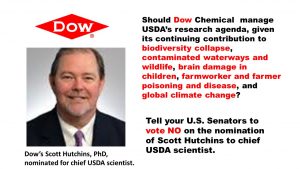 (Beyond Pesticides, December 10, 2018) The Senate Agriculture Committee has cleared the way for the whole U.S. Senate to vote on the confirmation of Scott Hutchins, PhD, recently retired from research and management at what is now the agricultural division of DowDuPont, as chief scientist at the U.S. Department of Agriculture (USDA). If confirmed, he will become the third member of Dow’s pesticide and seed division to hold a high-level position in the Trump administration’s USDA.
Tell your U.S. Senators to Reject Dow’s Hutchins as USDA Chief Scientist.
Dr. Hutchins has a history of defending toxic pesticides like Dow’s chlorpyrifos, which makes him unsuitable for leading USDA’s research on the future of the U.S. food system. The chief scientist at USDA can determine the direction of USDA research–which should be shaped by an organic, rather than a chemical-intensive, vision. USDA needs a chief scientist who will help farmers get off the pesticide treadmill and adopt organic practices that address critical issues of protecting farmer and farmworker health, water resources, biodiversity, and soil health, while reducing the escalating crisis in global climate change. USDA’s research mission must be focused on sustainability and protect farmers, families, and the environment.
Since 1987, Dr. Hutchins has worked in addressing problems with chemical solutions at Dow AgroSciences’ pesticide and seed division, renamed Corteva Agriscience last year when it was spun off from the newly-merged DowDuPont, where Hutchins held the position of Corteva’s global leader of integrated field sciences, after serving as Dow AgroSciences’ global director for crop protection R&D.
Dow, which contributed $1 million to Trump’s inauguration in March 2017, got paid back when the EPA reversed its ban of chlorpyrifos. Other former high-level Dow employees appointed to the Trump USDA are former Dow AgroSciences lobbyist Ted McKinney, confirmed as USDA undersecretary for trade, and Ken Isley, appointed without need for Senate confirmation as head of the Foreign Agricultural Service. Rebekah Adcock, an advisor to Secretary Perdue, who was a lobbyist at CropLife America, a pesticide industry lobby group that includes Corteva. At EPA, former Dow lawyer Peter Wright has been nominated as assistant administrator of the EPA office that manages the Superfund program and other chemical hazards programs
Tell your U.S. Senators to Reject Dow’s Hutchins as USDA Chief Scientist.
Letter to Senators:
I am writing to urge you to reject the nomination of Scott Hutchins, PhD as USDA Chief Scientist. If confirmed, he will become the third member of Dow Chemical’s pesticide and seed division to hold a high-level position in the Trump administration’s USDA.
Dr. Hutchins has a history of defending toxic pesticides like Dow’s chlorpyrifos, which makes him unsuitable for leading USDA’s research on the future of the U.S. food system. Since 1987, Hutchins has worked in addressing problems with chemical solutions at Dow AgroSciences’ pesticide and seed division, renamed Corteva Agriscience last year when it was spun off from the newly-merged DowDuPont, where Hutchins holds the position of Corteva’s global leader of integrated field sciences, after serving as Dow AgroSciences’ global director for crop protection R&D.
The chief scientist at USDA can determine the direction of USDA research–which should be shaped by an organic, rather than a chemical-intensive vision. The USDA needs a chief scientist who will help farmers get off the pesticide treadmill and adopt organic practices that address critical issues of protecting farmer and farmworker health, water resources, biodiversity, and soil health, while reducing the escalating crisis in global climate change. USDA’s research mission must be focused on sustainability and protect farmers, families, and the environment.
Thank you.
Sincerely,
Posted in Agriculture, Dow Chemical, Take Action, Uncategorized, US Department of Agriculture (USDA) by: Beyond Pesticides
No Comments
07
Dec
 (Beyond Pesticides, December 7, 2018) As medicinal and recreational marijuana continue to be legalized in various states, concerns about the safety of the burgeoning industry — how the substance is grown, harvested, processed, distributed, sold, and used — have emerged. Colorado’s recent experience is a case in point: in early December, the state’s Marijuana Enforcement Division (MED) announced two recalls on cannabis products out of concern about their contamination by pesticide residues.
In both cases, the recall announcements from the Colorado Department of Revenue, in conjunction with the Colorado Department of Agriculture (CDA) and the Colorado Department of Public Health and Environment, said that the state agencies “deem it a threat to public health and safety when pesticides that are not on the list of approved pesticides for marijuana use as determined by CDA are applied in a manner inconsistent with the pesticide’s label.” Three off-label pesticides were listed in the recall announcement. Pyriproxyfen was found in samples tested from Colorado Wellness Centers LLC (dba Lush), and bifenthrin and diuron were found in samples from Crossroads Wellness LLC (dba Boulder Botanics). None of those compounds is approved by Colorado for use on marijuana; two are listed as possible carcinogens by the U.S. Environmental Protection Agency (EPA).
At roughly the same time came news out of California of a decidedly human glitch in that state’s recreational cannabis rollout: when the state’s new, mandated, and rigorous cannabis testing protocols became operational on July 1 of 2018, a lab director — at Sequoia Analytical Labs of Sacramento — allegedly began to falsify analyses of hundreds of batches of cannabis that went out to retailers. The alleged fraud continued for some months, without the knowledge of anyone else at the company, until — suspicious because of an unusual format of test reports that were submitted to it — the Bureau of Cannabis Control conducted an unannounced inspection of Sequoia’s laboratory. Reportedly, the lab director acknowledged that he’d falsified the reports, saying that some testing equipment was not functioning, and that he “just kept thinking [he] was going to figure it out the next day,” according to Sequoia’s general manager. The lab director was fired the day after the inspection, and the company voluntarily surrendered its cannabis testing license for 2018, although it hopes to regain it for 2019.
It is somewhat heartening that Colorado’s recalls represent a relatively cautious approach in response to the discovery of the three prohibited pesticide residues. John Scott of the CDA’s Pesticide Division, remarked, “No one’s done the risk assessments to determine that this specific parts per million on cannabis would still be safe. . . . That’s really the unknown and why we’ve taken the approach — a very precautionary approach.” He also noted that MED may issue more recalls if its enhanced mandatory pesticide testing for growers evidences the need. As increasing numbers of states were legalizing medical marijuana, Beyond Pesticides laid out the concerns — health and safety, and environmental — related to contamination of cannabis with pesticides, as well as a survey of what states were doing by way of regulation, in the Winter 2014–2015 issue of its journal, Pesticides and You.
There are multiple (and confusing) layers to the legal cannabis landscape. For starters, legalization of medical or recreational cannabis by states happens within a federal legal system that continues to designate marijuana as a Class I illegal substance. Legal, legislative, and regulatory scrambling in the states — to catch up to a growing industry with which legislation and regulation have not kept abreast — arises in part from this federal conundrum.
Beyond Pesticides has maintained that pesticide use on cannabis is illegal. Because cannabis is not a legal agricultural crop under relevant federal law (FIFRA, the Federal Insecticide, Fungicide, and Rodenticide Act), EPA has not evaluated the safety of any pesticide on cannabis plants. EPA has established no restrictions for pesticides used in cannabis production, and no tolerances, nor any exemptions from tolerances, for allowable pesticide residues on cannabis. As a result, EPA-permitted pesticide labels do not contain allowances for pesticide use in cannabis production.
As Beyond Pesticides wrote in 2015, “In the absence of federal regulations governing pesticides in cannabis production, the use of pesticides not registered by [EPA] is understood to be illegal. Several states have codified this understanding by adopting policies that prohibit all federally registered pesticides. Other states have taken the position that state policy is unnecessary, since EPA has not registered any pesticides for cannabis production and registered pesticide use is illegal. A review of state laws conducted by Beyond Pesticides finds a patchwork of regulations with varying degrees of protection for consumers and the environment.”
Beyond Pesticides wrote to the Colorado Department of Agriculture in 2015 to detail its objection and highlight the nature of the problem with the agency’s March 2015 issuance of its memo, Criteria for Pesticides Used in the Production of Marijuana in Colorado — a document that set out the parameters of permitting for use of certain pesticides on cannabis crops. Subsequently, Governor John Hickenlooper issued an Executive Order “directing state agencies to address public safety concerns related to pesticide-contaminated cannabis. The next day, the state of Oregon adopted new rules strengthening its requirements for laboratory testing of cannabis for pesticides.”
Colorado, Washington State, and Oregon have all taken steps to list “allowable” pesticides for marijuana cultivation. California began in June 2018 to set out parameters for testing of cannabis; at this juncture, all cannabis for medical and recreational use must be tested for 66 different proscribed pesticides, as well as for other contaminants, such as E. coli, feces, mold, insect and rodent parts, mycotoxins, terpenoids, and heavy metals. The regulatory matrix in the states is dynamic, and events such as Colorado’s recalls and California’s fraudulent lab reporting may spur further adjustments.
A genuinely precautionary approach would go well beyond catching prohibited pesticide (and other) contaminants in cannabis. Particularly absent thorough federal testing of potential effects of the use of pesticides on cannabis for consumers, producers, and the environment, states should provide clear rules for sustainable production practices that would protect public health and the environment. Beyond Pesticides recommends that states establish laws and/or regulations that mandate a systems-level approach to cannabis production. A requirement, for example, that growers and processors follow the dictates of national organic standards would be prudent, precautionary, and a positive trajectory for the cannabis industry. Read more about Beyond Pesticides’ coverage of cannabis and pesticides here and at its Daily News archival page on the topic.
All unattributed positions and opinions in this piece are those of Beyond Pesticides.
Sources: http://www.kunc.org/post/state-taking-precautionary-approach-pesticides-found-marijuana#stream/0 and https://www.leafly.com/news/industry/sequoia-analytics-surrenders-license-for-faking-lab-data
Posted in Bifenthrin, Cannabis, Diuron by: Beyond Pesticides
No Comments
06
Dec
 (Beyond Pesticides, December 6, 2018) A recent analysis of annual drinking water quality reports has revealed that many community drinking water systems in the Midwest have seasonal exceedances of the allowable limit for the herbicide atrazine. Atrazine, linked to endocrine disruption, neuropathy, and cancer, is the second most widely used pesticide in corn growing areas, with over 73 million pounds applied to agricultural fields each year. A 2009 study by Paul Winchester, MD, professor of clinical pediatrics at Indiana University School of Medicine and a neonatologist at St. Francis Hospital in Indianapolis, linked birth defects to time of conception, with the greatest impact on children conceived when concentrations of atrazine and other pesticides are highest in the local drinking water. (See Reproductive Effects Peak with Pesticide Exposure.)
During peak use, atrazine levels in drinking water have been recorded at three to seven times above the legal limit. In addition to the well documented impact on the environment, recent studies have linked prolonged pesticide exposure to not only shortened gestation and preterm birth for women, but also neurodevelopment delays in children. Ultimately, these unreported seasonal peaks may result in persistent adverse health impacts in impacted communities.
The Safe Drinking Water Act (SDWA), enacted in 1974, was developed with the mission to ensure the quality of the nation’s drinking water. This statute authorized EPA to set national drinking water standards in order to protect citizens against the health effects of harmful contaminant exposure. Unfortunately, while SDWA requires utilities to frequently test drinking water (hourly, monthly, quarterly, and annually, depending on the location and size of the public water system), the statute only requires compliance testing once a year. SDWA requires water utilities to report annual averages of testing for chemicals and pesticides. The summary of this annual testing is then compiled and released within its Consumer Confidence Report (CCR) to its customers. This is problematic since many pesticides are used seasonally resulting in seasonal spikes over established legal limits and the impacted communities are not notified during the time of exposure. Instead these peaks are buried under scores of data collected.
Water utilities are familiar with persistent pollution from atrazine application. In 2012, water utilities settled a class action lawsuit against the manufacturer of atrazine, Syngenta, to clean up atrazine contamination of its treated water. Even at levels established as “safe” or acceptable by EPA drinking water standards, atrazine is linked to endocrine disrupting effects. EPA is not adequately assessing the effects of atrazine by using high dose testing models, which are not appropriate for hormonally-active substances that often show effects at minute doses of endocrine disruptors. Studies by Tyrone Hayes, Ph.D., University of California, Berkeley, and others have shown that concentrations as little as 0.1ppb interferes with mammary gland development in the breast of mammals and is linked to certain birth defects like gastroschisis and choanal atresia, which are significantly increased for pregnant women with high levels of atrazine exposure in agricultural areas and from urban streams.
The European Union and many countries have banned atrazine, however EPA continues to put U.S. citizens and the environment in harm’s way, allowing nonstop use of this toxic chemical.
The evidence is clear. Not only does atrazine adversely affect human and environmental health, but both regulatory agencies and water utilities are failing to ensure that the drinking water distributed is devoid of hazardous chemicals and pesticides. SDWA must be updated to require water quality data information and notification on seasonal spikes of hazardous chemicals like atrazine when it occurs. To allow for delays and inaction jeopardizes both human and ecological health.
All unattributed positions and opinions in this piece are those of Beyond Pesticides.
Source: Environmental Working Group
Posted in Agriculture, Atrazine, Miscarriage, Reproductive Health, Syngenta, Uncategorized, Water by: Beyond Pesticides
3 Comments
05
Dec
 (Beyond Pesticides, December 5, 2018) The Environmental Protection Agency (EPA) has denied a petition seeking to ban M-44s — cyanide-spraying apparatuses used to kill coyotes, foxes, and wild dogs that may prey on livestock. Submitted to the EPA in August 2017 by the Center for Biological Diversity, WildEarth Guardians, the Humane Society of the U.S., Natural Resources Defense Council, Predator Defense, the Sierra Club, and a number of other conservation, wildlife, and environmental organizations, the petition sought cancellation of the registration of cyanide capsules used in M-44s and a functional ban on their use in the “lower 48” states because of their danger to non-target wildlife, domestic pets, and people. In its letter of denial, EPA noted that it “is currently reviewing these products using the Registration Review process and sees no reason, and the Petition provides none, to start a parallel process using Special Review proceedings to look at the same issues.”
Although the word “pesticide” generally conjures thoughts of a chemical meant to kill insect “pests,” whether sprayed on crops, coated onto seeds, or in the kit bag of an “exterminator” whose business it is to rout out some infestation in a home or building, these two compounds — sodium cyanide (used in M-44s) and the so-called “compound 1080,” another chemical employed on wildlife — qualify for the term. They are chemical approaches to “controlling” organisms considered by some to be “pests” — those whose presence and activity are deemed inconvenient or destructive to some economic interests.
For M-44s and compound 1080, those target organisms are coyotes, foxes, and wild dogs, which are regarded by ranchers as threats because they sometimes prey on livestock. These chemicals represent public safety and health risks, at the very least. The sodium cyanide capsules used in m-44s are triggered to burst when touched, and will spray the poison up to five feet from the device — into the mouths of animals that are attracted to the devices by odoriferous bait, and then may be killed or injured by the cyanide. The chemical is produced from dangerous hydrogen cyanide gas, and has both acute and long-term effects. Acute impacts of low-dose ingestion or inhalation include nausea, vomiting, tachycardia, headache, and dizziness; larger-volume exposure via any route can cause loss of consciousness, injury to lungs, hypotension, bradycardia, convulsions, and respiratory failure that can lead to death. Longer-term health effects in survivors of poisoning may include cardiac and neurological damage.
Compound 1080 is used legally in the U.S. only in “livestock protection collars,” which are worn on domestic animals’ necks. The toxic chemical is ingested if a predator, such as a coyote, pierces the collar while attempting to take down the animal. The use of these collars is administered by the U.S. Department of Agriculture’s Animal and Plant Health Inspection Service’s Wildlife Services program, which allows them in Idaho, Montana, New Mexico, South Dakota, Texas, Utah, West Virginia, and Wyoming. Compound 1080 (sodium fluoroacetate or sodium monofluoroacetate) is a water-soluble, odorless, colorless, tasteless, and lethally toxic poison with no antidote; a single teaspoon could kill as many as 100 adult humans. It causes basic cellular process to fail, leading to gross organ failure and a very painful death.
Compound 1080 has a 70-year history in the U.S.: it was introduced in the late 1940s for rodent and coyote control, but was banned by President Nixon in 1972 because of its unintended lethality for grizzly bears, eagles, and hawks. In 1985, the Reagan administration EPA overturned the ban and approved the use of poisoned collars on sheep and goats. The Tull Chemical Company in Oxford, Alabama is the only legal producer of the compound in the U.S.; most of its product is exported to New Zealand, where it is used to control populations of opossums, rats, stoats, deer, and rabbits, which there are invasive species.
Also in 2017, a group of advocate organizations acted on compound 1080, petitioning EPA to issue “a Notice of Intent to Cancel the registration of sodium fluoroacetate (commonly known as ‘Compound 1080’ or sodium monofluoroacetate), a toxicant registered for use in ‘livestock protection collars.’” The petition noted that “Cancellation of a pesticide’s registration is warranted where the ‘pesticide or its labeling or other material required to be submitted does not comply with the provisions of [FIFRA Subchapter II] or, when used in accordance with widespread and commonly recognized practice, generally causes unreasonable adverse effects on the environment.’ Here, the registration must be suspended because EPA has not made the necessary finding, after public notice and comment, that coyotes are ‘pests,’ and as such, use of Compound 1080 to kill coyotes (Canis latrans) does not comply with the provisions of FIFRA, Subchapter II.3.” Co-petitioners included the Animal Welfare Institute, the Animal Legal Defense Fund, the Center for Biological Diversity, Project Coyote, and Predator Defense. There has not yet been a publicly available response to this petition.
Both of these petition efforts followed by a decade the submission of an earlier request to the EPA by Beyond Pesticides, Public Employees for Environmental Responsibility (PEER), Forest Guardians, Predator Defense, Western Wildlife Conservancy, the Sierra Club, and several other animal welfare groups, asking that the agency issue a Notice of Intent to Cancel the registration of both M-44 sodium cyanide capsules and compound 1080.
The 2017 petition on M-44s, now denied by the EPA, followed events in that same year in which the devices temporarily blinded a child and killed three pet dogs in two different incidents (in Idaho and Wyoming). A wolf was also accidentally killed by an M-44 in Oregon in 2017. Shortly after that spate of incidents, Representative Peter DeFazio of Oregon re-introduced legislation — The Chemical Poisons Reduction Act of 2017 — on which Predator Defense has been working for years, to ban the uses of compound 1080 and M-44s with cyanide capsules in predator control efforts.
The number of animals killed by compound 1080 is unclear. Wildlife Services set it at 26 for 2010, but Predator Defense claims that number is likely “grossly underestimated, and that Wildlife Services actively covers up non-target kills, especially the deaths of pets and endangered species.” The organization also says that M-44s cause 10,000–15,000 animal deaths annually, with an unknown number of those being domestic pet dogs. According to Wildlife Services, M-44s killed 13,232 animals in 2017; most were coyotes and foxes, but more than 200 were nontarget animals (a wolf, pet dogs, opossums, raccoons, ravens, and skunks). According to the Sacramento Bee, 18 Wildlife Services employees (and several other people) were exposed to cyanide by M-44s from 1987 through 2012, and during the 2000–2012 period, the devices killed more than 1,100 dogs. National Geographic further reports that of 76,963 coyotes killed in 2016 for livestock protection, 12,511 were felled with M-44s, and that Wildlife Services spends more than $120 million a year killing animals deemed “nuisances” to humans.
On Wildlife Services accounting, the Center for Biological Diversity (CBD) notes, “Unfortunately these numbers are likely a significant undercount of the true death toll, as Wildlife Services is notorious for poor data collection and an entrenched ‘shoot, shovel, shut up’ mentality.” Advocates against these chemical killers of wildlife and domestic animals (never the mind collateral injury to humans) are adamant in their critique. CBD attorney and biologist Collette Adkins said of M-44s, “Cyanide traps are indiscriminate killers that just can’t be used safely. We’ll keep fighting for a permanent nationwide ban, which is the only way to protect people, pets and imperiled wildlife from the EPA’s poison.” Bethany Cotton, wildlife program director for WildEarth Guardians, added, “The government continues to prioritize the minority anti-wildlife ranching industry over making public lands safe for people, imperiled wildlife and companion animals. These dangerous, indiscriminate devices have absolutely no place on public lands, especially given no evidence exists that they actually reduce conflict [between wildlife and livestock].”
Predators are critical components of ecosystems, impacting the food web and regulating the effects other animals have on ecosystems — the very ecosystems that provide massive environmental and other benefits to humans. Read more about Beyond Pesticides work on issues that impact wildlife, and consider advocating with U.S. Representatives and Senators for legislation banning M-44s and compound 1080, such as H.R. 1817.
All unattributed positions and opinions in this piece are those of Beyond Pesticides.
Sources: https://www.eastidahonews.com/2018/11/epa-denies-petition-to-ban-m-44-cyanide-devices and https://www.biologicaldiversity.org/news/press_releases/2018/cyanide-bombs-11-26-2018.php
Posted in Compound 1080, Cyanide, Environmental Protection Agency (EPA), Wildlife/Endangered Sp. by: Beyond Pesticides
No Comments
04
Dec
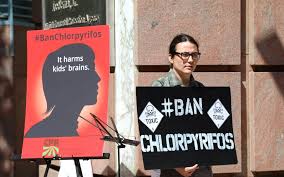 (Beyond Pesticides, December 4, 2018) In mid-November, the state whose agricultural operations used more than 900,000 pounds of chlorpyrifos in 2016 (down from two million pounds in 2005) moved to establish some temporary restrictions on its use. Regulators at the California Department of Pesticide Regulation (CDPR) issued interim restrictions on the compound while the agency works on a formal regulatory process to list chlorpyrifos as a “toxic air contaminant” and develop permanent restrictions on its use. A neurological toxicant, chlorpyrifos damages the brains of young children: impacts of exposure, even at very low levels, include decreased cognitive function, lowered IQ, attention deficit disorder, and developmental and learning delays. It was slated to be banned for food uses by the U.S. Environmental Protection Agency (EPA) last year, but the decision was reversed by the Trump administration.
The interim measures in California include: banning aerial application of chlorpyrifos; ending its use on many crops — except for those determined to be “critical” by virtue of there being few, if any, alternatives (as determined by the University of California Cooperative Extension and listed on DPR’s website); establishing a quarter-mile buffer zone for 24 hours after any application of the pesticide; and requiring a 24/7/365, 150-foot application setback from houses, businesses, schools, and other sensitive sites. The CDPR, it should be noted, is recommending, rather than requiring, implementation of the temporary restrictions beginning January 1, 2019 (note the “no weight of law” and “toothless” commentary, below).
Chlorpyrifos is a widely used organophosphate pesticide used on approximately 60 different crops, and most intensively on almonds, cotton, citrus fruits, grapes, corn, broccoli, sugar beets, peaches, and nectarines. It is also commonly used for mosquito-borne disease control, and on golf courses. Exposure to the pesticide has been identified repeatedly as problematic.
There is a broader context for the CDPR’s announcement. In 2015 the EPA proposed to revoke food residue tolerances of chlorpyrifos, which would effectively have banned use of the pesticide in agriculture; all residential uses had previously been withdrawn from the market in 2000. Then, early in 2017, with a new administration in place, then-EPA Administrator Scott Pruitt reversed the agency’s own proposal to ban the pesticide — a decision that happened just weeks after Mr. Pruitt met with the head of Dow Chemical Company, maker of the compound. Mr. Pruitt then falsely claimed the science on chlorpyrifos was “unresolved” and said EPA would study the issue — with no planned action — until 2022.
Next, in the summer of 2018, the U.S. Court of Appeals for the Ninth Circuit issued its decision in a suit, brought by a plethora of health, environmental, and labor groups represented by Earthjustice, asking that the 2017 Pruitt EPA order reversing the ban be vacated. (The attorneys general of New York, California, Washington, Massachusetts, Maine, Maryland, and Vermont also filed their own appeal calling for a ban.) The court ordered EPA to finalize its proposed ban on chlorpyrifos.
The Trump administration said it would appeal the court’s decision and, indeed, in the fall of 2018, the EPA and its new administrator, Andrew Wheeler, requested that the Ninth Circuit Court rehear the chlorpyrifos case in an en banc proceeding — one in which a case is heard before all the judges of a court rather than by a selected panel of them. (In the Ninth Circuit, this would typically mean 11 of its 29 judges.) EPA’s request is based primarily on challenges to that court’s authority in the matter.
Amid all this, states have begun to step up on the issue, with chlorpyrifos ban or restriction bills introduced in California, Hawaii, Maryland, and New Jersey. In June 2018, Hawaii became the first state to enact a ban on any use of chlorpyrifos. As of winter 2017–2018, there were some federal legislative efforts afoot: Senators Tom Udall (D-NM), Richard Blumenthal (D-CT), and eight cosponsors introduced the Protect Children, Farmers and Farmworkers from Nerve Agent Pesticides Act of 2017, S. 1624. Representatives Nydia Velázquez (D-NY) and 49 cosponsors introduced a companion bill, Pesticide Protection Act of 2017, H.R. 3380.
After the CDPR announced its intention to work toward a classification of chlorpyrifos as a “toxic air pollutant,” Beyond Pesticides put out the call for people to weigh in during the public comment period, encouraging them to insist on cancellation of the registration of the toxic pesticide altogether in the state. Beyond Pesticides noted, at the time, that the state’s Office of Environmental Health Hazard Assessment (OEHHA) had found that “those exposed to chlorpyrifos during 2004–2014 most often reported systemic symptoms (including headache, nausea, and dizziness), eye irritation, and respiratory complaints (breathing difficulties, cough, and throat irritation). Almost 90% of those reporting such symptoms were bystanders [rather than applicators, e.g.]. . . . Many studies link exposure to chlorpyrifos to developmental neurotoxicity at very low rates of exposure,” as was confirmed by the state’s Proposition 65 Developmental and Reproductive Toxicant Identification Committee.
Given the plentiful evidence of the toxicity of Dow’s chlorpyrifos to humans (especially babies and young children), the public health and environmental communities have criticized this temporary set of restrictions as wholly inadequate. Pesticide Action Network (PAN) called the interim measures “toothless,” and insists that the compound should be removed from the market entirely. PAN’s Paul Towers said, “Unfortunately, these are voluntary recommendations for local officials that have no weight of law behind them. . . . Instead of taking this brain-harming pesticide off the market, California officials are again passing the buck.”
Mark Weller, co-director of Californians for Pesticide Reform, has said, “This dragged-out process . . . is just confirming everything that we already knew, and that decades of scientists have already shown: that very small amounts, tiny amounts of chlorpyrifos exposure, especially prenatal exposure[s], lead to extremely concerning outcomes.”
On the ground, the impacts of continuing to “kick the can down the road” are real. The CDPR website notes: “In September 2018, following extensive scientific review and public comment, DPR proposed designating chlorpyrifos as a ‘toxic air contaminant,’ which California law defines as an air pollutant that may cause or contribute to increases in serious illness or death, or that may pose a present or potential hazard to human health. A 45-day public comment period on the proposed designation closed on Nov. 9. Following designation of chlorpyrifos as a toxic air contaminant, DPR is required to consult with other state and local agencies — including the Office of Environmental Health Hazard Assessment, the California Air Resources Board, CAC’s and local air districts — to determine what permanent mitigation measures are needed. This regulatory process could take up to two years to complete [italic emphasis ours].”
Scientists and many regulators understand that chlorpyrifos (and other organophosphate pesticides) need to come off the market, for food and non-food uses, altogether. It is particularly important that California, home to the country’s largest agricultural sector, take robust action. But now, for at least two more years and likely longer, the state’s children will be exposed — dietarily, or in air or water by virtue of where they live or engage in activities — to this harmful chemical. The CDPR’s anemic — and non-compulsory — interim measures will further endanger populations already disproportionately affected by pesticide exposures — low-income, African-American, and Latino people. This is a public health and environmental justice issue on which California should be taking the lead.
The public can advocate against the continued use of chlorpyrifos by contacting Representatives and Senators to urge their support of the legislation mentioned above, as well as by supporting state-level legislation. Learn more about the impacts and status of chlorpyrifos (and other pesticides) by visiting the Beyond Pesticides Pesticide-Induced Diseases Database and its factsheet, Children and Pesticides Don’t Mix (a chronicle of peer-reviewed scientific literature on the health effects of pesticides).
All unattributed positions and opinions in this piece are those of Beyond Pesticides.
Sources: https://abcnews.go.com/Health/wireStory/apnewsbreak-california-aims-restrict-popular-pesticide-59219027 and https://www.thecalifornian.com/story/news/2018/11/16/california-pesticide-regulators-recommend-chlorpyrifos-restrictions/2025145002
Posted in Agriculture, Brain Effects, California, Chlorpyrifos, Dow Chemical, Environmental Protection Agency (EPA), Nervous System Effects, Uncategorized by: Beyond Pesticides
No Comments
03
Dec
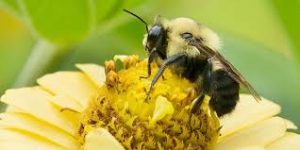 (Beyond Pesticides, December 3, 2018) In August 2018, the Trump administration announced a reversal of a 2014 U.S. Fish and Wildlife (FWS) decision to ban neonicotinoid insecticides on National Wildlife Refuges. The administration’s action threatens not only pollinators, but contributes to the attack on biodiversity worldwide.
Tell Congress to protect biodiversity by insisting that the ban on neonicotinoid pesticides in wildlife refuges be reinstated.
In 2014, FWS announced that all National Wildlife Refuges would join in the phase-out of neonics (while also phasing out genetically engineered crops) by January 2016. FWS “determined that prophylactic use, such as a seed treatment, of the neonicotinoid pesticides that can distribute systemically in a plant and can potentially affect a broad spectrum of non-target species is not consistent with Service policy. We make this decision based on a precautionary approach to our wildlife management practices and not on agricultural practices.” This move was not only intended to protect honey bees that have suffered average losses above 30% since 2006, but also the federally threatened and endangered pollinators that live in National Wildlife Refuges.
However, it is not just pollinators who are affected. Recent research has found dramatic drops in overall insect abundance, leading entomologists to speak of an “insect apocalypse.” Various studies have found reductions of up to a factor 60 over the past 40 years –there were 60 times as many insects in some locations in the 1970s. Over 75% of insect abundance has declined over the last 27 years, according to new research published by European scientists in PLOS One. The dramatic drop in insect biomass has led to equally dramatic pronunciations from highly respected scientists and entomologists. “We appear to be making vast tracts of land inhospitable to most forms of life, and are currently on course for ecological Armageddon,” study coauthor David Goulson, Ph.D. of Sussex University, UK, told The Guardian. “If we lose the insects then everything is going to collapse.”
Insects play important roles in food webs –most song birds, for example, depend on insects during the breeding season, at least. Insects are important decomposers –Australia had to import dung beetles to handle the waste problem caused by the importation of cattle. They contribute to the health of soils. The loss of insect abundance poses cascading effects at all ecosystem levels.
Neonicotinoids also pose a direct threat to non-insect wildlife, including birds. Birds and other wildlife are mobile, moving in and out of crop fields without regard for pesticide treatments. Birds, in particular, absorb pesticide sprays and vapors through respiration, as well as orally in food and preening and dermally by walking in sprayed fields.
It is more important than ever to ban neonicotinoids in National Wildlife Refuges, which should be refuges from toxic chemical use.
Tell Congress to protect biodiversity by insisting that the ban on neonicotinoid pesticides in wildlife refuges be reinstated.
Letter to Congress:
I am writing to ask you to urge the U.S. Fish and Wildlife Service and Department of Interior Secretary Ryan Zinke to reinstate the ban on neonicotinoid pesticides in wildlife refuges. In August 2018, the Trump administration announced a reversal of a 2014 U.S. Fish and Wildlife (FWS) decision to ban neonicotinoids on National Wildlife Refuges. The administration’s action threatens not only pollinators, but biodiversity of the whole planet.
In 2014, FWS announced that all National Wildlife Refuges would join in the phase-out of neonics (while also phasing out genetically engineered crops) by January 2016. FWS “determined that prophylactic use, such as a seed treatment, of the neonicotinoid pesticides that can distribute systemically in a plant and can potentially affect a broad spectrum of non-target species is not consistent with Service policy. We make this decision based on a precautionary approach to our wildlife management practices and not on agricultural practices.” This move was not only intended to protect honey bees that have suffered average losses above 30% since 2006, but also the federally threatened and endangered pollinators that live in National Wildlife Refuges. Over 75% of insect abundance has declined over the last 27 years, according to new research published by European scientists in PLOS One. The dramatic drop in insect biomass has led to equally dramatic pronunciations from highly respected scientists and entomologists. “We appear to be making vast tracts of land inhospitable to most forms of life, and are currently on course for ecological Armageddon,” study coauthor David Goulson, Ph.D. of Sussex University, UK, told The Guardian. “If we lose the insects then everything is going to collapse.”
However, it is not just pollinators who are affected. As recently summarized in a New York Times magazine article, “The Insect Apocalypse is Here,” recent research has found dramatic drops in overall insect abundance. Various studies have found reductions of up to a factor 60, over the past 40 years –there were 60 times as many insects in some locations in the 1970s. Insects play important roles in food webs –most song birds, for example, depend on insects during the breeding season, at least. Insects are also important decomposers –Australia had to import dung beetles to handle the waste problem caused by the importation of cattle. They contribute to the health of soils. The loss of insect abundance poses cascading effects at all ecosystem levels.
Neonicotinoids also pose a direct threat to non-insect wildlife, including birds. Birds and other wildlife are mobile, moving in and out of crop fields without regard for pesticide treatments. Birds are particularly vulnerable, having high metabolic and respiratory rates. They absorb pesticide sprays and vapors through respiration, as well as orally in food and preening and dermally by walking in sprayed fields.
It is more important than ever to ban neonicotinoids in National Wildlife Refuges, which should be refuges from toxic chemical use.
Sincerely,
Posted in Biodiversity, Fish and Wildlife Service (FWS), neonicotinoids, Pollinators, Take Action, Uncategorized, Wildlife/Endangered Sp. by: Beyond Pesticides
No Comments
30
Nov
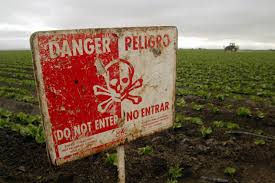 (Beyond Pesticides, November 30, 2018) A study published this month in Science of the Total Environment reveals numerous pesticide residues persisting in soil, harming the viability of agricultural lands and increasing risk of off-site contamination. Funded by the Horizon 2020 programme of the European Commission, researchers from the European Diverfarming project at the University of Wageningen in the Netherlands suggest nations urgently reevaluate conventional land use and inputs including water, energy, fertilizers, machinery and pesticides. Researchers decrying the lack of soil protection policies endeavored to determine which pesticides had the highest soil persistence and toxicity to non-target species.
Three hundred seventeen surface soil samples were analyzed from 11 European countries. Selected countries were those with the largest amounts of active agricultural land, characterizing six distinct cropping systems. Sampled soils purposefully represented different soil properties and were taken from crops with the highest pesticide use per hectare. Samples were then analyzed for the concentration of 76 pesticide residues. These 76 pesticides were selected as being most often applied on conventional crops.
Eighty-three percent of samples contained varying degrees of pesticide residues, with 25 percent showing one pesticide residue and 58 percent showing mixtures of two or more. Only 17 percent of the tested soils had no pesticide residues detected.
Southern countries of the European Union (EU) show significantly fewer residues than the northern, eastern and western EU regions. Soils in the eastern EU were those most frequently containing mixtures of residues of more than six pesticides. All sampled soils from root crops showed pesticide residues, with 85 percent of samples showing multiple residues.
Overall, 43 different residues were detected, with a total of 166 pesticide combinations observed. Glyphosate, DDT (which was banned in 1972) and broad-spectrum fungicides, including boscalid, epoxiconazole and tebuconazole, were the compounds detected most frequently and at the highest concentrations. Glyphosate was the most widely detected.
With pesticides detected across the EU, researchers are concerned persistent residues can become airborne by strong winds, later inhaled by humans and animals, or contaminate aquatic ecosystems through reoccurring erosion. Advocates say similar data revealing pesticide persistence demands national leaders improve environmental risk assessment procedures by evaluating both short-term and long-term environmental risks. Researchers indicate risk assessments must be adapted to assess toxicity of mixtures of pesticide residues to a wider range of soil microorganisms, and, doing so, offer accurate assessments to farmers and elected officials alike.
However, pesticides residues are not a problem solely for the EU. With toxic pesticides used across the globe, advocates explain chemical-intensive agricultural and mismanagement of pesticide waste has become a global problem.
The chemical industry claims pesticide use has increased crop yields. However, pesticides have not been shown to increase profits for farmers. In addition, the onset of herbicide tolerant crops has resulted in an increase of pesticide use, making chemical companies rich while farmers and consumers suffer.
Soil contamination alters soil functions, soil biodiversity and food safety, with pesticides linked a wide range of diseases. All the while, organic agriculture, incorporating cover crops and crop rotations, improves soil health and enhances natural ecosystem processes. With the planet’s soils and waterways increasingly compromised by chemical-intensive practices, there is an urgent need to swiftly move towards regenerative organic agriculture.
To grow nutrient-dense produce, farmers need living soil in which countless living organisms, bacteria and fungi are allowed to coexist.
Worried about contamination of food crops and ecosystems? Talk to local farmers. Begin growing your own food organically with a supply of organic seeds and plant starts. Begin composting food scraps, leaves, and brush. Add water and turn the organic matter regularly with a pitchfork or shovel. This process results in compost, a soil conditioner, which can be added to gardens, potted plants and around fruit trees.
As was said in Seeds that Poison, “Our future depends of our respect for nature and the complex biological systems that sustain life.” Help Beyond Pesticides eliminate toxic pesticides and grow organic solutions. Learn more about how organic agriculture offers numerous benefits to human health and the surrounding environment.
All unattributed positions and opinions in this piece are those of Beyond Pesticides.
Source: Science Daily
Posted in Biodiversity, contamination, Contamination, DDT, Disease/Health Effects, Fungicides, Genetic Engineering, Glyphosate, International, Persistence, Pesticide Residues, tebuconazole, Uncategorized by: Beyond Pesticides
No Comments
29
Nov
 (Beyond Pesticides, November 29, 2018) The British Cayman Islands will no longer fund the release of genetically engineered (GE) mosquitoes, as reports indicate that the program failed to achieve its intended goals. The government is formally terminating its contract with the UK-based company Oxitec, which marketed GE mosquitoes as a sort of silver bullet for the management of diseases such as Zika, yellow fever, malaria, and dengue. Advocates opposed to the GE mosquito program are continuing to encourage a focus on education and source reduction as the best method to address mosquito-borne diseases.
Oxitec first began introducing its line of GE mosquitoes earlier in the decade, at a variety of locations including India, Brazil, Malaysia, and the Florida Keys. Public opposition to the release has been consistently strong. In the Florida Keys, over 230,000 people signed a change.org petition opposing the release. In the Cayman Islands, residents launched a number of lawsuits. In each instance the company was granted free reign to initiate its program.
GE mosquitoes aim to ‘gene drive’ mosquito populations out of existence, a process intended to propagate a particular set of genes in a species. The company developed GE mosquitoes in a laboratory, injecting a gene that produces sterile male mosquitoes. Male GE mosquitoes are then released into the environment en masse, in the expectation that they will outcompete other male mosquitoes and breed with available females. Females that mate with the male GE mosquitoes are expected to produce offspring that die before they hatch.
British-based environmental group Genewatch UK has consistently opposed the release of GE mosquitoes, arguing that there were a number of risks associated with this work. One concern is that the mosquitoes rely on the antibiotic tetracycline to act as a chemical switch, allowing the GE larvae to develop under lab conditions. Thus, low levels of tetracycline in the environment could undermine effectiveness, and result in only short-term mosquito population reductions. In addition to efficacy, many note public health concerns relating to the introductions of novel genes into the environment.
This is how the mechanism of the GE mosquito is supposed to work, according to the article Genetically engineered mosquitoes, Zika and other arboviruses, community engagement, costs, and patents: Ethical issues, published in PLOS:
“The GE mosquito: How does it work?
The GE OX513A Aedes aegypti has been subject to a germline modification that includes a lethality gene. Specifically, a synthetic genetic sequence encoding a tetracycline-repressible transcriptional activator (tTAV) is introduced into the mosquito with the intent of creating tetracycline dependency in the insect. In the absence of tetracycline, tTAV is expressed, and this leads to the death of most of the mosquitoes carrying the trait [4]. If tetracycline is present (as it is during the mosquito rearing in the laboratory, for example), then tTAV is repressed and the larvae can develop and reach adulthood. Female mosquitoes are the biters that spread the disease, so only the male GE mosquitoes are intended for release in the target area.”
The Cayman Islands government had contracted with Oxitec for the last two years. In May, a $720,000 deal was renewed, but Oxitec said at the time that it would be integrating other management techniques alongside the release of GE mosquitoes. However, ultimately, as the territory’s environmental health minister told the press, “The scheme wasn’t getting the results we were looking for.” Cayman Island’s Mosquito Research and Control Unit (MRCU) appeared to reflect the same concerns as advocates in explaining its reasoning, citing concerns over the spread of antibiotic resistant bacteria, and risk of lowered immunity to mosquito-borne diseases.
Based on the results seen on the ground, GE mosquitoes are likely not worth trading one public health risk for another. Scientists continue to look into more natural alternatives to genetic modification, focusing on the use of a bacterium called Wolbachia, which would function in a similar manner to Oxitec’s mosquitoes. Wolbachia-infected male mosquitoes mate with females who would then be unable to produce offspring. However, like GE mosquitoes, the efficacy and safety profile of this approach is also lacking.
An arsenal of highly toxic adulticides that include organophosphates like naled, chlorpyrifos, malathion, and pyrethroids like permethrin and sumithrin are often the first line of treatment for mosquitoes in many communities. These pesticides have been linked to a host of adverse effects, including neurotoxicity, cancer, and reproductive dysfunction. Further, adulticiding has been shown to be the least effective method for reducing mosquito populations, as these chemcials are indiscriminate and just as likely to harm non-target insects as they are mosquitoes.
Management of disease-carrying mosquitoes can be successful when emphasis is placed on public education and preventive strategies. Individuals can take action by eliminating standing water, introducing mosquito-eating fish, encouraging predators, such as bats, birds, dragonflies and frogs, and using least-toxic larvacides like bacillus thuringiensis israelensis (Bti). Community-based programs should encourage residents to employ these effective techniques, focus on eliminating breeding sites on public lands, and promote monitoring and action levels in order to determine what, where, and when control measures might be needed. Through education of proper cultural controls, and least-toxic and cost effective biological alternatives, the use of risky technologies such as toxic pesticides and GE mosquitoes can be avoided.
For more information, see Beyond Pesticides’ mosquito management program page and comprehensive Public Health Mosquito Management Strategy.
All unattributed positions and opinions in this piece are those of Beyond Pesticides.
Source: Edmonton Journal
Posted in Genetic Engineering, Mosquitoes, Uncategorized by: Beyond Pesticides
3 Comments
28
Nov
(Beyond Pesticides, November 28, 2018) Recent research out of Harvard University and published in the journal Science has demonstrated some of the mechanisms through which exposures to neonicotinoid pesticides harm bumblebee populations. The study found that exposure to imidacloprid, a neonicotinoid — the most widely used category of pesticides worldwide — directly impacts social behaviors in bumblebees. These behaviors have serious effects on the functioning and viability of bee colonies.
In the research experiment, worker bees exposed to imidacloprid exhibited reduced general and nurturant activity, and a tendency to locate themselves at the periphery of the nest. The study noted decreased caretaking and nursing behaviors, which in turn harms productivity and thermal regulation in the colony. These tasks are important to colony development; impaired thermoregulation negatively affected the bees’ typical construction of an insulating wax canopy for the nest, and poor caretaking can affect brood growth.
Investigators noted that, “Neonicotinoids induce widespread disruption of within-nest worker behavior that may conribute to impaired growth. . . . These changes in behavior acted together to decrease colony viability, even when exposure was nonlethal.” The authors also observed that many of these dysregulated behaviors were more pronounced at night than during sunlight hours, and were exhibited by queens as well as workers. Prior to the subject study, neonicotinoids were already understood to reduce growth in developing bee broods by impairing adults’ foraging abilities — related to both spatial navigation and so-called “floral learning” (acquiring and remembering how best to secure nectar from a variety of flowers of varying structural complexity).
Neonicotinoids are used frequently as seed coatings, as well as on a great number of agricultural crops. They are systemic pesticides that are taken up by plants and transported to leaves, flowers, roots, and stems, as well as to pollen and nectar; pollinators are at great risk of exposure to these compounds through their foraging activities. (These pesticides also contaminate waterways and are highly toxic to aquatic organisms.) Neonicotinoids affect the central nervous system of exposed target and non-target insects, leading to eventual paralysis and death.
Bees are responsible for nearly one-third of all the pollination that takes place on the planet. For more than a decade, the decline and loss of critical insect pollinators has been of enormous environmental, economic, and scientific concern. For nearly that long, neonicotinoid pesticides have been identified as primary contributors to this decline, which often manifests in reduced colony size through mortality. These compounds have been repeatedly pointed to as a cause of Colony Collapse Disorder. Other contributing factors include habitat fragmentation and destruction, the introduction of non-native species and pathogens, and some land management practices.
In 2013, the European Union voted to ban neonicotinoid pesticides for a two-year period. In May 2018, the General Court of the European Union (EU) banned three chief neonics — clothianidin, imidacloprid, and thiamethoxam — for any outdoor uses across the EU. Here in the U.S., the Environmental Protection Agency (EPA) did adopt, in early January of 2017, a policy to mitigate acute risks to bees from pesticides, and does offer some guidance on assessing risks to pollinators from pesticides. But as Beyond Pesticides noted earlier this year, EPA has been slow to act on neonicotinoids, despite the plethora of independent peer-reviewed, scientific papers demonstrating their hazards to pollinators and other non-target organisms.
In setting allowable uses of pesticides in agriculture, EPA utilizes risk assessment reviews with extreme limitations when it evaluates a food-use pesticide in combination with its non-food uses. The agency has been criticized by Beyond Pesticides because when it evaluates ecological impacts, EPA weighs the “economic, social, and environmental costs and benefits” associated with a given pesticide to determine whether an “unreasonable risk to human health and the environment” will occur. The problem with this approach is that it fails to allow for the prioritization of ecological protection, including protection of non-target pollinators.
Early in 2018, U.S. Representatives Earl Blumenauer (OR) and Jim McGovern (MA) reintroduced HR 5015, Saving America’s Pollinators Act of 2018, which, if enacted, would suspend the registration of certain neonicotinoid insecticides until the U.S. Environmental Protection Agency (EPA) conducts a full scientific review that ensures these chemicals do not harm pollinators. Whether the bill’s chances of passage will improve — with the reconfigured post-midterm election Congressional landscape — remains to be seen.
Protection of pollinators is an important focus of Beyond Pesticides; its work can be followed via its BEE Protective website page. Beyond Pesticides advocates to protect critical pollinators from the ravages that neonicotinoids can cause. It does so through its BEE Protective activities; its work to expose the health and environmental risks of chemical-intensive agricultural practices (including the use of pesticides); and its advocacy for organic agriculture because of its health and environmental benefits. Beyond Pesticides also offers guidance on less harmful, more-holistic approaches to land management. See its information on how to help protect pollinators.
All unattributed positions and opinions in this piece are those of Beyond Pesticides.
Source: https://e360.yale.edu/digest/neonicotinoids-impact-bees-nursing-and-social-behaviors-study-finds
Posted in Agriculture, Imidacloprid, neonicotinoids, Uncategorized by: Beyond Pesticides
No Comments
27
Nov
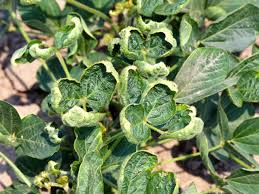 (Beyond Pesticides, November 27, 2018) The U.S. Environmental Protection Agency (EPA) ignored the input of an expert weed scientist on the controversial herbicide dicamba, bending to Bayer’s Monsanto and the pesticide industry, according to emails obtained by the Arkansas Democrat and Chronicle (ADC) through a Freedom of Information Act request. The scandal centers on the recent re-approval of the pesticide, a highly volatile and drift-prone herbicide that has become a serious problem for many farmers and state regulators. As top-level EPA officials continue to work with industry to subvert their own agency’s scientific findings, more and more consumers are moving to organic products in order avoid the pesticide risks government regulators ask consumers to accept.
Emails ADC received indicate that Jason Norsworthy, PhD, a weed scientist with the University of Arkansas, worked closely with Bayer’s Monsanto in conducting field trials this past summer, but found high volatility and drift of the company’s new dicamba-based herbicide XtendiMax. The product was developed in the face of widespread resistance to glyphosate-based herbicides in genetically engineered (GE) farm fields. However, recent accounts from farmers in the south and midwest indicate that, not only is the switch to dicamba unhelpful in eliminating drift and reversing escalating weed resistance, its use threatens valuable nontarget crops, particularly sensitive fruit trees and wine grapes.
Working closely with Bayer’s Monsanto, Dr. Norsworthy investigated dicamba drift on a 240 acre crops field. While 38 acres were planted with dicamba-tolerant soybeans, the rest of the crops were susceptible to the chemical. Dr. Norsworthy observed damage to sensitive crops after an XtendiMax application, with industry representatives involved in the study process. Collecting this data was intended to influence the size of a buffer zone needed to protect plants and animals surrounding use sites. The results indicate that a 135 meter (443 feet) buffer would be necessary to avert adverse impacts to listed species.
However, despite close involvement in the study from Bayer’s Monsanto, the company immediately challenged the results. ADC indicates that, over a conference call, Dr. Norsworthy refuted each concern raised by industry. Scientists within EPA’s Environmental Fate and Effects Division (EFED) reviewed relevant data and ultimately agreed with Dr. Norsworthy’s conclusions.
“Based on this discussion, EFED cannot preclude the use of the Norsworthy data in the expansion of the dicamba action area,” scientists wrote in a draft approval document obtained by ADC. “Acceptance of the Norsworthy data as valid results in the recommendation of a 135-m ‘buffer’ … for the purposes of establishing a protective and technically defensible limit.”
On October 31, EPA announced changes to dicamba’s registration. Rather than respond to the results of a study performed in coordination with Bayer’s Monsanto, and agreed upon by officials within the agency, Acting EPA Administrator Wheeler decided to ignore adverse impacts to farmers and nontarget species, in favor of the chemical industry. Dicamba buffer zones will be set by EPA at 57 feet.
This decision raises a litany of structural problems within the pesticide registration process. Mixtures and synergy are not adequately tested. Inert ingredients are not disclosed. As exemplified in this instance, pesticide producers submit their own studies to EPA in order to support the registration of a product for which they have a vested economic interest. Many pesticides, including GE dicamba products like XtendiMax, are registered conditionally without required health and environmental safety information.
Advocates see this action by top-level officials in the Trump Administration as political meddling with a scientific process already structurally deficient, seriously jeopardizing the health and well-being of U.S. residents and the environment. This action is part of a pattern of the Trump administration’s EPA head ignoring the agency’s science. In reversing an EPA decision to stop the use of the insecticide chlorpyrifos in food production in March 2017, the EPA Administrator ignored the agency’s finding that the highly neurotoxic pesticide adversely affects brain development in children.
Just this August, it was revealed that former EPA head Pruitt allowed Monsanto (not yet purchased by Bayer) to effectively write the initial rules for the use of XtendiMax. According to the released emails, Monsanto actually line-edited regulations initially proposed by EPA (begin on p147). In another level of irony, this information only came to light because of a lawsuit launched as a result of EPA not consulting with wildlife agencies over risks to endangered species.
If you’re upset about the way the pesticide industry and EPA are colluding to manipulate or ignore science in the pesticide review process, get active. Beyond Pesticides has tools and resources to help you start at the local level to eliminate toxic pesticides from your community.
As scandals continue to pile up around the safety of our food for our health and the environment, choose organic, which never allows toxic synthetic pesticides or GE crops to be certified.
All unattributed positions and opinions in this piece are those of Beyond Pesticides
Source: Arkansas Democrat and Chronicle
Posted in Agriculture, Arkansas, Bayer, Dicamba, Environmental Protection Agency (EPA), Genetic Engineering, Monsanto, Pesticide Drift, Resistance, Uncategorized by: Beyond Pesticides
2 Comments