





26
Nov
Take Action: Tell the National Organic Program to Outlaw Fracking Wastewater in Organic Production
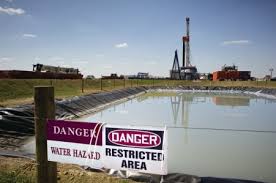 (Beyond Pesticides, November 26, 2018) Organic consumers expect that the organic products they buy are grown without toxic chemical inputs. However, oil and gas wastewater (including fracking wastewater) is currently used to irrigate crops. Among the chemicals known to be present in oil and gas wastewater are heavy metals and other chemicals with carcinogenic, reproductive, developmental, endocrine-disrupting, and other toxic effects. When the Organic Foods Production Act (OFPA) was passed, and regulations adopted, there was no agricultural use of oil and gas wastewater, so the regulations did not address these hazards.
Tell USDA to Outlaw Fracking Wastewater in Organic Production!
The Cornucopia Institute has filed a petition for rulemaking, asking that oil and gas wastewater be ruled a prohibited substance in organic production. This issue should be put on the work agenda of the National Organic Standards Board (NOSB), which advises the Secretary about issues concerning NOP. The petition from the Cornucopia Institute contains information that will serve as support for the work agenda item. Over the past several years, the NOSB has received many comments requesting them to address this issue
Among the comments have been suggestions for guidance to farmers faced with contamination from oil and gas activities. The NOSB must play an important role in ensuring that farmers are not unnecessarily harmed by the proposed rulemaking.
Although the exact blend of chemicals in oil and gas wastewater is considered “proprietary,” making it difficult to test food for residues, much is known about individual chemicals that may be present, including benzene, toluene, ethylbenzene, and xylenes; polynuclear aromatic hydrocarbons (PAHs); volatile organic compounds (VOCs); radionuclides; heavy metals; and elevated levels of chloride and bromide. Although toxic effects of many of these chemicals are known, their combined and cumulative effects have not been determined.
Water treatment does not always remove all of the toxic chemicals, and the safety of treated water cannot be determined because it is not possible to determine all chemicals that might be present. OFPA and its regulations give USDA, with advice from the NOSB, the responsibility to ensure the integrity of the organic label. Many of the substances known to be in oil and gas wastewater are prohibited for use in organic production. OFPA prohibits “natural poisons such as arsenic or lead salts that have long-term effects and persist in the environment.” Regulations require that producers “maintain or improve the natural resources of the operation, including soil and water quality.” USDA must ensure that this relatively new source of contamination does not endanger organic integrity.
Tell USDA to Outlaw Fracking Wastewater in Organic Production!
Letter to USDA
I am writing in support of the petition from the Cornucopia Institute, asking that the Secretary of Agriculture, with advice of the National Organic Standards Board (NOSB), initiate rulemaking and/or guidance that ensures that contaminated wastewater from oil and gas production is not used in organic production. The petition from the Cornucopia Institute contains information that will serve as support for the work agenda item. The Organic Foods Production Act (OFPA) and its regulations give USDA, with advice from the NOSB, the responsibility to ensure the integrity of the organic label. The NOSB has received many comments on this issue over recent years, including suggestions for guidance to farmers faced with contamination from oil and gas activities. The NOSB must play an important role in ensuring that farmers are not unnecessarily harmed by the proposed rulemaking.
Oil and gas wastewater is currently used to irrigate crops. Many of the substances known to be in oil and gas wastewater are prohibited for use in organic production. OFPA prohibits “natural poisons such as arsenic or lead salts that have long-term effects and persist in the environment.” Regulations require that producers “maintain or improve the natural resources of the operation, including soil and water quality.” When the Organic Foods Production Act was passed, and regulations adopted, there was no agricultural use of oil and gas wastewater, so the regulations did not address these hazards. USDA must ensure that this relatively new source of contamination does not endanger organic integrity.
The exact blend of chemicals in oil and gas wastewater is considered “proprietary,” making it difficult to test food for residues. However, much is known about individual chemicals that may be present, including benzene, toluene, ethylbenzene, and xylenes; polynuclear aromatic hydrocarbons (PAHs); volatile organic compounds (VOCs); radionuclides; heavy metals; and elevated levels of chloride and bromide. Although toxic effects of many of these chemicals are known, their combined and cumulative effects have not been determined. The chemicals known to be present in oil and gas wastewater are heavy metals and other chemicals with carcinogenic, reproductive, developmental, endocrine-disrupting, and other toxic effects.
Water treatment does not always remove all of the toxic chemicals, and the safety of treated water cannot be determined because it is not possible to determine all chemicals that might be present.
Please initiate action to prohibit the use of oil and gas wastewater in organic production, including adding the petition to the work agenda of the National Organic Standards Board.
Thank you.

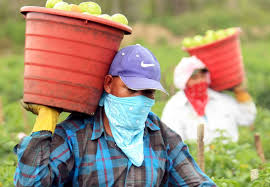 (Beyond Pesticides, November 22, 2018) As we sit down for our Thanksgiving meal with friends and family, let us all take a moment to give thanks to the hardworking individuals that made our meal possible. Farmworkers and farmers toil day in and day out in the field, growing the staples that make the holiday special. This year, farmworkers need our support more than ever, as powerful forces within the agrichemical industry continue to influence decisions that deny them the protections and compensation they deserve for their hard work.
 (Beyond Pesticides, November 21, 2018)
 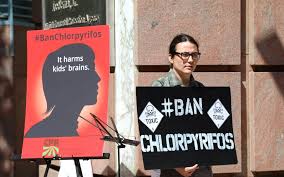 (Beyond Pesticides, November 20, 2018) Scientific conclusions used to support the registration of the insecticide
  (Beyond Pesticides, November 19, 2018) The Organic Foods Production Act (OFPA) requires organic milk and dairy products labeled as organic to come from dairy cows continuously managed as organic from the last third of gestation. Because of the short supply of organic dairy breeder stock when the law was passed in 1990, a one-time conversion of conventional dairy cows to organic was allowed, as long as they are managed organically.
 (Beyond Pesticides, November 16, 2018) Pesticides and biocides used to control bacterial infections in humans and weeds and pests in agriculture are surpassing ‘planetary boundaries’ within which human civilization can continue to rely on these biocides,
  (Beyond Pesticides, November 15, 2018) Neonicotinoids are
 (Beyond Pesticides, November 14, 2018) Monarch butterflies are in the midst of a staggering decades-long population decline that has rapidly accelerated since 2005, research
  (Beyond Pesticides, November 13, 2018) We are living in extraordinary times that call for bold action. We face serious public health and environmental challenges and know that we must work to advance local, state, and federal action. Our program relies on your support, which elevates independent science to call for action. While the November 6 election results offer some important opportunities in our communities, state, and nation, we continue to face the power of the pro-pesticide lobby and those seeking to weaken the integrity of organic standards in the Farm Bill.
 (Beyond Pesticides, November 9, 2018)
  (Beyond Pesticides, November 8, 2018) Two months after publishing its
 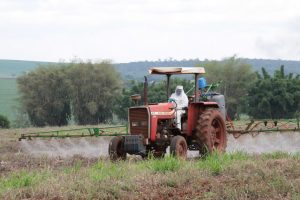 (Beyond Pesticides, November 7, 2018) Brazil’s rapid industrialization of its agricultural sector may be coming at the cost of resident health, according to a new study published in
 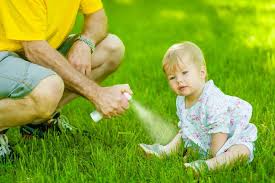 (Beyond Pesticides, November 6, 2018) Scientists working for USDA’s Agricultural Research Service in Lincoln, Nebraska have discovered natural compounds derived from coconut oil that are more effective than DEET at repelling mosquitoes, ticks, biting flies, bed bugs and other insects. Given the long-lasting efficacy of the compounds researchers tested, commercialization could make the regular use of toxic insect repellents, like DEET, obsolete. Advocates are praising USDA researchers for the results, indicating that this is exactly the type of research government agencies should be funding and promoting.
 (Beyond Pesticides, November 5, 2018) As you know, the stakes in this midterm election are high. Many races are too close to call and will be decided by voter turnout. As we have read, our vote will make a difference!
 (Beyond Pesticides, November 1, 2018) A new
 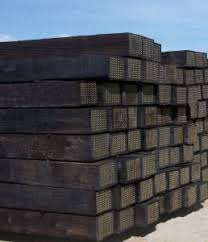 (Beyond Pesticides, October 31, 2018) Residents in the town of Great Barrington, MA are concerned about the health effects that could result from creosote-coated railroad ties stored in their neighborhood. According to a report in the
  (Beyond Pesticides, October 30, 2018) The
  (Beyond Pesticides, October 29, 2018) Protect the integrity of the organic standard setting process that determines whether a synthetic substance will be allowed in food labeled organic. Help stop an attack on the meaning of the organic label in the Farm Bill, which may be voted out of conference committee by the end of November. By changing the substance review process, a provision will open the floodgates to allowed synthetic chemicals in organic production, handling, and processing under the
 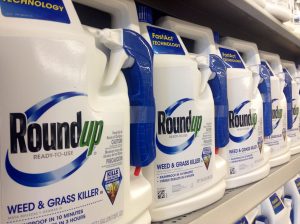 (Beyond Pesticides, October 26, 2018) California Superior Court Judge Suzanne Bolanos is upholding a jury’s verdict that exposure to the herbicide glyphosate caused school groundkeeper Dewayne Johnson to develop cancer. The ruling comes after concern that Judge Bolanos would intervene and
  (Beyond Pesticides, October 25, 2018) A
  (Beyond Pesticides, October 24, 2018) Bottlenose dolphins found along Florida’s west coast contain detectable levels of phthalates, chemicals used in plastics, cosmetics and as
  (Beyond Pesticides, October 23, 2018) The



