
26
Mar
 (Beyond Pesticides, March 26, 2018) Tell your state AG to join the investigation of the merger of Bayer-Monsanto, the manufacturer of genetically engineered seeds tolerant of its herbicide glyphosate (aka Roundup®), and Bayer, the manufacturer of neonicotinoid insecticides responsible for pollinator declines, including imidacloprid and clothianidin. The giant seed and pesticide company that would be created by this merger would be a disaster for pollinators, people, and the environment.
Farmers overwhelmingly think this mega-merger is a bad idea –a new survey and white paper were released that demonstrate widespread opposition of farmers to this merger. According to the poll, which was conducted by a coalition of farm organizations, 93 percent of farmers surveyed oppose it. More than one million Americans have called on the Department of Justice to stop it. Investigations are ongoing in both the EU and the U.S. Your state attorney general could play a key role in this fight by joining the investigation.
Tell your state AG to join the investigation of the Bayer-Monsanto Merger!
If this merger goes through, the new company would be the world’s largest vegetable seed company. It would control seeds for many of the crops we eat regularly — including broccoli, carrots, and onions.
It would also be the largest manufacturer and seller of herbicides. The merger threatens the development of a sustainable and just food system. It will hurt independent family farmers and rural economies, and will make it even more difficult for farmers to reject the chemical- intensive agricultural system that Bayer and Monsanto promote. In short, we would be giving a single corporation unprecedented control of our food supply. We can’t let the future of our food system be handed over to Bayer and Monsanto.
Your state Attorney General has the power to launch a public joint investigation of the proposed merger, and is more likely to do so if you speak up.
Tell your state Attorney General to join the investigation and oppose this toxic mega-merger NOW!
This merger is happening as part of a massive wave of consolidation in our food system. Dow and DuPont merged. So did ChemChina and Syngenta.
If Bayer and Monsanto merge, only four companies will control the entire market for seeds and pesticides, turning our food system over to mega-corporations that have enormous political power and control over prices, quality, and options for farmers and consumers.
Bayer and Monsanto are trying to rush this deal through. Bayer has even started to say it will sell off some of its business to win approval from the Department of Justice and state attorneys general, but this won’t solve the problem.
ACT NOW! Tell your state attorney general to say NO to this giant pesticide merger and stand up for consumers, farmers, workers, and the environment.
Posted in Agriculture, Bayer, Glyphosate, Monsanto, neonicotinoids, Pollinators, Take Action, Uncategorized by: Beyond Pesticides
No Comments
23
Mar
 (Beyond Pesticides, March 23, 2018) French scientists and ornithologists say parts of the country’s forests, streams, and bucolic landscapes could be completely devoid of birdsong this year, as the results of two recent studies show staggering declines in bird populations throughout the nation linked to the intensification of agricultural practices and pesticide use. The advent of so many significant wildlife declines at the same time –now recognized in birds, but also seen in pollinators and insect populations–is leading many to wonder whether the modern world has forgotten the warnings of Rachael Carson’s Silent Spring back in 1962.
“We’ve lost a quarter of skylarks in 15 years. It’s huge, it’s really, really huge. If this was the human population, it would be a major thing,” said Benoit Fontaine, PhD, of France’s National Museum of Natural History and co-author of one of the new studies to The Guardian. “We are turning our farmland into a desert. We are losing everything and we need that nature, that biodiversity – the agriculture needs pollinators and the soil fauna. Without that, ultimately, we will die.”
The French National Museum of Natural History and the National Centre for Scientific Research each conducted an investigation into country’s bird populations, with the former studying nationwide declines, and the latter focusing in on agricultural land in the French countryside. While certain species like the wood pigeon, blackbirds, and chaffinches, are growing in abundance on a national scale, they are being decimated in rural areas.
Overall, the data show 30% declines in bird populations on average during the last 15 years, with certain species doing particularly poorly. Seven in ten meadow pipits have been lost, as well as eight in ten partridges. Records find that the decline deepened since 2008/2009, when a European policy that required a certain amount of a farm field be left fallow each year was revoked. Scientists also correlate the declines to the widespread use of systemic, persistent, neonicotinoid insecticides.
As Rachael Carson wrote in Silent Spring, “In nature nothing exists alone.” Birds that are not directly harmed by pesticide exposure can still be stressed and killed by the disruption of ecological balance. A study published in October of last year found 75% of insect abundance has been lost in European nature preserves over the past 30 years. “All birds are dependent on insects in one way or another,” said Dr. Fontaine to The Guardian. “Even granivorous birds feed their chicks insects and birds of prey eat birds that eat insects. If you lose 80% of what you eat you cannot sustain a stable population.” Like pollinators, pesticide use is the common denominator in these declines. It also happens to be the most straightforward issue to address.
In Silent Spring, Rachel Carson challenged the modern world to slough off the poisons we’ve put down on the Earth in favor of an approach that ensures ecological stability. “We stand now where two roads diverge,” she wrote. “But unlike the roads in Robert Frost’s familiar poem, they are not equally fair. The road we have long been traveling is deceptively easy, a smooth superhighway on which we progress with great speed, but at its end lies disaster. The other fork of the road — the one less traveled by — offers our last, our only chance to reach a destination that assures the preservation of the earth.”
With researchers indicating that the results of this study show the natural world trending towards catastrophe, it appears that we may again be at a crossroads. To address the issue, advocates call for the support of food production systems that protect wildlife and the wider environment, while maintaining yields.
Dr. Fontaine of the French National Museum summed up the predicament for the farming community, indicating to The Guardian that farming and wildlife preservation are not mutually exclusive. “Farmers are really willing to do that,” he said. “They live with a system which is based on large firms that make pesticides and they have to cope with that. They are not the bad guys. The problem is not agriculture, but the solution is really the farmers.”
Attempts to institute practices that protect the natural world are viewed as a threat to profit margins by large agrichemical firms. Studies that find problems with the chemicals a company produces have been attacked, and there have been numerous instances where pliable scientists, experts, and reporters are found to excuse chemical company products from fault, muddle the research, and head off policymaking that would adequately address concerns.
The European Union is set to vote as soon as this month on a proposal that would ban all outdoor uses of the neonicotinoid chemical class, identified by thousands of independent scientific studies to be the key factor behind declines in insect pollinators, and in the current research to be a proximate cause of bird declines. In the U.S., residents can help build support for a similar measure that would suspend these chemicals unless eventually found to be safe for pollinator populations. Act now, and urge your member of Congress to join in support, so that we may finally begin to move down the path that avoids disaster and preserves life on earth.
All unattributed positions and opinions in this piece are those of Beyond Pesticides.
Source: National Centre for Scientific Research (French – Google Translate Link), The Guardian
Posted in Uncategorized by: Beyond Pesticides
No Comments
22
Mar
 (Beyond Pesticides, March 22, 2018) Last week Environmental Protection Agency (EPA) Administrator Scott Pruitt received a letter from twenty-eight U.S. Senators urging the preservation of rules that would protect farmworkers and disallow minors to handle highly toxic pesticides. At issue are two proposals from Administrator Scott Pruitt’s EPA that would roll back Agricultural Worker Protection Standards (AWPS) and the Certification of Pesticide Applicators (CPA) rules put in place during the Obama Administration. In their letter, the Senators stress the impact of any potential changes, noting “the lives of children and families across the country at stake.”
During the Obama era, EPA completed rulemaking that revised AWPS for the first time in over 20 years. Key components expanded training, prohibited children under 18 from applying highly toxic restricted use pesticides, created new no-entry application-exclusion zones, improved record keeping, provided farmworkers a designated representative to request pesticide records, and other safety improvements. The final rules put in place long-overdue protections, but still represented a compromise for workers and farmworker advocates. At the time the rules were released, advocacy organization Farmworker Justice released a statement noting, “While we are disappointed that the final rule does not include some significant safety measures, we will continue to work with our community partners to advocate for greater worker protections at EPA and at the state and local levels.”
After the AWPS rules were updated, then-EPA Administrator Gina McCarthy finalized similar rules under a separate CPA rule, which also improved training requirements for pesticide applicators and prohibited minors from applying restricted use pesticides under most circumstances. Despite the arduous process led to the original compromise, Administrator Pruitt took action in mid-May to delay the implementation of CPA, and was subsequently sued by farmworker and health organizations shortly after.
Now, Administrator Pruitt’s EPA announced its intent to revise segments of both AWPS and CPA, with age requirements, farmworker designated representatives, and no-entry application-exclusion zones under specific scrutiny.
As Huffington Post reports, disclosure records indicate that the American Farm Bureau lobbied EPA to take similar actions. General perception behind the industry’s motivation to reduce the age limit to handle highly toxic pesticides is that minors can be paid less money to apply these chemicals. As the Senators write, “These rules were revised to prevent farmworker poisonings and in the aftermath of pesticide misuse that led to serious harm for hundreds of homeowners and their families, and resulted in the tragic deaths of children.”
Likewise, removing the ability for a farmworker to designate a representative to receive information after he or she was poisoned is presumed to be the agricultural industry’s attempt to limit the ability for farmworkers to sue. “The designated representative provision is critically important because there are many reasons why a worker may be unable to access information about the chemicals they are exposed to,” the Senators write. “This commonsense safeguard has been denied to farmworkers while workers in other industries have had these protections for decades.”
Eliminating the application exclusion zone would do away with important protections that extend out from farm fields to agricultural communities. “The application exclusion zone merely requires the commonsense precaution that if someone is applying pesticides and sees workers or other people around the equipment, they should try to avoid spraying them by suspending the application and resuming after a non-trained and unprotected person leaves the area,” the Senators write in their letter. This is important because EPA does not account for bystander exposure as part of its risk assessment for pesticides, and simply assumes that exposure will not happen.
Congressional pushback is critical in stopping an agenda that has aimed to eliminate farmworker protections, slash EPA staff, and keep highly toxic pesticides with known health risks on the market. Thank you to those that have already asked their Congressmembers to protect AWPS and CPA. Continue to keep the pressure up by sending a letter to your Congressional delegation today.
All unattributed positions and opinions in this piece are those of Beyond Pesticides.
Source: Huffington Post, SCRIBD Senatorial Document
Posted in Agriculture, Environmental Justice, Environmental Protection Agency (EPA), Farmworkers, Uncategorized by: Beyond Pesticides
No Comments
21
Mar
(Beyond Pesticides, March 21, 2018) According to a new study published this month in Environment Health, women with 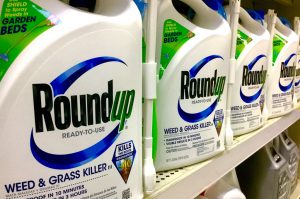 high levels of glyphosate in their bodies are more likely to have shorter pregnancies. Shorter pregnancies can lead to children with reduced learning and brain development. This is the first study to suggest that exposures to glyphosate can influence the long-term well-being of children.
The study, Glyphosate exposure in pregnancy and shortened gestational length: a prospective Indiana birth cohort study, obtained both urine and drinking water samples from 71 women with pregnancies living in Central Indiana while they received routine prenatal care, and analysed the relationships of glyphosate levels in mother’s urine with fetal growth indicators and gestational length. The researchers found that more than 90 percent of pregnant women had detectable levels of glyphosate where higher glyphosate levels were significantly correlated with shortened gestational lengths, even though the drinking water samples had little to no detectable levels of glyphosate. Women living in rural areas were found to have higher glyphosate levels.
The authors note their study is significant because it is the first U.S. study designed specifically to measure prenatal glyphosate exposure in pregnant women to determine its association with adverse fetal developmental risk. Lead author, Shahid Parvez, Ph.D., an assistant professor and researcher at the Indiana University Fairbanks School of Public Health, said exposure from foods is the most likely culprit. Dr. Parvez said none of the women studied worked in agriculture. “Even though this study was in Central Indiana, if diet is the route by which everyone is exposed, this is not necessarily a regional issue but a national or global issue,” he said, adding that there was some evidence from a survey of the women that eating organic curbed their glyphosate levels. Dr. Parvez said they suspect that glyphosate may spur oxidative stress in pregnant women, which could lead to shorter pregnancies—this is what he and his team want to look into next. There are limitations to the study in that it has a very small sample size and the women were almost all white. Dr. Parvez said they plan on conducting a similar study on a larger scale with more diversity and from different regions.
Glyphosate, the active ingredient in Monsanto’s popular Roundup, has been touted by Monsanto as “safe,” but science is showing it is anything but. In March 2015, IARC found that there was sufficient evidence of carcinogenicity in experimental organisms to classify glyphosate as “probably carcinogenic to humans” (Group 2A). Industry has since challenged IARC’s finding, arguing that it is an outlier as an “overwhelming majority of government regulators and other experts” have found glyphosate is not carcinogenic and have “flatly rejected” IARC’s conclusion. Monsanto has been trying to undermine findings that show its flagship product, glyphosate, is anything other than “safe.” However, its attempts to unduly influence and undermine scientific research and government review of its product has been disclosed widely in the press. In December 2017, the U.S. Environmental Protection Agency (EPA), declared that glyphosate is likely not carcinogenic, conflicting with IARC’s 2015 classification. Some charge that EPA’s assessment relied heavily on industry studies to arrive at its conclusion, and ignored its own guidelines for assessing cancer risks. Currently, EPA has opened for public comment its most recent health assessment for glyphosate. The comment period ends April 30, 2018.
More than 250 lawsuits are pending against Monsanto in U.S. District Court in San Francisco, brought by people who claim that Roundup exposure caused them or a family member to contract non-Hodgkin lymphoma — a cancer that originates in the lymphatic system, which comprises much of the body’s immune system, and can then spread throughout the body — and that Monsanto covered up the health risks associated with glyphosate. The first trial is set for June 18, 2018, in San Francisco County Superior Court.
Glyphosate is widely used in food production, especially on genetically engineered (GE) crops, and on lawns, gardens, parks, and children’s playing fields. It has been linked DNA and chromosomal damage in human cells, and some epidemiologic studies have found that exposure to glyphosate is significantly associated with an increased risk of non-Hodgkin’s lymphoma. In September 2015, a study published in Environmental Health News found that chronic, low-dose exposure to glyphosate leads to adverse effects on liver and kidney health. In January 2017, research was published showing that ultra-low doses of glyphosate formulations fed to rats are linked to an increased likelihood of developing non-alcoholic fatty liver disease. A lead author of that study stated that the findings are “very worrying as they demonstrate for the first time a causative link between an environmentally relevant level of Roundup consumption over the long-term and a serious disease.”
The herbicide is the most widely used herbicide in the world and as a result is being detected in food and human bodies. Tests have detected glyphosate residues in German beer, at levels higher than allowed in drinking water. Glyphosate residues have been found in bread being sold in the UK. A pilot study conducted by the group Moms Across America in 2014 found that glyphosate may also bioaccumulate in the human body, as revealed by high levels of the chemical in the breast milk of mothers tested. Research from the University of California, San Diego finds that glyphosate residues in the human body increased significantly from the mid-1990s to present. Between 1993 and 1996 average glyphosate residues in urine was recorded to be 0.024 micrograms per liter. By time study participants were tested between 2014-2016, average urinary glyphosate levels rose to 0.314 micrograms per liter, an increase of over 1,200%.
As evidence of the hazardous effects of glyphosate mounts, Beyond Pesticides urges communities around the U.S. to advocate for the elimination of glyphosate and other toxic pesticide use, at least in public spaces. Consumers can have a real impact by talking to neighbors, farmers, and the legislators who make decisions that affect people’s health. As always, contact Beyond Pesticides at [email protected] or 1.202.543.5450 for assistance, or visit the Beyond Pesticides website. Meanwhile, as the regulatory wrestling continues, the best way to avoid glyphosate and other harmful pesticides is to support organic practices in agriculture and for lawns and landscapes in the community and to purchase organic food.
All unattributed positions and opinions in this piece are those of Beyond Pesticides.
Source: Environmental Health News
Posted in Children, contamination, Glyphosate, Monsanto, Pesticide Residues, Reproductive Health by: Beyond Pesticides
No Comments
20
Mar
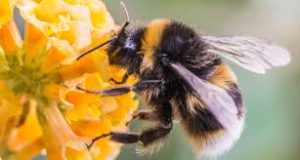 (Beyond Pesticides, March 20, 2018) Regulations that separate ingredients in pesticide products as either “other/inert” or “active” have no scientific basis, according to a new review of the toxicity of formulated pesticide products published in the journal Frontiers in Public Health. Despite widespread awareness that “other” or “inert” pesticidal ingredients present toxicity concerns, only “active” ingredients undergo a full risk assessment, and pesticide products containing both active and inert ingredients are not tested in formulation before being sold to the public. Using glyphosate and neonicotinoid based products as examples, the study recommends sweeping changes to the way pesticide formulations are regulated in the Western world.
Inert, or other ingredients –not disclosed on pesticide product labels, are often adjuvants that are added to a pesticide formulation to modify the effect of the active ingredient. However, they can also be sold separately and used in agriculture where pesticides are often “tank mixed” on site before application. Adjuvants take many forms, including surfactants, dyes, stabilizers, propellants, emulsifiers, solvents, antifoaming agents, and still other uses. Surfactants, likely the most common adjuvant, are added to a pesticide formulation in order slow the degradation time or improve the penetration of the active ingredient on a target site. Ethoxylated alkylphenols, like POEA, are commonly used surfactants in pesticide formulations. Researchers found that diesel fuel and kerosene are oft-used as antifoaming agents, polyvinyl polymers are used as drift retardants, and octanol and other fatty alcohols are used as solvents to increase the mobility of an active ingredient within a target pest or weed.
While these chemicals can be more toxic than an active ingredient in a pesticide formulation, their designation as “inert” is rooted in old regulations based on old science. Under the Federal Insecticide Fungicide and Rodenticide Act (FIFRA), passed in 1947, only chemicals specifically intended to kill pests are considered “active” in a formulation, while others are disregarded. According to researchers, 50 years later, as a result of surveys that found the public considers the term “inert” to mean biologically inactive, EPA did not begin thorough testing of these chemicals. Instead, the agency began using the term “other” to describe adjuvant ingredients.
“Exposure to environmental levels of some of these adjuvant mixtures can affect non-target organisms — and even can cause chronic human disease,” says study co-author Robin Mesnage, PhD to Science Daily. “Despite this, adjuvants are not currently subject to an acceptable daily intake and are not included in the health risk assessment of dietary exposures to pesticide residues.”
Researchers reviewed the literature on the most commonly used pesticide products on the market, those that contain the active ingredient glyphosate, and those with an active ingredient in the neonicotinoid class of chemicals. For glyphosate-based herbicides, researchers found problems with simply identifying what formulation was tested within a given study. Concerningly, many studies indicate that they’re testing glyphosate, when in fact they’re testing a glyphosate-based herbicide like Roundup. According to the review, there are over 750 glyphosate-based herbicides, with a wide range of different adjuvants present in formulation. Some commercial formulations of glyphosate are 1,000 times more toxic than technical grade glyphosate, according to researchers. There are even variations in toxicity depending on the type of inert used. The notorious adjuvant POEA, noted for its demonstrated ability to kill human cells, can differ in toxicity based upon the length of the tallow amine chain and ratio of oxides to tallow amine. Research reviewed indicates that the toxicity of POEA to human cells, based on the tallow amine chain, can differ by a factor of 100 between different formulations. Given that studies have found POEA in farmer fields, the authors warn that it may be entering the food supply undetected.
Similar problems were encountered while reviewing neonicotinoid-based insecticides. Scientists point to issues with organosilicon surfactants used to increase the penetration of the active ingredient into a target insect. These chemicals can comprise 2% of a “tank mix” often used to spray almond orchards that bees honey pollinate. The scientific literature has linked honey bee exposure to organosilicons to acute toxicity, impacts on olfactory learning, and contamination of beeswax and pollen stores. One study, which Beyond Pesticides reported on previously, found that organosilicon surfactants result in a range of negative effects on honey bees, including increased susceptibility to viruses. Although deemed to be one of the “safer” inerts, a small amount (100pM) of organosilicon that was found to kill 60-100% of honey bees, resulted in no effect when the bees were exposed to the same concentration of POEA.
Without testing, there is no ability to determine whether the addition of an adjuvant to a pesticide formulation has increased or decreased its toxicity. One neonicotinoid-based product, Apache 50 WG, was found to be 46.5 times more toxic than its active ingredient on a tested species. Two other products containing the neonicotinoid thiamethoxam as an active ingredient, Calypso 480SC and Actara 240 SC registered toxicity two and three times lower than technical grade thiamethoxam, according to researchers.
Authors of the review conclude that the current pesticide regulatory system is broken and incapable of adequately assessing risk. “Testing of whole pesticide formulations instead of just active ingredients alone would create a precautionary approach, ensuring that the guidance value for the pesticide is valid for the worst-case exposure scenario,” said Dr Mesnage. Additional recommendations include biomonitoring populations to identify adjuvant body burden, and including inerts in food product testing.
Beyond Pesticides has long advocated for an alternatives assessment to pesticide regulation. When a pesticide active ingredient, inert ingredient, or its formulation shows indication of adverse effects, an alternatives assessment first asks whether there are viable, less toxic alternatives that could achieve the same goal. If there are, additional resources are focused on that product, and the toxic chemical or formulation is not commercialized or sold to consumers.
A lawsuit launched by Beyond Pesticides and other environmental organizations attempted to force U.S. Environmental Protection Agency (EPA) to require inert ingredient disclosure on a pesticides label. After a petition was sent in 2006, the agency appeared to be gearing up to require listing, but all progress halted soon after. EarthJustice sued EPA for undue delay, but EPA then retracted its intent to move forward. After another lawsuit, a federal judge recently ruled that EPA had no responsibility to complete rulemaking and require listing of inert ingredients. Instead, EPA provided a list of 72 inert ingredients that are no longer in use, with no information on the nearly 300 other “other” ingredients allowed in pesticide formulations by the agency.
For more information on inert ingredients, see Beyond Pesticides’ report delivered to the National Organic Standards Board.
All unattributed positions and opinions in this piece are those of Beyond Pesticides.
Source: ScienceDaily, Frontiers in Public Health.
Posted in Environmental Protection Agency (EPA), Glyphosate, neonicotinoids, Pesticide Regulation, Pollinators, Uncategorized by: Beyond Pesticides
No Comments
19
Mar
 (Beyond Pesticides, March 19, 20018) Comment by April 4 to Protect Organic Integrity. Organic integrity is under unprecedented attack from the Trump Administration’s Department of Agriculture (USDA), Congress, and those who would like to sell food as “organic” without following the stringent rules established for organic food production and labeling. The National Organic Standards Board (NOSB), established to represent the organic community in advising USDA on organic practices, will be voting on important issues, and your input is critical to that process. The NOSB meets twice yearly to consider issues including materials used in organic production and oversight of the National Organic Program within USDA.
Submit your comments at Regulations.gov!
Enforcement is a critical component to any standard setting program. Recent reports in the Washington Post have highlighted fraudulent activities by companies selling products as organic. While this activity is certainly deviant, it taints the organic label and, if not dealt with seriously, will become a bigger problem. The NOSB will consider motions at the Spring 2018 meeting that will stop this practice. Your voice is needed to make this happen!
Make your voice heard on this and other issues by submitting comments NOW on what materials and practices are allowed in organic production! An easy way to speak out is to go to the Beyond Pesticides website, find our positions, write your comments (using our summary –feel free to cut-and-paste our comments), and submit your comments on the government website. [For those not familiar with commenting on these critical organic integrity issues, because of the government public comment process, this action requires that you post your comments on the government’s ‘regulations.gov’ website. We have simplified this process through our Keeping Organic Strong webpage.]
Beyond Pesticides provides you with our positions, which you can use as the basis for your comments. Please feel free to develop your own comments or copy and paste ours. If you copy and paste our comments into regulations.gov, please begin your comment with a personal note of concern in order to reflect the importance of these issues to you as an organic consumer, farmer, or other concerned party.
We encourage anyone who feels strongly about any of these issues to claim a three-minute speaking slot at the NOSB webinars on April 17 and 19, 2018 or at the NOSB meeting in Tucson, Arizona on April 25. Registration closes April 4.
Some major issues being considered at the Spring meeting are:
Addressing Fraud in Organic Production: The fraud problem extends to both imported and domestically grown organic food. It is a problem whenever someone portrays as organic a product that does not meet the rigorous organic standards required to use the USDA organic label. Fraud hurts all sectors of the organic community –especially organic producers who follow the letter and spirit of the law and the consumers who depend on the market to provide organic food that meets organic standards. Fraud is a problem when crops that are grown with prohibited inputs, when livestock do not get the required access to pasture, and when organic crops are produced in artificial media.
The topic of inspector qualifications and training, listed separately on the NOSB agenda, is an integral part of fraud prevention. Regulations must be clear, so that they can be enforced. USDA’s National Organic Program (NOP) must have a will to enforce, whether the violator is large or small, foreign or domestic. The task facing the NOSB and NOP is to craft a multi-faceted strategy to prevent organic fraud.
Packaging Substances, including Bisphenol A (BPA): BPA should be eliminated from organic food packaging. At the same time, since some known alternatives to BPA may also present similar problems, the NOSB should approach the issue of food packaging in a comprehensive way. The NOSB’s Handling Subcommittee should ensure that packaging is a priority issue and request a scientific technical review of BPA and its alternatives, so that it can adopt the strongest most comprehensive packaging standard for organic food.
Eliminating Incentives to Convert Native Ecosystems to Organic Cropland: Unfortunately, the legal requirement to avoid the use of prohibited substances for three years before land can be certified organic produces an unintended incentive to convert important native habitat to organic farms. To protect native lands, the NOSB should pass the Certification, Accreditation, and Compliance subcommittee improved proposal. The details on implementing the proposal as part of farmers’ organic system plans should be worked out in cooperation with the Wild Farm Alliance and experienced certifiers.
Posted in Agriculture, National Organic Standards Board/National Organic Program, Uncategorized by: Beyond Pesticides
No Comments
16
Mar
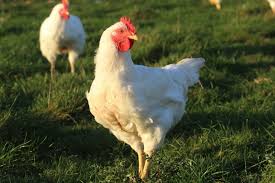 (Beyond Pesticides, March 16, 2018) In a pattern of U.S. Department of Agriculture (USDA) actions that hurt the integrity of the organic label on food products, the agency has decided to withdraw final organic animal welfare regulations that would have provided standardized and measurable criteria for managing the health and welfare of organic livestock and poultry. USDA’s latest decision is another in a series of actions aimed at lowering the bar of organic integrity in order to serve the needs of large organic producers. In November of 2017, the National Organic Standards Board (NOSB), backed by the National Organic Program (NOP), rolled back decades of agreement that organic agriculture is soil-dependent, by allowing soil-less hydroponic operations to be certified organic. This has sparked stakeholders to collaborate on the development of an add-on label to certified organic food, with standards that meet the intent and letter of organic law.
Despite widespread stakeholder disagreement and evidence to the contrary, USDA has concluded that the organic animal husbandry practice standards do not need to be improved because existing regulations are “robust” and “effective,” despite widespread stakeholder disagreement. USDA justified withdrawing the regulations, by stating that they could “have a negative effect on participation in the National Organic Program.”
Consensus on key elements in the Organic Livestock and Poultry Production (OLPP) final rule emerged after decades of horse trading between farmers, organic food producers, public interest organizations, retailers, the public and NOP. While not everyone agreed on all aspects, there was widespread agreement that the adoption of a baseline rule was long overdue. After five rewrites, stakeholders were able to overlook their differences, agree to disagree and unite in their call for the establishment of basic regulations. Their goal was to codify the strong animal welfare practices required by organic dairy, meat, poultry and egg producers in order to protect animal health and wellbeing and to maintain consumer confidence in these organic markets.
Investigative research into organic CAFO-like livestock feedlots and hen houses have underscored the urgency for USDA to take action to remedy transgressions in organic poultry and livestock management. In its expose “Scrambled Eggs” Cornucopia reveals how large organic poultry producers pack flocks of 150,000 hens or more into overcrowded, dimly lit warehouses. Photos show that such facilities lack pasture and access to the outdoors which inhibits the hens’ natural behavior of pecking, scratching and rooting in the soil. Some large producers skirt the outdoor access requirements by providing concrete slabs with no natural vegetation. Others have a few doors at their facility that are so small that outdoor access is not possible for most birds in the flock. For these reasons and many others, organic stakeholders have been pushing for the adoption of organic animal welfare rules since the passage of the Organic Foods Production Act (OFPA) in 1990.
In response to USDA’s notice to withdraw the final rule, a broad base of stakeholders rallied in January 2018 to support the adoption of the OLPP. An overwhelming majority of 63,000 out of 72,000 comments sent to USDA supported the rule. Only 50 commenters opposed it, primarily big Ag such as the American Farm Bureau Federation and the National Pork Producers Council. They argued, with little understanding of organic consumer expectations, that animal welfare has nothing to do with organic. In contrast, OLPP rule advocates stressed the essentiality of the rule in preventing animal cruelty by ensuring universal compliance with mandatory, standardized organic animal welfare practices and prohibitions. The regulations would have established minimum requirements for critical welfare management practices such as stocking densities for organic chickens inside and outside, their access to the outdoors and vegetation, and humane transport and slaughter conditions for livestock and poultry.
Congressional Representatives Peter DeFazio, Rosa DeLauro, Ron Kind and Chellie Pingree have also long-championed the need for explicit animal welfare regulations. In a strongly worded press release, they expressed their “extreme disappointment” with USDA’s regulation grab and chastised the agency for basing its decision on “false contentions including the fact that it would hurt participation in the NOP.” By withdrawing the final rule, they argue that “USDA has ignored both the public and organic industry stakeholders. Without clear standards from USDA, we are worried businesses in our Districts will suffer as consumers lose confidence in the organic label.”
In an earlier attack on organic integrity, in 2016, without public input, the NOP reversed the process by which synthetics are allowed in organic – from cycling them out of organic production every five years to now retaining them indefinitely, unless a successful appeal is made to disallow them. Illegal, cheap organic grain imports are on the rise while USDA does little to increase its inspection and enforcement efforts. This inaction hurts U.S. organic grain growers and decreases their ability to remain competitive.
These increasing organic rollbacks, many of which threaten to break the backbone of organic, have inspired the creation of two organic-plus labels, complete with their own inspection and certification systems. Both the Real Organic Project and Regenerative Organic Certification plan to use USDA’s organic certification as the foundation of their labels and then add-on crucial organic provisions that have been revoked or not yet addressed by USDA. Soilless production systems do not qualify for either program and animal welfare provisions will provide a cornerstone for both labels. While still in various stages of development, the labels are also considering the addition of some fair trade and social justice provisions, which many feel are sorely lacking in USDA’s organic regulations.
Now more than ever we need your help in Keeping Organic Strong. Comments to the NOSB, the stakeholder advisory Board to USDA on all matters organic, are due on April 4th. Check out Beyond Pesticides’ website to read our submissions to the NOSB, which will be posted over the course of the next week. Feel free to borrow liberally from them to help you draft comments on those organic issues most important to you.
Sources: Beyond Pesticides; Civil Eats; Organic Advocacy
Posted in Agriculture, Alternatives/Organics, National Organic Standards Board/National Organic Program, Uncategorized, US Department of Agriculture (USDA) by: Beyond Pesticides
No Comments
15
Mar
 (Beyond Pesticides, March 15, 2018) On Tuesday, a group of 56 scientists studying the effects of neonicotinoids sent a letter to California’s Department of Pesticide Regulation (CDPR) highlighting the threat neonicotinoids pose to the health of California’s waterways. The scientists urge CDPR to take steps to reduce neonicotinoid contamination of the state’s streams and rivers. This comes as neonicotinoids were recently reported to be pervasive throughout the Great Lakes, and federal assessments confirm high risks to aquatic species.
According to the letter, neonicotinoids are already found in California waterways at levels that exceed the freshwater invertebrate aquatic life benchmarks and could harm or kill many sensitive aquatic invertebrate species. Citing a 2016 study by the Xerces Society that found imidacloprid frequently in California’s rivers and streams at levels harmful to species such as mayflies and caddisflies. Imidacloprid samples in California from 2010-2015 showed that 42% (197 of 468) of detections exceeded the acute invertebrate benchmark and all of the detections exceeded the chronic invertebrate benchmark. In certain regions of the state, particularly agricultural areas, the imidacloprid benchmark for acute effects was more frequently exceeded.
The scientists note these chemicals can “have consequences for broader ecosystems. Declines in aquatic invertebrates put other species at risk, particularly insectivorous fish, amphibians, and birds. Changes in aquatic invertebrate communities resulting from exposure to insecticides can also affect ecosystem functions, potentially leading to increased methane production or upsurges in pest species like mosquitoes.”
Accordingly, the scientists request CDPR consider actions to limit imidacloprid contamination and assess the risks the other neonicotinoids may pose in the state. Earlier this year, new data from the U.S. Geological Survey (USGS) reveals the year-round presence of neonicotinoids in the Great Lakes – the world’s largest freshwater ecosystem. The study, Year-round presence of neonicotinoid insecticides in tributaries to the Great Lakes, USA, sampled ten major tributaries to the Great Lakes from October 2015 to September 2016. Neonicotinoids were detected in every month sampled. At least one neonicotinoid was detected in 74 percent of the samples, with 10 percent of samples containing three neonicotinoids. The most frequently detected neonicotinoid was imidacloprid (53%), followed by clothianidin (44%), thiamethoxam (22%), acetamiprid (2%), and dinotefuran (1%).
The U.S. Environmental Protection Agency (EPA) released preliminary ecological (non-pollinator) assessments for the neonicotinoids clothianidin, thiamethoxam, dinotefuran and the terrestrial ecological assessment for imidacloprid earlier this year, finding that these pesticides pose both acute and chronic risks to aquatic life and birds. The aquatic assessment for imidacloprid, also released last year, finds that it threatens the health of U.S. waterways with significant risks to aquatic insects and cascading effects on aquatic food webs.
Neonics are detected regularly in the nation’s waterways at concentrations that exceed acute and chronic toxicity values for sensitive organisms. As a result of risks to aquatic organisms, the Canadian pesticide regulatory agency has recommended banning imidacloprid, a decision that has been delayed. In Europe, a recent survey finds that streams across the United Kingdom (UK) are contaminated with neonicotinoids.
The Beyond Pesticides report Poisoned Waterways documents the persistence of neonicotinoids in U.S. waterbodies and the danger they cause to aquatic organisms, resulting in complex cascading impacts on the aquatic food web. The report also highlights current regulatory failures of EPA aquatic standards, which continue to underestimate risks to sensitive species, due to a reliance on test protocols that do not reflect real-world exposures or susceptibilities.
Take Action: Tell EPA that neonicotinoids pose unacceptable risks to pollinators, aquatic life, and birds! And, ask your Congressional delegation push EPA to stop the use of neonicotinoids.
All unattributed positions and opinions in this piece are those of Beyond Pesticides.
Source: The Xerces Society
Posted in Aquatic Organisms, Biodiversity, California, contamination, Imidacloprid, neonicotinoids, Pesticide Regulation, Water by: Beyond Pesticides
No Comments
14
Mar
(Beyond Pesticides, March 14, 2018) The annual count of Monarch butterflies overwintering in Mexico shows declines 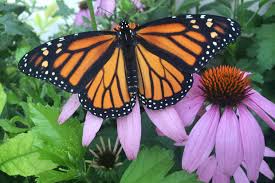 from last year’s numbers—a 15 percent decrease –according to figures from an official Mexican government count in the winter of 2017. These numbers underscore how at risk the iconic animal is, with a possible collapse of migration if populations are critically low.
Monarch butterflies (also known as Eastern Monarchs) embark on an impressive migration every year. Roughly 99 percent of all North American monarchs migrate each winter to oyamel fir forests on 12 mountaintops in central Mexico. Scientists estimate the population size by measuring the area of trees turned orange by the clustering butterflies. But for the second year in a row, its numbers are declining — 2.48 hectares of occupied winter habitat is down from 2.91 hectares last winter. Apart from partial rebounds in the winters of 2001 and 2003, numbers have gone down steadily since 1996. Overall monarchs have declined by more than 80 percent over the past two decades.
Earlier this year, Western Monarchs – those found west of the Rocky Mountains – overwinter in coastal California forests, were also found to be declining at an alarming rate, with scientists and conservation groups pointing to man-made factors like logging, climate change, and herbicide use on genetically engineered (GE) crop fields as primary drivers. A study conducted by the U.S. Fish and Wildlife Service last year on the butterfly’s dwindling population indicates that western monarchs have an extinction risk of 86% within the next 50 years. Within only 20 years, the risk is still 72%.
This year’s drop in Monarch populations is attributed in part to unseasonal weather last year including late spring freezes that killed milkweed and caterpillars, and an unseasonably warm fall that kept late-season monarchs from migrating. A 2017 study by the World Wildlife Fund and other conservation groups determined that the population has decreased by 80% since the 1990s, further warning that within 20 years eastern monarch’s iconic migration route from Canada to Mexico could completely, and likely irreversibly, collapse.
A range of factors have been linked to monarch declines. Natural events such as extreme weather, wildfires and smoke have been discussed, but a greater emphasis has been placed on manmade impacts. Climate change can alter the migration patterns. Legal and illegal logging and development in Mexico and coastal California has eliminated significant habitat for monarch overwintering. And milkweed, the sole source for female monarchs to lay eggs and perpetuate the species, once abundant throughout the entirety of the United States, is now nearly eradicated around farmland through which the species makes its annual migration. An estimated 165 million acres of breeding habitat in the United States has been lost to herbicide spraying (particularly on GE cropland) and development.
In 2014, conservationists led by the Center for Biological Diversity and the Center for Food Safety petitioned the U.S. Fish and Wildlife Service to protect the butterfly under the Endangered Species Act. Monarchs are threatened by a host of sources destroying their habitat and food, but studies have shown that a main source of their catastrophic demise decline has been genetically engineered crops, engineered with resistance to Monsanto’s Roundup pesticide, which has dramatically increased the pesticide use on their habitat. The Fish and Wildlife Service’s initial decision was that endangered species protection may be warranted, and pursuant to a court victory the Service agreed to make a final decision by June 2019.
Later last year, over 100 conservation and environmental groups urged the federal government to increase funding to protect and conserve monarch butterflies. The groups sent a letter to the U.S. Department of Agriculture (USDA) to do more to help the imperiled butterfly. The letter requests the agency increase the allotment of conservation funds from $4 million- spent last year- to $100 million. The increase in funds is needed for efforts to increase milkweed habitat. Currently, USDA has taken some steps to protect monarchs. These include the implementation of the Monarch Butterfly Habitat Development Project and support of the Monarch Butterfly Conservation Fund. But, according to the letter, “Restoring the monarch butterfly and its habitat will require a substantial contribution from the agricultural sector and strong leadership…”
Changing the way we farm can make an immense difference for the protection of monarchs and other pollinators. Help pollinators by only purchasing products that don’t allow GE crops or toxic systemic insecticides. Certified organic agricultural practices successfully produce profitable yields while managing to not poison the air, water, soil, vegetation, and other wildlife around their farm.
All unattributed positions and opinions in this piece are those of Beyond Pesticides.
Source: Center for Biological Diversity
Posted in Fish and Wildlife Service (FWS), Pollinators, Uncategorized by: Beyond Pesticides
No Comments
13
Mar
(Beyond Pesticides, March 13, 2018) Do you want to take toxic pesticides out of your community? Then there’s nothing better you can do in April than attend Beyond Pesticides’ 36th National Pesticide Forum this year, Organic Neighborhoods: For healthy children, families, and ecology, April 13-14, in Irvine, California. Discounted early bird registration ends this week on Thursday, March 15. This is a unique opportunity to share knowledge with those on the cutting edge of research, meet with effective advocates to talk organizing and policy strategy on protecting people and the environment, and learn from practitioners on implementation of plans for organic management practices without toxic pesticides.

Speaking at the Forum, Carey Gillam, investigative reporter and author of Whitewash: The Story of a Weed Killer, Cancer, and the Corruption of Science. The story of Monsanto and the marketing of glyphosate (Roundup).
Why It’s Important to Attend the Forum
Organic Neighborhoods: for healthy children, families, and ecology reaffirms the value of bringing people together to share the latest science, policies, and practices to protect our communities from toxic pesticide use. We take a positive approach in showcasing the opportunities to adopt organic practices that eliminate the need for toxic chemicals. Change is emanating from communities and businesses across the country because federal and, too often, state governments are not functioning as they should for the common good.
Topics include environmental health, organic land management, pollinator protection, managing invasive species, local action, and protecting waterways.
Sponsors
The meeting is convened by Beyond Pesticides, University of California Irvine’s Center for Occupational and Environmental Health, and Non Toxic Irvine, and sponsored by Center for Regenerative Agriculture, Californians for Pesticide Reform (CPR), Agriculture and Land-Based Training Association (ALBA), Audubon California, Center on Race, Poverty & the Environment (CRPE), Theodore Payne Foundation for Wild Flowers and Native Plants, Parents for a Safer Environment, American Bird Conservancy (ABC), Moms Across America, Moms Advocating Sustainability, and more. Major corporate sponsors include Organic Valley, Dr. Bronners, Stonyfield, and Tabard Inn.
Check out this partial list of confirmed speakers below and see complete speaker list and bios here.
Carey Gillam, author and reporter, Whitewash: The Story of a Weed Killer, Cancer, and the Corruption of Science
Johnny Gonzales, environmental land management field operations manager, delivering ecological land management with managed goat grazing for invasives and fire mitigation throughout Southern California
Steve Sprinkel, president of the Ojai Center for Regenerative Agriculture, and farms 12 organic acres
John Bohert and Scott Eldredge, Eldredge Lumber and Hardware, converting ACE hardware store to organic compatible products
Scott P. Carroll, PhD, biologist, Institute for Contemporary Evolution, UC Davis advocates conservation biology in understanding invasive plant management
Phillip Ackerman-Leist, professor of Sustaining Agriculture and Food Systems at Green Mountain College, farmer, and author of A Precautionary Tale
Tyrone Hayes, PhD, professor of Integrative Biology at UC Berkeley, and groundbreaking researcher on endocrine disruptors
Angel Garcia, community organizer and founder of Coalition Advocating for Pesticide Safety.
Sandy DeSimone, PhD, director of Research and Education at Starr Ranch Sancturary
Nayamin Martinez, MPH, director of the Central California Environmental Justice Network (CCEJN)
Caroline Cox, research director, Center for Environmental Health, tracking pesticide science and law
Meg Sears, PhD, an Ottawa-based scientist, and Chair of Prevent Cancer Now
James Nieh, PhD, professor of Biological Sciences at UC San Diego, focusing on bee communication, cognition, and health, as well as the effects of neonicotinoid pesticides on honey bee behavior
Chip Osborne, president, Osborne Organics, organic turfgrass and landscape expert, successfully implements organic land management nationwide
Warren Porter, PhD, professor of Zoology and Environmental Toxicology at the University of Wisconsin Madison, researching pesticides and genetically engineered organisms
Routt Reigart, MD, professor emeritus of Pediatrics, Medical University of South Carolina, one of the nation’s top pediatric experts on pesticides, author of Recognition and Management of Pesticide Poisoning
Bruce Blumberg, PhD, professor of Developmental and Cell Biology at UC Irvine School of Biological Sciences, studying epigenetic pesticide effects
Dean Baker, MD, MPH, former director, Center for Occupational and Environmental Health and Professor of Medicine, Epidemiology, and Public Health at UC Irvine
Kim Konte, board member, Non Toxic Irvine, spearheading Irvine, CA ordinance transitioning city to organic land management
Jay Feldman, executive director, Beyond Pesticides, supporting advocacy for federal, state, and local policies and practices
City of Irvine officials, transitioning the community to organic land management
See Forum flyer here.
* If you would like more information about the Friday (April 13) field trip, touring the California Starr Ranch Sanctuary, examples of organically managed playing fields, and an “approaches to managed-goat-grazing” demonstration (courtesy of Environmental Land Management), please email: [email protected]
See you at the Forum!
Posted in Uncategorized by: Beyond Pesticides
No Comments
12
Mar
(Beyond Pesticides, March 12, 2018)  European Regulators Confirm Neonicotinoids Harm Bees, Increasing Likelihood of Continent-Wide Ban
A comprehensive assessment released last week by the European Food Safety Authority (EFSA) confirmed that neonicotinoids, the most widely used class of insecticides in the world, pose risks to honey bees and wild pollinators. EFSA analyzed over 1,500 studies from academia, beekeeper associations, chemical companies, farmer groups, non-governmental organizations, and national regulators. EFSA’s risk assessment provides a definitive, independent conclusion that overall, continued use of these chemicals risks the long-term health of pollinator populations.
Tell Your Governor to Ban Neonicotinoid Insecticides
“The availability of such a substantial amount of data as well as the guidance has enabled us to produce very detailed conclusions,” said Jose Tarazona, PhD, head of EFSA’s Pesticides Unit in a press release. This is EFSA’s second comprehensive evaluation of the three most commonly used neonicotinoids: imidacloprid, clothianidin, and thiamethoxam. Earlier research finalized in 2013 led the European Union (EU) to ban use of the three neonicotinoids on agricultural flowering crops. The new assessment applies EFSA guidance to assessing risks to bees and on the initial review. It includes literature not only on honey bees, but also on wild pollinators, including bumblebees and solitary bees.
EFSA stresses that although some low risks were identified, “In most of the cases where some low risks were identified for a particular use, high risks were also identified for the same use.” Risk assessors looked at three broad routes of exposure: residues from pollen and nectar, dust drift during sowing or application of neonicotinoid-treated seeds, and water consumption. While, for instance, looking at canola production, EFSA determined that chemical residues in nectar and pollen pose a low risk to honey bees, they are at the same time deemed a high risk for bumblebees, and residues via dust drift are likewise considered a high risk to honey bees. Thus, the researchers emphasize that their conclusion of risk is broad and all-encompassing.
That aspect is important, because throughout the over 11-year crisis, the major manufacturers of neonicotinoids, Bayer and Syngenta, as well as companies like Monsanto that coat their proprietary seeds in these chemicals, have worked hard to muddle and spin scientific conclusions around neonicotinoids. One study showing low risks to one pollinator does not negate high risks to another species, but the chemical industry seeks to downplay hazards, despite the preponderance of evidence linking bee decline to pesticides. Between now and the European Commission’s upcoming vote, these efforts are likely to increase in the media, as well as behind closed doors.
EFSA’s assessment should be a wake-up call for federal and state regulators in the U.S. In January 2017, the U.S. Environmental Protection Agency (EPA) released its risk assessment documents on pollinator exposure to neonicotinoids, finding no significant risks despite the overwhelming scientific literature and despite identifying instances where bees could be put at risk.
The differences between EPA’s and EFSA’s conclusions highlight the problem with the U.S. system for registering and evaluating pesticides, but also points to an agency that is close to the companies it regulates. While EFSA considered a range of independent data for its assessments, EPA only considers information provided by pesticide manufacturers. The agency has the ability to review independent science or call in additional information from producers to ensure there are no adverse effects from a pesticide’s use, but often neglects to do so. The agency also ignores or minimizes the effect of entire routes of exposure. EPA’s assessment did not consider risks from exposure via water consumption, and did not conduct an assessment on exposure from the dust drift off of treated seeds, instead citing best management practices to reduce dust. Rather than ban or even restrict neonicotinoids, EPA’s only concrete response has been to slightly alter the label language on neonicotinoid products. At present, the agency is preparing to reregister these insecticides for another 15-year period.
In view of EPA’s failure to act, states must take the lead in protecting the nation’s pollinators.
Tell Your Governor to Ban Neonicotinoid Insecticide
Letter to Governor:
Please take action to protect pollinators in our state by banning neonicotinoid insecticides. A comprehensive assessment released last week by the European Food Safety Authority (EFSA) confirmed that neonicotinoids, the most widely used class of insecticides in the world, pose risks to honey bees and wild pollinators. EFSA analyzed over 1,500 studies from academia, beekeeper associations, chemical companies, farmer groups, non-governmental organizations, and national regulators. EFSA’s risk assessment provides a definitive, independent conclusion that overall, continued use of these chemicals risks the long-term health of pollinator populations.
The risk assessment stresses that although some low risks were identified, “in most of the cases where some low risks were identified for a particular use, high risks were also identified for the same use.” Risk assessors looked at three broad routes of exposure: residues from pollen and nectar, dust drift during sowing or application of neonicotinoid-treated seeds, and water consumption. While, for instance, looking at canola production, EFSA determined that chemical residues in nectar and pollen pose a low risk to honey bees, they are at the same time deemed a high risk for bumblebees, and residues via dust drift are likewise considered a high risk to honey bees. Thus, the researchers emphasize that their conclusion of risk is broad and all-encompassing.
The differences between EPA’s and EFSA’s methodologies highlight the problem with the U.S. system for registering and evaluating pesticides, but also point to an agency that is close to the companies it regulates. While EFSA considered a range of independent data for its assessments, EPA only considers information provided by pesticide manufacturers. The agency has the ability to review independent science or call in additional information from producers to ensure there are no adverse effects from a pesticide’s use, but generally neglects to do so. The agency also ignores or minimizes the effect of entire routes of exposure. EPA’s assessment did not consider risks from exposure via water consumption, and did not conduct an assessment on exposure from the dust drift off of treated seeds, instead putting the responsibility on farmers or applicators to reduce dust. Rather than ban or even restrict neonicotinoids, EPA’s only concrete response has been to slightly alter the label language on neonicotinoid products. At present, the agency is preparing to reregister these insecticides for another 15 year period.
As Governor, you have the authority and responsibility to protect our environment. In the absence of adequate federal action, it is critical that you take action to protect pollinators. Please take the necessary action to ban neonicotinoid insecticides.
Thank you.
Posted in Bayer, Clothianidin, Imidacloprid, Increased Vulnerability to Diseases from Chemical Exposure, International, neonicotinoids, Pollinators, Thiamethoxam, Uncategorized by: Beyond Pesticides
No Comments
09
Mar
(Beyond Pesticides, March 9, 2018) Milk from 100% grass-fed cows has higher levels of beneficial  fatty acids than conventional and even organic milk, according to a study published by an international team of scientists in the journal Food Science and Nutrition. The research follows up on data published in 2013, which compared only conventional and organic milk, finding organic milk contained 62 percent more omega-3 fatty acids and 25 percent fewer omega-6s. “Grassmilk farmers have long been telling us that they believed the nutrition of this milk was higher than that of the milk they were producing when they were still feeding grain,” said Logan Peterman, agricultural research and analytics manager at Organic Valley to Wisconsin Public Radio. “We kind of set about to test that question and really make sure that the signal was there, that we could be certain of it, that we were following the correct methods and also that it was sort of refereed by an outside party.”
The study compared the composition of several fatty acids within the three types of milk tested (conventional, organic, and grass-fed). Of primary concern was the ratio of omega-6 to omega 3 fatty acids. Although omega-6s are not necessarily bad fats, high amounts or unbalanced ratios of omega-6 to omega-3s has been linked to a range of health problems, from cardiovascular disease, to cancer and other illnesses. High consumption of omega-3s, on the other hand, is linked to reduced risks of a number of diseases, including diabetes, high blood pressure, high cholesterol, cancer, and many other chronic disorders. The diet of early humans maintained a ratio of 1, but modern Western food production, with its focus on processed and hydrogenated fats, has raised that ratio to an average of 15.
Looking at over 1,600 milk samples over a 3-year span, results found ratios of omega-6 to omega-3 to be .95 for 100% grassfed milk, 2.28 for organic milk, and 5.77 in conventional milk.
While organic milk producers are required to graze their heard for at least 120 days during the growing season, only 30% of their diet is required to come from grass eaten when pastured, with grains intake permitted. The grass-fed milk in the study was defined as requiring 60% of a cow’s diet from pasture feeding, with nongrazing portion coming from forage-based feeds such as clover, grass hay, or alfalfa; grain and silage are not permitted. Conventional dairies have no such requirement, and are often fed silage from genetically engineered grains, which are not allowed in either grass-fed or organic dairy operations.
The research also found that, given limited fatty acids in the typical Western diet, switching to grass-fed milk could decrease an individual’s omega-6 to omega-3 intake ratio by as much as 8 points and potentially decrease the risk of certain diseases. Although the researchers acknowledge the benefits of fish and shellfish as a major source of beneficial fatty acids, past studies show the majority of Americans do not consume enough or any oily fish. Moreover, grass fed milk can supply certain omega-3s that fish oils cannot, and vice versa, indicating that an all of the above strategy may be best.
Co-author of the study Bradley Heins, PhD, of the University of Minnesota points to the potential for organic dairies to receive an additional cost premium for switching to 100% grass feed. “With growing demand for organic dairy products, producers may be able to expand their profitability and market share by converting to grass-based pasture and forage-feeding,” he said to ExpressUK.
While grass-fed and organic milk may cost a bit more, it can be said that consumers purchasing these products are simply paying the “true cost” it takes to produce this food. The price of conventional milk does not account for the health costs one may pay down the road by missing out on essential nutrients. Nor does it include the environmental pollution caused by confined animal feed operations (factory farms), or adequately consider the well-being of animals producing this food.
Studies consistently back up claims that organic food is more nutrient dense than conventional products. A study published in 2016 by a team of European researchers found organic milk and meat contained 50% more omega-3 fatty acids, as well as slightly higher concentrations of iron, vitamin E and some carotenoids.
It is worth noting that the organic industry has a problem when it comes to the issue of milk production and factory farms. Aerial photographs taken by the Cornucopia Institute in 2014 showed cows in cramped conditions with no access to pasture as required under organic law. These and other issues contributed to an impassioned statement on threats to organic integrity by retiring National Organic Standards Board member Francis Thicke late last year. See also a new technique being developed to verify grass-fed claims.
The good news is that new tools are coming to the market that should allow consumers peace of mind that the cows that produced their milk were grazed on grass, and identify rule-breaking dairies.
For more information about the benefits of organic production, see Beyond Pesticides Why Organic webpage.
All unattributed positions and opinions in this piece are those of Beyond Pesticides.
Source: Food Science and Nutrition, Wisconsin Public Radio
Posted in Agriculture, Alternatives/Organics, Uncategorized, US Department of Agriculture (USDA) by: Beyond Pesticides
No Comments
08
Mar
(Beyond Pesticides, March 8, 2018) Simple approaches that increase populations of vertebrate  predators, like bats and falcons on farms, can reduce pesticide use, increase on-farm productivity, and conserve wildlife, according to a literature review published by researchers at Michigan State University in the journal Agriculture, Ecosystems and Environment. The review encompasses 48 studies published over the last 150 years on the effect of human interventions to enhance natural ecosystem services. Results point not only to new methods to improve on-farm pest management, but also potential ways to engage farmers and citizen scientists in implementing these win-win strategies.
Researchers looked at a number of methods tested in the scientific literature that would increase on-farm populations of vertebrate pest predators. Broadly, discrete approaches such as installing structures like nest boxes, perches, and artificial roosts were investigated alongside more wide-ranging systems aimed at altering habitat and increasing landscape complexity. The latter includes methods such as installing field borders, increasing tree cover, reintroducing native species, and eliminating invasives.
The more discrete approaches provided a simpler, more accessible, and less expensive method of pest management when compared to approaches that require more wide-ranging landscape changes, though the benefits of those activities were not negligible. Nest boxes were found to successfully increase the abundance of predator species. Populations of western bluebirds increased by a factor of 10 when nest boxes were installed as part of a study on California vineyards, and vineyards without the nest boxes saw significantly higher pest levels when compared to those with bluebird boxes. In Europe, apple orchards that installed nest boxes for the native great tit bird saw 50% less pest damage than orchards that did not install the structures. Likewise, the installation of artificial bat roosts around Spanish rice fields led to significant declines in major moth pests over a 10 year period. When perches were installed around Australian soybean fields, raptors and other predatory birds caused a statistically significant decline in mouse populations.
The creation of field borders – strips of non-crop flowers and plants – did represent a successful method of improving populations of vertebrate pest predators. Studies reviewed found that bird abundance around these strips grew as the distance between cropland and forested areas increased, indicating potentially significant benefits of this practice for otherwise monotypic row crop farms.
In considering research on the addition of tree cover, studies have found mixed results. While some work indicates higher populations of various birds on farms of shade-grown coffee, other show species richness to be greater in sun-grown fields. That being said, studies generally indicate that increasing tree cover is likely to improve vertebrate pest control services.
Reintroducing native species can be a multifaceted, costly undertaking, and as a result of misperceptions about large carnivores, is more successful when the species is smaller, well-known, and non-threatening for people and farmers. A case study following the introduction of the New Zealand falcon into region known for its grape production found that the predators reduced fruit loss from pest bird species.
Both structural and landscape-level strategies can interact with one another. In one example, nest boxes installed to promote kestrel populations in Michigan were displaced by the widespread and invasive European starling. Although the solution to this problem is as simple as removing the nests, it indicates broader efforts may be necessary to maintain discrete approaches.
In sum, these methods provide a myriad of benefits. The economic value of vertebrate predators in reducing pests is significant. Bats alone contribute millions of dollars in pest-controlling ecosystem services – one study reviewed found that the loss of bats in Indonesian cacao fields would decrease yields by over 700 lb per hectare, a loss of $730 per year per hectare. The falcons reintroduced to New Zealand grape fields saved farmers there between $234 and $326 as a result of decreased pest bird consumption of fruit. In addition to monetary benefits, structures like nest boxes help conserve species by enhancing local populations, as occurred with the reintroduction of kestrels in Michigan.
Critically, these strategies help replace the over $15.2 billion American farmers spent purchasing pesticides in 2016. However, as researchers indicate, the true cost of pesticide use, through the poisoning of humans and animals, the displacement of pest predators, and contamination of our environment may increase that number by over $10 billion.
This review provides sound evidence in favor of farmers implementing simple, environmentally sustainable pest management methods. Researchers note the need to further investigate ways to engage farmers and citizens to participate in these activities, potentially through social networks, games such as the Ebird mobile app, and other tools. “Now that we’ve bundled these studies, we really need to set a research agenda to quantify best practices and make the results accessible to key stakeholders, such as farmers and environmentalists,” said lead author of the study Catherine Lindell, PhD to the National Science Foundation.
For more information on the benefits of not only vertebrate predators, but a wide range of wildlife species in reducing pesticide use, see Beyond Pesticides’ Wildlife Program page.
All unattributed positions and opinions in this piece are those of Beyond Pesticides.
Source: National Science Foundation, Agriculture, Ecosystems and Environment
Posted in Agriculture, Alternatives/Organics, Uncategorized by: Beyond Pesticides
No Comments
07
Mar
(Beyond Pesticides, March 2, 2018) Neonicotinoids, the most widely used class of insecticides in 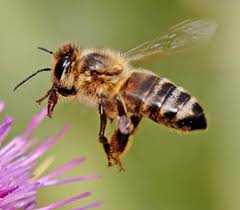 the world, do pose risks to honey bees and wild pollinators, according to a comprehensive assessment released last week by the European Food Safety Authority (EFSA). Encompassing an analysis of over 1,500 studies from academia, beekeeper associations, chemical companies, farmer groups, non-governmental organizations, and national regulators, EFSA’s risk assessment provides a definitive, independent conclusion that overall, continued use of these chemicals risks the long-term health of pollinator populations. After delaying a vote that would ban all outdoor uses of neonicotinoids in December in anticipation of EFSA’s assessment, the European Commission will revisit the issue as soon as March 22.
“The availability of such a substantial amount of data as well as the guidance has enabled us to produce very detailed conclusions,” said Jose Tarazona, PhD, head of EFSA’s Pesticides Unit in a press release. This is EFSA’s second comprehensive evaluation of the three most commonly used neonicotinoids: imidacloprid, clothianidin, and thiamethoxam. Earlier research finalized in 2013 led the European Union (EU) to ban use of the three neonicotinoids on agricultural flowering crops. The new assessment builds upon the initial review, and includes literature not only on honey bees, but also risks to wild pollinators, including bumblebees and solitary bees.
EFSA stresses that “overall” is the key word in their assessment. “There is variability in the conclusions, due to factors such as the bee species, the intended use of the pesticide and the route of exposure,” Dr. Tarazona said. “Some low risks have been identified, but overall the risk to the three types of bees we have assessed is confirmed.” Risk assessors looked at three broad routes of exposure: residues from pollen and nectar, dust drift during sowing or application of neonicotinoid-treated seeds, and water consumption. While, for instance, looking at canola production EFSA determined that chemical residues in nectar and pollen posed a low risk to honey bees, they were at the same time deemed a high risk for bumblebees, and residues via dust drift were likewise considered a high risk to honey bees. Thus, the researchers emphasize that their conclusion of risk is broad and all-encompassing.
That aspect is important, because throughout the over 11 year crisis, the major manufacturers of neonicotinoids, Bayer and Syngenta, as well as companies like Monsanto that coat their proprietary seeds in these chemicals, have worked hard to muddle and spin scientific conclusions around neonicotinoids. One study showing low risks to one pollinator does not negate high risks to another species, but the chemical industry seeks to downplay hazards, despite the preponderance of evidence linking bee decline to pesticides. Between now and the European Commission’s upcoming vote, these efforts are likely to increase in the media, as well as behind closed doors.
EFSA’s assessment should also be a wake-up call for U.S. regulators. In January 2017, the U.S. Environmental Protection Agency (EPA) released its risk assessment documents on pollinator exposure to neonicotinoids, finding no significant risks despite the overwhelming scientific literature and despite identifying instances where bees could be put at risk.
The differences between EPA’s and EFSA’s conclusions highlight the problem with the U.S. system for registering and evaluating pesticides, but also points to an agency that is close to the companies it regulates. While EFSA considered a range of independent data for its assessments, EPA only considers information provided by pesticide manufacturers. The agency has the ability to review independent science or call in additional information from producers to ensure there are no adverse effects from a pesticide’s use, but often neglects to do so. The agency also ignored or minimized the effect of entire routes of exposure. EPA’s assessment did not consider risks from exposure via water consumption, and did not conduct an assessment on exposure from the dust drift off of treated seeds, instead citing best management practices to reduce dust. Rather than ban or even restrict neonicotinoids, EPA’s only concrete response has been to slightly alter the label language on neonicotinoid products. At present, the agency is preparing to reregister these insecticides for another 15 year period.
The Saving America’s Pollinator’s Act (SAPA), sponsored by U.S. Representatives Earl Blumenauer (D-OR) and Jim McGovern (D-MA), will suspend the use of neonicotinoids until EPA conducts a full scientific review and ensures that these chemicals will not harm pollinators. In the face of EPA inaction, urge your member of Congress to protect pollinators by joining as a cosponsor of SAPA. For more information on how you can act to protect pollinators, visit the Bee Protective webpage.
All unattributed positions and opinions in this piece are those of Beyond Pesticides.
Source: EFSA Press Release
Posted in Bayer, Environmental Protection Agency (EPA), neonicotinoids, Pollinators, Syngenta, Uncategorized by: Beyond Pesticides
No Comments
06
Mar
(Beyond Pesticides, March 6, 2018) Dover, New Hampshire is the latest community in the U.S. to  restrict the use of toxic pesticides, and move towards organic land management on all public property. By a unanimous vote of the City Council last week, Dover passed a resolution that requires the management of city land with “sound land management practices, and the use of least toxic compounds only when necessary, . . . thereby eliminating exposure to toxic pesticides on the part of our citizens and the environment.” The ordinance also instructs the city manager to “develop and execute a plan to transition the City to eliminate the use of synthetic fertilizers on City property.”
The resolution was spearheaded by Non Toxic Dover, a group of local advocates that engaged the city government on this issue for several years. “We are so grateful to the City of Dover NH for voting unanimously to take this important step to protect public health and our Great Bay estuary,” said Diana Carpinone, founder of Non Toxic Dover and lead advocate in the city for the new resolution. Ms. Carpinone said: “Thank you to the council and especially Councilor Shanhan for sponsoring the resolution. We look forward to the City implementing a successful organic program!”
Three years ago Beyond Pesticides executive director Jay Feldman and board member and president of Osborne Organics Chip Osborne testified in front of the Dover City Council, encouraging it to move toward organic practices. Working alongside city officials and Non Toxic Dover, the organization established two pilot sites in the city, at Henry Law Park, and Sullivan Ballfield, to transition from conventional to organic land care management. The pilot sites provided a foundation for local advocates to promote the feasibility and importance of restricting the use of toxic pesticides for cosmetic purposes.
Dover’s move toward organic land care follows the passage of a similar resolution in Portsmouth, NH, the first community in the state to move in this direction. As the expense to transition to organic land care continues to decline, reaching cost-parity with a chemical-based approach, and new and effective products and practices continue to hit the market, more and more communities are following the path that Dover and Portsmouth are taking. These policies not only save money while maintaining beautiful landscapes, they protect the most sensitive members of the community – children, the elderly and those with compromised immune systems. They also protect and foster and healthy environment, reducing the influx of toxic chemicals into local waterways, plants that pollinator forage upon, and the air we breathe.
Advocates hope that the influx of New Hampshire communities passing non-toxic policies will aid in the eventual adoption of statewide legislation, such as HB399, an act to protect children from pesticide use in places where they play, which failed by a close vote in the NH House of Representatives earlier this year.
Dover’s resolution is unique in that is also addresses the use of synthetic fertilizers. Similar to the elimination of toxic pesticides, the transition from chemical-intensive to organic land management requires a change from synthetic fertilizers to natural-based products, although elected officials haven’t historically included this issue within pesticide reform legislation. Given growing concern over nitrogen input into the Great Bay, the move by Dover’s elected officials could create significant improvements, as an estimated 70% of fertilizer pollution into the Bay comes from its use on lawns and landscapes. In an interview with Fosters, Dover Councilor Dennis Shanahan, champion of the resolution, said addressing fertilizer use “is the next logical step.”
Not only can fertilizers pollute local waterways, reducing biodiversity and degrading critical wildlife habitat, research finds that nitrogen pollution in groundwater is linked to birth defects, cancers, and thyroid problems when individuals are chronically exposed.
Although Dover cannot pass policies that restrict toxic pesticide use by private individuals, fertilizers are not currently subject to state pesticide preemption. However right now, Councilors hope that the City will act as a model for homeowners and residents to reduce pesticide and fertilizer use on their own properties.
If you’re interested in taking action in your own community to reduce and eliminate the use of toxic pesticides, tell us you’re ready by signing your name today. You’ll receive a detailed response with resources and strategies you can use to convince your elected leaders your community should go organic. See Beyond Pesticides website for information on organic land management and products compatible with organic management. Beyond Pesticides staff is also available to provide free consultations for advocates working towards pesticide-free local policies – simply call 202-543-5450 or email [email protected].
All unattributed positions and opinions in this piece are those of Beyond Pesticides.
Source: New Hampshire Union Leader, Fosters
Posted in Alternatives/Organics, Lawns/Landscapes, New Hampshire, Uncategorized by: Beyond Pesticides
No Comments
05
Mar
(Beyond Pesticides, March 5, 2018) Even if you don’t live in California, chances are that you eat  food that is grown there. Unless all that food is organic, some of it was probably sprayed with chlorpyrifos, exposing not only you, but also the farmworkers responsible for its cultivation and harvest. Farmworker families –especially children—who usually live close to the treated fields, suffer higher impacts than those living further away.
Tell Governor Brown to ban chlorpyrifos now, for the sake of the children.
Five months after the California Department of Pesticide Regulation (DPR) issued its weak and inadequate draft risk assessment for the brain-harming pesticide chlorpyrifos, the state’s Scientific Review Panel (SRP) ordered DPR back to the drawing board to produce a much stronger draft that properly considers the risk of harm to the developing brain.
In view of EPA’s retraction of its proposal to revoke food residue tolerances of the highly neurotoxic insecticide chlorpyrifos, despite its own assessment that the chemical is too toxic to children, it is especially important that California take action to ban the chemical. California, the home of the largest agriculture industry in the country, used over one million pounds of chlorpyrifos on over a million acres in 2012. EPA’s assessment is also supported by the classification of chlorpyrifos as a developmental toxicant by California’s Office of Environmental Health Hazard Assessment (OEHHA), which oversees the “Prop 65” list.
EPA’s assessment, which incorporates recommendations from a 2016 federal Scientific Advisory Panel (SAP), finds that children exposed to high levels of chlorpyrifos have mental development delays, attention problems, attention-deficit/hyperactivity disorder problems, and pervasive developmental disorders. The SAP agreed with EPA that there is an association between chlorpyrifos prenatal exposure and neurodevelopmental outcomes in children. In 2016, EPA concluded that there is “sufficient evidence” that there are neurodevelopmental effects at low levels, and that current approaches for evaluating chlorpyrifos’s neurological impact are “not sufficiently health protective.”
As stated by U.S. Senator Tom Udall (D-NM) in introducing S. 1624 to ban chlorpyrifos, “The science linking chlorpyrifos to brain damage and neurodevelopmental disorders in children is undeniable. The EPA’s own scientists have established that chlorpyrifos on food and in groundwater is a threat to public health and should be banned.”
Epidemiological data also points to subpopulations that are disproportionately affected by chlorpyrifos exposures. Low-income African-American and Latino families, including farmworker families, continue to suffer the most, and this disproportionate impact creates an environmental justice problem that the state cannot continue to ignore.
Tell Governor Brown to ban chlorpyrifos now, for the sake of the children.
Letter to Gov. Brown:
I am writing to ask you to take action to ban the highly neurotoxic insecticide chlorpyrifos because of its devastating effect on children’s brain function. I urge this action in view of the order by the state’s Scientific Review Panel telling DPR to produce a much stronger draft risk assessment for chlorpyrifos that properly considers the risk of harm to the developing brain, as well as EPA’s retraction, without new science, of its proposal to revoke food residue tolerances. California, the home of the largest agriculture industry in the country, used over one million pounds of chlorpyrifos on over a million acres in 2012.
EPA’s assessment agrees with the classification of chlorpyrifos as a developmental toxicant by California’s Office of Environmental Health Hazard Assessment (OEHHA), which oversees the “Prop 65” list. In 2016, EPA concluded that there is “sufficient evidence” that there are neurodevelopmental effects at low levels, and that current approaches for evaluating chlorpyrifos’s neurological impact are “not sufficiently health protective.”
Epidemiological data also points to subpopulations that are disproportionately affected by chlorpyrifos exposures. Low-income African-American and Latino families, including farmworker families, continue to suffer the most, and this disproportionate impact creates an environmental justice problem that the state cannot continue to ignore.
Please eliminate exposure to us and our children by banning this dangerous pesticide.
All unattributed positions and opinions in this piece are those of Beyond Pesticides.
Posted in Agriculture, California, Chlorpyrifos, Environmental Justice, Environmental Protection Agency (EPA), Farmworkers, Nervous System Effects, Uncategorized by: Beyond Pesticides
No Comments
02
Mar
(Beyond Pesticides, March 2, 2018) California’s Department of Food and Agriculture (CDFA) can no longer use toxic pesticides in accordance with its Statewide Plant Pest Prevention and Management Program, due to a Superior Court-ordered injunction issued last week. This action came in response to a lawsuit filed by the City of Berkeley and 11 public health, environmental, conservation, citizen and food safety groups, which argued that CDFA has failed in its duty to protect human health, the environment and the state’s organic agriculture. CDFA’s lack of compliance with California’s Environmental Quality Act (CEQA) resulted in the court’s suspension of “all chemical activities undertaken…to control or eradicate pests,” “unless and until” the agency corrects violations.
The injunction follows a January 8 court ruling annulling CDFA’s Program Environmental Impact Report (PEIR), due to numerous state environmental law violations. Under CEQA, agencies must produce an Environmental Impact Report (EIR –the California state equivalent of an EIS) for any project with potentially significant environmental impacts. Unlike the National Environmental Policy Act (NEPA), it also requires the state to prevent or mitigate negative impacts. Agencies may avoid conducting an EIR for each action by conducting a programmatic EIR (PEIR) for its program.
In its outline of implementation of the program, PEIR gave CDFA carte blanche to use more pesticides in a state already over-burdened with pesticides in the environment. In response, the court labeled CDFA’s analysis of the cumulative impacts of adding pesticides to the state’s already hefty environmental burden of over 150 million pounds released annually “woefully deficient.” It cited “unsupported assumptions and speculations” contained in the PEIR as a basis for concluding that pesticides would not contaminate waterbodies. Potentially significant pollinator impacts were also “improperly ignored.” The court further concluded that in PEIR CDFA had granted itself authority “to implement a broad range of practices without evaluating the site-specific conditions” as a basis for determining their impacts.
This nearly unprecedented court decision has put the future of the statewide pest control and management program in indefinite limbo. Despite years of contestations from the public and environmental organizations, CDFA has continued its indefensible pattern of managing pests by invoking emergency provisions in California’s Food and Agriculture Code. The emergency declarations exempt CDFA from requirements to analyze the health and environmental impacts of its pesticide applications and to provide notice and comment opportunities for public input into decisions that could threaten the welfare of their communities. This cloak of secrecy has angered local residents who have been exposed to an array of toxic and carcinogenic pesticides without advanced knowledge or consent in the name of “emergency pest eradication.“
CDFA’s Statewide Plant Pest Prevention and Management Program is an “effort by CDFA to protect California’s agriculture from damage caused by invasive plant pests.” Not too long ago, CDFA instituted an aerial spray program to attempt to eradicate the light brown apple moth (LBAM). Communities were bombarded by synthetic pheromones of an undisclosed composition sprayed from airplanes flying in grid patterns over houses, schools, workplaces and parks. Intensive public outcry in Northern California forced the agency to abruptly cancel their aerial strategy, an action that had little impact on the overall spread of the moth. In fact, to this day CDFA has not documented any damage whatsoever that it can attribute to the LBAM.
PEIR was produced in part as response to the LBAM debacle under a 2008 bill, AB 2763, introduced by then Assembly Member Laird of Santa Cruz County. The law’s primary purpose was for the state to compile a comprehensive list of potential, future invasive species and outline a range of approaches for dealing with them. While the bill did not require a PEIR to be written, CDFA seized the opportunity to draft PEIR and include in it a large number of possible pesticide programs that would not require any further CEQA review. In this way, PEIR allowed CDFA to skirt writing additional EIRs, which are intended to examine site-specific impacts of pesticide applications and the unique conditions inherent in individual communities and ecosystems around the state. PIER also eliminated the mandate to solicit public input on individual pest programs.
To be clear, the ruling does not completely paralyze CDFA. It still allows the agency to perform a full range of non-pesticide related activities, including pest identification, site inspections, and the imposition of quarantines, among others. The agency can still use pesticides associated with its other programs, although such uses are likely limited to just two that were identified in PEIR as having prior CEQA approval, according to Nan Wishner of California Environmental Health Initiative, a plaintiff organization in the lawsuit. The decision also does not limit the individual choice of farmers, other institutions, companies, or residents from spraying pesticides on their land. Even with these exceptions, this court ruling still represents a big victory for those working to curtail pesticide use in California and for those advocating for a more agro-ecological-based approach to managing pests and invasive species. It remains to be seen whether CDFA produces specific EIRs and public input opportunities to keep some spray programs going or start new ones.
Since the onset of CDFA’s 2014 pest program, more than 1,000 pesticide treatments were carried out. The program allowed fumigation, ground and aerial spray, and other application methods on public lands, schools, parks, and in residential neighborhoods. The 79 chemicals approved in PEIR include bee-toxic neonicotinoids; the chemical warfare gas chloropicrin, which is banned in Europe; methyl bromide, an ozone depleter with five times the global warming potential of carbon dioxide; and chloropyrifos which threatens 97 percent of endangered wildlife.
This latest court decision falls on the heels of new California regulations that restrict the use of certain pesticides near schools and daycare centers. As of January 2018, farmers are prohibited from spraying certain pesticides during school days, between 6am and 6pm, and within a quarter of a mile from K-12 public schools and licensed daycare centers. The first of their kind, the new statewide regulations require farmers to annually report the pesticides they plan to use near schools to their county agricultural commissioner. After more than 50 people on school campuses became ill due to pesticide drift, these regulations are designed to better protect the health of children, teachers and school staff
CDFA’s culture of panicked emergency spraying needs to change in order for the agency to truly be able to fully embrace its responsibility to protect human health, the environment, and the economic welfare of the people it serves. With a heightened public awareness and concern about the threats posed by rampant pesticide use, it is incumbent upon CDFA to change not only its pest management strategies and practices, but also its mindset going forward. Instead of spraying first and asking questions later, as was the case with LBAM, CDFA must initiate pest programs that advance sound ecosystem management, in transparent consultation with the constituents it represents.
Beyond Pesticides suggests that you write to the California Secretary of Agriculture Karen Ross, ([email protected]) and urge the agency to not waste anymore taxpayer money on lawsuits, and to refrain from appealing the Superior Court’s decision on PEIR. Instead, urge CDFA to take this opportunity to follow the court’s lead and move toward a more sustainable approach to pest control and management. Recommend that the department deliberately seek out advisors and hire staff with knowledge and hands-on expertise in sustainable agriculture to assist in moving the state away from pesticide-intensive methods. Suggest that CDFA actively engage the public as partners and work closely with them to devise robust programs that respond to the public’s desire to expand ecologically sustainable and organic agricultural policies and practices that protect human health and the environment.
All unattributed positions and opinions in this piece are those of Beyond Pesticides.
Sources: Center for Biological Diversity, Beyond Pesticides
Posted in Agriculture, California, Invasive Species, Uncategorized by: Beyond Pesticides
No Comments
01
Mar
(Beyond Pesticides, March 1, 2018) A comprehensive review of notorious, bee-killing neonicotinoid insecticides finds that crop yields and on-farm profit can be maintained and improved by replacing these toxic chemicals with alternative pest management strategies. The new study is part of an ongoing update to the 2014 Worldwide Integrated Assessment undertaken by an international team of scientists called the Task Force on Systemic Pesticides. The results of this review point to the need for strong action against these chemicals by all levels of government.
“Regulators need to realize that if we want sustainable agricultural practices, we need a more restrictive regulatory framework and programs to support farmers making the switch,” said Task Force co-chair and scientist at France’s National Scientific Research Centre Jean-Marc Bonmatin, PhD, in a press release. “Our findings on the availability of alternatives will be particularly relevant where new restrictions on neonics are being considered.”
The Task Force reviewed 200 studies on systemic insecticides, looking at their use and pest resistance in annual and perennial crops, the viability of alternative pest management techniques, and the potential to implement alternative forms of crop insurance to cover risks, rather than spray expensive insecticides.
For perennial crops, researchers focus on the use of neonicotinoids to manage pests in fruit orchards and vineyards. Given mixed reports on the efficacy of neonicotinoids to control problem pests, the Task Force established strong evidence for the viability of alternative pest management techniques. Common moth pests, for instance, could be managed effectively by disrupting mating patterns through the use of pheromones. Exclusion netting with insect-proof screens could control both moths and increasingly problematic pests such as the brown marmorated stink bug. The use of biological control agents, such as parasitoids, insect-killing fungi, and other pest predators, could eliminate neonicotinoid use to control aphids and certain moth species. Likewise, ecological engineering, by planting habitat suitable to pest predators, can effectively knock down a range of pests, including aphids, mealybugs, thrips, and moths.
In annual crops, the main use of neonicotinoids is prophylactic, as the chemicals are usually applied to the seed of corn, soy, canola, and other row crops. Researchers found in the literature that a significant amount of neonicotinoid use could be abated by more thorough pest level evaluations. For example, major developments in modeling the prevalence of wireworm, a major pest in corn, enables a low-cost and reliable method to address the pest through less toxic means before their population gets out of hand. The literature on ecological engineering also appeared promising, with studies indicating that by incorporating flowers strips into rice fields, insecticide use could be reduced by 70% while increasing yields 5%.
Given the focus on less toxic, low cost management methods, the Task Force reviewed the practicality of a mutual fund risk insurance model to pay farmers when pest outbreaks do occur. Such an approach was piloted for corn farmers in Italy, with the results analyzed by researchers. As opposed to private crop insurance, a mutual fund insurance model is managed by a collective of farmers, who may a nominal fee per hectare (a hectare is ~2.5 acres) into the fund. As part of the collective, farmers are encouraged to follow strict integrated pest management principles and only use insecticides as a last resort. They are allowed to withdraw from the fund not only for pest damage, but also flooding, freezing, cold, drought, or loss from wildlife. The results of a two-year pilot saw 47,000 hectares covered under the fund, with the cost to buy in at ~3.3 euros ($4) per hectare, a tenth the price of an insecticide treatment to the same fields. The fund sat at 160,335 euros (~$200,000), and paid out roughly 84,000 euro (~$103,000), a little over 50% of the revolving fund.
“Crop insurance programs can be tailored to reduce the financial risk to farmers from potential pest infestations without the environmental costs of insecticide use,” Dr. Bonmatin said. “And on a cost-recovery basis, insurance premiums are far cheaper than insecticides, so farmers’ net incomes rise, too. It’s a win-win approach for farmers and the environment.”
The U.S. Environmental Protection Agency (EPA) determined as far back as 2014 that neonicotinoid seed treatments provide little to no benefit to farmers. However, in contrast to the European Union, which is currently considering whether to make a ban on these chemicals permanent, EPA continues to acknowledge the risks of these chemicals, yet do very little to encourage even a reduction in their use. To date, all the agency has done is add new label language widely criticized as inadequate and disproportionate to the risk these chemicals present pollinators.
The Task Force on Systemic Pesticides’ update to the Worldwide Integrated Assessment should put lawmakers and regulators at ease when determining whether to ban these hazardous insecticides. Not only are there a range of alternative pest management strategies available to address the pests neonicotinoids target, but the success of the mutual fund insurance model provides an economic replacement to the use of toxic neonicotinoids to avert the risk of crop loss.
Further research from the comprehensive Worldwide Integrated Assessment can be viewed on the Task Force’s webpage. And for more information about what you can do to stop neonicotinoids from harming pollinators, wildlife, and ecosystems, visit Beyond Pesticides’ Bee Protective webpage.
All unattributed positions and opinions in this piece are those of Beyond Pesticides.
Source: EurekAlert Press Release, Environmental Science and Pollution
Posted in neonicotinoids, Pesticide Regulation, Pollinators, Uncategorized by: Beyond Pesticides
No Comments
28
Feb
(Beyond Pesticides, February 27, 2018) As stricter regulations and technological changes begin to 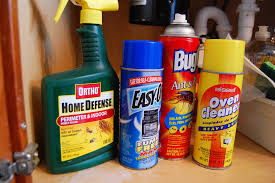 decrease air pollution from cars and other vehicles, scientists are finding that the use of pesticides and other household chemicals represent an increasing proportion of smog-forming pollution in the U.S. Research published in the journal Science this month indicates that personal care products, cleaning agents, perfumes, paints, printing ink, and pesticides warrant greater attention from regulators for their ability to form toxic fine particulate matter (PM2.5) and tropospheric ozone (O3). “The things I use in the morning to get ready for work are comparable to emissions that come out of the tailpipe of my car,” said Brian McDonald, PhD, the study’s lead author and air-pollution researcher at the U.S. National Oceanic and Atmospheric Administration (NOAA) in Boulder, Colorado to Nature. “I think that’s what surprises a lot of people.”
Recognizing a gap in emission data as pollution from cars and other mobile sources of fossil fuel has waned over the past several decades, researchers set out to determine what chemicals were contributing to smog that continues to plague cities throughout the U.S. Using data from energy and chemical manufacturing, combined with roadway pollution and laboratory measurements, scientists created a “mass balance” of all compounds produced by the fossil fuel industry in the U.S. Through this process, it was discovered that emissions of volatile organic chemicals (VOCs), which eventually turn into pollution once released into the air, from household products are “one to two orders of magnitude higher than from vehicle exhaust,” according to the study.
When broken down, scientists attributed between 15 to 42% of VOC emissions to vehicle use, and 39 to 62% to the use of household products, with the remainder being associated with the production of fossil fuels.
The study authors then hypothesize that these chemicals must also be showing up in high concentrations in indoor air. Using a model that took data from measurements of indoor air in commercial and residential buildings, compounds associated with personal care products are roughly seven times higher indoors than amounts found in ambient air.
However, it is when these chemicals make their way outside that they become a significant pollution problem, as they oxidize in the presence of nitrogen oxides to form ozone or nuclearize in the presence of sunlight to form PM2.5. “Say somebody is inside using perfume, cologne,” explains Chris Cappa, PhD, a co-author of the study and researcher at the University of California at Davis to The Washington Post. “That smell eventually dissipates. And the question is, where did it go. And there’s air exchange with the outside. Those odors dissipate because it’s basically getting moved outside. It’s just taking that indoor air and exchanging it with the outdoor air. It’s not that hard to get things from the indoor environment outside.”
To confirm their emissions estimates based on the mass balance data, observed VOC emissions from Los Angeles were compared to their model, and when personal care products were accounted for, authors found the results in line with their assessment.
Chemical dependency in agriculture is also contributing to air pollution. A study published earlier this year in Science Advances by researchers at University of California, Davis finds that California regulators may be drastically underestimating chemical-intensive agriculture’s contribution to nitrogen oxide (NOx) caused air pollution, acid rain, and respiratory illness in the state. While NOx pollution is usually associated with energy production and vehicle emissions, fertilizer use on crop fields is contributing to significant air pollution problems. Advocates say that the study is an urgent call for farmers to eliminate dependency on soluble, synthetic, nitrogen-based fertilizers and adopt the use of insoluble soil amendments that support soil biology that provide plants with nutrients. See Daily News on this.
Beyond Pesticides has long warned consumers about the volatility of pesticides used in and outside the home. Many insect baiting stations are labeled “nonvolatile” but may still off-gas noxious poisons into one’s home. The propensity for herbicides such as dicamba to volatilize after use has led to a rash of nontarget drift and damage to neighboring crop fields. The present study adds another layer of concern to these already toxic products, and indicates that the U.S. Environmental Protection Agency must more seriously consider secondary effects like volatilization-caused air pollution when considering whether to continue allowed uses of a pesticide.
All unattributed positions and opinions in this piece are those of Beyond Pesticides.
Source: Nature, Washington Post, Science
Posted in Uncategorized by: Beyond Pesticides
No Comments
27
Feb
(Beyond Pesticides, February 26, 2018) It is no secret that large organic dairy herds of 15,000 to 20,000 cows or more dot the Western US in California, Colorado and Texas in particular. They have repeatedly come under fire from watchdog groups, journalists and farmers who have observed and documented the absence of cows on pasture during grazing season, as required by the Organic Foods Production Act (OFPA). This circumventing of the law could soon change with the commercialization of the fluorescene spectroscopy (FS), which detects the amount of forage a dairy herd is eating by measuring the luminescence of metabolized grass in milk. The law requires that herds graze daily during a given region’s growing season, at least 120 days per year, and consume a minimum of 30% grass in their daily diet.
Until now, there has been no technology to scientifically verify that organic milk comes from grass-fed dairy cows. . The organic dairy certification system relies on visual inspections by certifiers during the grazing season and an evaluation of the dairy’s herd management plan.. While most organic dairies are in compliance, there are questions about the ability of the super-large dairies to meet stringent organic pasture regulations. The FS testing system could revolutionize organic diary production transparency with a scientific tool that reassures consumers that the organic milk and dairy products they consume meet the strict, minimum requirements of OFPA.
When cows regularly graze on pasture, traces of chlorophyll from the grasses they eat and metabolize remain in their milk. When exposed to the light frequency of the FS, a bright and measurable fluorescent marker can be seen. Scientists at Iowa State University’s (ISU) Center for Sustainable Agriculture recently published a peer-reviewed study in the Journal of Agricultural and Food Chemistry that concludes that the FS reliably measures the amount of grass a herd has eaten. They explain how the results from using FS are instantaneous, the tests are inexpensive, involve only light and not chemistry, and they could be administered at the site of a dairy pick-up.
According to ISU’s study co-author, Jacob Petrich, “You just need to shine light on the sample, and there are signatures in the milk that you can see. There’s very little preparation to be done, and you get the answer almost immediately.”
Several exposés have uncovered how USDA has failed to enforce the National Organic Program’s pasture regulations on large dairies. A 2017 Washington Post article documents an eight day investigation of Aurora Organic Dairy’s Greeley, Colorado, plant where “signs of grazing were sparse. . .the number of cows seen on pasture numbered only in the hundreds. . .At no point was any more than 10 percent of the herd out.” To confirm the author’s observations, the Post sent milk samples to the Virginia Tech for lab testing, which confirmed that the “key indicators” of grass-feeding matched those of conventional milk. During that same year, organic inspectors arrived at the dairy in November, after the grazing season, so they had no way of verifying Aurora’s compliance with OFPA grazing requirements.
Back in 2007, the Cornucopia Institute, an organic agriculture watchdog group, filed a complaint with USDA against the same company, arguing that it violated organic grazing rules. While USDA admitted that Aurora was in “willful violation” of OFPA rules, the agency agreed to a settlement and the dairy continued its operations. According to the Post article, little has changed at Aurora. Still, the government remains silent in the face of such flagrant violations.
A former National Organic Standards Board (NOSB) member and owner of organic Radiance Dairy in Fairfield, Iowa, Frances Thicke, PhD, does not see how large herds such as those that supply milk to big box stores can meet USDA’s organic grazing requirements. “I don’t think that you can possibly graze 15,000 cow and milk them twice a day. It’s biologically, physically impossible to do that – for the cows to go out far enough to get grass and come back. That just can’t be done, because it’d be too far to walk. Besides, they’re on a desert.” Milk samples from his grass-fed cows wereused in the ISU study and they showed a high level of chlorophyll metabolites, which verify that the cows are pastured.
Consumers expect that the organic milk they drink comes from cows that roam on pasture because it is good for the cows and for the people who drink their milk. Organically produced milk contains significantly higher levels of beneficial fatty acids than conventionally produced milk because organic farmers pasture their cows when grasses and legumes are growing. A 2014 study tested 220 organic and 164 conventional whole-milk samples from producers in 7 regions across the U.S. and compared their fatty acid content over an 18 month period. Their research demonstrated that organic milk contains 62% more omega-3 fatty acids and 25% less omega-6 fatty acids then conventional milk. Although omega-3 fatty acids are essential to human health, they are not naturally produced in the human body, so they must be obtained through food consumption. Omega-3s are also integral to healthy cell function and they have been shown to prevent heart disease and stroke. Conversely, excessive levels of omega-6 fatty acids, like those predominant in conventional milk, promote cardiovascular disease, autoimmune diseases, inflammation, blood clotting, and tumor growth.
Clearly, from a health perspective, it is important to eat whole fat milk products made with milk sourced from grass-fed organic dairies. But, how can you be sure? While FS is still in the early stages of development because more testing on different breeds and cow diets is needed, researchers agree that a hand-held and consumer-friendly devise would not be difficult to develop, but they are not there yet.
In the meantime, it is critical for you to educate yourself about the most authentic and trusted organic dairy producers at the grocery stores where you shop. Buy local from a dairy farmer you get to know and trust. If you aren’t sure, ask your neighbors and colleagues who are their go-to dairy companies. Investigate the plant codes on milk containers so you can avoid mega-organic dairies like Aurora (08-29). Choose a recognized name brand over generic brands and store brands from mega stores like Walmart, Target and Costco, who tend to source their milk from large organic dairies to accommodate the large volumes they sell. Don’t buy the cheapest brands because they don’t pay farmers a fair price and they are likely stretch the rules for compliance with OFPA. Most importantly, don’t give up on the organic label. Organic’s system of regulation, inspection, and third party certification is still the most transparent food system we have and the most beneficial for human health and the environment.
Check-out Beyond Pesticides’ Eating with a Conscience website to learn more about the many benefits of organic food production for consumers, workers, and rural families. To advocate for organic integrity and the protection and strengthening of organic standards, see Beyond Pesticides’ Keeping Organic Strong webpage.
All unattributed positions and opinions in this piece are those of Beyond Pesticides.
Sources: The Washington Post, The New Food Economy, Organic Advocacy, The Cornucopia Institute
Posted in Agriculture, Alternatives/Organics, National Organic Standards Board/National Organic Program, Uncategorized by: Beyond Pesticides
No Comments
26
Feb
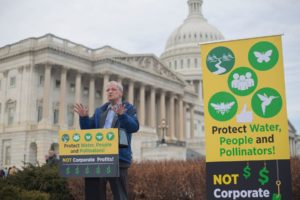
U.S. Rep. Earl Blumenauer (D-OR) discussing Saving America’s Pollinators Act.
(Beyond Pesticides, February 26, 2017) U.S. Representatives Earl Blumenauer (D-OR) and Jim McGovern (D-MA) reintroduced the Saving America’s Pollinators Act (H.R. 5015), which suspends the registration of certain neonicotinoid insecticides until the U.S. Environmental Protection Agency conducts a full scientific review that ensures these chemicals do not harm pollinators. Last week, Beyond Pesticides joined Rep. Blumenauer and other experts from environmental, conservation, whistleblower, and farmworker health groups on Capitol Hill to urge Congress to take action to protect pollinators in the face of ongoing obstruction by an increasingly industry-influenced EPA.
Tell your Representative to cosponsor the Save America’s Pollinators Act!“
Pollinators are the backbone of America’s agriculture system. Acting now to protect them and stop their decline is essential to the sustainability of our nation’s food supply,” Rep. McGovern said. “Simply taking the word of the manufacturers that their products are safe is not an option. Consumers need strong oversight. That is why I am proud to join Congressman Blumenauer in demanding the EPA fully investigate the effect that certain harmful pesticides may have on the vitality of our pollinators.”
Numerous scientific studies implicate neonicotinoid pesticides as key contributors to the global decline of pollinator populations. EPA’s own scientists have found that neonicotinoids pose far-reaching risks to birds and aquatic invertebrates. For example, they find deadly impacts to birds from neonicotinoid-treated seeds, poisoned insect prey, and contaminated grasses.
“EPA’s recent assessment confirms what the science has already shown: that neonicotinoids are highly toxic not just to bees, but to aquatic species and birds. To protect our waterways and pollinators it is imperative that action be taken to ban these chemicals,” said Nichelle Harriott, science and regulatory director at Beyond Pesticides.
University researchers have found that tiny amounts of neonicotinoids are enough to cause migrating songbirds to lose their sense of direction and become emaciated. A recent study by U.S. Geological Survey (USGS) researchers found neonics widespread in the Great Lakes at levels that harm aquatic insects, or the aquatic food web—the foundation of healthy aquatic ecosystems.
“The health of our food system depends on the health of our pollinators. The status quo is like flying blind – we shouldn’t be using these pesticides when we don’t know their full impact,” said Rep. Blumenauer. “The EPA has a responsibility to get to the bottom of this issue and protect pollinators.”
Canada’s pesticide regulatory agency has recommended banning the most widely used neonicotinoid, imidacloprid, based on harms to aquatic ecosystems. Europe has instituted a temporary ban on neonicotinoids based on their harms to pollinators, and the European Commission recently proposed extending the ban indefinitely and eliminating all agricultural uses of the chemicals.
Given the ongoing obstruction by EPA leadership, however, Representatives Blumenauer and McGovern are offering a legislative remedy to address the national pollinator crisis. But Congress won’t act unless members hear from their constituents. Help push EPA to take substantive action on neonicotinoids by urging your Representative to cosponsor the Saving America’s Pollinators Act.
Letter to Congress:
Please cosponsor the Save America’s Pollinators Act (H.R. 5015) introduced by Representatives Earl Blumenauer and Jim McGovern. Our nation’s pollinators are suffering, which poses a huge threat to our food system. A third of the food we eat depends on pollination by insects and birds.
Over the past decade, documented incidents of honey bee colony collapse disorder and other bee losses have reached a record high. In some cases, beekeepers have repeatedly lost 100 percent of their operations. Thousands of scientific studies have implicated neonicotinoids as key contributors to declining pollinator populations.
Although Canada and the European Union are taking action to ban neonicotinoids, EPA fails to act. Given the ongoing obstruction by EPA leadership, however, Representatives Blumenauer and McGovern are offering a legislative remedy to address the national pollinator crisis. Please help protect pollinators by cosponsoring the Save America’s Pollinators Act.
Thank you.
Posted in Bayer, Environmental Protection Agency (EPA), National Politics, neonicotinoids, Pollinators, Take Action, Uncategorized by: Beyond Pesticides
No Comments
23
Feb
(Beyond Pesticides, February 23, 2018) Agrichemical corporation Monsanto has lost its bid to halt a 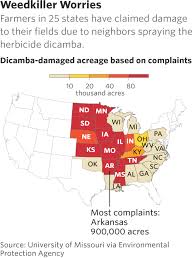 statewide ban on the use of its specialty dicamba herbicide in Arkansas. Despite a lengthy process of evaluation and public comment that led to a prohibition on the use of drift-prone dicamba herbicides during the growing season on Arkansas farms, Monsanto made one last-ditch attempt to stop the law from going into effect by suing the entire state. With the industry’s loss, Arkansas is on track to implement the toughest restrictions against dicamba in the U.S.
State Circuit Court Judge Chris Piazza dismissed the lawsuit last week based on a recent Arkansas Supreme Court ruling, which held that the state cannot be made a defendant in court. Monsanto’s lawsuit argued against the makeup of the state’s Plant Board, which voted to prohibit the company’s product last November. Monsanto also made claims that the state did not consider the economic damage a ban on the herbicide would cause, despite not seeking monetary restitution in court. Beyond Pesticides led a nationwide campaign to urge action by the Arkansas Plant Board to ban dicamba.
Dicamba is an herbicide originally registered for use in 1967 to control broadleaf weeds. The chemical is notoriously drift-prone, but Monsanto (with its XTEND herbicide) as well as the companies BASF (Engenia herbicide) and DowDupont (FeXapan herbicide), attempted to produce formulations that did not volatilize as much as older formulations. Their move was hastened by the increasing failure of another herbicide, glyphosate, to control herbicide-tolerant weeds in fields of genetically engineered crops.
The development of glyphosate-tolerant row crops (corn, cotton, soybeans) enabled the chemical industry to vertically integrate their seed and pesticide divisions, requiring farmers contracting with these companies to plant the company’s seed as well as spray its specific herbicide products on their crops to manage weeds. However, repeated and extensive use of the same herbicide, glyphosate, predictably resulted in weeds in these fields developing their own tolerance to the herbicide. Genes able to confer resistance to the older herbicide dicamba were discovered just as glyphosate was becoming less effective. Companies like Monsanto needed to solve the issue of drift to make sure that surrounding farms not using dicamba-tolerant crops were not affected, but as state action by not only Arkansas, but also Missouri, North Dakota, and Minnesota, show, the new product formulations have not been not successful.
Monsanto rushed its XTEND cropping system to market. The company allowed seeds of dicamba-tolerant soybeans to be put on the market without U.S. Environmental Protection Agency approval of its companion herbicide. Shortly after, reports started to roll in indicating that the many farmers were, unsurprisingly, using older dicamba formulations on their crops, leading to widespread damage of neighboring farms. However, even when the XTEND herbicide was eventually put on the market, damage reports did not slow, and research by weed scientists found that the product does volatize enough to cause drift damage.
Bader Farms, which grows over 110,00 peach trees on over 1,000 acres in Missouri, sued Monsanto after its insurance company issued a refusal to pay for damages caused by off-label dicamba drift from surrounding farms. In June of this year, University of Arkansas’ agricultural research station had over 100 acres of soybeans ruined from nearby dicamba use. And most shockingly, NPR reports that last October a dispute over dicamba drift led to the murder of one Arkansas farmer.
Monsanto’s current push to pay farmers to use the XTEND cropping system by covering half of the cost of the herbicide per acre is yet another irresponsible move by a company constantly under fire for its indecent business practices. With Arkansas’ dicamba ban held up by state courts, advocates say that other states must move quickly to follow suit.
If you are concerned about the use of dicamba-based herbicides in agricultural areas where you live, contact your state department of agriculture and voice your concerns. Find their contact information through Beyond Pesticides’ state pages. For more information about the hazards associated with GE agriculture, see our program page on genetic engineering.
All unattributed positions and opinions in this piece are those of Beyond Pesticides.
Source: Associated Press
Posted in Agriculture, Arkansas, Dicamba, Glyphosate, Litigation, Monsanto, Pesticide Drift, Uncategorized by: Beyond Pesticides
No Comments
22
Feb
(Beyond Pesticides, February 22, 2018) Online retailer Amazon will pay $1.2 million in penalties  to settle violations to U.S. regulations for selling illegal and misbranded pesticides in its online store. Under the terms of the settlement, Amazon will monitor and remove illegal pesticide products from its website. These products, mostly imported, were not registered for use and sale in the U.S. and can pose hazards to unsuspecting consumers.
As part of an agreement with the U.S. Environmental Protection Agency (EPA) Amazon has agreed to pay $1.2 million in administrative penalties for nearly 4,000 violations of the Federal Insecticide, Fungicide and Rodenticide Act (FIFRA) by allowing third-party distributors to sell imported pesticide products on Amazon even though the products were not registered in the U.S. While agreeing to the settlement, Amazon neither admitted nor denied the specific facts alleged by the EPA.
“This agreement will dramatically reduce the online sale of illegal pesticides, which pose serious threats to public health in communities across America,” EPA Region 10 Administrator Chris Hladick said in a news statement.
The most concerning illegal products being sold are insecticide chalk products imported from Chinese manufacturers (3 pcs Cockroaches Bugs Ants Roach Kills chalk; Miraculous Insecticide Chalk; HUA Highly Effective Cockroach Killer Bait Powder; RBTZ Safe Highly Effective Roach Killer Bait Powder Indoor (2pcs); HUA Highly Effective Fly by Killing Bait Powder (3 packs); Ars Mat 60pcs Refil for ARS Electric Mosquito Killer Convenient, Clean & Smokeless). These products contain false and misleading statements of safety on their labels and contain active ingredients such as pyrethroids, propoxur, and azamethiphos. Azamethiphos is not registered in the U.S. and propoxur has limited uses. The chalk products are used by drawing a pesticide-laden barrier on a surface the user does not want an insect to cross and survive. They are often packaged in bright colors making the products look like sidewalk chalk, toys or even candy. Children can easily open and play with the products, or even put them in their mouths.
According to EPA officials, because of the enormous shift from brick-and-mortar retailers to online commerce, “This is a very difficult avenue of pesticides sales to get our hands around,” said Chad Schulze, EPA Region 10 Pesticide Enforcement Team Lead.
Amazon has removed the products from its website, banned foreign sellers from selling pesticides and stepped up the monitoring of its website for illegal pesticides. The company also asked customers who purchased the products in 2013-2016 to communicate safety concerns, urged them to dispose of the items and refunded customers the cost of the products, about $130,000. Under the terms of the agreement, Amazon said it will develop an online training course about pesticide regulations and policies in an effort to reduce the number of illegal pesticides available through the online marketplace, the EPA said. The training, which will be mandatory for all entities planning to sell pesticides on Amazon, will be available to the public and online marketers in English, Spanish and Chinese.
According to reports, EPA began investigating the sale and distribution of online pesticides at the end of 2014 by searching the internet for unregistered pesticides offered by online retailers. The following year, the EPA inspected an Amazon facility in Lexington, Kentucky, and inspectors in EPA’s Region 10 office successfully ordered illegal pesticides from Amazon. In August 2015, EPA issued an order to Amazon to prohibit the sale of the illegal pesticide products, including some that the regulatory agency said could be mistaken for blackboard or sidewalk chalk by children. Another “Stop Sale Order” against Amazon was issued in January 2016 after the agency discovered that unregistered or misbranded insecticide bait products were also being offered for sale.
Last year, EPA’s Office of the Inspector General (OIG) released a report finding the agency can better reduce risks from illegal pesticides by effectively identifying imports for inspection and sampling. The report finds low rates of inspection and sampling across the U.S. to stop the importation of pesticide products that violate federal laws and recommends increased training and coordination between U.S. Customs and Border Protection to deter the import of harmful pesticides. Illegal imports of pesticides can present significant human health and environmental risks and have been linked to poisonings of children and pets. Illegal imports include high-hazard pesticides that can be counterfeit, produced at unregistered establishments, or produced using unauthorized ingredients.
With inspection guidelines being voluntary and set at only two percent —which is still not being met— advocates say that there will continue to be pesticide products being sold illegally to unsuspecting U.S. customers. These pesticides may contain ingredients banned in the U.S. or applied in ways that can pose risks to human health.
In March 2017, over 30 environmental and public health groups, joined by several environmentally responsible businesses, sent a letter to Amazon CEO Jeff Bezos, urging him to remove products linked to pollinator declines from the retailer’s website. Citing federal inertia that has allowed pollinator declines to continue at alarming rates, the groups pointed to the need for action from private companies to combat known threats to pollinators, in this case a class of pesticides known as neonicotinoids. Neonicotinoid pesticides are found in many home and garden products, and have been determined by the U.S. Environmental Protection Agency to be highly toxic to bees. According to the letter, “independent scientific literature associates the use of bee-toxic pesticides, particularly neonicotinoids, with impaired pollinator health and decline, including reduced populations of native bees, butterflies and other beneficial organisms.” The groups call on Amazon “to use its influence as the largest online retailer in the U.S. to lead marketplace change and protect pollinators by prohibiting the sale of pollinator-toxic neonicotinoid pesticide products, educating consumers on the availability of safer, “pollinator friendly” alternatives.” The letter to Amazon was accompanied by a product list identifying over 100 products sold on Amazon’s website that contain bee-toxic neonicotinoid pesticides.
To ensure that you are not buying or have not bought an illegal pesticide product, check the label for an EPA registration number or visit the website information provided. If you are still unsure, contact Beyond Pesticides for assistance.
All unattributed positions and opinions in this piece are those of Beyond Pesticides.
Source: Reuters
Posted in Announcements, Corporations, Environmental Protection Agency (EPA), Label Claims, Pesticide Regulation by: Beyond Pesticides
No Comments









