13
Jul
Tick Study Leads to Inaccurate and Potentially Dangerous Pesticide Advice in Media Reports
 (Beyond Pesticides, July 13, 2018) Earlier this year, a study published in the Journal of Medical Entomology by researchers at the Centers for Disease Control and Prevention (CDC) indicated that a known carcinogen, the synthetic pyrethroid permethrin, when applied to clothing may function as a tick deterrent. The study has led to many misleading and potentially dangerous headlines, such as National Public Radio’s story “To Repel Ticks, Try Spraying Your Clothes With A Pesticide That Mimics Mums.” These articles encourage readers to use permethrin treated clothing, and downplay the risks associated with its use. Moreover, as noted by Consumer Reports, the CDC study in question does not go as far as recommending that individuals use permethrin treated clothing.
The study placed ticks of different species and life stages on cloth cut from permethrin treated clothing. Researchers found that the majority of ticks had difficulty moving after exposure to the fabric. However, this effect did vary with life stages, as adult ticks were generally able handle pesticide exposure longer than nymph stage ticks. As James Dickerson, PhD, chief scientific officer of Consumer Reports notes, “The CDC’s study did not test any items while they were being worn, so it doesn’t show conclusively how well the clothes might keep ticks from biting you.” When speaking with Consumer Reports, study coauthor Lars Eisen, PhD, with CDC indicated that a larger study that includes individuals actually wearing the treated clothing is needed to indicate whether the practice is indeed effective. “We do not have that study yet,” Dr. Eisen told Consumer Reports.
NPR’s coverage of the study led it to interview an individual who recommended using both permethrin and the repellent DEET to address tick issues as “very effective,” with NPR indicating that the study backs up these claims. However, a 2001 study investigating the synergistic effects of DEET and permethrin due to its potential link to Gulf War Syndrome, reported by many veterans, found that this combination “decreased [blood brain barrier] BBB permeability in certain brain regions, and impaired sensorimotor performance.”
A U.S. Army funded study from 2011 also linked pesticide exposure and synergy to Gulf War Syndrome symptoms, singling out DEET and permethrin, among other chemicals. Despite these risks, NPR simply quoted EPA assertions that individuals were unlikely to experience “significant immediate or long-term hazard from permethrin,” but did not address synergy risks between DEET and permethrin, let alone the deficiencies in EPA’s pesticide registration system.
Beyond Pesticides strongly discourages the use of any pesticide treated clothing. In addition to being classified a likely carcinogen by EPA, permethrin has been associated with endocrine disruption, reproductive effects, neurotoxicity, and damage to organs like the kidney and liver. It’s been linked to behavioral problems in children, infant leukemia, and adverse respiratory effects such as wheezing.
In humans, symptoms of acute exposure to DEET include headache, exhaustion and mental confusion, together with blurred vision, salivation, chest tightness, muscle twitching and abdominal cramps. Researchers have noted significant concerns related to the use of DEET, including nervous system disorders, adverse developmental effects, and neurotoxicity in children. DEET poses risks to the human nervous system, according to a 2009 study. Another study associated pregnant women’s exposure to insect repellents, such as DEET, during their first trimester to an 81% increased chance of male children developing “hypospadias,” a condition where the urinary opening is at the bottom rather that the tip of the penis.
Many may also think that spraying one’s lawn with insecticides to kill ticks are a good way to address their presence around your yard. However, a study published in the Journal of Infectious Diseases in 2016 found that while these sprays may in fact kill ticks, residents that had their yard’s sprayed reported the same number of ticks and same rate of tickborne illness as those that did not. The authors concluded tick barrier sprays, “do not significantly reduce the household risk of tick exposure or incidence of tick-borne disease.”
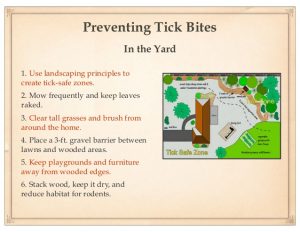
The best way to address ticks is through personal protective measures and judicious use of least-toxic repellents such as Oil of Lemon Eucalyptus, Picaridin, and IRC. If one ignores DEET from their search, the U.S. Environmental Protection Agency has a helpful website to find a brand of tick repellent that is effective. The website indicates the product name, length of effectiveness, active ingredient, and company name. Rather than mowed lawns, ticks are likely to hide in tall grass, shrubs, and overgrowth vegetation, and it follows that eliminating these habitats around one’s home can help suppress ticks where they’re likely to latch on. Since white-footed mice are critical vectors for tick-borne diseases like lyme, methods to reduce rodent populations can also address lyme. But if you’re going into the woods or other areas with known high tick populations, the most effective method currently is to wear appropriate clothing (light colored that covers one’s whole body), a hat, and consider tucking one’s pant’s into your socks. Most important is to conduct regular tick checks alongside a friend, as it’s critically important to detatch a tick from one’s skin as soon as possible after the bite to reduce the chance of disease transfer. If you have an outdoor pet, don’t forget to check them as well (consider a flea/tick comb and remember areas like behind the ears and in between toes).
While CDC continues to study the best methods to manage ticks, personal protection and diligence remain the best deterrents to tick-borne disease, not the use of chemicals that pose new risks to one’s health. For more information on how to manage ticks safely, see Beyond Pesticides ManageSafe webpage.
All unattributed positions and opinions in this piece are those of Beyond Pesticides.
Source: Consumer Reports, NPR, Journal of Medical Entomology

 (Beyond Pesticides, July 12, 2018) Neonicotinoid insecticides have become notorious for their
  (Beyond Pesticides, July 11, 2018) Ecologically-based farming systems contain far fewer pests and generate much higher profits than their conventional, chemical-based counterparts according to research
 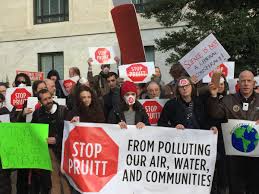 (Beyond Pesticides, July 10, 2018) Scott Pruitt’s resignation as Administrator of the U.S. Environmental Protection Agency (EPA) took effect Monday under a cloud of ethics investigations and alleged collusion with industry to systematically undermine, dismantle, and reverse critical protections for air, water, and workers. Deputy Administrator Andrew Wheeler will take the helm as Acting Administrator after serving as Deputy Administrator, a position that required Senate confirmation. Mr. Wheeler, a lawyer who worked in the toxics office at EPA under Presidents George H.W. Bush ad Bill Clinton, as an aide to U.S. Senator Jim Inhofe (R-OK) – a denier of climate change – and the Senate Committee on Environment and Public Works (EPW), and as a lobbyist for the coal and chemical industry, told the Washington Post: “[I] would say that the agenda for the agency was set out by President Trump. And Administrator Pruitt has been working to implement that. I will try to work to implement the president’s agenda as well. I don’t think the overall agenda is going to change that much, because we’re implementing what the president has laid out for the agency. He made several campaign promises that we are working to fulfill here.”
 (Beyond Pesticides, July 9, 2018) The Center for Biological Diversity (CBD) is urging the U.S. Fish and Wildlife Service (FWS) to take action to protect 23 wildlife species in the Southeast that are at risk of extinction. Citing deep concerns about unprecedented assaults on the Endangered Species Act (ESA),
  (Beyond Pesticides, July 6, 2018) Two years ago, thirteen bald eagles were found dead on a farm in Maryland. Now the investigation has revealed that these birds died after ingesting the highly toxic pesticide, carbofuran. Carbofuran, whose use has been phased out in the U.S., is so toxic to birds that one granule is all it takes to kill. Irresponsible and illegal use of pesticides is still responsible for primary and secondary poisonings of wildlife, as is the case of these bald eagles.
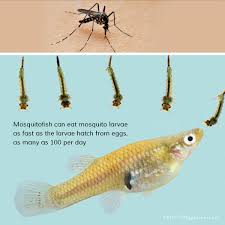 (Beyond Pesticides, July 5, 2018) With mosquito season in full swing throughout the U.S., land managers and abatement districts can be well served by employing biological controls in the form of fathead minnows (
 (Beyond Pesticides, July 2, 2018) The U.S. House of Representatives is considering
  (Beyond Pesticides, June 29, 2018) It is widely known that pollinators are in trouble. In light of this,
  (Beyond Pesticides, June 28, 2018) Having voted to allow retail recreational cannabis sales as of January 1, 2018,
  (Beyond Pesticides, June 27, 2018)
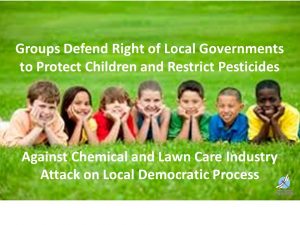 (Beyond Pesticides, June 25, 2018) Ten organizations filed an Amicus brief last week in support of a 2015 landmark Montgomery County, Maryland ordinance that restricts the use of toxic pesticides on public and private land within its jurisdiction. The law, intended to protect children, pets, wildlife, and the wider environment from the hazards of lawn and landscape pesticide use, is on appeal from a Circuit Court ruling in August 2017 which struck down aspects of the ordinance that apply to private property. The Montgomery County Council decided to appeal the Circuit Court ruling based on an outpouring of public support, and the advice of its legal team that the County has a reasonable chance of prevailing. The case will now be heard in front of the Court of Special Appeals of Maryland.
 (Beyond Pesticides, June 22, 2018) Mosquito misters pose a threat to human health. They also harm bees and other flying pollinators and are the least effective way to deal with biting mosquitoes. These devices are typically placed outdoors and spray insecticides –mostly in an attempt to control mosquitoes. In May, the Connecticut state legislature
  (Beyond Pesticides, June 21, 2018) In a letter sent by the Center for Biological Diversity (CBD), the U.S. Fish and Wildlife Service (FWS) is being urged to complete status reviews and listing proposals for 23 wildlife species in the Southeast that are at risk of extinction. Citing deep concerns about unprecedented assaults on the Endangered Species Act (ESA), the letter reiterates the critical need for FWS to provide timely protection to the most critically imperiled species.
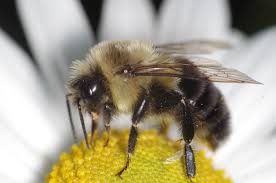 (Beyond Pesticides, June 20, 2018) Bumblebee queens that wake up from hibernation to a neonicotinoid-contaminated, monofloral landscape take longer to set up their nest and die-off at higher rates, according to new
  (Beyond Pesticides, June 19, 2018) Some 200 members of a
 (Beyond Pesticides, June 14, 2018) With nearly 40% of Americans diagnosed as clinically obese, leading to health care costs estimated at over $200 billion, researchers are focusing on ways individuals can reduce their exposure to chemicals that contribute to weight gain regardless of diet or exercise. These chemicals, known as “obesogens,” include a range of consumer products, from pesticides to plastics and flame retardants. While diet and exercise remain critically important to fighting the ongoing obesity epidemic, obesogens may be working to increase appetite, fat storage, or make it more difficult for the body to shed fat once it is gained.
 (Beyond Pesticides, June 13, 2018) On June 6, 2018, the New York State Department of Environmental Conservation (NYSDEC) released its final policy for the disclosure of cleaning product ingredients under its Household Cleansing Product Information Disclosure Program. The program will require full disclosure of ingredients on product labels or manufacturer website for all products sold in the state, as well as the identification of chemicals of concern. NYSDEC states the program is intended to protect consumers from harmful chemicals in household products.